REVIEW · CHIANG RAI
Chiang Rai: Popular Sightseeing Tour 7 places , Buffet Lunch
Book on GetYourGuide →Operated by Chiang Rai Lanna Tours · Bookable on GetYourGuide
Seven stops, one long day in Chiang Rai. What makes this tour click is the mix of Thai art, border history, and real local culture, with no-rush timing so you can actually look around. I also like the English-speaking Northern Thai guides (names you may hear like M, Fido, Fidu, Mew, Bank, or Em) who explain the why behind each stop, not just the what. The main drawback to plan for is the long day plus extra ticket costs at several sites if you want to enter everything.
You’re moving in comfort too: a small group (up to 10) in an air-conditioned minibus or car, with drinking water and a buffet Thai lunch included. The value is strong at $37, but you should budget for entrance fees and expect a full schedule that ends back in town around 6:30–7pm.
In This Review
- Key highlights to notice before you go
- A Fast Way To See Chiang Rai’s Big Stories in One Day
- Who This Tour Fits: Small Group, AC Vehicle, English-First Guides
- Wat Rong Khun White Temple: Art You Can Actually Understand
- Wat Rong Suea Ten Blue Temple: Short Visit, Big Visual Impact
- Baan Dam Black House: Museum-Like Art, Separate Ticket, Worth the Time
- Long Neck Karen Village: Learn About a Disappearing Refugee Community
- Choui Fong Tea Farm: A Real Break From Temples
- Golden Triangle Viewpoint: Border Lines You Can See
- House of Opium: The History Part That Explains More Than You Expect
- Lunch, Water, and the Day Pace (How Tiring Is It Really?)
- Price and Logistics: What’s Included, What’s Extra, and How to Budget
- Temple Rules and On-the-Road Tips That Actually Matter
- Guides Make the Difference: The English-Explainer Advantage
- Should You Book This Chiang Rai 7-Stop Day Tour?
- FAQ
- What’s included in the tour price?
- What entrance tickets are not included?
- How much extra should I budget if I visit everything with tickets?
- Is there enough time at each stop or is it rushed?
- Do I need special clothing for temples?
- Where does hotel pickup happen?
- How big is the group and what vehicle is used?
- What time will I be back in Chiang Rai town?
- Can I skip the paid attractions?
- Is the tour wheelchair accessible, and are there age or health limits?
- How do I know the starting time?
Key highlights to notice before you go

- White Temple guided time: more time than the usual stop-and-snap approach, plus a clear explanation of what you’re seeing
- Golden Triangle viewpoint: border geography in plain terms, with Thailand, Laos, and Myanmar separated by the Ruak and Mae Khong rivers
- Opium Museum context: history-focused, with opium-era equipment and the Golden Triangle background
- True cultural mix: art temples plus a Burmese refugee long-neck Karen village visit
- Comfort factor: air-conditioned vehicle, small group size, and water for the road
- Guide energy: many guides keep things clear and funny at the same time (I’ve seen names like M and Fido linked with strong days)
A Fast Way To See Chiang Rai’s Big Stories in One Day
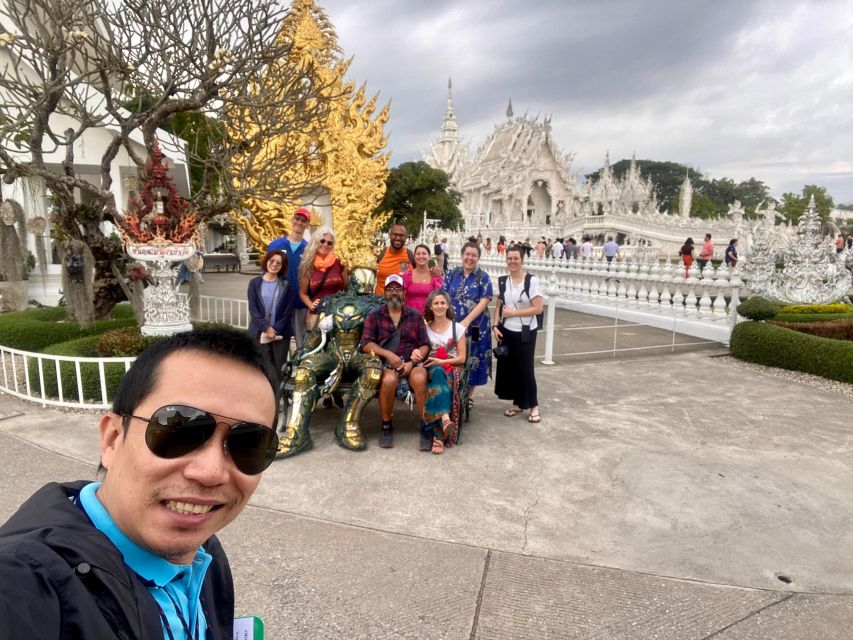
This is the kind of tour that’s ideal when you only have a short stay in Chiang Rai and want the highlights without doing three days of “where is it again?” planning. The stops work together as a story: Thai contemporary art (White Temple, Blue Temple, Black House), local livelihoods and traditions (tea farm, Karen long-neck village), then border history and the opium era (Golden Triangle viewpoint and House of Opium).
What you’ll feel most is the pacing promise: the plan gives you real time at the major sights, not just a quick photo and sprint. One reviewer summed it up as still feeling organized and not rushed, even with many stops.
You can also read our reviews of more tours and experiences in Chiang Rai.

Who This Tour Fits: Small Group, AC Vehicle, English-First Guides

This tour is set up for small-group touring, capped at 10 participants. The vehicle is a comfortable minibus for typical group sizes, and if you’re fewer than four people, it can run as a car—still with air-conditioning and drinking water provided all day.
The guide is a big part of the value here. Multiple guides are described as doing serious explaining in clear English, and several of the named guides (M, Fido, Fidu, Mew, Bank, Em) are mentioned for being engaging. If you like history and cultural context, that’s where this tour pays off.
Not everyone will love the format. If you’re the type who wants a slow day with zero structure, the schedule can feel like a lot—even though the stops have time built in.
Wat Rong Khun White Temple: Art You Can Actually Understand
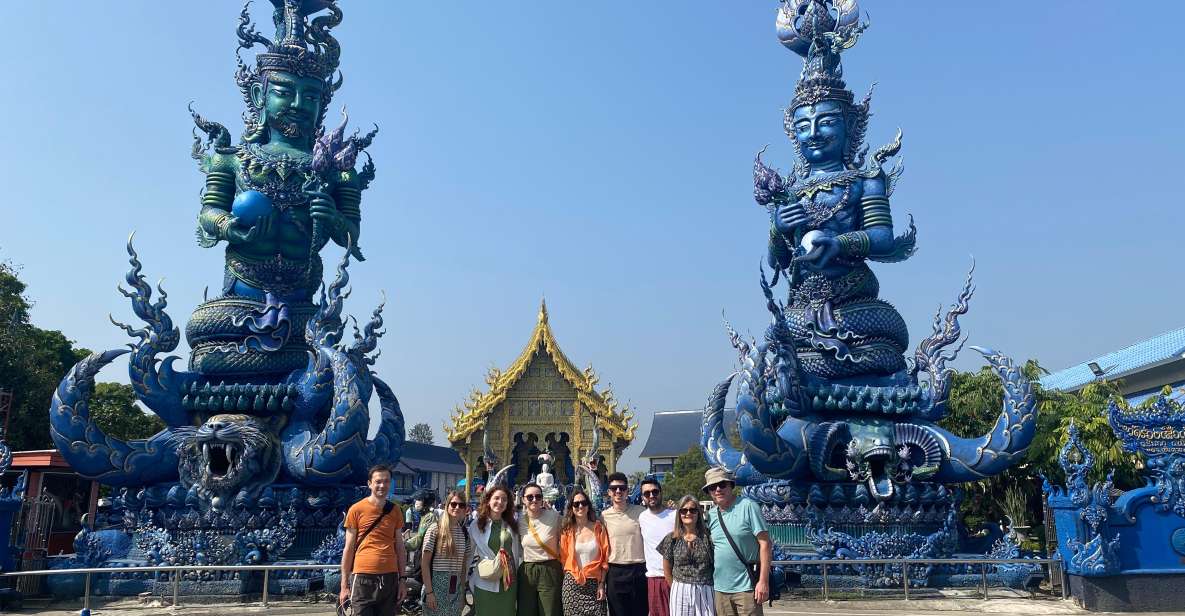
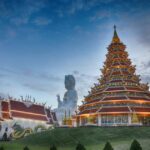
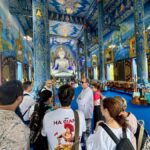
Wat Rong Khun (the White Temple) is the headliner, and the tour treats it like one. You get guided time plus extra free time—about an hour or more—so you’re not stuck rushing through a place that’s full of details.
Practical tip: plan for temple dress rules. You’ll want clothing that covers shoulders and legs below the knees, because this tour expects you’ll be ready for temple entrances. Bring something light you can sit comfortably in later too.
Ticket note: White Temple entry is extra (100฿). The good news is the tour includes the guided explanations, which helps you spot the symbolism without needing a wiki in your phone.
Wat Rong Suea Ten Blue Temple: Short Visit, Big Visual Impact
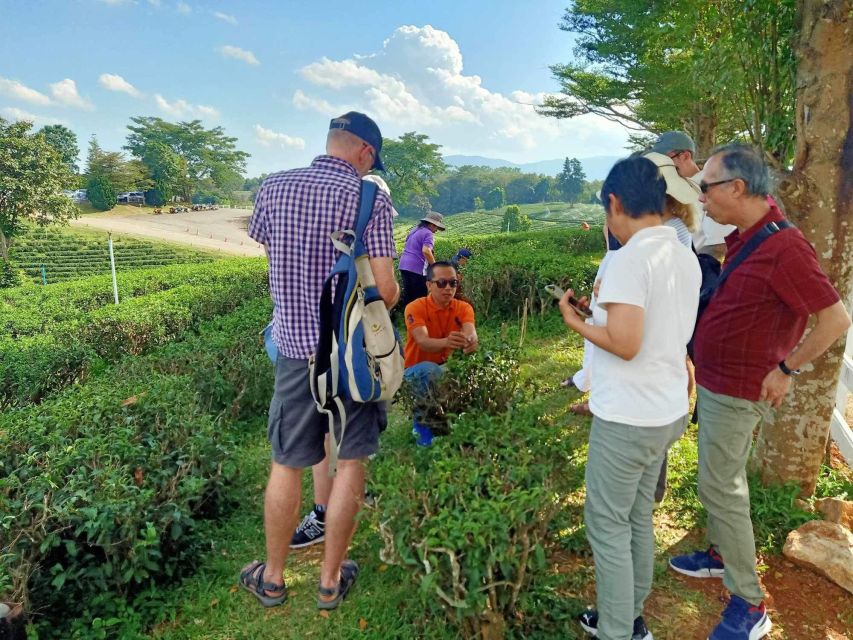
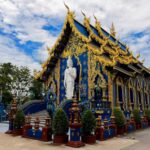
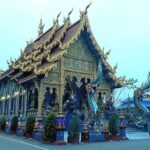
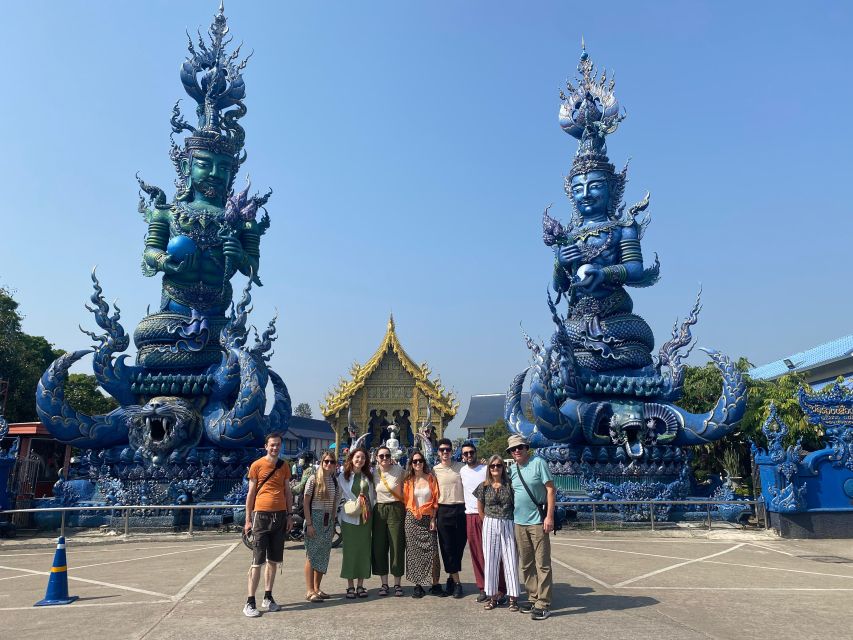
Wat Rong Suea Ten is newer and leans more toward art than tradition-heavy temple wandering. Expect a shorter window—around 25–30 minutes—built for seeing the main highlights and getting the idea before you move on.
If you’re trying to manage energy, this stop is convenient. It’s also a reminder that this tour is “highlights first,” so you’ll get fewer long contemplative moments than you would on a slower, temple-only day.
Baan Dam Black House: Museum-Like Art, Separate Ticket, Worth the Time
Baan Dam (Black House) feels like a different creative world from Wat Rong Khun. The tour frames it as a private collection style that can read like a museum, with a contrasting aesthetic.
Your time here is usually in the 50 minutes to 1 hour range. Ticket entry is extra (80฿), so think of it as a paid add-on that you’ll enjoy most if you like art collections and unusual design choices.

Long Neck Karen Village: Learn About a Disappearing Refugee Community
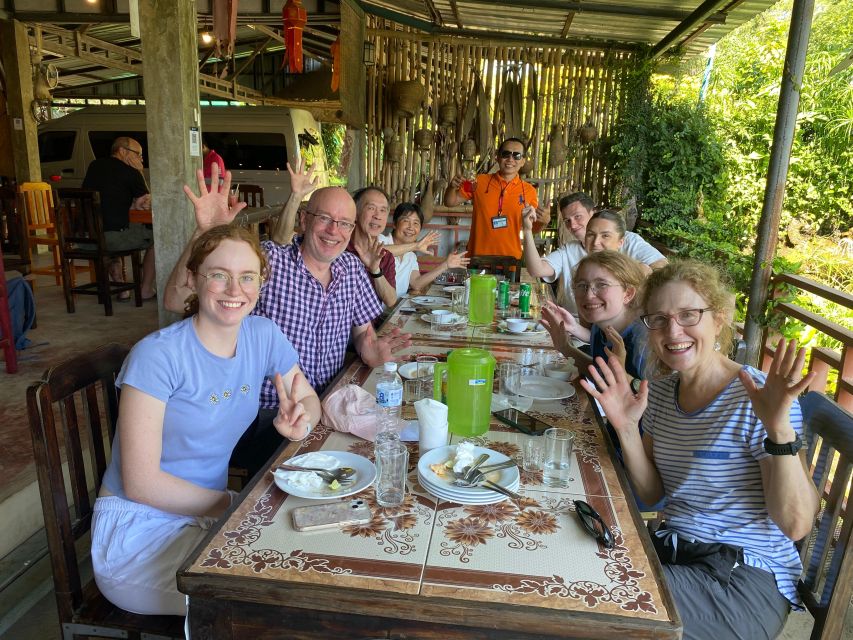
This stop is emotionally heavier than the temples. The long-neck Karen village here is described as a Burmese refugee village, and the visit focuses on learning about the traditional lifestyle and local reality.
Expect about 40–50 minutes total. The key is to go in with the right mindset: you’re not watching a theme park show, you’re seeing a community shaped by refuge and survival. If you ask questions politely, respect boundaries, and keep your photos tasteful, you’ll get more meaning out of the visit.
Ticket note: this is the most expensive add-on (300฿). If your budget is tight, it’s the one you should consider the most carefully—because it’s also the stop most tied to cultural and human context, not just scenery.
Choui Fong Tea Farm: A Real Break From Temples
After the heavier cultural stop, you get a breather: a tea plantation visit with guided explanations about tea, plus time to take in the views. Expect about 20–30 minutes after the info portion, and you may get a tea tasting as part of that.
This is one of those stops that helps the whole day feel balanced. You get green scenery, a calmer pace, and something you can remember even if you don’t take a million photos.
If you’re thinking ahead, tea farms are also a good time to slow down and check how your knees and shoulders are holding up, since temple hours earlier may have you standing longer than expected.
Golden Triangle Viewpoint: Border Lines You Can See
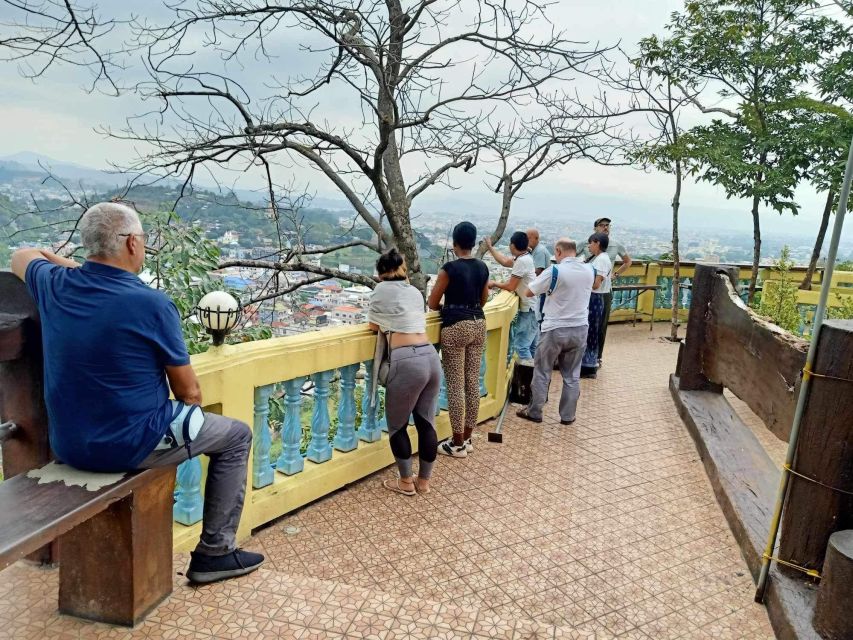
The Golden Triangle area is where the geography stops being abstract. The tour takes you to a viewpoint where you can see how Thailand, Laos, and Myanmar come together—separated by the Ruak River and the Mae Khong River.
You’ll get guided context plus free time, with about an hour or more at the point itself. This is a highlight even if you’re not a history person, because the river-and-border layout makes the story easy to visualize.
Ticket note: this stop doesn’t list a separate entrance fee in the provided details. It’s more about the viewpoint time and understanding the region.
House of Opium: The History Part That Explains More Than You Expect
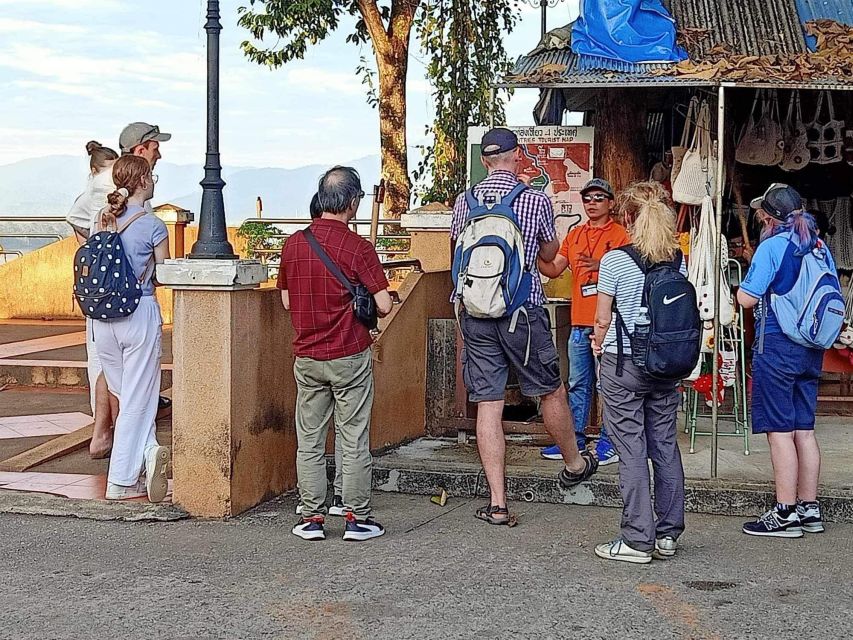
The House of Opium is where you connect the dots from Golden Triangle geography to the opium trade history. The tour includes a visit where you learn about opium and its history, and you’ll see used opium equipment along with the broader Golden Triangle background.
Plan on about 20 minutes for the visit and free/self-guided time. It sounds short, but it’s also targeted—enough to give you a baseline without turning your day into a museum marathon.
Ticket note: entry is extra (50฿). If you’ve ever wondered why the Golden Triangle matters historically, this is the part that turns guessing into understanding.
Lunch, Water, and the Day Pace (How Tiring Is It Really?)
This is a full-day format, ending back in town around 6:30–7pm. You’ll be in and out of a vehicle a lot, even though each stop is timed to give you room to look around.
The buffet Thai lunch is included (50 minutes), and drinking water is provided free throughout the day. In practice, those two details help you keep your energy stable—especially on long days when you start running on willpower and iced drinks.
One caution: because the schedule is tight, you’ll want to use your free time smartly. If you try to do every optional side loop and every extra photo angle, you’ll run out of buffer.
Price and Logistics: What’s Included, What’s Extra, and How to Budget
At $37 per person, this tour is priced like a value day: pickup and drop-off, air-conditioned transport, an English-speaking guide, buffet lunch, and all-day water are included.
The “gotcha” is that several key sites require separate entry tickets:
- White Temple: 100฿
- Black House (Baan Dam): 80฿
- Long Neck Tribe Village: 300฿
- Opium Museum (House of Opium): 50฿
If you enter all ticketed stops, that totals 530฿ in additional fees.
Is that still good value? In my view, yes—mainly because the guide time helps you get meaning out of each stop, especially the temples and the border history. But if you only care about one or two sights, you may want to rethink the tour structure.
Logistics you should know:
- Pickup is included from hotels in Chiang Rai not far from downtown, up to about 4 km from the bus terminal 1 area.
- It’s a small group (10 max), so you’ll be moving at “organized small group” speed, not private guide speed.
- The tour is wheelchair accessible per the provided details.
Temple Rules and On-the-Road Tips That Actually Matter
This tour has one clear requirement for temple visits: dress for coverage—shoulders covered and legs covered below the knees. Don’t wait until you arrive with a tank top and shorts and hope for the best.
Also note what’s not allowed: bikes, alcohol and drugs, and fireworks. Not the kind of rules you think about until you’re standing at a pickup point with the wrong kind of bag or beverage.
If you’re sensitive to long days, bring snacks you can eat between stops (if allowed by venue rules) and wear shoes that handle walking on uneven ground near temples.
Guides Make the Difference: The English-Explainer Advantage
The strongest praise pattern is about guides. Multiple named guides show up in the feedback as being clear in English and attentive to the group, with explanations that make each site easier to understand.
That’s the real reason a tour like this is worth it, not just the list of famous places. When the guide explains the symbolism behind White Temple details, gives practical context at the Golden Triangle, and turns opium history into something you can follow, you leave with more than photos.
If you’re booking, treat guide communication as part of the product. On a day this full, a good guide helps you use your time better.
Should You Book This Chiang Rai 7-Stop Day Tour?
Book it if:
- You have limited time in Chiang Rai and want a high-impact day that mixes temples, art, and border history.
- You like getting explanations in English, especially for the White Temple and the opium/Gollden Triangle story.
- You prefer a planned schedule with enough time at each stop, not a constant sprint.
Consider skipping (or choosing a different format) if:
- You want a slow, laid-back day. This is still a full schedule, and it can be tiring.
- You don’t want to pay extra entrance fees at multiple stops. The tickets add up quickly if you enter everything.
If you do book, go in with smart expectations: dress for temples, budget the ticket fees (530฿ for all listed paid sites), and use the free time to actually look—this tour works best when you treat it like a guided story, not a photo checklist.
FAQ
What’s included in the tour price?
The tour includes hotel pickup and drop-off in Chiang Rai, air-conditioned transportation, an English-speaking tour guide, a Thai buffet lunch, and free drinking water all day.
What entrance tickets are not included?
White Temple costs 100฿, Black House costs 80฿, Long Neck Tribe Village costs 300฿, and the Opium Museum costs 50฿. These are paid separately.
How much extra should I budget if I visit everything with tickets?
If you enter all the ticketed stops listed, the total is 100฿ + 80฿ + 300฿ + 50฿ = 530฿.
Is there enough time at each stop or is it rushed?
The tour is designed with time built in for guided information plus free time at each location, with notes that there is no rush.
Do I need special clothing for temples?
Yes. For temple visits, you should bring clothes that cover shoulders and legs (below the knees).
Where does hotel pickup happen?
Pickup is available from hotels in Chiang Rai that are not far from downtown, up to about 4 kilometers from the bus station terminal 1 area.
How big is the group and what vehicle is used?
The group is limited to 10 participants. You’ll travel in an air-conditioned minibus (9 seats) or a car if there are fewer than 4 people.
What time will I be back in Chiang Rai town?
The tour finishes back in Chiang Rai town around 6:30–7pm.
Can I skip the paid attractions?
The plan allows you to skip entering some attractions. You can wait with the group while others visit paid areas, rather than entering every ticketed site.
Is the tour wheelchair accessible, and are there age or health limits?
The tour is wheelchair accessible. It is not suitable for babies under 1 year, people over 95 years, hearing-impaired people, or people over 309 lbs (140 kg).
How do I know the starting time?
It runs valid for 1 day, and the exact starting times depend on availability, so you’ll need to check the schedule for the day you want to go.