REVIEW · CHIANG RAI
Chiang Rai: Jungle Adventure-Group Trekking & Bamboo Cooking
Book on GetYourGuide →Operated by Scorpions Tours Chiang Rai · Bookable on GetYourGuide
Expect bamboo, tribes, and hot springs in one day. This Chiang Rai day trek strings together bamboo forests, village visits, a big waterfall dip, and a mineral hot-spring finish. You spend your time walking through real countryside, not just hopping between stops.
I especially like the hill-tribe village context—you’re guided through places like Lahu, Akha Village, and China Village as you move along the trail. I also really enjoy the hands-on feel of bamboo cooking, where guides like Wat, James, Mo, and Sammy (plus others in the crew) make things with bamboo tools while you share the meal.
One drawback to plan for: parts of the route can be slippery or muddy, especially if it’s been raining, and the hike can feel tough if you’re not used to uneven ground. If you don’t pack grippy shoes and a towel for the waterfall, the day can feel more stressful than it needs to.
In This Review
- Key highlights worth your attention
- A jungle day that ends in mineral hot springs
- Your route: Pa Soert Hot Spring to villages, tea, and bamboo forest
- The waterfall stop: refreshing swim, not a pool day
- Bamboo cooking lunch: what you actually get to do
- What the village visits add (and what to expect from them)
- Pace and fitness: 10–12 km isn’t scary, but it isn’t flat
- What to bring so the day feels easy
- Small group energy and guide personality
- Price and value: what $80 buys in a full day of real effort
- Who should book, and who should skip it
- Should you book the Chiang Rai Jungle Adventure with bamboo cooking?
- FAQ
- How long is the tour and how much walking is involved?
- What language is the guide?
- Is the waterfall swim included, and what do I need for it?
- What’s included in the $80 price?
- What time is pickup in Chiang Rai?
- Is this tour suitable for everyone?
Key highlights worth your attention
- Pa Soert Hot Spring start: warm-up vibes before you hit the jungle path
- 10–12 km, about 5 hours walking: a real hike with frequent breaks
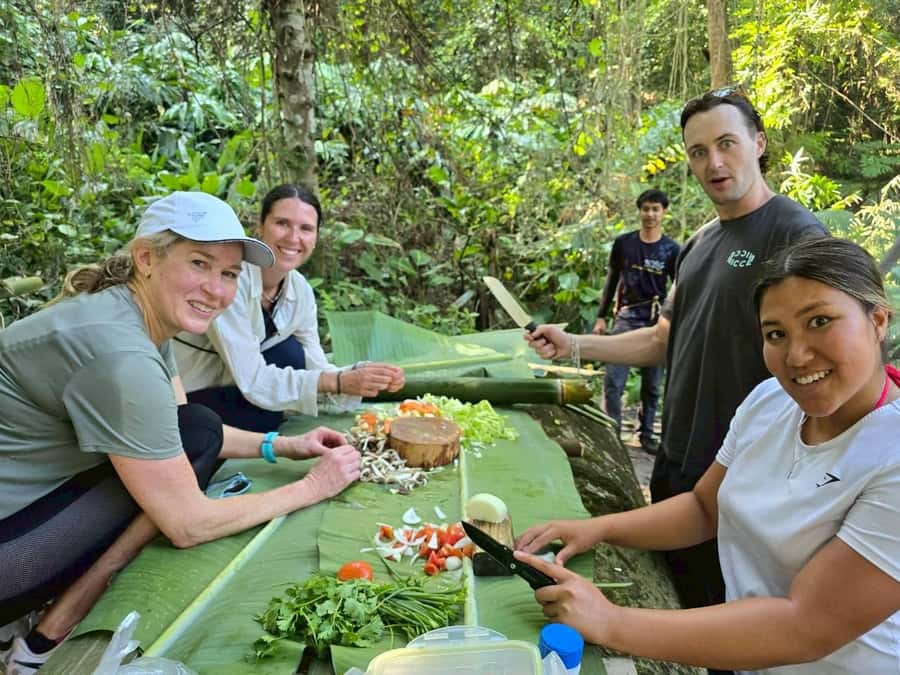
- Bamboo lunch with handmade dining tools: bamboo chopsticks, banana-leaf plates, and more
- Waterfall swim stop: bring swimwear and expect cool water
- Hill-tribe village visits: Lahu, Akha Village, and China Village along the route
- Finish at mineral hot springs: a soak that makes your legs feel human again
A jungle day that ends in mineral hot springs
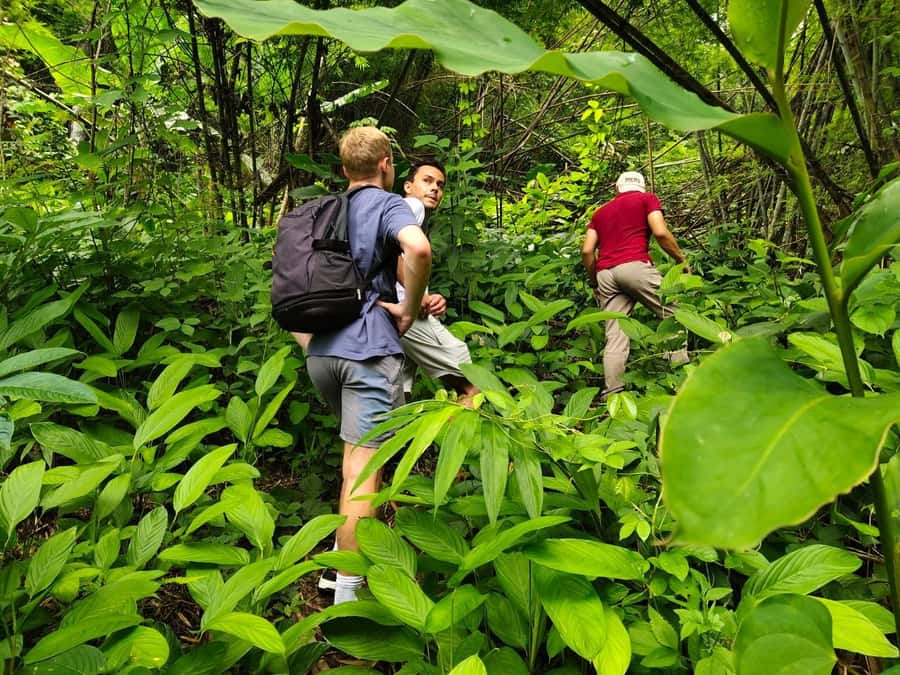
This tour works because it doesn’t treat nature as decoration. You walk through jungle and farmland patterns, you pause in small village settings, and you use bamboo tools to cook and eat in the hills. Then you cool down—first in the waterfall, then in the hot spring mineral water—so the whole day has an easy-to-follow rhythm.
The hot-spring finish is not just a nice bonus. It’s the way the day pays you back for the effort. After 10–12 km on a trail that includes steep bits and uneven ground, a warm soak is the kind of payoff your body remembers.
You can also read our reviews of more tours and experiences in Chiang Rai.

Your route: Pa Soert Hot Spring to villages, tea, and bamboo forest
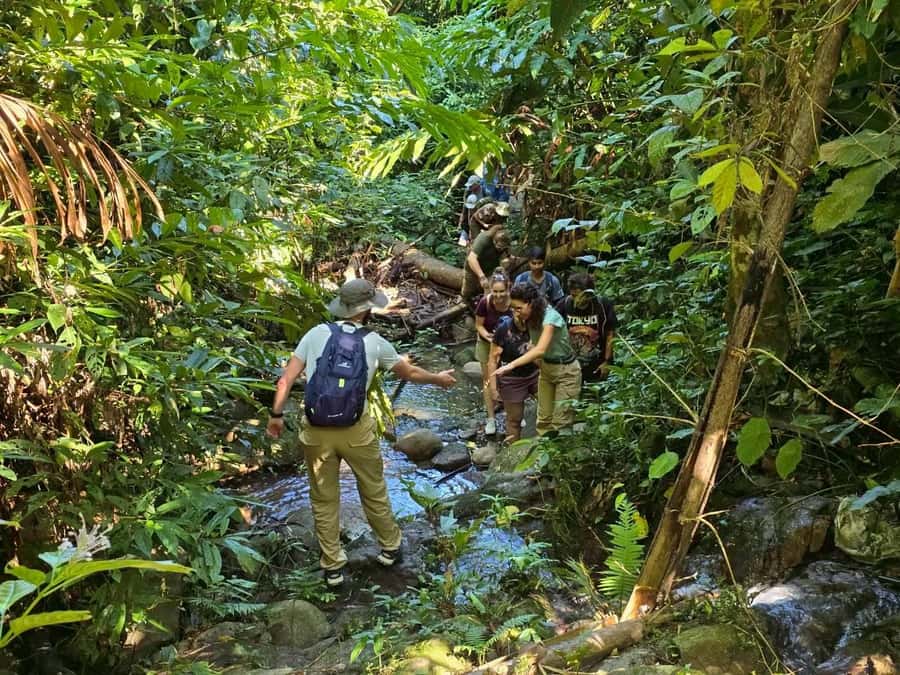
The day begins by heading out from Chiang Rai and starting at Pa Soert Hot Spring. That warm start matters. It gives you a buffer before the hiking begins, and it’s a good chance to settle in with your group and guide.
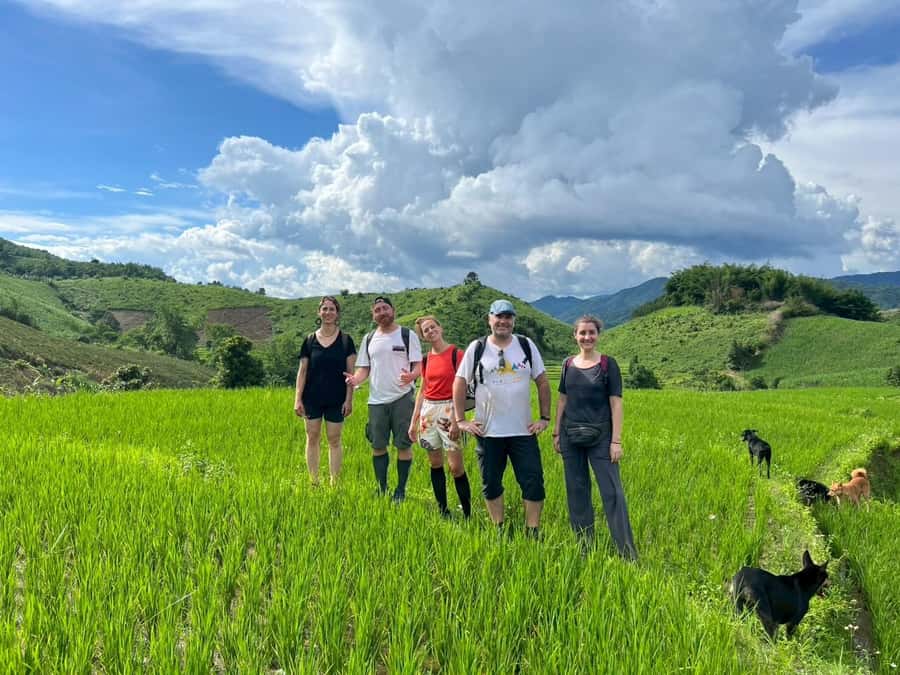
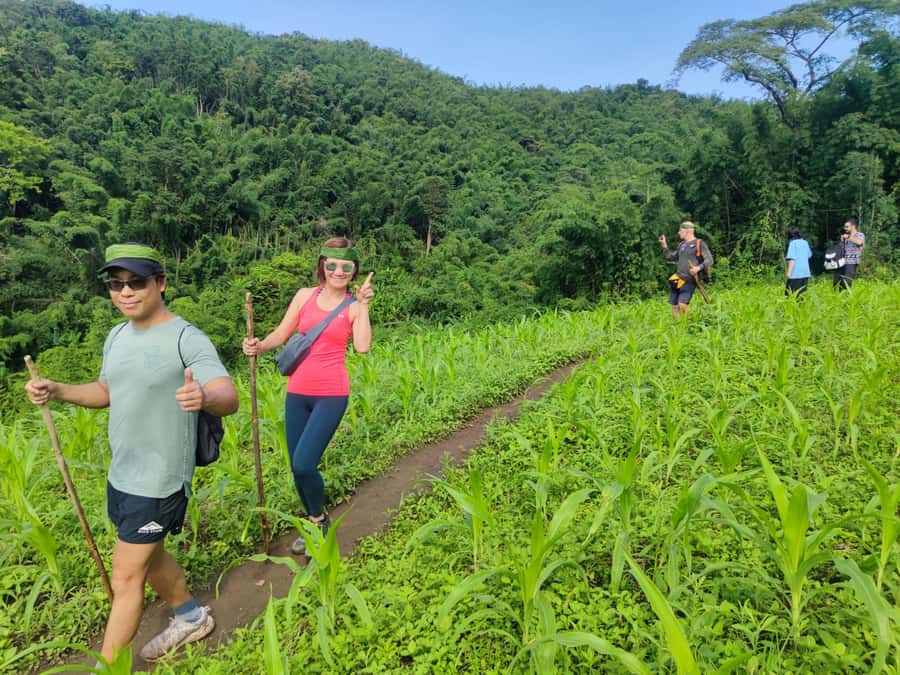
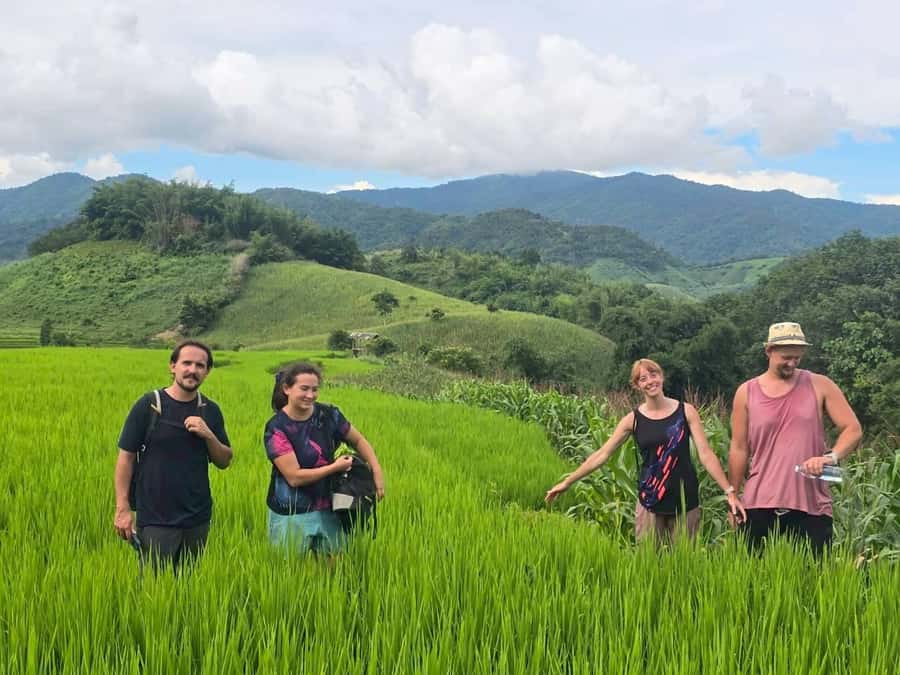
From there, the route moves through a mix of tea plantation areas, bamboo forest, farmland, and rice fields. That variety keeps the walk from feeling repetitive. One section may feel like deeper jungle shade, then you step into open countryside views where you can catch your breath and spot the way forward.
A big part of what makes this route feel special is the village sequence. You’re not just passing by from a distance—you visit communities including Lahu, Akha Village, and China Village. These stops add meaning to the scenery. Instead of seeing “green,” you see how people live, farm, and shape the land around you.
The waterfall stop: refreshing swim, not a pool day
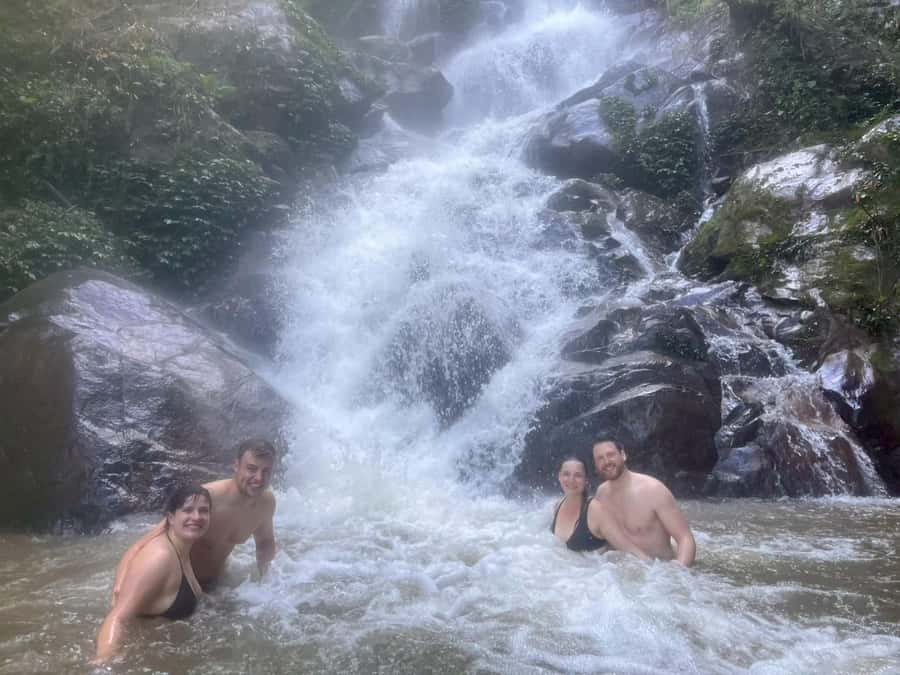
The tour includes a swim at the waterfall, described as the second largest waterfall in Chiang Rai. This is why you should pack a swimsuit and towel, even if you think you might skip the water. The dip is the best kind of break: active recovery.
Do expect cool water. Several reviews mention it’s fairly cold, but refreshing after the hike. Also, the waterfall area can feel like it’s built for slipping, not sprinting—so wear shoes you can walk in confidently around wet rocks.
Timing is built so you can hike, swim, and still finish the day properly. The tour doesn’t just throw you into nature and leave you there. You’ll be guided through the route and brought back for the hot-spring soak afterward, which is where the day truly clicks.
Bamboo cooking lunch: what you actually get to do
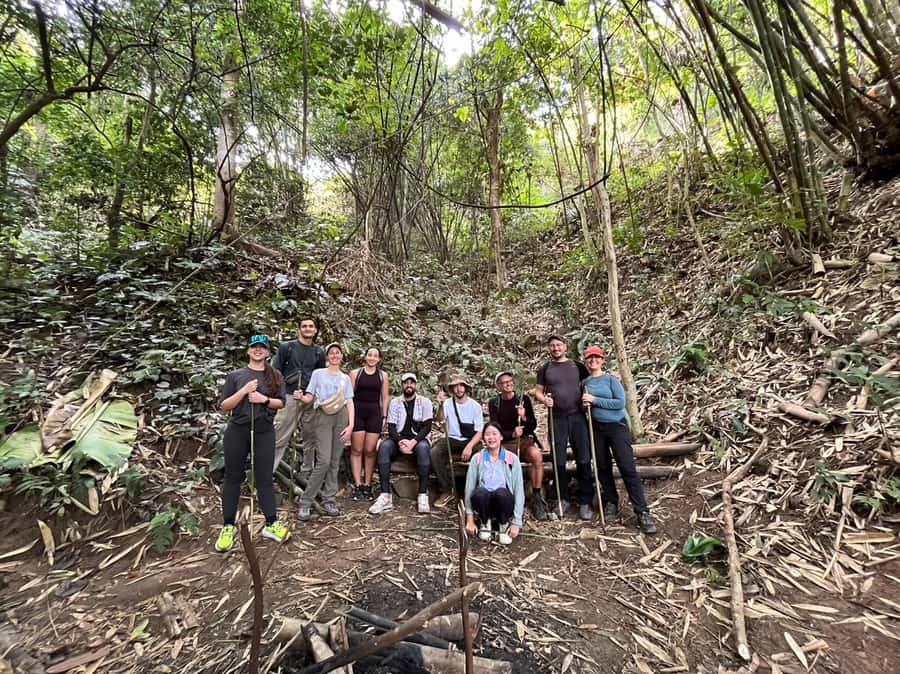
The bamboo cooking lunch is a highlight for a reason: it’s both food and craft. You’ll eat something made using bamboo, and you’re also part of a process that feels rustic and practical. In many cases, guides help lead the cooking, and guests get involved in small helpful tasks rather than doing every step alone—still, it feels fun because you’re right there watching how it works.
One of the best parts is the handmade dining setup. Reviews mention bamboo utensils like chopsticks and spoons, plus plates served using banana leaves. Some guides also make additional items during the hike—like bamboo walking sticks, cups with names, and other small souvenirs.
This matters because it turns the meal into a memory you can hold. You’re not only eating food; you’re seeing tools being made from the same material as the meal. Even if your own role in the cooking is light, the overall experience still feels personal and local.
Food quality gets positive marks too. People repeatedly call the lunch tasty and satisfying, especially after a long walk. If you’re the type who gets annoyed by tours that overpromise, you’ll likely appreciate that this one delivers something tangible: you eat what was prepared, and you understand how it was done.
What the village visits add (and what to expect from them)
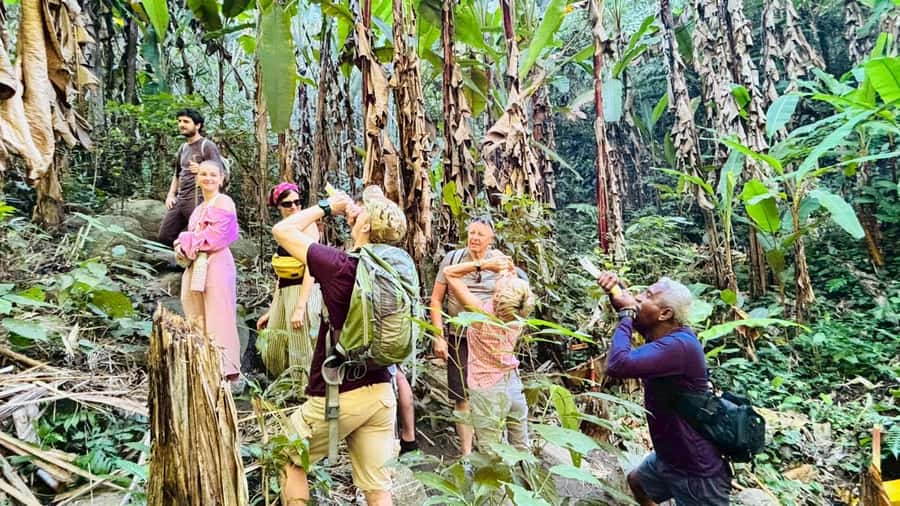
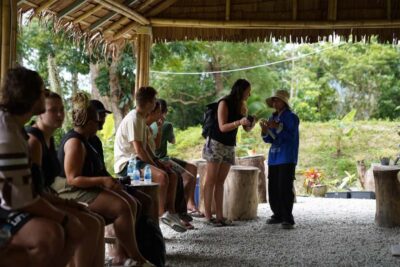
When the route takes you through Lahu, Akha Village, and China Village, you’re getting more than photos. Your guide shares information about the nature around you and about the people whose communities you pass through. Expect explanations that connect plants, daily life, and how villages relate to the surrounding hills.
The guides also tend to keep the group moving while still slowing down enough to answer questions. Many reviews emphasize a sense of humor and storytelling. You might meet guides like Wat or James Bond energy on one day, and on another day you may hear a different guide’s style—Mo, Sammy, Ayu, and others show up in the experiences people shared.
A fun detail: you might even end up with “extra” companions on the trail. One group mentions dogs joining them for part of the hike and then traveling back with them. You don’t need to count on that, but it’s a reminder that this route is alive, not staged.


Pace and fitness: 10–12 km isn’t scary, but it isn’t flat
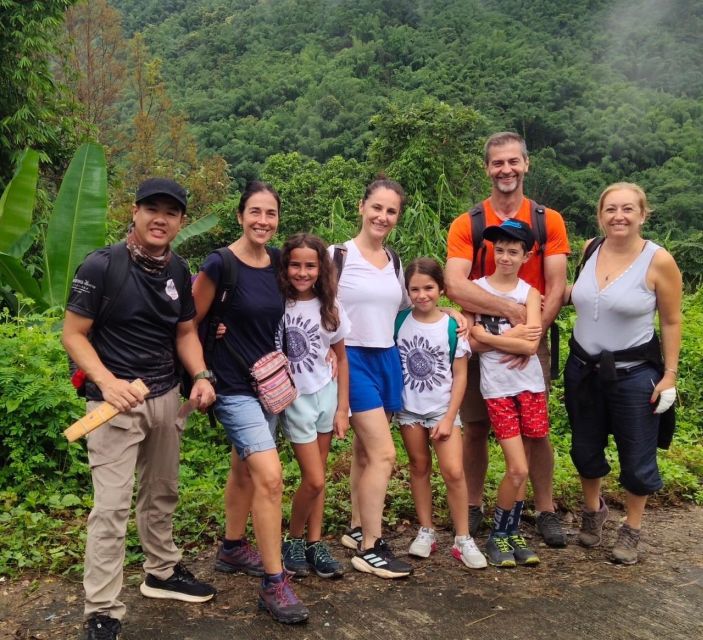
The walking distance is about 10–12 kilometers over roughly 5 hours. That doesn’t sound extreme on paper. In practice, the trail includes uneven ground, river crossings, and up-and-down sections. Several reviews call it moderate and “manageable” with a decent base fitness, but also note that it can be challenging in places, especially uphill and on stony or slippery footing.
Heat and hydration are real factors. One review mentions a case of dehydration/heat exhaustion in the group, which is a clear signal to take water seriously. Bring and drink enough water during the hike, and don’t wait until you feel awful to start sipping.
What I like about the pacing is that there are breaks. Reviews repeatedly mention stops for breath and for photos, plus refreshment breaks that keep the day from turning into a slog. If you can walk for hours and don’t mind uneven trails, you’ll likely feel fine once you settle into the rhythm.
What to bring so the day feels easy
This tour is outdoor-heavy, and your comfort is mostly on you. I’d pack like this:
- Swimwear + towel for the waterfall dip
- Hiking shoes (or sports shoes with grip) for muddy or wet patches
- Sportswear / hiking pants that protect you from scratches and insects
- Bug spray and sun protection (smart move for jungle days)
- A bit of snacks if you like extra insurance between meals
- Snacks and water: even though you’ll get bottled water, plan for extra hydration
If you’re visiting after rainy weather, I’d treat footwear grip as non-negotiable. Reviews mention mud causing slipping and people getting very dirty, plus reminders that grippy shoes can save you from the worst of it.
Also pack a practical mindset. This isn’t a polished day tour where you stay clean and dry. If you’re okay with getting a bit grimy and embracing the adventure, you’ll have a better time.
Small group energy and guide personality
A lot of people praise the guides—not only for facts, but for keeping the mood light. Humor shows up again and again in reviews, along with knowledge about plants and the hill-tribe way of life. That combination makes the hike more than walking: it becomes a guided walk through how the jungle works.
Group size seems to be small based on what people describe, and that matters. In a smaller group, it’s easier to ask questions, take a better pace, and have the guide notice who needs extra time on tougher sections.
One more detail I’d highlight: multiple reviews mention guides making bamboo items for participants—chopsticks, cups, rings, even walking sticks. If you like thoughtful souvenirs that aren’t mass-produced, this tour has that vibe built into it.
Price and value: what $80 buys in a full day of real effort
The price is $80 per person for a one-day adventure that includes transportation to and from downtown Chiang Rai (within 3 km), a bottle of water, a bamboo cooking lunch, and travel insurance. You also get an English-speaking guide and a full-day route that adds up to a true walking experience.
Then there’s the only extra cost to flag: the swimming pool admission ticket isn’t included. It lists 100 THB for adults and 40 THB for children. If you plan to swim (and you probably should, since it’s a featured stop), budget for that.
Does $80 make sense? For me, it does if you value:
- a guided trek that’s more than temples,
- hands-on bamboo lunch with handmade dining tools,
- village context built into the hike,
- and a hot-spring finish that helps you recover.
If you mainly want air-conditioned comfort and short stops, this may feel like more work than you want. But for an active traveler who wants countryside and culture in the same day, it’s a strong value.
Who should book, and who should skip it
This tour fits best if you:
- enjoy hiking and can handle uneven terrain,
- want cultural context beyond Chiang Rai’s temple circuit,
- like the idea of learning through doing (especially the bamboo lunch),
- and appreciate recovery time at mineral hot springs.
I’d think twice if you’re pregnant, have back problems, or use a wheelchair. The day is designed around moderate walking and outdoor conditions, and you’ll be on paths that aren’t built for easy mobility.
Should you book the Chiang Rai Jungle Adventure with bamboo cooking?
If you have an extra day in Chiang Rai and you want something that feels like northern Thailand—not just a checklist—this is a solid choice. I’d book it if you can wear hiking shoes, you’re willing to get a bit dirty, and you want the combo of village visits + bamboo cooking + waterfall swim + hot-spring soak.
Don’t book it if you want an easy stroll or if cold water and slippery rocks will make you miserable. The trail can be slippery, and the waterfall dip is included as part of the experience. If you show up prepared, though, it’s the kind of day that leaves you tired in the best way—and warm in the end.
If you’d like, tell me your travel month and fitness level (and whether you plan to swim). I can help you decide how aggressive to pack for weather and shoes.
FAQ
How long is the tour and how much walking is involved?
It’s a one-day tour with about 10–12 kilometers of walking and roughly 5 hours to complete the route.
What language is the guide?
The live tour guide speaks English.
Is the waterfall swim included, and what do I need for it?
The tour includes a waterfall dip. Bring swimwear and a towel. The swimming pool admission ticket is not included: 100 THB for adults and 40 THB for children.
What’s included in the $80 price?
The package includes transportation to and from downtown Chiang Rai (within 3 km), a complimentary bottle of water, a bamboo cooking lunch, and travel insurance.
What time is pickup in Chiang Rai?
You should be ready in your hotel lobby at 9:00 a.m. Pickup begins promptly at that time, and you’ll be returned to the same meeting point after the tour.
Is this tour suitable for everyone?
It is not suitable for pregnant women, people with back problems, or wheelchair users. The hike is described as moderate, with outdoor conditions and uneven terrain.