REVIEW · PHUKET
Phuket:Beach walk with elephants, rain & care. 2.5 hours
Book on GetYourGuide →Operated by Lily Elephant Camp Phuket · Bookable on GetYourGuide
If you want elephants without the circus vibe, this fits. Lily Elephant Camp’s coastal setting gives you a jungle walk and a sea bath with elephants, plus time to feed and care for them. I love the hands-on pace here, and I also love the way guides talk about elephant welfare and daily care. One watch-out: the full day can run longer than you expect once you factor in pickup and drop-offs.
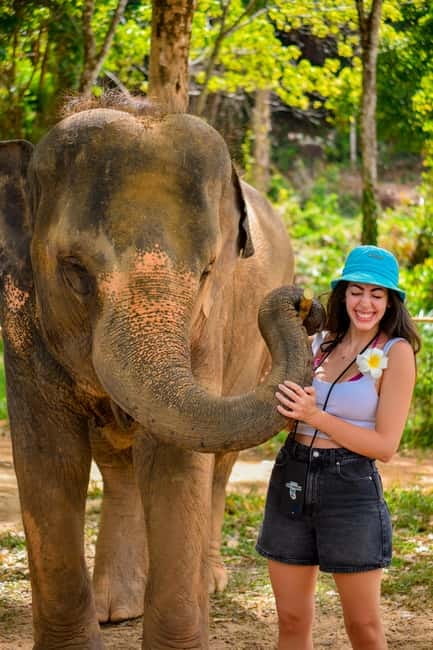
The best parts for me were the beach time and the chance to take part in small “care” actions, not just pose for photos. You’ll walk in nature for about 15 to 20 minutes, then brush and bathe elephants at a private beach with ocean views, including a fun rainshower moment. The main drawback is that you should go in with realistic expectations about crowding, since some groups can be large even if the elephants only have a handful of handlers.
In This Review
- Key Things I’d Pencil Into Your Day
- Lily Elephant Camp’s Coastal Setting: Why the Location Matters
- Your 2.5-Hour Flow: From Pickup to Jungle Walk to the Water
- Jungle Time With Elephants: What It Feels Like and What to Expect
- The Private Beach Session: Brushing, Bathing, and Rain Showers
- Feeding With Herb/Vitamin Balls: Your Hands-On Moment
- Sea Bathing With Elephants: The Moment Most People Remember
- Guides, Education, and the Ethics Conversation (Including Kim)
- Group Size, Photo Costs, and How to Avoid Extra Stress
- What You’ll Pay: $59 for an Elephant Care Day (and What’s Extra)
- Practical Packing List: The Stuff That Keeps the Day Easy
- Who This Experience Suits Best in Phuket
- Should You Book Lily Elephant Camp’s Elephant Beach Walk?
- FAQ
- How long is the elephant beach walk experience?
- Is hotel pickup included?
- What does the experience include?
- Are there transfer fees if I book without transport?
- What should I bring?
- What is not allowed during the tour?
- Can I cancel for a refund?
Key Things I’d Pencil Into Your Day
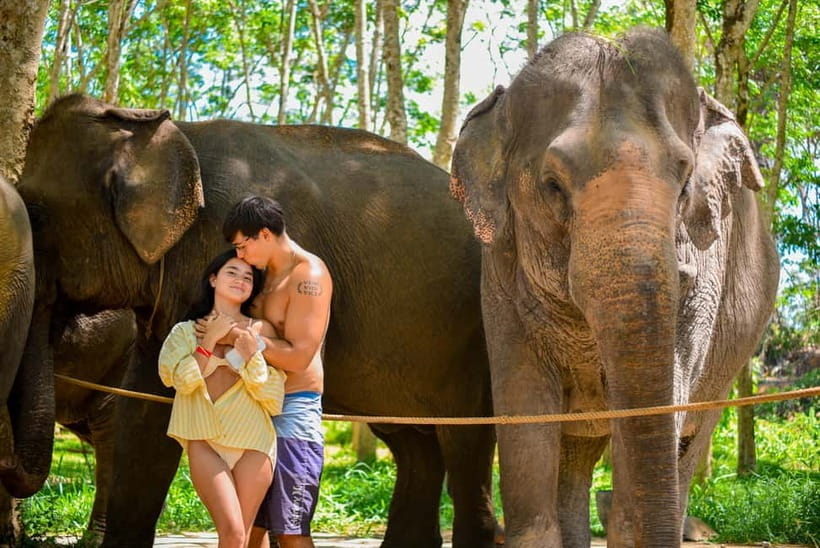
- Private beach interactions in Phuket: a walk, brushing, bathing, and a rainshower setup right on the coast
- A short jungle walk (15–20 minutes): enough to feel like nature, not a long hike
- You prepare herb/vitamin balls: you actively help feed with natural supplement-like treats
- Sea bathing is the headline: swimming with elephants in a seaside setting, then showering afterward
- Elephant welfare messaging is part of the program: the camp emphasizes conservation education and hands-off care choices
- Guide support you can count on: English-speaking tours, with staff who work to keep the flow calm
Lily Elephant Camp’s Coastal Setting: Why the Location Matters
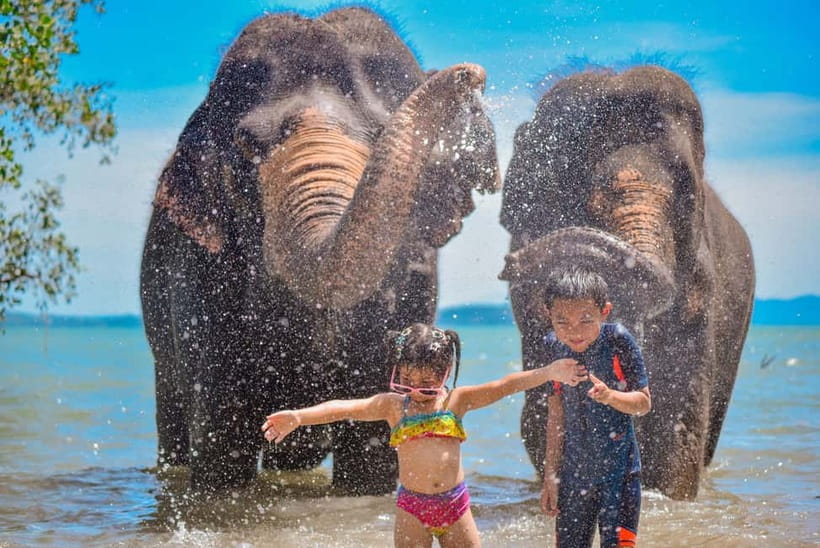
Lily Elephant Camp is in Phuket, but it feels different from the inland elephant places. The big reason is the coast: your “after the jungle” moment happens on a private beach with ocean views, so the experience stays fresh and varied instead of repeating the same activity three times.
The camp itself is described as a 20-acre natural habitat, established in 2023 after relocating from Siray to the Yamu/Paklok area. That relocation matters for your visit because the program is built around a natural daily rhythm—walking, feeding, and bathing—rather than rushing through a single performance-style track.
Also, pay attention to the vibe the staff set. The camp talks about conservation and education, and they specifically highlight that elephants are not kept for chains, riding, or torture. In a country where elephant attractions can vary wildly, that’s the first green flag I look for before I spend money.
You can also read our reviews of more tours and experiences in Phuket.



Your 2.5-Hour Flow: From Pickup to Jungle Walk to the Water
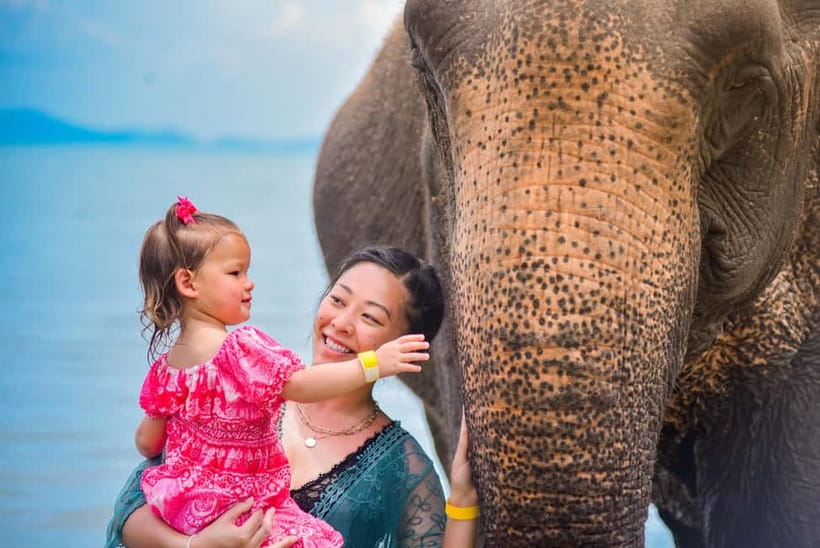
The main program runs about 150 minutes, usually framed as 2 to 2.5 hours once you arrive at the camp. In practice, your door-to-door time can stretch longer because pick-ups and drop-offs may go to multiple Phuket areas, and you might be first collected and last dropped off.
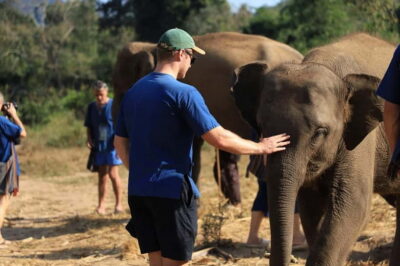
Once you’re at Lily Elephant Camp, the day starts with the wildlife viewing time. The core movement is simple: you go for a walk with elephants in nature for roughly 15 to 20 minutes. It’s short enough that you’re not exhausted, but it’s long enough that you can actually notice the elephants’ calm pace and the staff’s handling style.
Then the schedule pivots hard to the coast. You’ll shift into feeding and beach bathing activities, and later the sea bathing portion becomes the big emotional peak for most people. If you’re comparing elephant experiences, this structure is one of the reasons this one gets such strong ratings: it doesn’t feel like one long wait between photos.
Jungle Time With Elephants: What It Feels Like and What to Expect
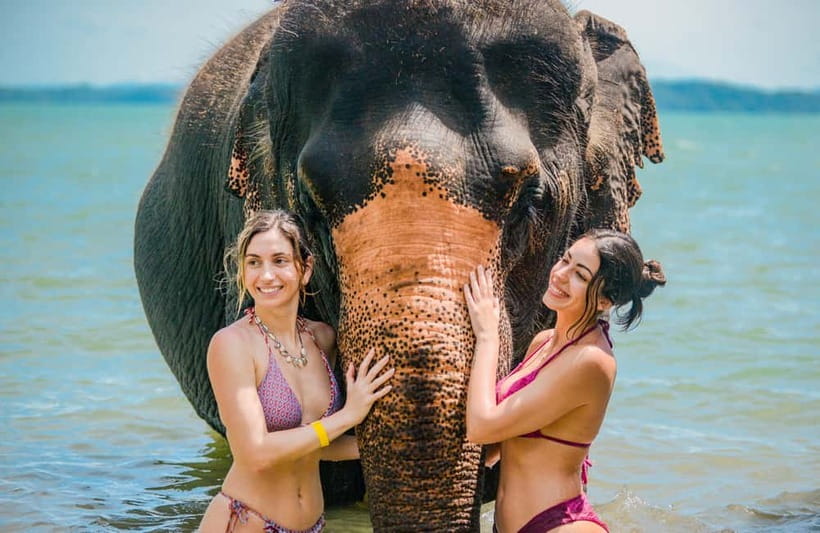
That 15–20 minute walk is the “bridge” between the camp and the water. You’re close enough to see everyday elephant behavior, but the interaction stays guided and controlled, with caretakers managing the pace.
What I like about this segment is that it doesn’t try to sell you a fantasy. You’re not “riding,” there’s no forced posing, and you’re not asked to do anything overly complicated. Your job is mostly to follow instructions, stay aware of your footing, and enjoy the fact that you’re walking in nature with elephants that aren’t being used for show tricks.
This is also where photos can be tricky if you’re the type who wants perfect angles. Because it’s outdoors and movement happens, you’ll get better results when you accept “real moments” over studio shots. If you’re the thoughtful type, you’ll probably also enjoy listening as guides explain elephant care routines and behavior signals.
The Private Beach Session: Brushing, Bathing, and Rain Showers
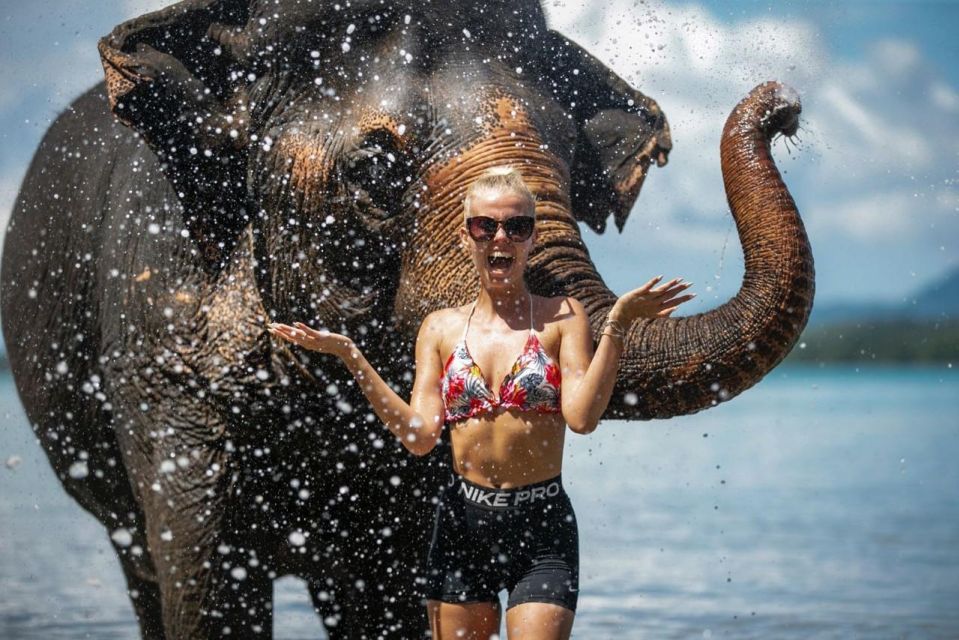
The standout here is that beach segment. You’ll bathe and brush elephants at the sea edge, and the setting is specifically described as a private beach with ocean views. It’s a rare Phuket elephant format because so many experiences end up being land-based or centered on staged performances.
You’ll likely do a few steps of “care” style interaction: brushing and washing are part of the experience, and you can feel the staff trying to keep it gentle and coordinated. There’s also a refreshing rainshower with elephants, which sounds like a gimmick until you realize it’s basically a wet-season-style rinse moment that fits the elephants’ comfort and the beach environment.
Here’s the practical bit: plan on getting wet. You’ll want swimwear and a change of clothes ready, plus a towel. Even if you’re careful, you’ll still get sea spray and rinse water during the bathing rounds.
And yes, the elephant-human closeness can feel intense at first. Your best strategy is to slow down. Let the caretakers direct your movement, keep your hands and feet where you’re told, and focus on the elephants’ calm body language.
Feeding With Herb/Vitamin Balls: Your Hands-On Moment
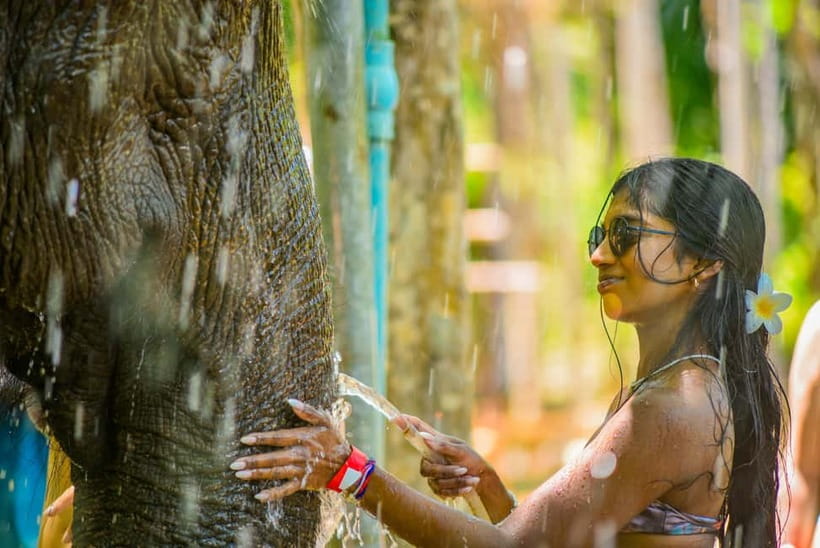
One of the best value parts of this tour is that you don’t just watch feeding. You prepare vitamin balls (herb balls) as part of the activity, then you use those to feed the elephants. It’s a small role, but it makes a difference emotionally.
You’ll also prepare natural supplement food as part of the wrap-up. Think of it as a short introduction to how caretakers support elephant health with diet tools, not just a snack handout for tourists. When people leave happy here, it’s often because they feel like they contributed to a care routine rather than only treated the elephants like attractions.
If you have food allergies or a medical condition, you’ll want to note it in advance so the team can guide you appropriately. The camp also advises bringing cash, which suggests you may want to buy extra items on-site like professional photos.
A quick, common-sense tip: bring sunscreen that won’t wreck the water. The camp calls for biodegradable sunscreen and biodegradable insect repellent, which is exactly what you’d hope to see for a coastal sanctuary.





Sea Bathing With Elephants: The Moment Most People Remember
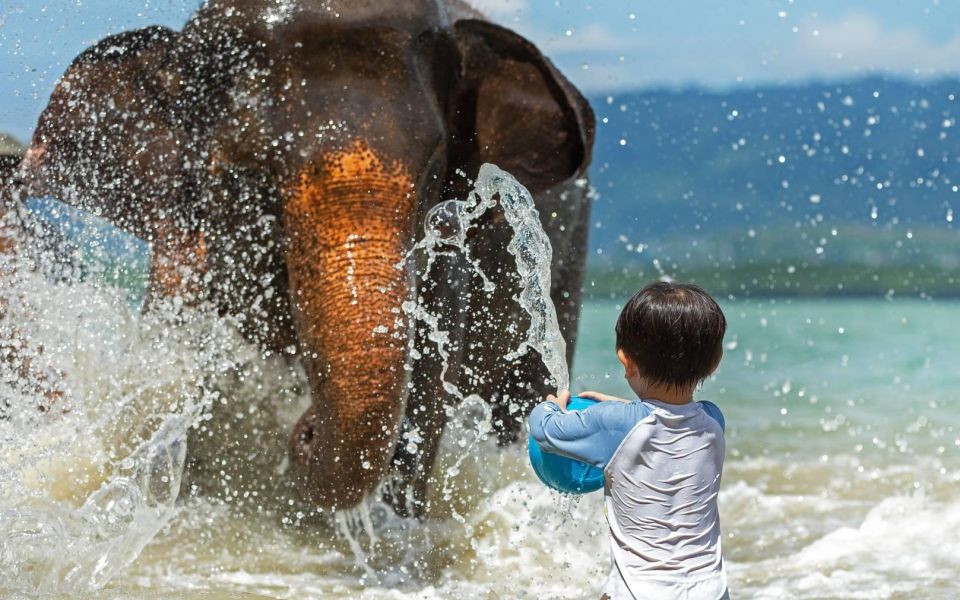
This is the headline for a reason: you get to bathe with elephants in the sea. After the beach brushing and showering, the program shifts into swimming and sea bathing, then ends with bathing them and yourselves.
For many people, this is the single most memorable segment because it feels less like an interaction and more like shared time in the water. The elephants are doing what elephants do—wallowing, moving, and cooling off—while you’re safely in their orbit.
One practical caution: sea conditions and footing can matter. There’s at least one account of a cut from sharp rocks and a sea urchin when rubber shoes were delayed. The tour data doesn’t promise smooth, sandy entry points, so bring water shoes if you own them, or at least be ready to protect your feet.
Also plan your pacing. This is not a long beach party. It’s active, wet, and hands-on, but still organized and scheduled. If you’re hoping for a slow stroll with minimal getting wet, this may feel more active than you expect.
Guides, Education, and the Ethics Conversation (Including Kim)
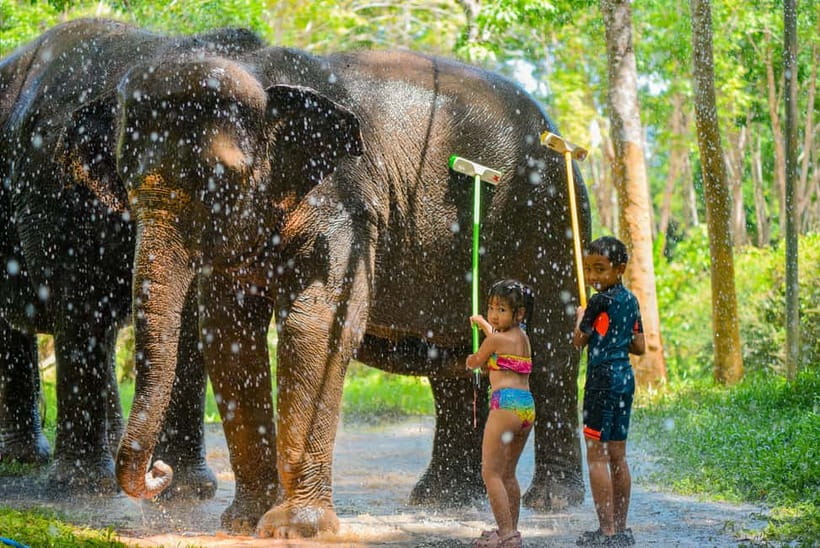
The camp frames itself as an education and conservation stop, and the program includes explanations from English-speaking volunteers and guides. In the reviews, Kim stands out by name as a helpful, funny, and knowledgeable guide who made people feel supported and informed.
The camp also talks directly about why certain elephant activities are unethical. They emphasize freedom from chains, riding, or torture, and they provide context for why sanctuaries exist at all. Some elephants arrive with complicated pasts, including earlier use for labor or injury, which is part of why the camp positions itself as a care option for elephants that can’t survive like wild elephants.
I’ll be balanced here: elephant-related tourism can make anyone uneasy, even when it’s marketed as humane. The most useful way to decide is to focus on behaviors you can observe: Are elephants free from chains? Are they controlled without riding? Are caretakers treating them as individuals instead of performing tricks? Lily Elephant Camp’s written description and the tone of the guide education match the “sanctuary” direction that many ethical travelers look for.
If you want to go in confident, ask the team questions during the briefing. Find out how elephants are managed in water, how they’re monitored, and what daily routines look like. A well-run sanctuary won’t mind questions.
Group Size, Photo Costs, and How to Avoid Extra Stress
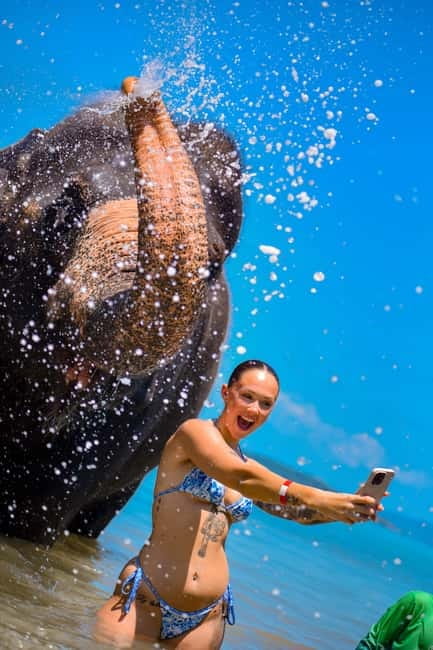
Even when the experience is well organized, group size can affect your feeling of closeness. One account describes around 40 visitors for 5 elephants, with enough time to interact and take pictures individually. That means you should expect some waiting and turnover between people, especially during the busiest water sections.
Photo packages are also where costs can surprise you. Professional photography is offered as an optional extra starting at 300 THB, and one review called out a much higher price point for digital photos. Since pricing can vary by package and promotion, it’s smart to treat professional photos as optional and decide on the day only after you see what you’re actually getting.
My advice: take your own photos early, and then if you still want the professional shots, decide based on image quality and what format you’ll receive. That keeps you from feeling pressured or disappointed later.
What You’ll Pay: $59 for an Elephant Care Day (and What’s Extra)
The price listed is $59 per person, and that seems fair when you look at what’s included. You’re not just buying a “look at elephants” visit. You’re paying for a coordinated 150-minute program that includes feeding, jungle walking, sea bathing, brushing and showering, English/Thai guidance, and accident insurance.
Transfers can change the final cost depending on where you stay. Hotel pick-up and drop-off for Phuket City, Old Town, Kata, Karon, and Patong are included only if you pick the transport option at booking. If you’re not in those zones, the shuttle fees are listed as 300 THB per person for standard transfer zones, and 750 THB per person if you booked Program Only and later want shuttle service.
So here’s the value equation I’d use: if you live in one of the pickup areas, you’ll likely feel like the price is tightly packed with services. If you’re farther out, you’ll want to add transfer costs to your mental budget before you book.
Practical Packing List: The Stuff That Keeps the Day Easy
For a day that includes sea bathing and brushing, you want comfort more than fashion. Bring swimwear, a towel, and a change of clothes, plus sunscreen and sunglasses.
The camp also asks for biodegradable sunscreen and biodegradable insect repellent, which is an easy “do the right thing” add-on. You’ll also want a sun hat and camera.
And if you have sensitive feet, seriously consider water shoes. The sea portion is the one place where footing and surfaces could be unpredictable, and one sharp-rock/seating incident was mentioned in feedback.
Finally, if you have allergies or medical conditions, note them in advance. The program includes feeding and sea water time, so it’s better to be proactive.
Who This Experience Suits Best in Phuket
This is a great match if you want a hands-on elephant interaction without riding and without the circus-style shortcuts. It’s also a good pick if you like structured time: you’ll get a jungle walk, beach care moments, and sea bathing in one guided block.
It’s especially suited to people who value conservation education as part of the day, not just a photo stop. If you’re traveling with kids, family-friendly feedback was strong, and the interaction is active enough to keep younger visitors engaged.
If you’re a person who hates getting wet, this might not be for you. The program is built around bathing, showering, and sea time, so plan for that from the start.
Also, if you want a quiet, private feel with no waiting, you may prefer a smaller-group format. Some groups are large, even if time with elephants is managed.
Should You Book Lily Elephant Camp’s Elephant Beach Walk?
Yes, if your priorities are elephant care, water-based interaction, and an educational briefing that addresses elephant welfare directly. The best argument for booking is the combination: jungle walking plus private beach brushing and bathing plus sea bathing, all within a 150-minute program that’s organized and staff-led.
Book with a realistic plan for the day. Your time may stretch due to Phuket pickup/drop-off routing, and you should assume you’ll get wet. If you’re sensitive to crowds, go in expecting some turnover between participants, even if staff keep things flowing.
Before you pay, I’d quickly check two things with the team: confirm how they manage elephant welfare rules in practice, and ask about photo costs so there are no surprises. If those answers make you comfortable, Lily Elephant Camp is a solid, values-forward way to experience Phuket elephants without the worst industry habits.
FAQ
How long is the elephant beach walk experience?
The program runs about 150 minutes, often described as 2 to 2.5 hours at the sanctuary.
Is hotel pickup included?
Hotel pick-up and drop-off for Phuket City, Old Town, Kata, Karon, and Patong are included only if you select the transport option during booking.
What does the experience include?
It includes feeding elephants, jungle walking with elephants, brushing and bathing them, and bathing with elephants in the sea, plus an English-speaking tour guide and accident insurance.
Are there transfer fees if I book without transport?
Yes. Standard transfer zones are listed at 300 THB per person. If you booked Program Only and later want shuttle service, the fee is listed as 750 THB per person.
What should I bring?
Bring swimwear, a change of clothes, a towel, sunglasses, a sun hat, camera, sunscreen (biodegradable if possible), and biodegradable insect repellent.
What is not allowed during the tour?
Drones are not allowed.
Can I cancel for a refund?
You can cancel up to 24 hours in advance for a full refund.