REVIEW · PHUKET
Phuket: Half Day Easy Thai Cooking Class & Local Market Tour
Book on GetYourGuide →Operated by Phuket Easy Thai Cooking · Bookable on GetYourGuide
Start your Phuket day with a market plan. This half-day Phuket Easy Thai Cooking Class pairs a local market tour with hands-on cooking, in a small group led by instructors such as Tik. You pick fresh ingredients, taste key items along the way, then cook your way through classic Thai dishes.
One possible drawback: you’ll likely finish with a full stomach and leftovers you didn’t plan for.
In This Review
- Key things that make this class worth your time
- Phuket Market to Kitchen: How the 4-hour experience flows
- Morning or afternoon: choosing the best time slot
- Market tour first: why this Phuket ingredient hunt matters
- Kitchen garden moment: fresh ingredients in a small, serious space
- Your cooking class setup: stations, prep rules, and the workflow
- Menus by day: what you might cook in Phuket
- How the teaching style helps you actually cook later
- The food is the point: what you should expect to eat
- Price and value: is $68 fair for a half-day in Phuket?
- Who should book this Phuket Easy Thai Cooking Class
- Practical considerations: rules and expectations you should know
- Should you book this cooking class in Phuket?
- FAQ
- How long is the Phuket half-day cooking class?
- Are there morning and afternoon classes?
- What time is hotel pick-up for each session?
- Is English instruction provided?
- What is the group size limit?
- Which areas include roundtrip transportation?
- How much does it cost?
- What dishes are included?
- Are alcohol or drugs allowed?
- What are the rules for cancellation?
Key things that make this class worth your time
- Hotel pick-up built in from Kata, Karon, Patong, Rawai, and Phuket town for the morning or afternoon departure.
- Small group size (up to 10), so you’re not just watching from the back row.
- Market ingredient shopping first, not afterthought shopping at a grocery store.
- A clean, organized kitchen setup, with separate prep and cooking spaces.
- Daily menus change, so you can pick the day that matches the dishes you crave most.
- English instruction and take-home food, so you can recreate the dishes later.
Phuket Market to Kitchen: How the 4-hour experience flows
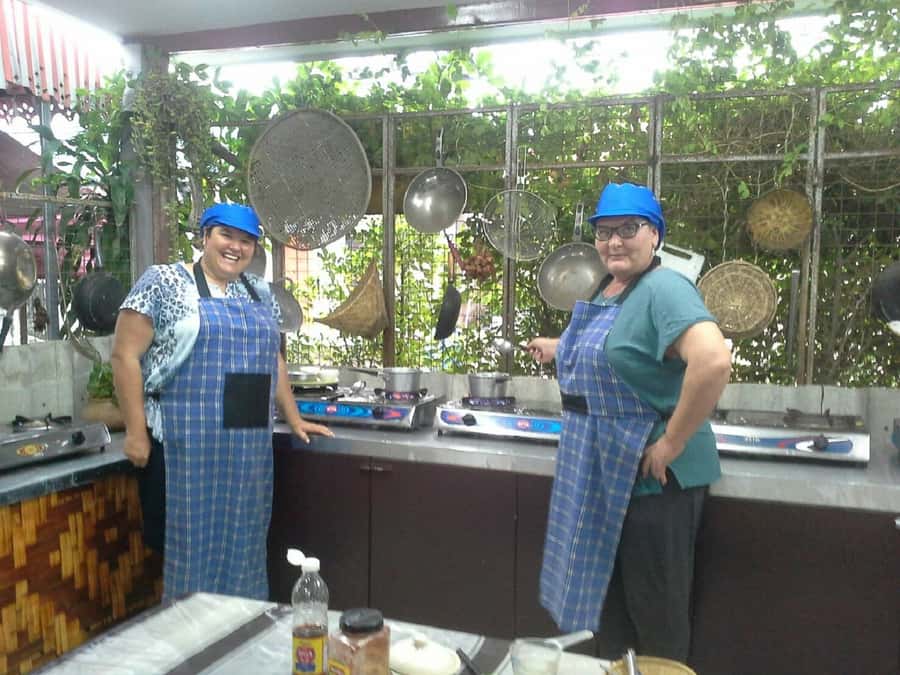
This is a half-day, hands-on Thai cooking class in Phuket that starts with a local market and ends with you eating what you make. The big idea is simple: Thai flavor doesn’t come from a mystery paste. It comes from the right ingredients, cut and cooked the right way, and balanced at the stove.
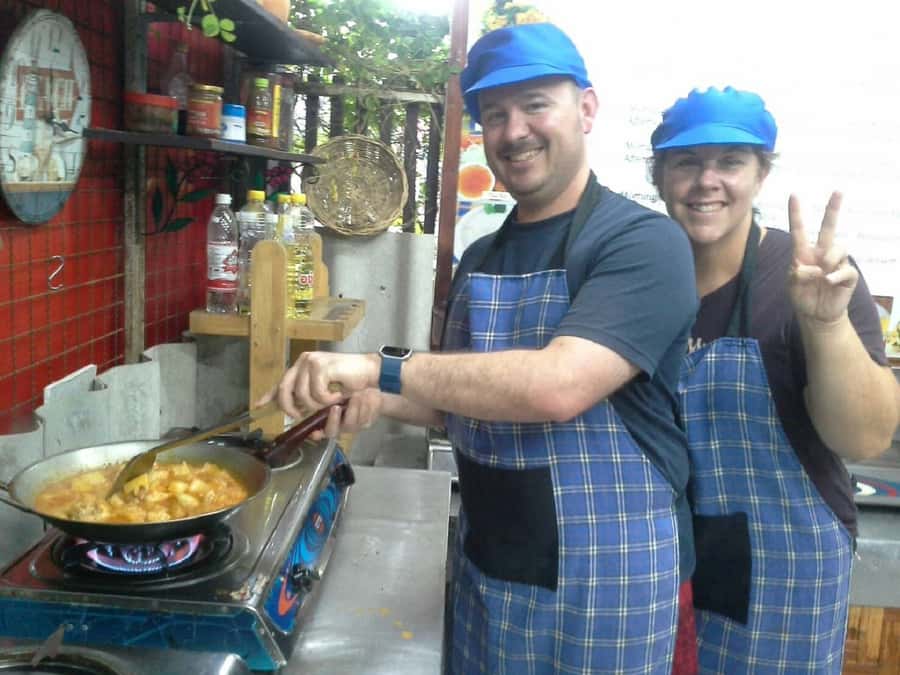
The class runs for about 4 hours, with hotel pick-up timed to either the morning or afternoon session. Either way, you’re doing two things that matter: selecting fresh ingredients at the market, then cooking multiple dishes yourself under clear guidance.
Most people expect a cooking lesson. What they often get is a food lesson plus a confidence boost. You learn how the ingredients connect to the final dish, not just the steps.
You can also read our reviews of more tours and experiences in Phuket.



Morning or afternoon: choosing the best time slot
You get two standard options: a morning class starting at 9:30 AM or an afternoon class starting at 2:30 PM. Pick-up is included and is scheduled for 9:00 AM for the morning session, and 2:00 PM for the afternoon session.
That small timing difference can really change your day. If you want this to be a “main event” that anchors your schedule, the morning slot helps. If you’re trying to keep your Phuket afternoon open for beaches, shopping, or sunset plans, the afternoon slot is often the easier fit.
Either way, you’re still getting the full flow: market tour first, then kitchen prep and cooking, then you eat what you cook.
Market tour first: why this Phuket ingredient hunt matters
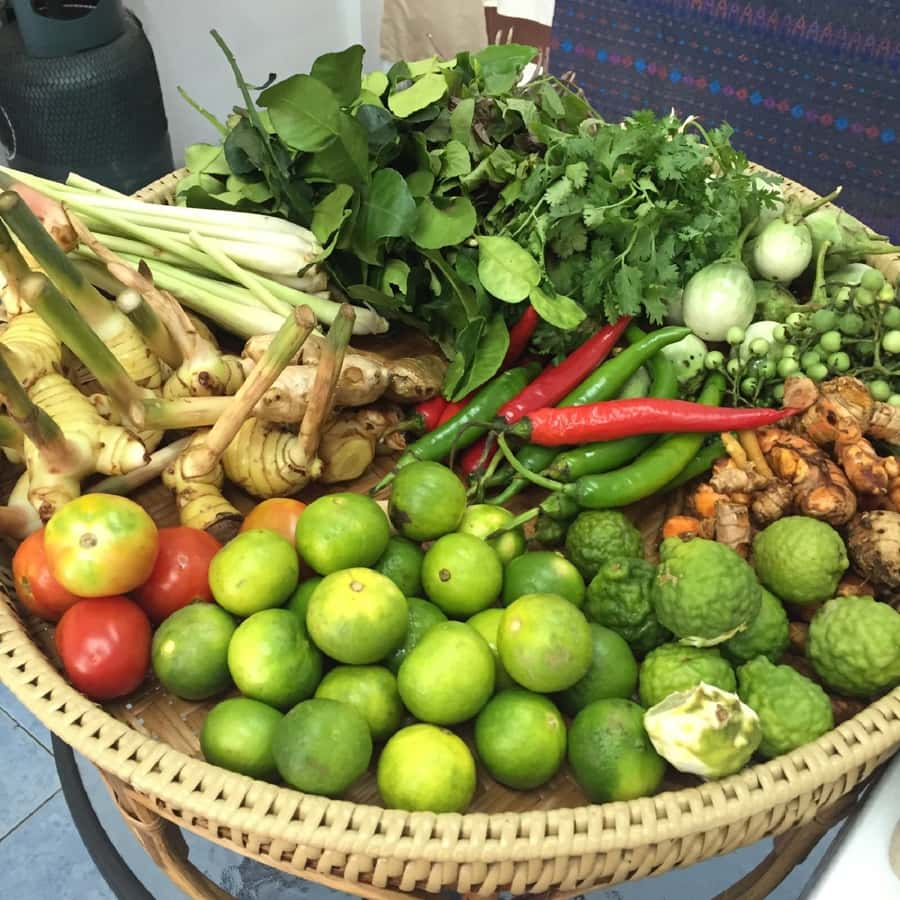
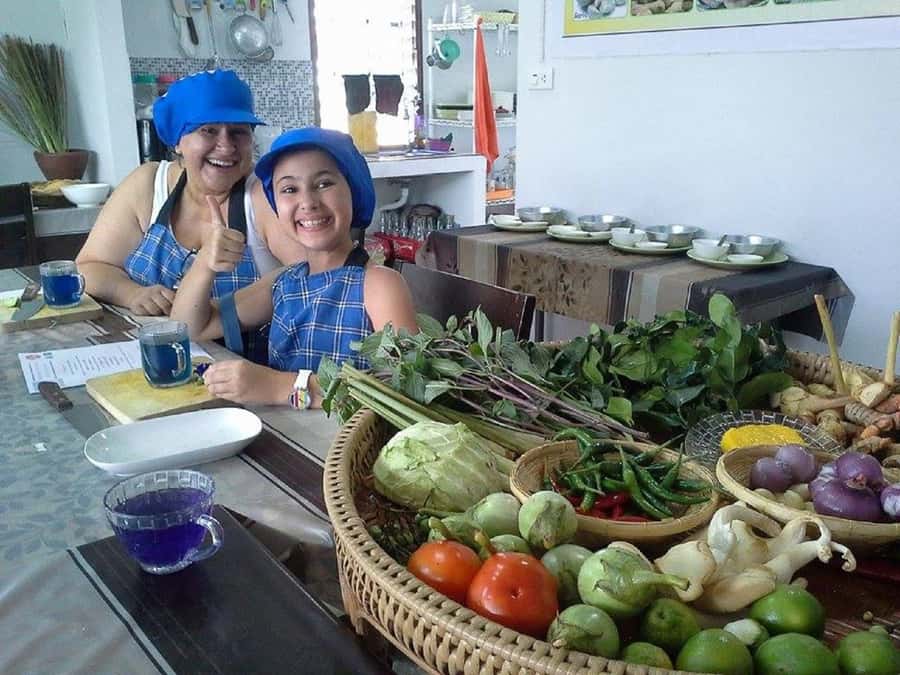
The market part is where the whole class makes sense. Before you ever touch a wok, you’re learning what ingredients are actually used in Thai cooking and why they’re chosen. You also get to taste components at the market, which helps you understand flavors before they hit the heat.
You’ll be shopping for the ingredients tied to that day’s menu. That makes the shopping feel purposeful, not random wandering. And because the class is built around fresh ingredients, you get a practical lesson you can use at home: how to think about quality, not just recipes.
One useful detail: the market visit isn’t only educational. It gives you a head start on cooking. When you later prep those same ingredients in the kitchen, you already know what you’re looking at.
Kitchen garden moment: fresh ingredients in a small, serious space
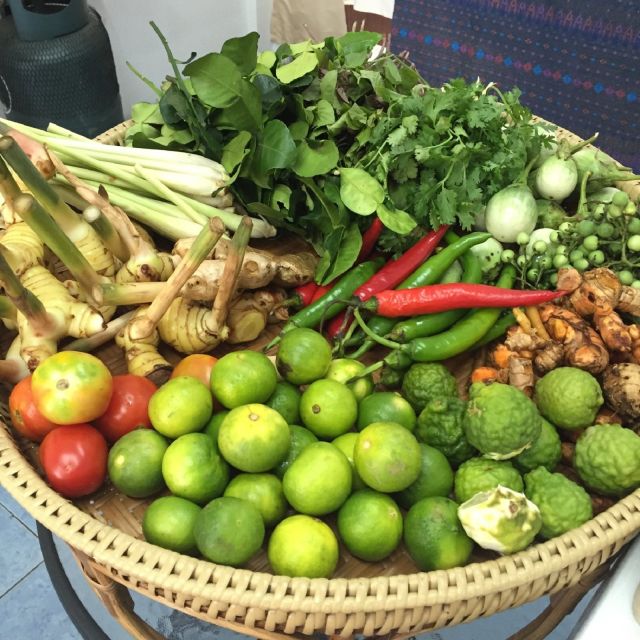
A highlight of this experience is the chance to pick ingredients from a small but impressive kitchen garden. That matters more than it sounds. Garden-fresh herbs and vegetables can taste sharper and cleaner, and Thai cooking leans heavily on herbs, aromatics, and fresh balance.
This is also part of why the class feels authentic. You’re not only copying dishes. You’re learning how Thai cooks treat ingredients as flavor tools.
If you care about the details behind real Thai taste, this garden stop turns the class from fun to memorable.
Your cooking class setup: stations, prep rules, and the workflow
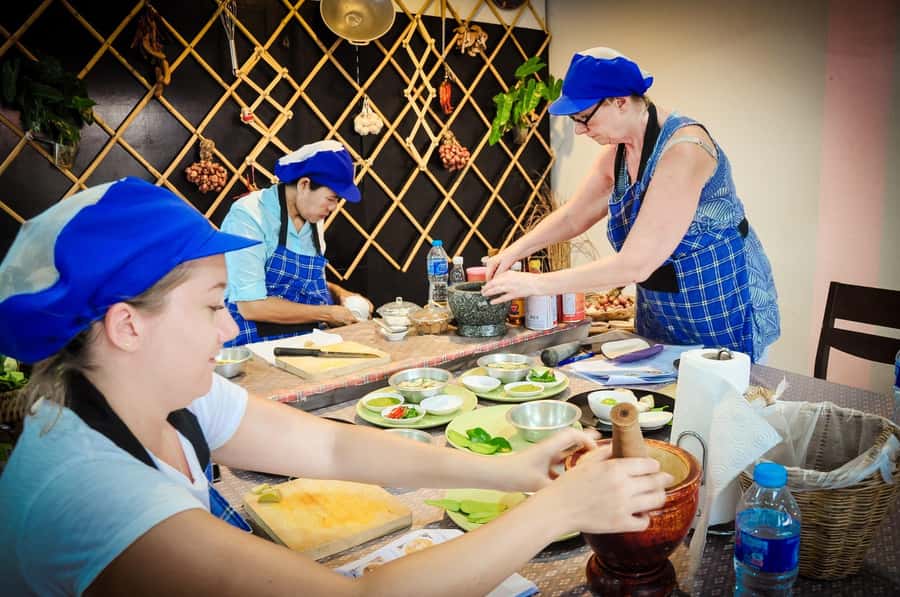
Once you arrive at the cooking school, the setup is designed to keep things organized and sanitary. You’re typically assigned your own cooking station, and you’re guided through prep steps like cleaning, cutting, and getting ingredients ready.
One key practical note from experience at this type of class: Thai cooking is fast once you start cooking. So the workflow usually includes a mix of teacher demonstration plus hands-on time at your station. You may not personally cook every single minute of every dish end-to-end, because they’re working through a set menu efficiently. If you’re the type who wants total control of every stir and flip, keep that in mind.
The kitchen has two different areas: one for food preparation that’s air-conditioned, and a cooking area that is not air-conditioned. That’s a good thing to know ahead of time. You’ll be thankful for the cooler prep area, and you’ll want to pace yourself in the cooking space.





Menus by day: what you might cook in Phuket
This class changes the menu depending on the day. That’s part of the charm—and it’s also how you should choose which session to book.
Here are the sample menus by day, so you can match your cravings:
Monday
- Morning: Tom yam kung, Phad thai, Green curry, Mango sticky rice
- Afternoon: Chicken satay, Tom kha kai, Phad see-ew, Mango sticky rice
Tuesday
- Morning: Fish cake, Papaya salad, Panang curry, Deep fried banana
- Afternoon: Tom yam kung, Phad thai, Green curry, Deep fried banana
Wednesday
- Morning: Tom yam kung, Phad thai, Green curry, Banana in coconut milk
- Afternoon: Fried chicken cashew nut, Tom kha kai, Fried basil leaves, Banana in coconut milk
Thursday
- Morning: Spring rolls, Paneang curry, Tom kha kai, Mango sticky rice
- Afternoon: Tom yam kung, Phad thai, Green curry, Mango sticky rice
Friday
- Morning: Tom yam kung, Phad thai, Green curry, Deep fried banana
- Afternoon: Fried chicken in oyster sauce, Spring roll, Tom kha kai, Deep fried banana
Saturday
- Morning: Massaman curry, Spring rolls, Tom yam kung, Banana in coconut milk
- Afternoon: Red curry, Larb, Tom kah kai, Banana in coconut milk
Special Sundays
- Choose 3 Thai main course dishes plus a Thai dessert
- This menu requires a minimum of 2 persons
If you’re planning around specific dishes, your best move is to pick the day that lines up with your favorites. The class isn’t just “a cooking class.” It’s a menu you get to influence.
How the teaching style helps you actually cook later
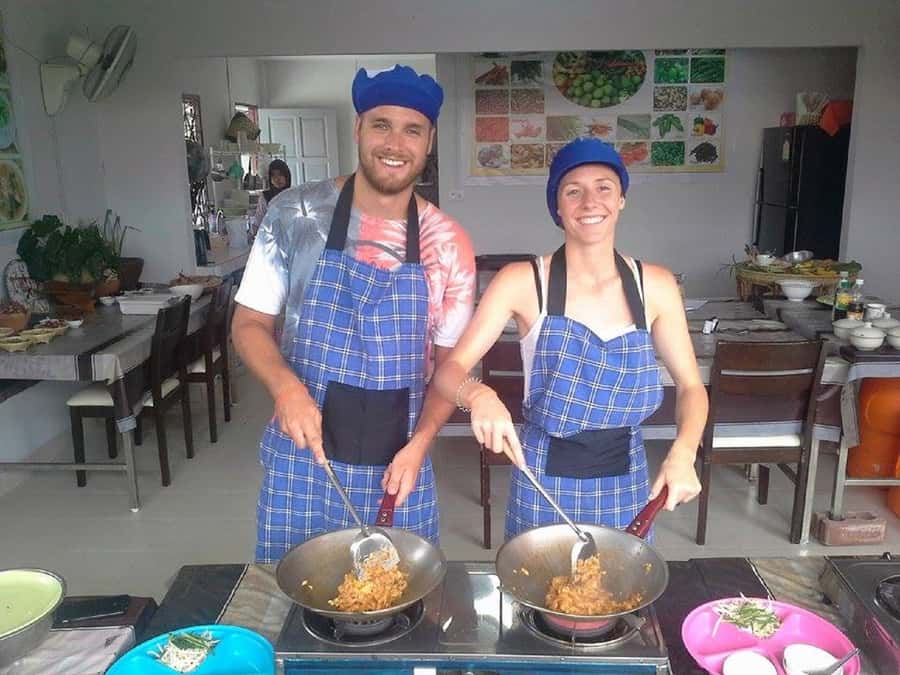
The best cooking classes make you feel capable by the end. This one leans on clear guidance and step-by-step help, including teaching you what ingredients contribute to each dish.
Instructors in the program include English-speaking chefs such as Tik, along with other instructors like Rosa and May (and additional team support). A common theme across these experiences is that the teaching stays friendly and focused, so beginners aren’t left behind.
You also get recipes after the class, often delivered as an e-cookbook. That’s a practical advantage. Thai cooking can feel intimidating until you have your own recipe list from the exact method you learned.
The food is the point: what you should expect to eat
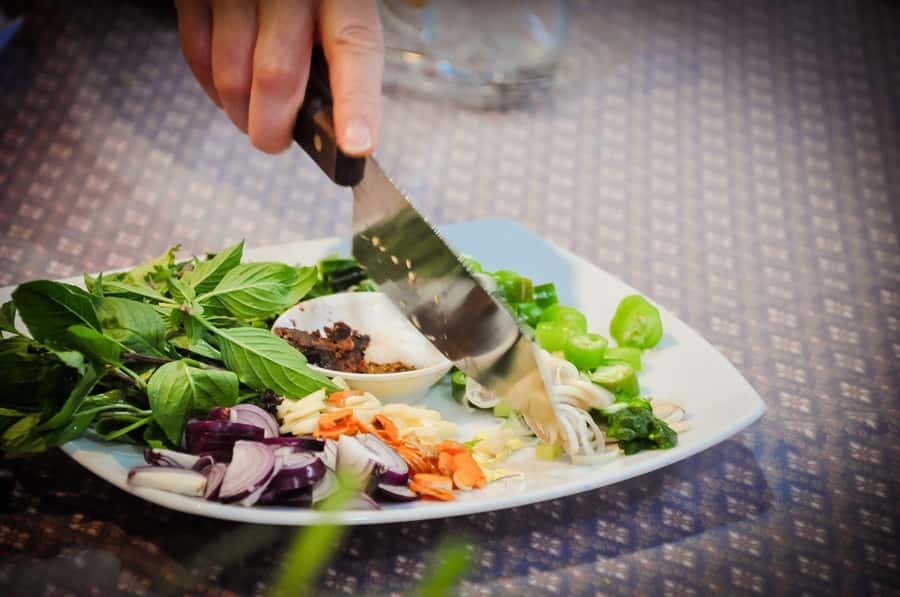
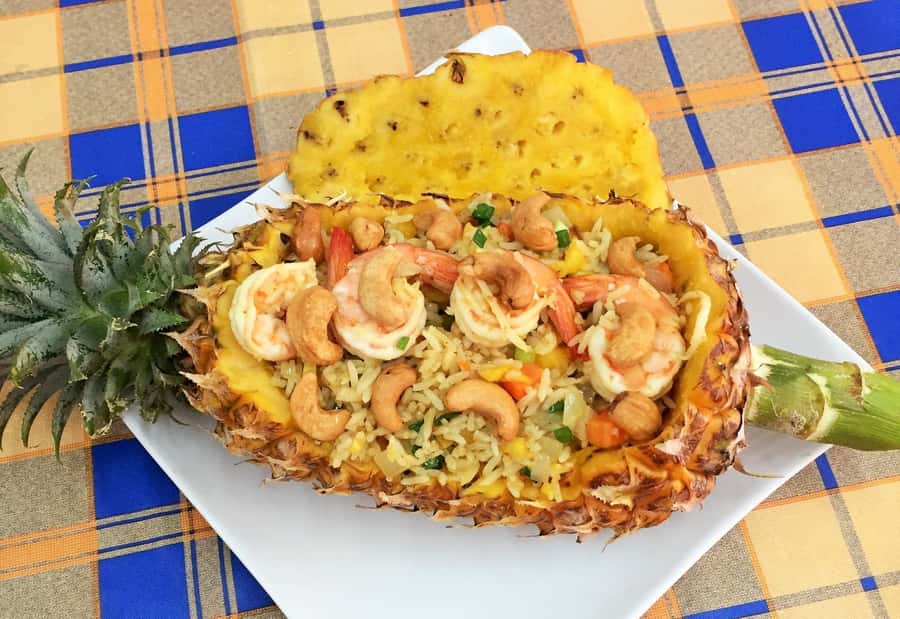
You’ll eat the dishes you cook. The portions are generous, and many people leave with more food than they expected. Takeaway boxes are commonly provided, which turns leftovers into tomorrow’s lunch plans.
Because you’re eating a multi-dish meal, it’s smart to treat the class like your main food event. If you go in hungry and pace yourself, you’ll enjoy the variety. If you go in full, you may get overwhelmed by the sheer amount of delicious food on the table.
Also note that the cooking area can get hot since it’s not air-conditioned. That’s another reason you’ll want to go into the kitchen ready to work at a steady pace.
Price and value: is $68 fair for a half-day in Phuket?
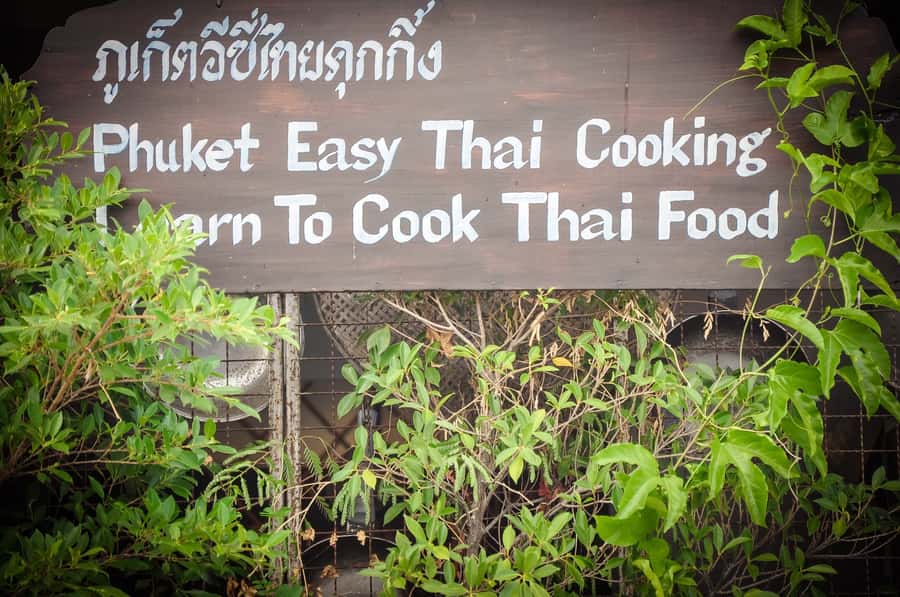
At $68 per person for a 4-hour experience, the value is strongest when you look at what’s included. You’re getting:
- the market ingredient tour,
- all ingredients,
- a small-group cooking class with English instruction,
- and roundtrip transportation from many popular Phuket areas.
When you compare that to the real costs of ingredients plus a guide plus transport, the price starts to make sense—especially in a market where private tours can add up quickly.
Transport coverage is also a big part of the value. Pickup is included from Kata, Karon, Patong, Rawai, and Phuket town. If you’re staying elsewhere, there’s an extra fee for pickup:
- Kamala, Surin, Ao Makham, Cape Panwa, or Koh Sirah: THB300 per person
- Bang Tao or Laguna: THB400 per person
- Nai Yang beach, Nai Ton beach, Mai Khao, or Ao Por: THB600 per person
- Nai Yang beach, Nai Ton beach, Mai Khao, or Ao Por by car: THB1500 per car
That means you should check your hotel area before committing. In a lot of Phuket stays, it’s simple and included. In a few spots, you’ll pay extra, and the math shifts slightly.
Who should book this Phuket Easy Thai Cooking Class
This works especially well if you:
- want a structured way to learn Thai flavors,
- like markets and ingredient shopping,
- enjoy cooking at your own station rather than only watching,
- and want a small group cap of 10 participants.
It’s also a strong choice for couples and friends who want a shared activity that ends with a meal you made. Families can also fit in, as long as everyone is comfortable working in a kitchen environment and eating a large amount of food.
It may not be the best match if you want a slow, quiet cultural walk. This is active. You’ll cut, cook, and eat. It’s a class, not just a sightseeing add-on.
Practical considerations: rules and expectations you should know
There are a few clear boundaries:
- pets are not allowed,
- alcohol and drugs are not allowed.
That’s important for comfort and safety in a working kitchen.
The menu and dishes depend on the day, so you’ll want to choose based on what you want most. And remember: the cooking area isn’t air-conditioned, so you should expect heat during the cooking phase.
Finally, bring realistic appetite expectations. People often say the portion amount is bigger than they planned. Plan to either skip a big meal beforehand or accept that you’ll take home leftovers.
Should you book this cooking class in Phuket?
Yes, if you want Thai food education that actually turns into repeatable cooking habits. The market ingredient hunt, the structured kitchen workflow, and the chance to cook multiple dishes in a small group make this feel like more than a fun activity.
Skip it only if you strongly dislike eating lots of food or you don’t want to do the practical work in a kitchen. If you’re curious about real Thai flavor beyond store-bought pastes, this is one of the clearest ways to learn.
FAQ
How long is the Phuket half-day cooking class?
It lasts about 4 hours.
Are there morning and afternoon classes?
Yes. The morning class starts at 9:30 AM, and the afternoon class starts at 2:30 PM.
What time is hotel pick-up for each session?
Morning pick-up is at 9:00 AM, and afternoon pick-up is at 2:00 PM.
Is English instruction provided?
Yes, the instructor teaches in English.
What is the group size limit?
It is a small group limited to 10 participants.
Which areas include roundtrip transportation?
Pickup is included from Kata, Karon, Patong, Rawai, and Phuket town. Other areas are available for an additional fee.
How much does it cost?
The price is $68 per person.
What dishes are included?
The menu changes by day. You can also choose the Special Sunday option, which includes 3 Thai main course dishes and a Thai dessert.
Are alcohol or drugs allowed?
No. Alcohol and drugs are not allowed.
What are the rules for cancellation?
You can cancel up to 24 hours in advance for a full refund. You can also reserve now and pay later.