REVIEW · KOH TAO
Advanced Adventurer – 2 days ( Advanced Open Water)
Book on Viator →Operated by Koh Tao Scuba Club · Bookable on Viator
Five skill-focused underwater sessions in two days. This SSI Advanced Adventurer course in Koh Tao turns your training into real work on buoyancy, navigation, wreck skills, and night wildlife, with a course depth limit of 30 meters. Koh Tao’s water is often calm and clear enough to make these sessions feel doable, even when you’re pushing beyond your open-water comfort zone.
What I especially like is how the course uses Koh Tao’s dive-ready conditions for practical progress. Expect lots of hands-on coaching on planning your descent, staying controlled, and moving with purpose. And based on the instructors you’ll see repeatedly named, the vibe is safety-first but not stiff.
One possible drawback is timing: the Advanced Adventurer can run 2–3 days depending on conditions, so you’ll want some flexibility. Also, this is weather-dependent, so plans can shift if the sea state doesn’t cooperate.
In This Review
- Key things that make this course worth your time
- Price and value: what $326.11 covers in real terms
- Koh Tao Scuba Club logistics: easy start, small-team format
- Your SSI Advanced Adventurer framework: the skills behind the fun
- Perfect Buoyancy: why it’s the foundation
- Navigation: planning your route instead of guessing
- Deep training up to 30 meters: competence, not bravado
- HTMS Sattakut wreck: how wreck skills become real confidence
- Night session: a different underwater world without leaving your comfort zone
- Instructors: how coaching style shows up in the water
- Timing reality: how 2 days can stretch to 2–3
- Where this course fits on your dive path
- Practical gear and mindset (without overcomplicating it)
- Should you book the Koh Tao Scuba Club Advanced Adventurer?
- FAQ
- How long is the Advanced Adventurer course in Koh Tao?
- What certification depth will I reach?
- What scuba sessions are included?
- Where does the course meet and where does it end?
- Is pickup included?
- What’s the cancellation policy?
Key things that make this course worth your time
- 5 focused underwater skill sessions, not just a checklist
- 30-meter certification limit after you complete the required deep component
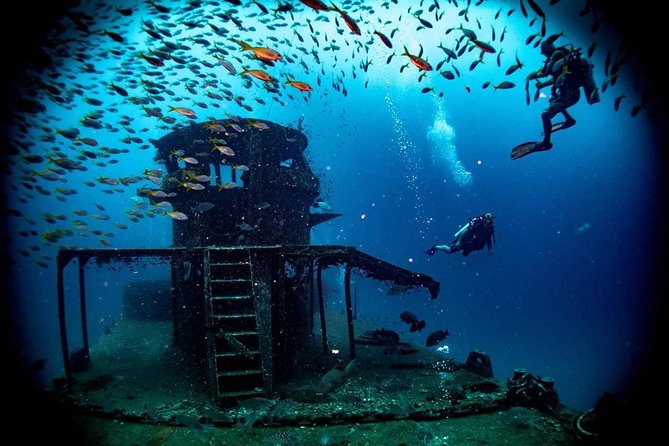
- Wreck experience on HTMS Sattakut, built into the course structure
- Night session with a chance to see marine life after dark
- Small group size (max 4), so you get more coaching per person
- Instructors named often for calm, safety-focused teaching, including Safari, Oni (Onilio), Ae, and Rosita
Price and value: what $326.11 covers in real terms
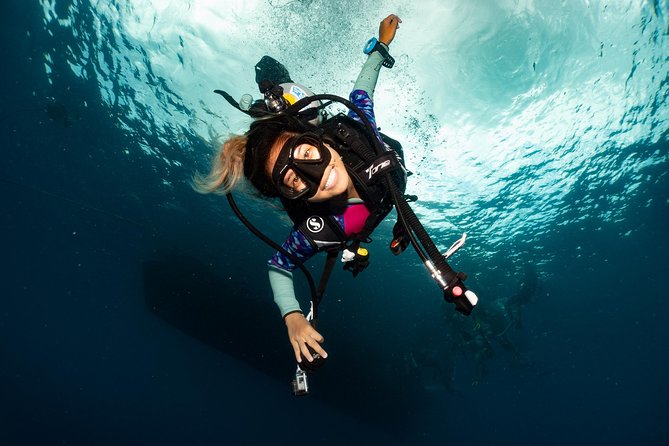
At $326.11 per person, this course isn’t the cheapest thing in Koh Tao. But it’s also not trying to be a generic package. You’re paying for structured SSI Advanced Adventurer training plus five guided underwater skill sessions, including specialties many people seek separately: buoyancy, navigation, a deeper profile up to 30 meters, wreck skills at HTMS Sattakut, and a night outing.
Here’s the practical value: if you just finished open water, this course is a logical next step because it helps you stop flailing and start managing yourself. The money makes sense when you want more than “see fish.” You want controlled movement, better planning, and the confidence to handle more challenging conditions later.
Another value piece is the small cap: up to 4 travelers. In a place where group sizes can vary, fewer people usually means more attention from the instructor when you’re troubleshooting your breathing, trim, or buoyancy. That matters a lot during the deeper and wreck-related components.
If you already know you want most of these skills (not just one), this course can be a cost-efficient shortcut compared with piecing it together later.
You can also read our reviews of more tours and experiences in Koh Tao.
Koh Tao Scuba Club logistics: easy start, small-team format
Your day starts at Koh Tao Scuba Club, with the scheduled start time listed as 9:30 am. The activity ends back at the same meeting point, which keeps your day simple: you don’t have to coordinate separate transport or chase a closing location.
Pickup is listed as offered, and the shop is also described as near public transportation. That’s helpful because Koh Tao can be practical but not always predictable with timing, especially if you’re coming from farther out on the island.
One more thing I like for planning: you receive confirmation at booking, and you can use a mobile ticket. When you’re traveling, those small friction reducers matter. You want to spend your morning thinking about your gear and skills, not your paperwork.
Finally, the course is described as moderate fitness. That doesn’t mean athletes only. It does mean you should be comfortable with the basic physical demands of scuba training: staying alert underwater, using good body control, and handling the routine effort needed to participate fully across several sessions.
Your SSI Advanced Adventurer framework: the skills behind the fun
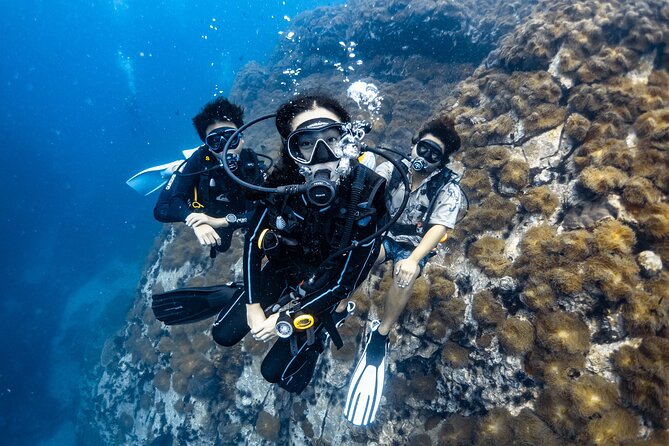
The SSI Advanced Adventurer is designed as a sampler and a solid skills boost. It’s also a way to figure out which specialty track you’ll want next, because the course touches multiple skill themes rather than staying narrow.
Perfect Buoyancy: why it’s the foundation
The buoyancy component is about more than looking graceful underwater. It’s how you avoid kicking up silt, how you stay out of trouble on slopes and wreck structures, and how you can breathe without fighting your position.
You’ll be working on controlling your depth and movement so you’re not constantly correcting with your fins. That’s the skill that usually makes later training feel easier. When buoyancy improves, everything else becomes clearer: your view, your trim, and your ability to focus on the task.
Navigation: planning your route instead of guessing
Navigation training is one of those skills that sounds simple until you’re underwater and trying to remember which way is home. The course focuses on planning your dives and finding your way back to the boat underwater.
For you, that means fewer panicked moments and a better sense of what you’re doing. Even if you’re not a “map person” above water, the course teaches you a process: check, plan, execute, and return with confidence. It’s a huge confidence builder.

Deep training up to 30 meters: competence, not bravado
The advanced level includes a deeper component with certification to a maximum of 30 meters. The big win here is not the bragging rights. It’s learning how your body and gas planning change when you go deeper, and how to stay calm while doing it.
The course wording is clear: you’ll “dive your plan” and use what you learned. That approach matters. It’s not just about going down. It’s about sticking to a plan, managing depth and time, and acting deliberately.
HTMS Sattakut wreck: how wreck skills become real confidence
One of the course highlights is the wreck portion, built around the HTMS Sattakut wreck. Wreck training can feel intimidating on paper. In a structured course, though, it’s usually broken down into learnable steps: how to approach safely, how to manage your buoyancy around structures, and how to stay oriented.
For you, the value of doing wreck skills as part of an SSI Advanced Adventurer course is that it doesn’t become an all-at-once adventure. You’re practicing control under supervision. That’s what separates a scary experience from a manageable one.
A wreck also naturally demands better buoyancy because the environment creates opportunities to brush, kick, or drift into awkward positions. If your buoyancy and trim are dialed in, wreck time becomes about curiosity and observation. If not, it becomes a constant correction loop.
The course structure helps you build that control before you’re asked to handle the wreck environment. That’s why the wreck component fits so well after buoyancy and navigation training in the course order.
Night session: a different underwater world without leaving your comfort zone
The Advanced Adventurer includes a night session, timed for when nocturnal marine life is more active. This is one of the most memorable parts of the Koh Tao experience for many divers because the underwater atmosphere changes fast after dark.
Practically, the night session tests two things at once: comfort with the unfamiliar and control when visibility and orientation cues shift. Lights, silhouettes, and animal behavior all change, and you’ll need to follow your instructor’s guidance closely.
One of the best parts is that it doesn’t feel like a random night swim. It’s tied to the course training mindset: safe procedures, controlled movement, and purposeful observation. And because Koh Tao’s water is often described as calm and clear, the night environment can feel accessible rather than chaotic.
If you’re the type who learns best through experience, this is the section you’ll likely remember most. Even if you’re “not a night person” on land, underwater night can be genuinely different in a way daytime just doesn’t replicate.
Instructors: how coaching style shows up in the water
The instructor names that come up again and again in feedback include Safari (often described as making people feel safe and comfortable), Oni (Onilio) (credited for confidence and keeping safety as the focus), and also Ae and Rosita (praised for teaching and making the experience enjoyable).
The important thing for you is not who leads your specific sessions. It’s the coaching style those names represent:
- calm direction when conditions or skills feel new
- safety-first habits that become automatic
- teaching that still lets you enjoy what you’re seeing
Small group size helps here. With fewer divers around, your instructor can notice small issues faster—like excess finning, drifting, or forgetting the next step of your plan. That can be the difference between “I survived” and “I improved.”
Also, several comments emphasize that the course feels like real progression and not just a series of checkboxes. If you want to feel more competent by the end, this kind of instruction is exactly what you’re looking for.
Timing reality: how 2 days can stretch to 2–3
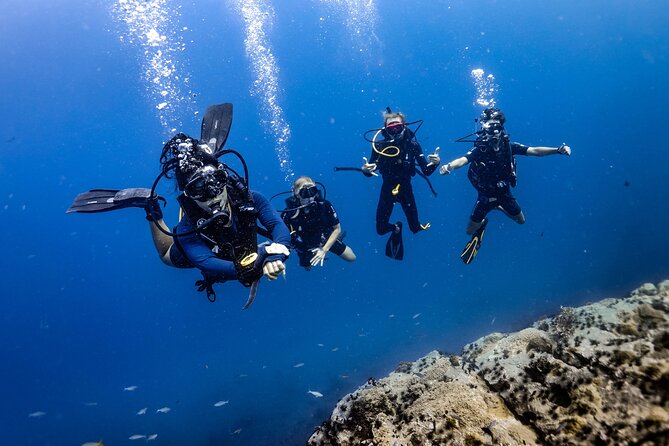
The course is listed as 2 days (approx.), but it’s also described as taking 2–3 days depending on conditions and the dives you want to do. For you, that means you should plan for flexibility, not just a rigid schedule.
On Koh Tao, conditions can change through the week. Even when sites are usually in good shape, the sea state and visibility can affect whether sessions can run smoothly, especially ones that involve deeper training and wreck work.
Here’s how to make this work:
- If you’re on a tight island itinerary, keep a buffer day.
- If you’re pairing it with other diving plans, avoid booking back-to-back activities that assume the course ends exactly after 2 days.
If weather forces changes, the operator offers another date or a full refund, so you’re not stuck with a bad deal. Still, the smoother your schedule, the less stressful it will feel.
Where this course fits on your dive path
This is an “advanced open water” step, so it makes sense right after open water. One of the strongest pieces of advice I’d give you is: if your open-water cert is fresh and you want to keep the momentum, this course is a strong next move.
You’ll likely enjoy it most if you want to:
- tighten control through buoyancy practice
- build competence with underwater navigation
- get experience working under deeper conditions up to the 30-meter training limit
- add real structure to wreck skills and a night session
- do it all with coaching, not guessing
On the other hand, if you already feel fully confident in these areas and you only want one specialty topic, you might find it more efficient to pick a single specialty. But if you’re undecided about which specialties to chase next, the sampler format is a smart way to test-drive your interests.
Practical gear and mindset (without overcomplicating it)
Your success here will mostly come down to calm fundamentals. The course requires you to apply the plan you make, stay controlled, and follow instructions closely, especially as conditions and depth increase.
If you’re worried about night or wreck work, that’s normal. The way to handle it is to treat those sessions as learning moments, not performance moments. You’re there to practice the skill chain: control position, manage breathing, check your cues, and come back safely.
Also, keep your expectations realistic. Underwater training isn’t about constant adrenaline. It’s about steady improvement. When buoyancy and navigation click, the rest of the course becomes easier to enjoy.
Should you book the Koh Tao Scuba Club Advanced Adventurer?
I’d book this course if you want a structured step up from open water and you like the idea of getting multiple advanced skills in one shot. The mix of buoyancy, navigation planning, a 30-meter certification limit, HTMS Sattakut wreck experience, and a night session is a very practical set of tools for future scuba travel.
Skip or rethink it if you have zero schedule flexibility and can’t handle a course that may take up to 3 days depending on conditions. Also, if you know you only want one narrow specialty and you’re already strong in the other areas, you may be paying for breadth you don’t need.
If you do book, do yourself a favor: arrive rested, ask questions early, and focus on skills first. You’ll get better fast, and you’ll enjoy the underwater sights much more when you’re not fighting your position.
FAQ
How long is the Advanced Adventurer course in Koh Tao?
It’s listed as about 2 days, but the course can take 2–3 days depending on conditions and the dives you do.
What certification depth will I reach?
After completing the deep training requirements, you’re certified to a maximum of 30 meters.
What scuba sessions are included?
The course includes training focused on Perfect Buoyancy, Navigation, a deep component, a wreck visit to the HTMS Sattakut, and a night session.
Where does the course meet and where does it end?
It starts at Koh Tao Scuba Club and ends back at the same meeting point.
Is pickup included?
Pickup is offered.
What’s the cancellation policy?
You can cancel for a full refund up to 24 hours before the experience starts. If you cancel less than 24 hours before, the amount paid is not refunded. The experience also requires good weather; if it’s canceled due to poor weather, you’ll be offered a different date or a full refund.