REVIEW · PHUKET
From Phuket & Khao Lak: Elephant Care with Waterfall Visit
Book on GetYourGuide →Operated by Anda Adventure Co.,Ltd · Bookable on GetYourGuide
Elephants are the main event, and you’re close. This 10-hour day pairs cruelty-free elephant care with the practical stuff that makes it actually enjoyable: a guide who explains what you’re seeing, plus a Thai lunch and a cool-off waterfall stop.
I like two things a lot. First, you get hands-on care—wear a mahout uniform, prepare food, feed, and spend time with the elephants in a natural setting. Second, the program includes a real mud spa and river bath, so you’re part of the elephant care process, not just standing behind a fence.
One consideration: you should plan for getting muddy and wet. Bring the right shoes and expect a long travel day depending on where you start in Phuket or Khao Lak.
In This Review
- Key points to know before you go
- Elephant care without the circus: what this day really feels like
- Price and value: what you get for around $70
- Transfers and timing from Phuket and Khao Lak (plan your day, not the minute)
- First arrival: mahout uniform, safety rules, and elephant-care training
- Food prep and feeding: getting close in a natural setting
- The Thai lunch break: food that actually fills you up
- Mud spa and river bathing: the part you should dress for
- The waterfall stop and Phang Nga time: a change of pace
- Guides and group feel: why the people matter here
- Who should book (and who should reconsider)
- Should you book this elephant care day?
- FAQ
- Is elephant riding included?
- What time does the elephant activity start?
- How long is the full tour day?
- Where do you get picked up?
- What’s included in the price?
- What food do you get during the tour?
- What should I bring?
- Are mahouts allowed to use hooks?
- What is the cancellation window?
Key points to know before you go
- No elephant riding: it’s an up-close care experience only
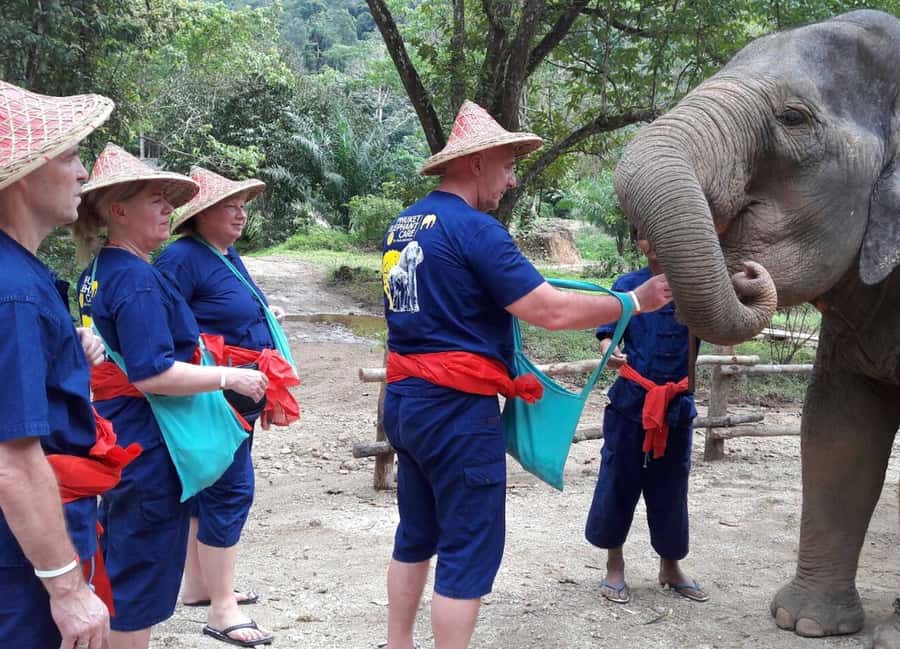
- Mahout uniform + bamboo hat for the full, hands-on feel
- Food prep with bananas and sugar cane before feeding
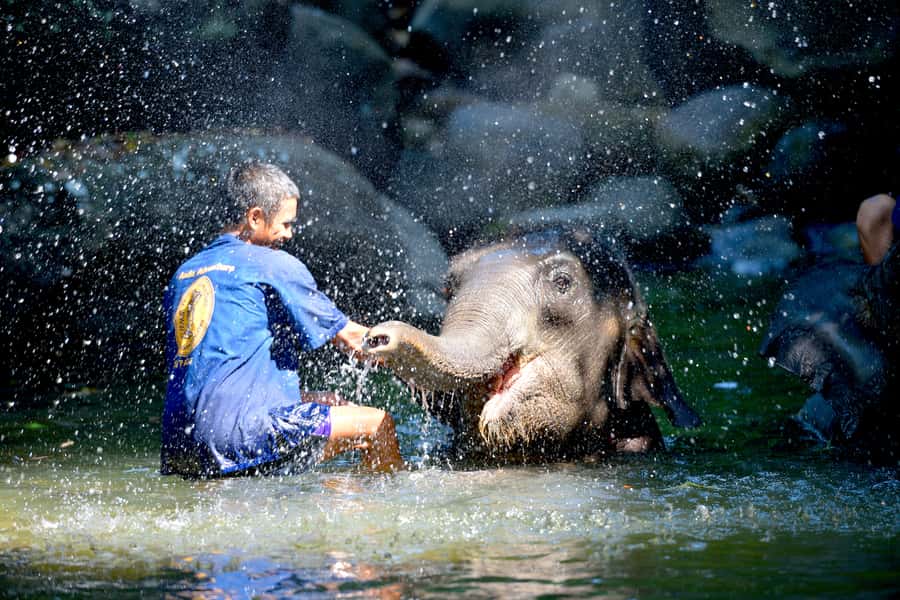
- Mud spa and river bath (you’ll likely get wet too)
- Thai lunch included with fruit, tea, and coffee
- Waterfall and Phang Nga time as a welcome break from the heat
Elephant care without the circus: what this day really feels like
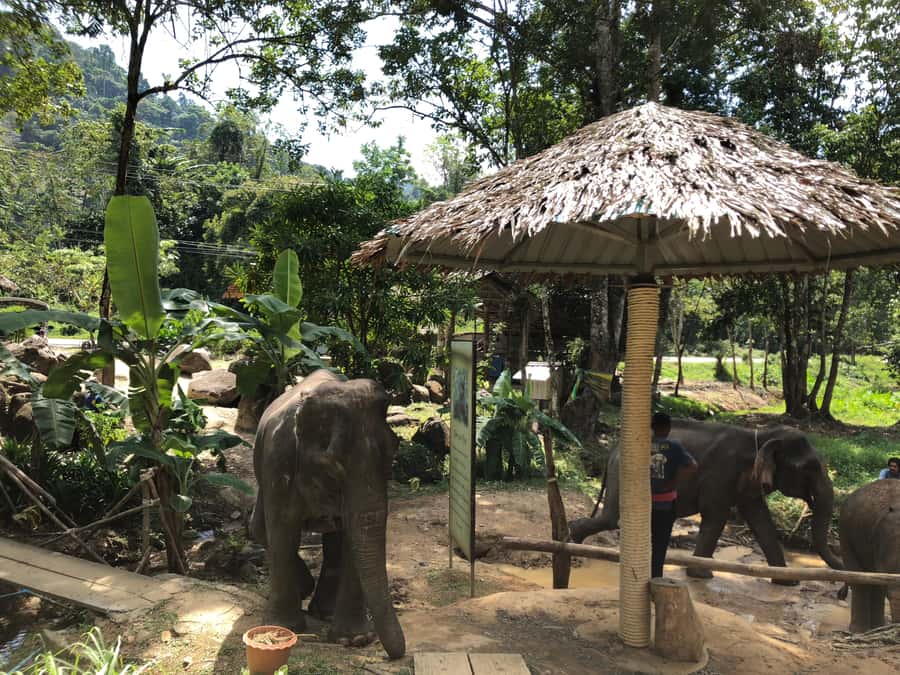
This is one of those rare elephant outings where the point isn’t to get a fast photo. The focus is on calm, natural interaction. You’ll meet elephants, learn how they behave, and help with care tasks the keepers ask for—food prep, feeding, cooling them down, and cleaning up after.
The big ethical checkbox is simple: no riding. That matters because it changes the whole vibe of the day. You’re not forcing an animal into a role it doesn’t want. Instead, you spend time around elephants that can choose what to do next. The organizer also states mahouts are not allowed to use hooks, and they guide by the ears only—so you’re not dealing with the usual “trainer controls the animal” energy.
Also, you’ll get a guide who actually talks. People specifically mention guides like Martín and Eggi (plus Eakki in a few accounts) as being professional, funny, and patient—meaning you’re not just watching. You’re picking up real info about elephant behavior and care while you’re there.
The trade-off? You can’t “opt out” of participation. When the day includes mud spa and river bathing, you will get wet. That’s not a complaint. It’s just the reality—Thailand is hot, and the elephants aren’t dry.
You can also read our reviews of more tours and experiences in Phuket.



Price and value: what you get for around $70
At about $70 per person, this is strong value for a full day because the price isn’t only the elephant part. It typically bundles together:
- English-speaking guide support
- Round-trip hotel transfers from Phuket (and from Khao Lak on set days)
- A Thai lunch with fruit, tea, and coffee
- Elephant-feeding ingredients (bananas and sugar cane)
- A mahout uniform and bamboo hat
- Accident insurance
When you compare that to shorter half-days that often skip transfers or don’t include food, this starts to make sense. You’re paying for a full set of services plus real activity time with the elephants. And since the experience is hands-on (food prep, feeding, bathing), it feels more like a guided care session than a ticketed attraction.
Is it perfect value? The one thing that can reduce your “bang for buck” is travel time. If you’re far from pickup points, the drive can eat into your day. Some people mention the transfer taking close to 2 hours (or even longer). Still, once you’re with the elephants, most people say the time feels worth it.
Transfers and timing from Phuket and Khao Lak (plan your day, not the minute)
This tour is built around hotel pickup, then a long day that ends back at your hotel around 3:30 PM. You’ll see pickup windows starting early—often as early as about 7:20 AM in Phuket areas—while the elephant activity itself starts at 11:00 AM.
Here’s how to think about it: you’re going to spend a big chunk of the morning in transit and orientation. That can be a bummer if you’re the type who hates waiting. But it’s also the reason the day is packed: you get transfers, you get the full sequence, and you’re not stuck organizing anything yourself.
If you’re staying in Phuket, you’ll have multiple pickup options around Kata, Karon, Patong, Kamala, Surin, Bangtao, and more (so you can usually find something close). Khao Lak pickup is available on specific days, so if your dates don’t line up, you may need to choose a different starting point.
My practical tip: treat the day like a mini road trip. Pack a little water. Bring something small to do (offline music or a downloaded video). Then you’ll arrive ready instead of cranky.
First arrival: mahout uniform, safety rules, and elephant-care training
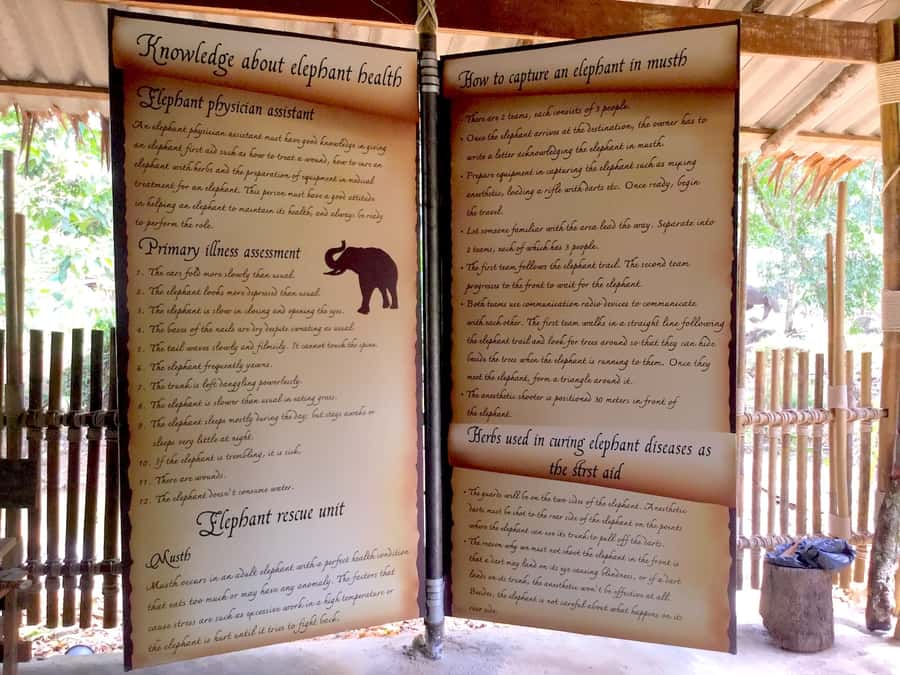
When you reach the elephant care park, the day shifts from “tour” mode to “care” mode. You’ll be dressed in a traditional mahout uniform and given a bamboo hat. It’s more than costume. It sets expectations that you’re joining the routine that keepers guide each day.
After that, you get an intro session: what to do, what not to do, and the basic elephant-care approach the park uses. Even if you already know elephants are intelligent and social, you’ll still likely learn useful details—how elephants interact, what calm looks like, and why the staff time activities around the animals’ comfort.
One rule that shows how the sanctuary operates: mahouts aren’t allowed to use hooks, and they only guide elephants by their ears. The organizer says this doesn’t hurt the elephants. For you, it also means the interaction feels controlled in a gentler way. You’re less likely to see aggressive handling tricks.
This is also where you’ll learn what to expect next: food prep, feeding, and then later mud and river bathing. So by the time you meet the elephants, you’re not guessing.
Food prep and feeding: getting close in a natural setting
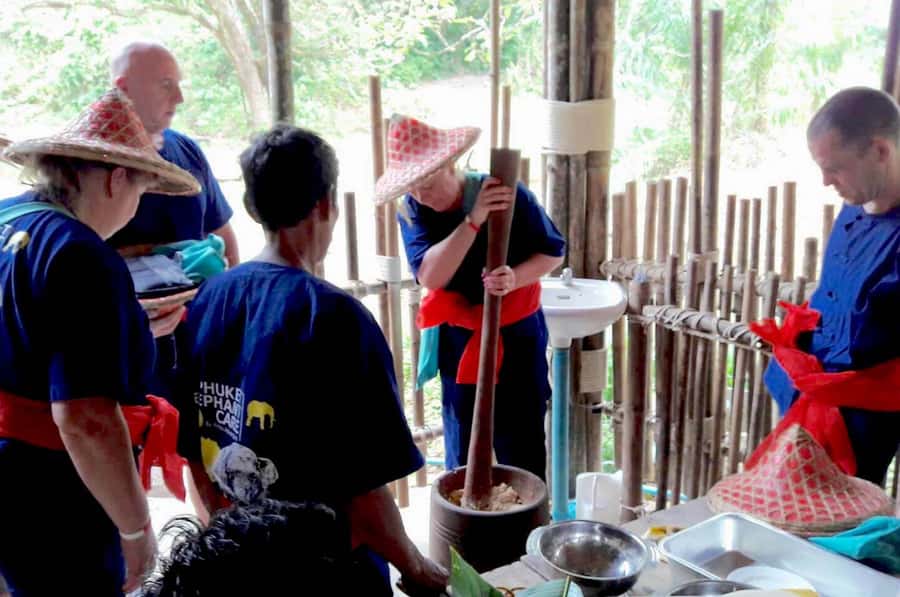
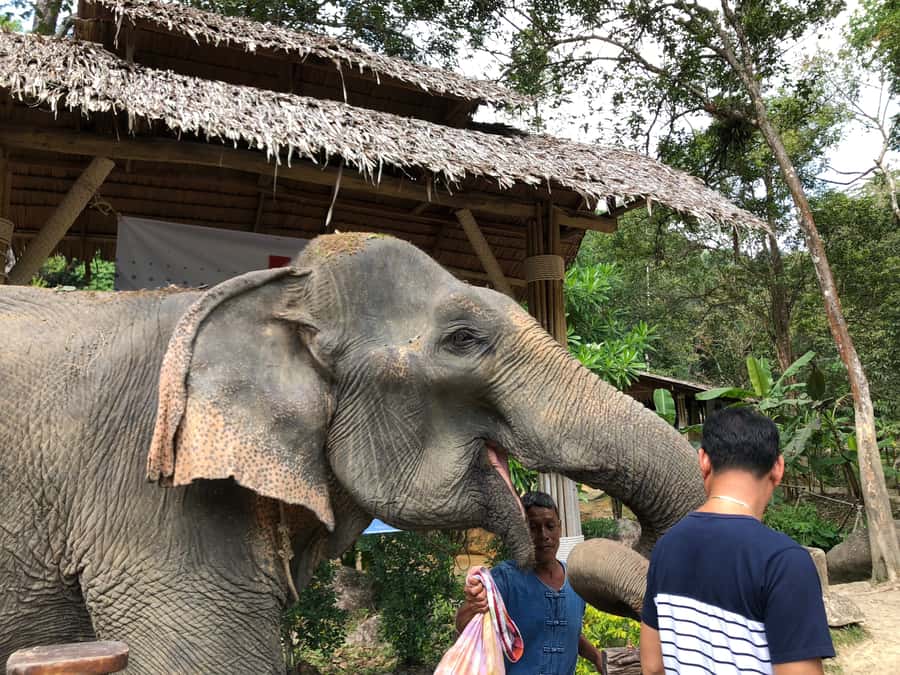
This is the heart of the day. You help prepare special food for the elephants and then you feed them. You’ll use bananas and sugar cane—simple ingredients, but it makes the experience feel real because you’re working with what you’re about to give.
You’ll also get time for one-on-one interaction. People mention touching, grooming-style care, and getting very close—sometimes with the kind of relaxed attention you’d expect when an elephant chooses to approach.
One review detail that I’d highlight for your expectations: the elephants can move around in a more natural, jungle-like environment, so you may walk to find them. The good news is that the walking tracks are described as easy. You’re not hiking through jungle chaos. But you should still wear footwear you’re comfortable getting dirty in.
If you’re worried about this part feeling touristy, the best sign is what the park doesn’t do. There’s no riding. No chains. And the time you spend is centered on care tasks. That usually makes people feel calmer and more connected to what’s happening.






The Thai lunch break: food that actually fills you up
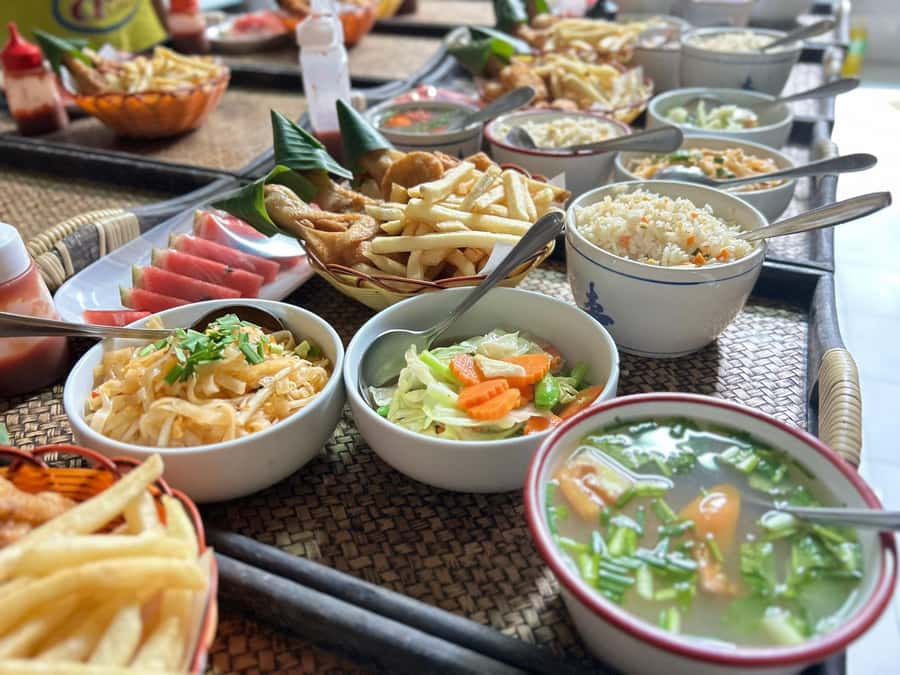
After the first elephant interaction block, you sit down for a Thai lunch with fresh fruit, tea, and coffee. Multiple people call the lunch delicious and filling, and that matters because you’ll be moving around earlier and then likely getting wet later.
Thai food is great in theory, but it’s especially great here because it’s a break from planning and decision-making. You don’t need to find a restaurant. You just eat, cool off, and recharge.
If you’re sensitive to heat, you’ll probably appreciate that the schedule gives you a pause. Even if the morning felt fun, the day still runs on sun and activity. Lunch is your reset button.
Mud spa and river bathing: the part you should dress for
Then comes the part that separates “I watched elephants” from “I helped care for elephants.” You’ll do a mud spa, which (per the program) cools them down and helps protect them from parasites. After that, you take the elephants into the river and help bathe them, cleaning off the mud.
Expect water up to your waist for some parts, and expect mud. Some people also mention shower access afterward with soap so you can wash up before heading back. The tour provides the mahout outfit for the session, and many people recommend bringing a change of clothes for the ride home.
What to wear:
- Shoes with grip that can handle wet ground
- Sunglasses with a strap or that won’t slide when you’re in the water
- Quick-dry clothing if you have it
- A towel if you like being prepared (the data doesn’t promise one)
A small “don’t be that person” tip: avoid sandals that slip off. Mud + river water + slippery rocks is how you end up focusing on your footing instead of enjoying the elephants.
This is also the segment where the gentle nature of the elephants is most obvious. When the animals settle, you see why the sanctuary model emphasizes calm care rather than forcing behavior.
The waterfall stop and Phang Nga time: a change of pace
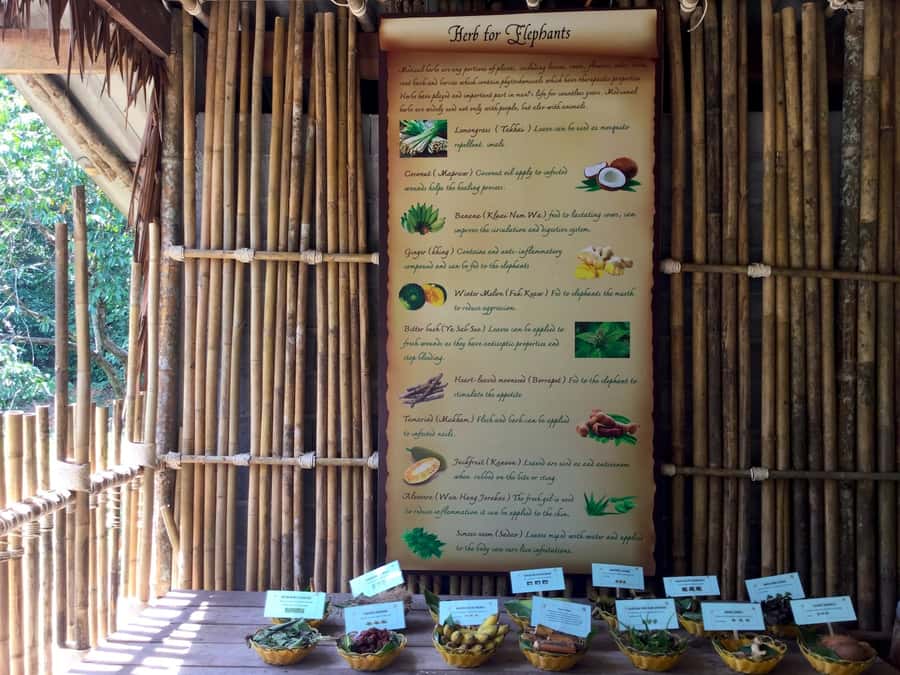
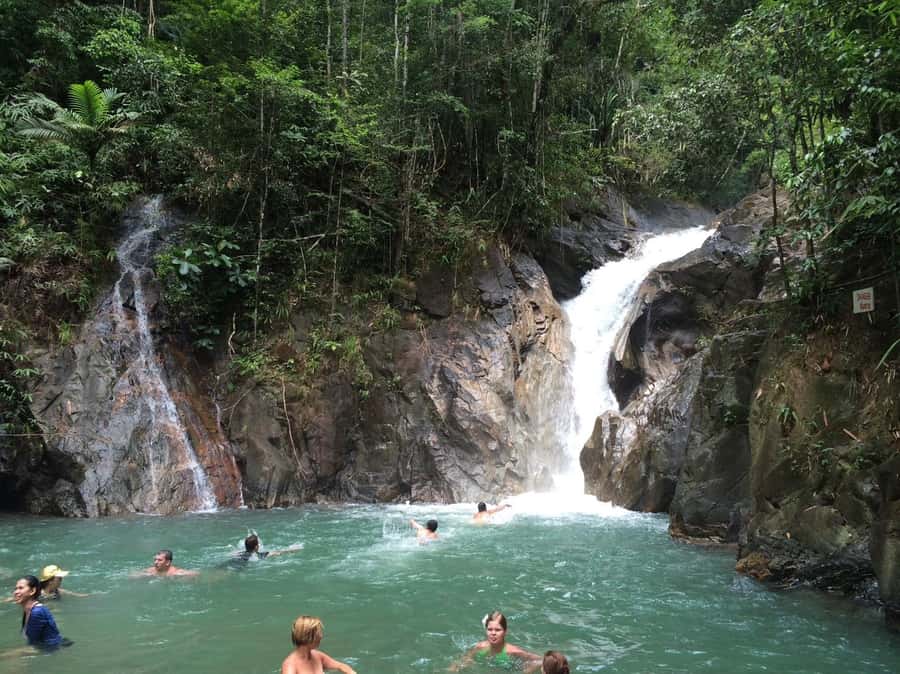
The day isn’t only elephants. You’ll have free time in Phang Nga Province, and the program includes a waterfall visit.
The waterfall portion tends to feel like a payoff: you’ve done the intensive activity, you’ve gotten wet, and now you get scenery and a lighter pace. Some people mention a pond by the waterfall where you can feed fish, while others focus more on the view and relaxing near the water. Either way, plan for some down time so your energy doesn’t crash right before the ride home.
Also note: if the drive is long from where you’re staying, this scenic break helps. You’ll be glad the day includes more than one “moment.”
Guides and group feel: why the people matter here
Elephant care is only as good as the people running the interaction. This tour seems to invest in that. Guides are often described as professional, patient, and funny, with clear English (and sometimes other language support as well).
Names you may hear in the lineup include Martín, Eggi, and Eakki. Even if you don’t get one of those exact guides, the repeated theme is that your guide is actively managing the experience: timing activities, explaining behavior, and helping you get good photos without rushing.
Group size is not stated as a fixed number in the info you have, but many accounts describe the experience as intimate enough to feel personal. That usually happens because hands-on elephant care can’t scale like a bus tour.
Practical tip: bring your camera, but also put your phone away for stretches. Watching elephants without constantly filming makes the moment feel longer.
Who should book (and who should reconsider)
This is a great fit if you:
- Want an ethical, no-riding elephant experience
- Like hands-on travel days where you do real tasks
- Are comfortable getting muddy and wet
- Enjoy learning in the moment, not just reading captions afterward
It might not be your best choice if you:
- Hate water activities, mud, or changing outfits mid-day
- Are extremely sensitive to long transfers
- Want a strictly relaxed day with minimal walking
There’s also an honest timing reality: even though you’ll be back around 3:30 PM, the full day can run about 10 hours because pickups can start early and travel times vary by hotel location.
Should you book this elephant care day?
If your priority is elephants treated with respect and you’re okay with participation, I’d say book it. The combination of no riding, feeding help, and mud-and-river care is what makes this more meaningful than the standard “see elephants for 20 minutes” model. Add in the included Thai lunch and transfers, and the value feels fair.
But do it with your expectations lined up:
- Plan for mud and water. Bring proper shoes and a change of clothes.
- Prepare for a long day if your hotel is far from the pickup points.
- Arrive ready to follow instructions and move when the staff guide you.
If those points sound workable, this is the kind of Thailand day you’ll remember long after the photos fade—because you weren’t just watching. You were part of the care process.
FAQ
Is elephant riding included?
No. This is described as entirely cruelty-free with no riding of elephants. You interact and help with care tasks instead.
What time does the elephant activity start?
The activity starts at 11:00 AM.
How long is the full tour day?
The duration is listed as 10 hours, and the day ends with return to your hotel around 3:30 PM.
Where do you get picked up?
Hotel pickup is included from Phuket and from Khao Lak (on Mondays, Wednesdays, and Fridays). Pickups also include Phang Nga province details as part of the transfer options.
What’s included in the price?
The included items list accident insurance, an English speaking guide, round-trip hotel transfers, a Thai lunch with fresh fruit plus tea and coffee, bananas and sugar cane for feeding the elephants, and the mahout uniform and bamboo hat.
What food do you get during the tour?
You’ll have a traditional Thai lunch plus fresh fruit, tea, and coffee. You also use bananas and sugar cane to feed the elephants.
What should I bring?
Bring a camera, sunglasses, and sun lotion. Also bring any personal medication you need. A change of clothes is recommended since you may get wet while bathing the elephants.
Are mahouts allowed to use hooks?
No. The information states mahouts are not allowed to use hooks at this sanctuary, and they guide elephants by the ears only.
What is the cancellation window?
You can cancel up to 24 hours in advance for a full refund.