REVIEW · BANGKOK
From Bangkok: Living Green Elephant Sanctuary Day Trip
Book on GetYourGuide →Operated by Living Green Elephant Sanctuary Chiang Mai and Chonburi · Bookable on GetYourGuide
A 1.5-hour ride can turn into a life-changing morning. This ethical Chonburi sanctuary experience focuses on no riding, no chains, no performances, and it lets you feed, walk alongside, and (when conditions allow) join elephants during natural bathing. I especially liked the calm pacing and the way guides such as Lulu and Crazy Man explain each elephant’s story while keeping interactions respectful. The main drawback to plan for is the road time: Bangkok traffic can make the minivan ride bumpy and longer than you expect.
You’ll also get real value in the details that matter—like changing into traditional Mo Hom clothing on arrival, then enjoying a local meal in a scenic break period after elephant time. If you’re expecting a quick zoo-style stop, this isn’t that. It’s more hands-on with guidelines, and some parts involve water and natural mess, so go with the right mindset.
In This Review
- Key things I’d circle before you book
- Ethical Elephant Encounters That Actually Feel Like a Sanctuary
- Chonburi Day Trip Logistics From Bangkok: Morning vs Afternoon
- Your Half-Day Flow: Mo Hom Clothes, Meal Break, Then Elephant Time
- Feeding, Walking, and Optional Bathing: What You’ll Actually Do
- Transport, Timing, and What to Pack for Comfort
- Price Value at $57: What You Get for Your Money
- Should You Book This Bangkok Elephant Day Trip?
- FAQ
- How long is the program, including transport?
- Where do I meet for the tour?
- Is elephant riding offered?
- Do you feed the elephants?
- Can I go into the water with the elephants?
- What clothes should I bring?
- Is the traditional clothing included?
- Is there alcohol or smoking allowed?
- Is this trip safe for people with mobility or health concerns?
- What if I need a refund or want flexible booking?
Key things I’d circle before you book
- Ethical encounter rules: no riding, no chains, no performances—animal welfare comes first
- Mo Hom clothing included: you dress on site, then move through the day with the group
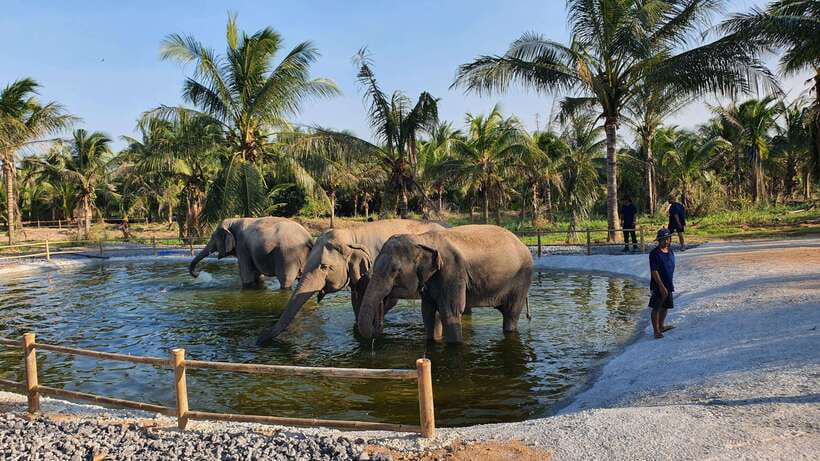
- Hands-on elephant moments: hand-feeding, walking nearby, and optional bathing in their pond
- Guides with personality and facts: you may meet Lulu, Mod, Mo, Jumbo, Crazy Man, or Handsome Man
- Real sanctuary setting: a 40-acre area where elephants roam, forage, and socialize
Ethical Elephant Encounters That Actually Feel Like a Sanctuary
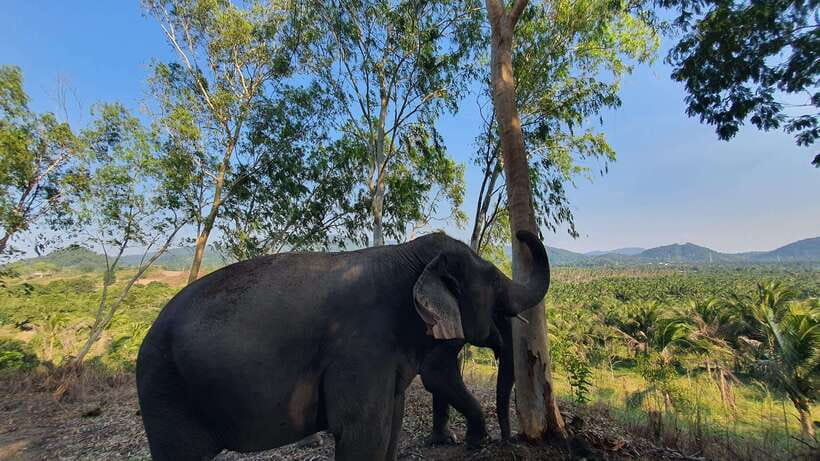
Living Green Elephant Sanctuary in Chonburi isn’t selling the thrill of “doing tricks.” The core promise is simple: elephants live in a space meant for welfare, not entertainment. The sanctuary has a strict policy of no riding, no chains, and no performances, and that shows in how your time is structured. You’re close to the animals, but you’re also guided to let them set the pace.
What I like most is that the interaction isn’t just about the elephants standing still for photos. You watch them forage naturally, and you learn why the place exists—rescued elephants, conservation education, and daily care. Guides (English-speaking) often share individual personalities and background stories, and the best moments aren’t staged. They happen when an elephant chooses to approach, pauses, eats, or heads toward the water.
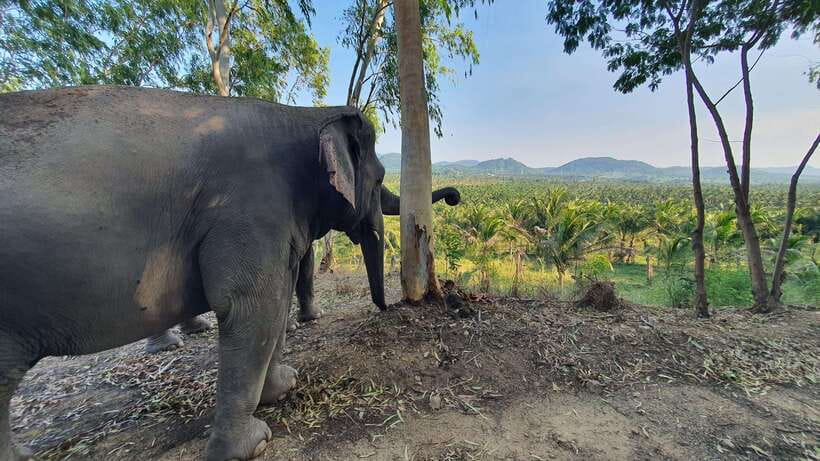
The setting helps too. This is a 40-acre sanctuary in the mountainous Chonburi area. You get jungle paths, shaded rest areas, and mountain views—so it feels like you stepped out of Bangkok, not just into a fenced attraction.
One caution: the experience includes up-close contact and water time in a pond. If you’re easily put off by natural pond conditions, you’ll need a calm, flexible attitude.
You can also read our reviews of more tours and experiences in Bangkok.


Chonburi Day Trip Logistics From Bangkok: Morning vs Afternoon
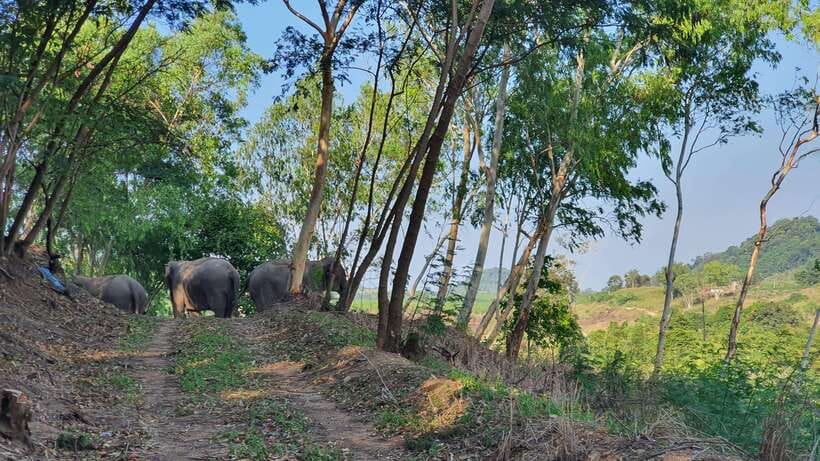
This is a half-day trip in practice, but a full block of time in your schedule. The program runs in two sessions: a morning slot (about 07:00–14:30) or an afternoon slot (about 11:00–18:30). Either way, you’re also dealing with round-trip transportation from Bangkok (and some nearby zones).
In real terms, you’ll want to treat the drive as part of the experience. The ride out is about 1.5 hours under normal conditions, but Bangkok traffic can stretch things. Some passengers mention bumpy roads or older-feeling vans, while others report comfortable air-conditioning and reclining seats. If you get carsick easily, plan for it.
Meet-up options depend on what you book. You might start with hotel pickup, or you might meet at Eakkamai Wat That Thong, or meet at the sanctuary with no transfer. The key practical rule: for shared transfers, your pick-up and drop-off zones must match, and drop-off changes aren’t allowed.
If you’re deciding between morning and afternoon, I’d choose based on how you handle traffic. Morning can mean earlier traffic to navigate, while afternoon can run you back later. Either way, keep your expectations realistic: you’re out to spend time with elephants, but you’ll earn that time with time on the road.
Your Half-Day Flow: Mo Hom Clothes, Meal Break, Then Elephant Time
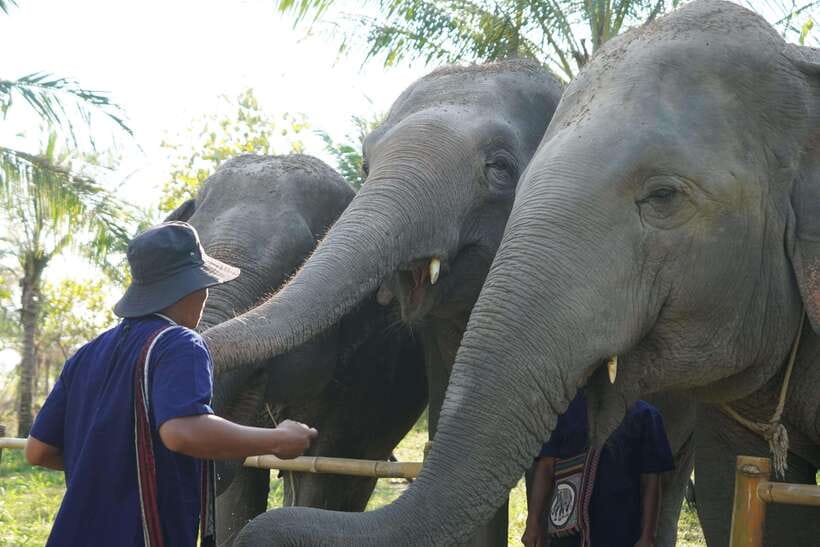
Your day usually starts with pickup and a drive into the Chonburi mountains. Once you arrive, the welcome is part of the immersion. You’ll change into traditional Mo Hom clothing, which helps set the tone: this isn’t a quick photo stop.
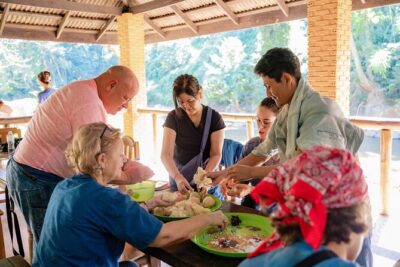
Next comes your elephant briefing and a local meal. The food is often described as tasty Pad Thai, and the sanctuary-style meal is served before the main interaction. Menu items can vary with seasonal ingredients, but you can generally count on a proper Thai lunch break before you get muddy (or possibly wet). You’ll also get instructions on how the day works and the safety approach around elephants.
Then the elephant program begins in phases:
- You observe elephants roaming and foraging in their natural setting.
- You move into hands-on interaction time, including hand-feeding.
- You take a small trek along paths while walking alongside elephants.
- If conditions are right, you join their natural bathing.
After the elephant time, there’s usually a wind-down moment—time to say goodbye and freshen up. A towel helps, and some people note showers and clean facilities on site.
What makes this flow valuable is the pacing. You aren’t constantly rushed from one “activity” to the next. You get structured time with clear guidance, then a break to recover before elephant bath time.
Feeding, Walking, and Optional Bathing: What You’ll Actually Do
This is the heart of the day, and it’s where you’ll feel the difference between an ethical sanctuary and a typical “attraction.” Your interactions are supervised, and they’re designed around elephant behavior rather than forcing a performance.
Feeding
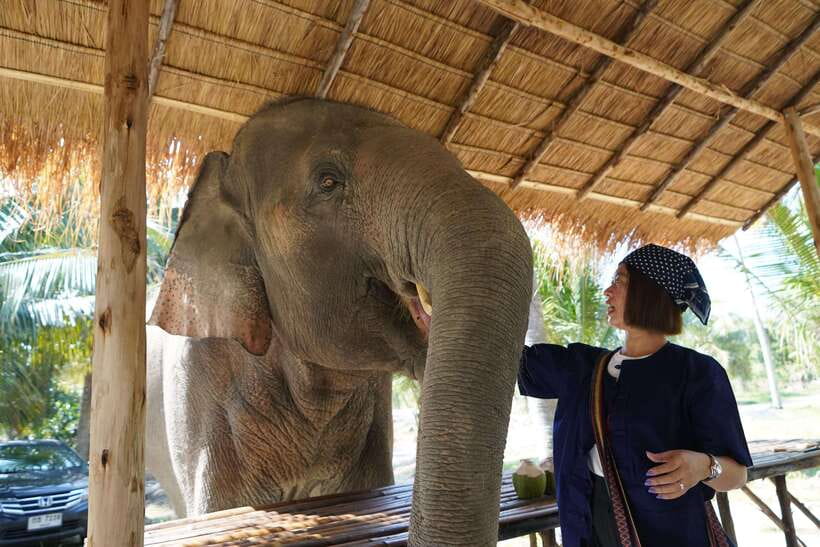
You get the chance for hand-feeding using foods provided by the sanctuary program. This tends to be memorable because the elephants are powerful but calm—and you’re close enough to feel how intentional your role is. The key is to follow the guide’s instructions and stay within the safe interaction area.
Walking alongside on forest paths
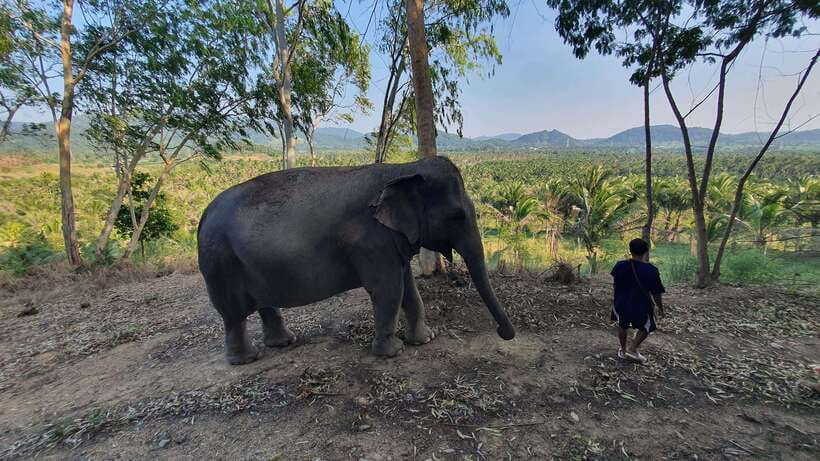
The trek is described as small, not a multi-hour hike. You walk near elephants through the sanctuary’s paths while guides explain what you’re seeing—social behavior, movement patterns, and why the sanctuary’s conservation work matters. Even if you’re not a “hiking person,” this segment helps you understand they’re not roaming randomly. They move like a living group with rules.
Bathing in the water (optional)
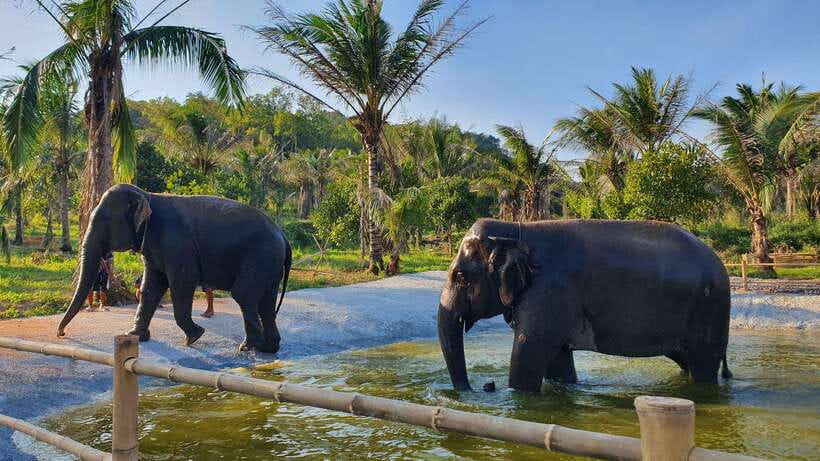
This is one of the big highlights. You may join elephants in their pond water as they bathe and play naturally. The sanctuary notes a safety rule: elephants won’t be forced into the water if the weather is cold. So if it’s chilly, you might only watch rather than participate.
Also, be prepared for real pond conditions. One practical mindset tip: don’t treat it as a spa pool. If seeing floating pond mess bothers you, stick to the viewing area. If you’re okay with a hands-on, slightly earthy experience, it’s often the most unforgettable part of the day.
You’ll also notice how much attention is placed on animal comfort. Reviews frequently mention that interactions don’t feel forced and that elephants have space to move naturally. Even the “cutest moments,” like baby elephants (people mention a Charlie highlight), tend to happen because the sanctuary created a setting where they can behave normally.
Transport, Timing, and What to Pack for Comfort
On this trip, transport matters more than you might think. The elephant part is structured, but the drive is out of your control. Bangkok traffic can add time, and roads can feel rough. Some people report motion discomfort, while others are fine with air-conditioning and padded seats.
To make the ride and the sanctuary experience easier:
- Bring a change of clothes (you’ll be wet if you join bathing).
- Pack a towel and water.
- Wear comfortable clothes and sandals that can handle wet ground.
- If you get carsick, bring what usually helps you (you’ll know best).
At the sanctuary, plan for brief walking and time in natural areas. The day includes shaded seating areas with mountain views, which is great for cooling down between elephant activities.






Price Value at $57: What You Get for Your Money
At $57 per person, this isn’t a bargain-tour price, but it also isn’t just paying for a view. You’re paying for a package that includes:
- hotel pickup and drop-off (depending on the option you choose),
- a guided experience in English with briefing,
- the sanctuary interaction elements: feeding, walking, and bathing opportunity,
- a local meal,
- and included traditional clothing/equipment.
The value comes from the mix of ethics + structure. You’re not paying extra to sit on an elephant, and you’re not only watching from a distance. You’re doing supervised, guided contact in a setting meant for rescued elephants.
If your priority is maximum elephant time and you don’t want to handle complicated logistics on your own, this package makes sense. If you’re trying to minimize total time away from Bangkok, you might feel the drive time, but most of the cost is still tied to that guided, supported access.
Should You Book This Bangkok Elephant Day Trip?
Book it if you want a well-run, ethical elephant experience with real interaction—feeding, walking nearby, and the chance to join bathing when conditions allow. It also works well if you like learning while you’re doing, since guides often explain elephant stories and conservation priorities.
Skip or rethink if:
- you hate bumpy car rides or you’re very prone to motion sickness,
- you’re uncomfortable with pond-water reality (natural mess is part of the environment),
- you have physical limitations mentioned by the trip (it isn’t suitable for people with back problems, and it’s not for children under 2 or pregnant women).
If you’re flexible on timing and you show up ready to follow guide instructions, this is one of those days that stays with you long after you’re back in Bangkok.
FAQ
How long is the program, including transport?
You should plan for a full half-day block. The program runs about 6–7 hours in total, with round-trip driving time included (and traffic can affect timing).
Where do I meet for the tour?
Meeting depends on your option: hotel pickup in Bangkok/Pattaya/nearby zones, meeting at Eakkamai Wat That Thong, or meeting directly at the sanctuary with no transfer.
Is elephant riding offered?
No. The sanctuary follows a strict no riding policy.
Do you feed the elephants?
Yes. Your experience includes hand-feeding the elephants as part of the guided program.
Can I go into the water with the elephants?
You may join them during the bathing part, but elephants won’t be forced into water if weather is cold. If you prefer not to enter, you can watch.
What clothes should I bring?
Bring a change of clothes, a towel, and comfortable clothing. You’ll also want sandals and water.
Is the traditional clothing included?
Yes. All equipment and traditional Mo Hom clothing are included.
Is there alcohol or smoking allowed?
No. Smoking is not allowed, and alcohol and drugs are not allowed.
Is this trip safe for people with mobility or health concerns?
It’s not suitable for people with back problems, and it’s not listed as suitable for pregnant women or children under 2.
What if I need a refund or want flexible booking?
The experience offers free cancellation up to 24 hours in advance for a full refund, and you can reserve with a pay-later option.
If you want, tell me your travel month and whether you’re doing morning or afternoon. I’ll suggest the best timing choice based on how you feel about road time and the chance of cooler weather.