REVIEW · BANGKOK
Bangkok: Wat Pho and Wat Arun Guided Walking Tour
Book on GetYourGuide →Operated by TripGuru Thailand · Bookable on GetYourGuide
Two temples, one great river walk. This guided stroll packs in Wat Pho and Wat Arun in a short window, so you get the big visuals and the spiritual context without spending a whole day getting lost in the heat. I especially like the way the tour lines up the two most famous scenes in Bangkok: the 46-meter reclining Buddha at Wat Pho and Wat Arun’s mosaic-covered river landmark.
You should know one possible drawback up front: the dress code is strict in parts of both temple areas. If your plan is tank tops, short shorts, or sleeveless summer outfits, you’ll want to bring a cover-up like a sarong, scarf, or light sweater to avoid delays and awkward second-guessing.
In This Review
- Key things to know before you go
- Arriving right: starting at Tha Tian Pier for an easy flow
- Wat Pho: what to look for beyond the 46-meter reclining Buddha
- Coconut water break: a small pause that helps you last through both temples
- Wat Arun: reading the mosaic chedi from the river bank
- Price and logistics: $17 plus tickets, but you’re paying for time saved
- Sustainability without the lecture: GSTC-certified, water in glass, carbon offsets
- Choosing your guide energy: clear explanations and useful navigation
- What to bring, what to wear, and who should skip this one
- Should you book this Wat Pho and Wat Arun guided walking tour?
- FAQ
- How long is the Bangkok Wat Pho and Wat Arun guided walking tour?
- Where do I meet the guide?
- Are entry tickets included for Wat Pho and Wat Arun?
- What’s included in the tour price?
- What should I wear or bring because of the temple dress code?
- What languages are the live guides available in?
- Is the tour suitable for mobility issues or pregnancy?
Key things to know before you go
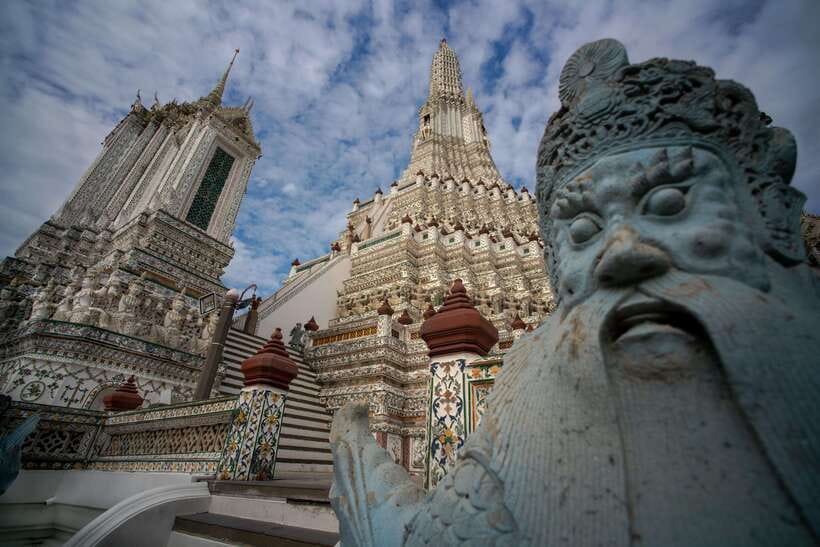
- Wat Pho’s 46-meter reclining Buddha is the headline, and the guide helps you look in the right places.
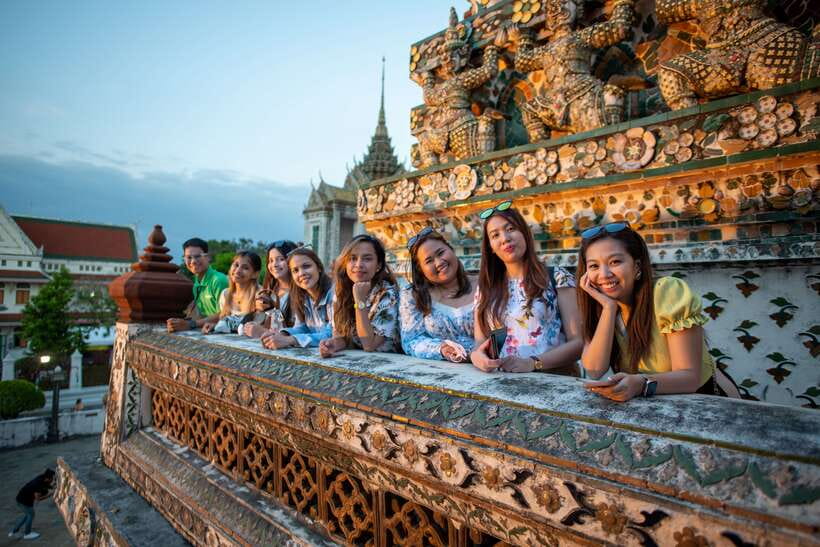
- Wat Arun’s white chedi covered in colorful mosaic pieces is the other must-see, with strong photo angles along the river.
- A timed 1.5 hours at each temple keeps the visit efficient while still giving room to wander.
- Coconut water and hydration support come with the tour, plus water is provided in glass bottles.
- GSTC-certified, lower-impact touring includes carbon emissions offset credits for each tour.
- Your guide can make or break the visit, with many guides praised for clear explanations and practical help with navigating the temple grounds.
Arriving right: starting at Tha Tian Pier for an easy flow
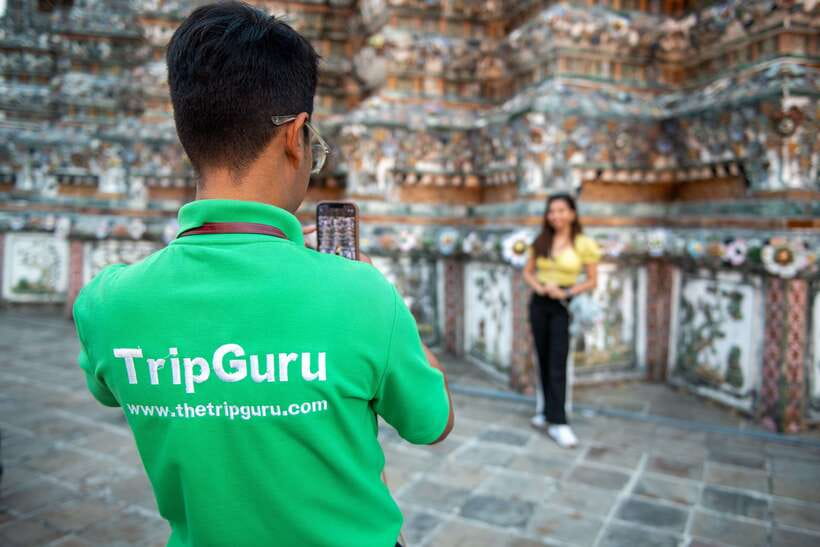
The tour starts at Tha Tian Pier (ท่าเรือท่าเตียน), which is a smart choice if you like getting your bearings fast in Bangkok. If you’re aiming to travel light, this pier-based start also cuts down on time wasted in hotel pickup lines.
Pick a starting time that fits your energy level. A 3-hour walking tour moves at a steady pace, and Bangkok weather can turn your “quick stroll” into “why did I forget sunscreen.” Comfortable shoes matter more than you think, because temple grounds mean uneven stone and lots of standing.
If you’re coming from elsewhere in Bangkok, plan your route so you’re not rushing at the last minute. One practical tip from past participants: use the MRT instead of driving when possible for speed and simplicity.
You can also read our reviews of more tours and experiences in Bangkok.

Wat Pho: what to look for beyond the 46-meter reclining Buddha

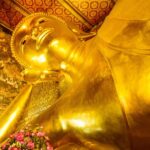
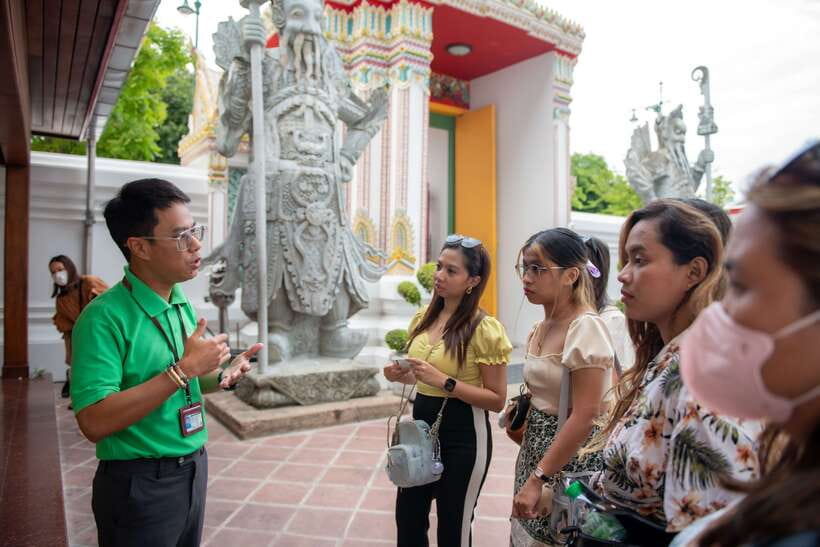
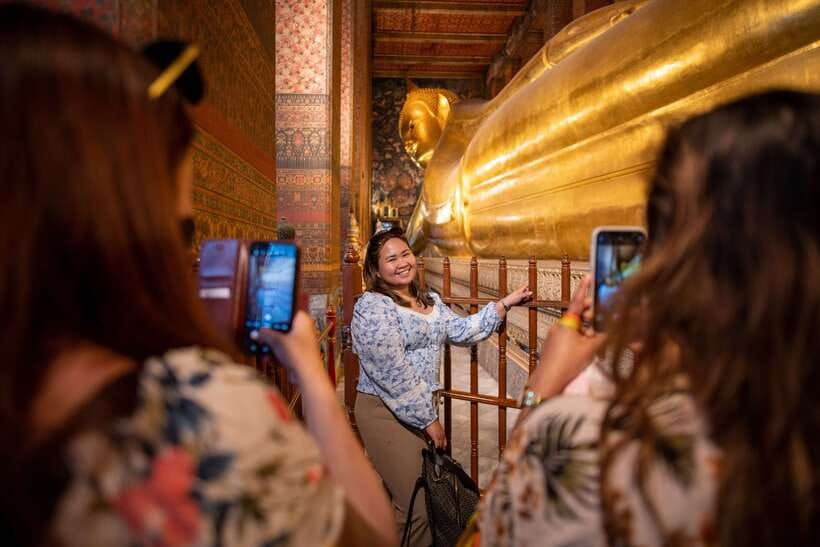
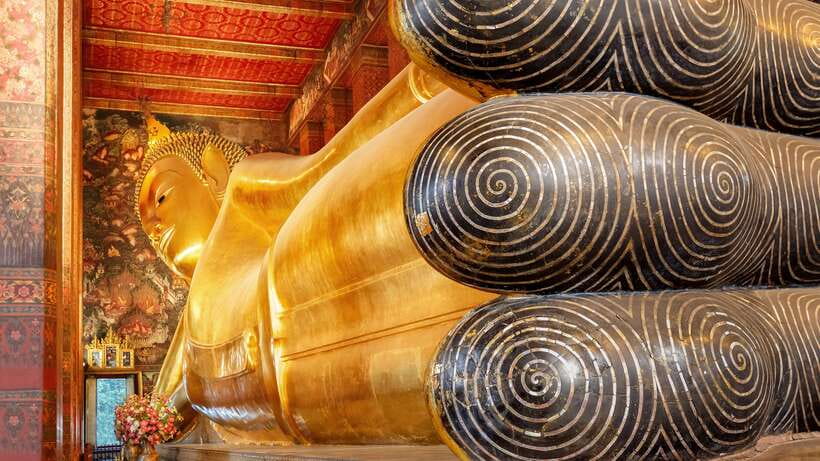
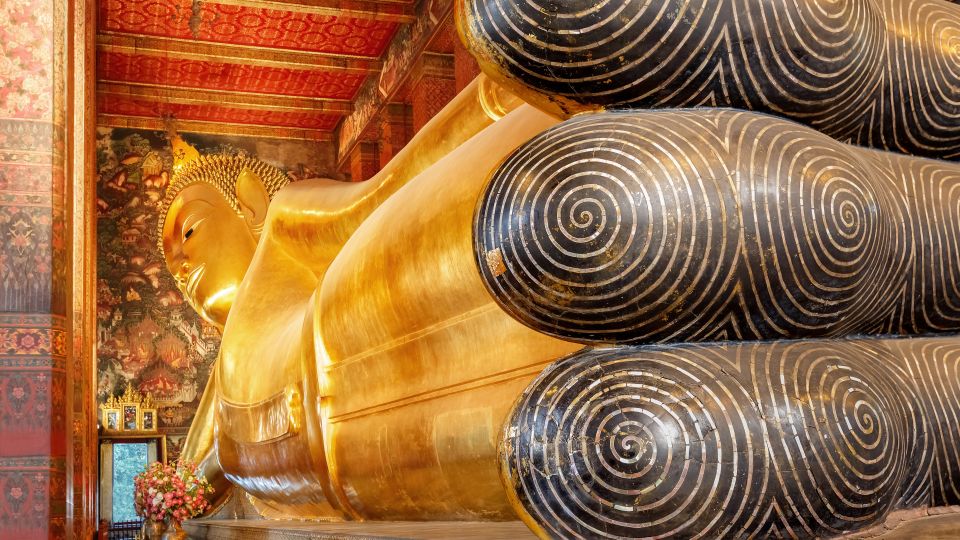
At Wat Pho, you’ll spend about 1.5 hours with a guide, which is enough time to see the main sights and still slow down for photos and details. The tour’s signature moment is the 46-meter long reclining Buddha statue, and the guide helps you take it in without turning it into a quick pass-through.
What makes Wat Pho special isn’t only the size. The reclining Buddha sits among colorful details, including mosaic shrines, so you’ll get plenty of texture to look at while you wait for the right light for pictures. The guide also points out how to move through the grounds in a way that feels respectful and practical.
A few guides are also known for sharing how people at the temple do simple acts of prayer. Even if you’ve visited temples before, that kind of context helps you understand what you’re looking at instead of treating it like a photo checklist.
Time tip: If your first instinct is to start snapping immediately, do it—but then pause. The guide’s explanations are most useful when you stop for a minute and actually look at the shapes and ornamentation they mention.
Coconut water break: a small pause that helps you last through both temples
Between the two temples, the tour builds in a refreshing break with coconut water. It’s included, so you’re not negotiating street prices or guessing what’s safe to drink when you’re already hot and tired.
Hydration matters here because you’re mixing walking, sun, and temple time. One small consideration: even with the coconut and included water, you may still want extra water if you know you run hot or you’ll be photographing nonstop.
This is one of those simple “value-add” details that makes the tour feel smoother. It turns the day from two separate temple visits into a single, connected experience.
Wat Arun: reading the mosaic chedi from the river bank
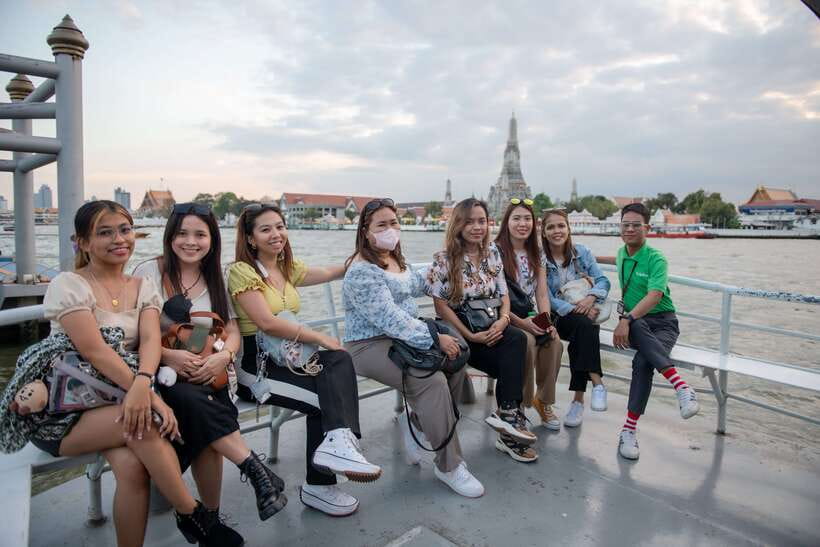
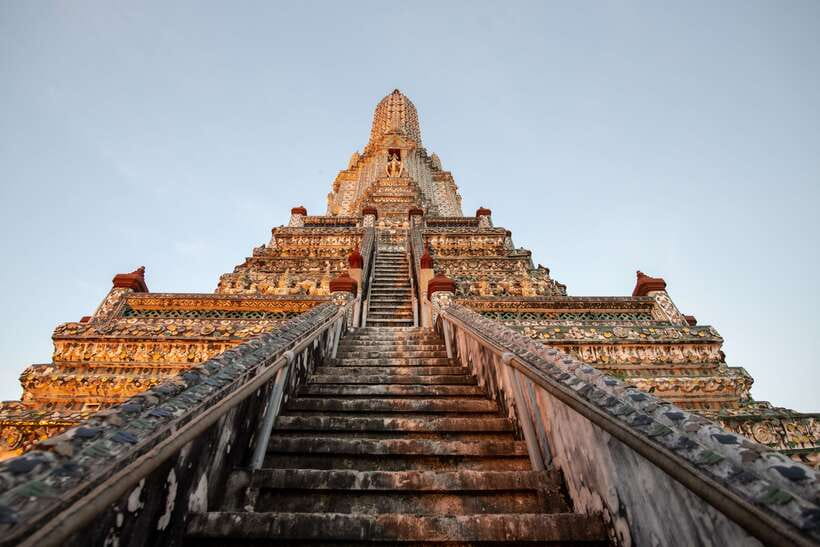
After Wat Pho, you continue to Wat Arun, a 300-year old temple known for its huge white chedi covered in thousands of colorful mosaic pieces. You’ll spend another 1.5 hours here, and the time feels well matched to the space: enough to understand what you’re seeing, and enough to enjoy the river setting.
Wat Arun is also one of those temples where the best experience comes from angle and distance. The chedi is a visual statement across the river, so don’t rush straight to the closest spot. Take a minute to step back, find the best view, and let your camera do its job.
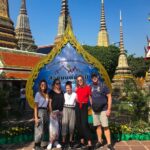
The guide can help you locate the most photogenic moments without you wandering around for half an hour in the wrong direction. Many guides are praised for taking group photos and making sure everyone gets a turn at the iconic viewpoints, which is genuinely helpful when you’re traveling with friends or want nice pictures without relying on strangers.
If the heat is high, plan to use shade breaks when you can. Bangkok sun doesn’t care about your itinerary, and temples are full of spots where you can catch your breath while still staying engaged.
Price and logistics: $17 plus tickets, but you’re paying for time saved
At $17 per person for a 3-hour guided walk, this tour is priced for people who want the highlights without a long, complicated planning headache. That price includes the guide, the walking tour, coconut water, and carbon emissions offset credits.
What’s not included is entry. Expect to pay 300 Thai Baht for Wat Pho and 200 Thai Baht for Wat Arun at the sites. So your real all-in cost is higher than the headline price, but you’re still paying for a structured, guided visit to two top Bangkok temples in one go.
The other practical piece: there’s no hotel pickup and drop-off. That can be a positive if you like independence and moving at your own pace, but it means you should be comfortable reaching Tha Tian Pier on your own.
If you’re trying to squeeze Bangkok into a short visit, this kind of efficient routing can feel like good value. You’re essentially buying a guide’s shortcut through history, etiquette, and where to stand for photos.





Sustainability without the lecture: GSTC-certified, water in glass, carbon offsets
I like that this tour treats sustainability as something you can actually see, not just something you hear about. It’s GSTC-certified, and the tour includes practical steps like water provided in glass bottles and carbon emissions offset credits for each tour.
That might sound abstract, but when you’re doing a walking tour in a hot city, the “small” choices matter. Glass-bottle water reduces single-use plastic in a simple, everyday way, and the carbon offset adds a layer of responsibility without changing how you experience the temples.
Bottom line: you can feel good about how you’re touring while still focusing on what you came for—the reclining Buddha and the mosaic chedi.
Choosing your guide energy: clear explanations and useful navigation
Because it’s a guided tour, a big part of your experience depends on your guide’s style. The strongest notes from past participants consistently highlight two things: guides who explain temple details in plain language, and guides who help you move smoothly through the sites.
You’ll find many different guide names tied to great outcomes—people like Nancy, Jack, Sun, Tee (including an ex-monk background), Surina, Tank, Bond, Cherry, and Pranee. What matters most isn’t the name, though. It’s that these guides are described as attentive, friendly, and willing to answer questions rather than just rattling off facts.
There’s also a practical aspect: some guides are praised for spotting good photo positions and even taking pictures for individuals at the most iconic angles. That’s a real service when you’re traveling with a group and you don’t want to constantly swap phones.
One consideration to keep in mind: in busy street conditions, hearing can be harder if sound carries poorly. If you’re the type who likes to follow every word, bring a mindset of “watch the guide, not just the words,” and don’t be afraid to ask for a repeat.
What to bring, what to wear, and who should skip this one
Bring comfortable shoes, sunglasses, a hat, camera, sunscreen, and insect repellent. Also bring cash for the entry tickets, since they’re paid on-site.
Most important: the temples have a strict dress code in parts of the visit. Clothes revealing shoulders, underarms, back, and knees are not allowed. Plan ahead by packing a sarong, scarf, or light sweater and you’ll avoid last-minute stress.
This tour is also marked not suitable for:
- Pregnant women
- People with mobility impairments
- People with heart problems
- People with high blood pressure
So if any of those apply, choose an option that’s more accessible or more transport-based.
Should you book this Wat Pho and Wat Arun guided walking tour?
If you want Bangkok’s two most iconic temple experiences in a tight 3-hour plan, I’d say yes. The structure is efficient, you get the highlights—Wat Pho’s reclining Buddha and Wat Arun’s mosaic chedi—and the guide helps you look at the temples in a way that feels meaningful, not random.
Book this especially if:
- You value a guide to explain what you’re seeing and how to move through temple spaces respectfully
- You like photo-friendly stops with help finding angles
- You appreciate practical sustainability touches like glass-bottle water and carbon offsets
Skip it or plan differently if:
- You’re not comfortable with steady walking and temple ground surfaces
- You can’t meet the strict dress code
- You have mobility or health constraints listed above
Overall, this tour feels like good use of time: short, focused, and built around the two Bangkok temple scenes you’ll likely remember long after you leave the river.
FAQ
How long is the Bangkok Wat Pho and Wat Arun guided walking tour?
The tour lasts about 3 hours.
Where do I meet the guide?
Meet at Tha Tian Pier (ท่าเรือท่าเตียน). The guide will be holding a TripGuru sign, and you should arrive about 10 minutes early.
Are entry tickets included for Wat Pho and Wat Arun?
No. Entry tickets are not included. Wat Pho costs 300 Thai Baht, and Wat Arun costs 200 Thai Baht.
What’s included in the tour price?
Included are the guide, the walking tour, coconut water, and carbon emissions offset credits.
What should I wear or bring because of the temple dress code?
You need clothing that covers shoulders, underarms, back, and knees in some areas. Bring a sarong, scarf, or sweater as a backup, plus comfortable shoes, sunscreen, and insect repellent.
What languages are the live guides available in?
The live tour guide is available in Chinese and English.
Is the tour suitable for mobility issues or pregnancy?
The tour is marked as not suitable for pregnant women and people with mobility impairments, and also not suitable for people with heart problems or high blood pressure.