REVIEW · BANGKOK
Bangkok: Chao Phraya River Hop-on Hop-off Boat
Book on GetYourGuide →Operated by Chao Phraya Tourist Boat · Bookable on GetYourGuide
Bangkok looks different from the river. This hop-on hop-off boat pass turns the Chao Phraya into your moving sightseeing plan, with panoramic deck views and easy access to the Grand Palace and Wat Arun. One thing to watch: pier signage can be a little confusing, and some docks may close for renovation.
I also like how practical the schedule is. Boats run 9:00 AM to 7:15 PM, serving 11 piers with frequent arrivals, so you’re not stuck waiting around all day. In the evening, the route gets extended with a stop at Asiatique, which is a nice way to roll from temples into nighttime vibes.
In This Review
- Key takeaways before you buy
- Why this river boat beats Bangkok traffic
- Price and value: when a pass at about $5 really works
- How the hop-on hop-off works, and where you board
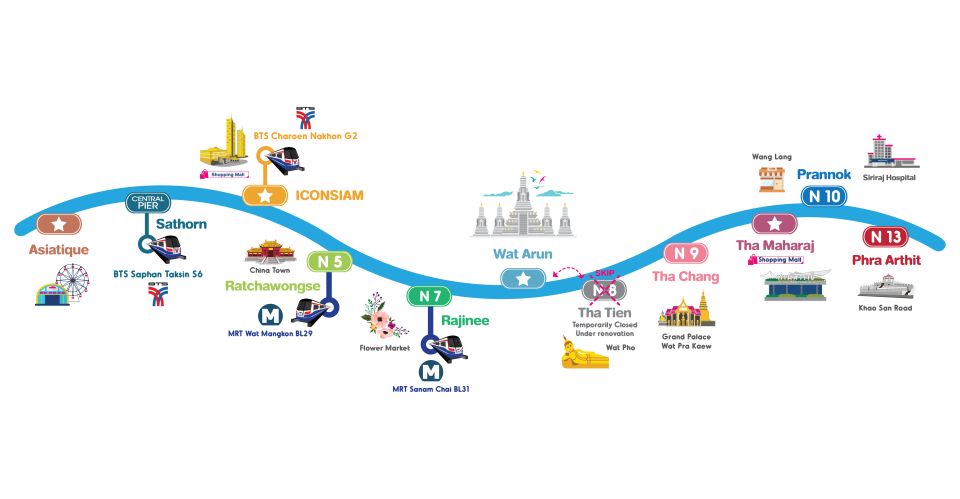
- Your day on the water: 11 piers plus Asiatique at night
- Sathorn Pier: your easiest start (and return anchor)
- Iconsiam Pier: lunch and air-conditioned breathing room
- Ratchawongse Pier: a central hop for changing your direction
- Rajinee Pier: another step in the same river rhythm
- Wat Arun Pier: the temple stop everyone wants to reach
- Tha Chang Pier: a classic river-side pause
- Tha Maharaj Pier: handy for historic-area connections
- Prannok Pier: a lower-key option for moving efficiently
- Phra Arthit Pier: useful for getting in and out of the central stretch
- Rerun your route strategy: how many hop-offs should you plan?
- Asiatique Pier (evening extension): night plan without a separate transport plan
- The boat ride itself: wind, views, and where to sit
- Staff, self-guiding, and the booklet you actually need
- Tips to make the hop-off day feel easy
- Who should book this Bangkok river hop-on hop-off?
- Should you book this Chao Phraya boat pass?
- FAQ
- FAQ
- What areas of Bangkok does the boat route cover?
- How long can I use the ticket?
- What are the operating hours?
- Does the route include an evening extension?
- Where do I meet or board the boat?
- How often do boats arrive?
- What is included with the ticket?
- What is not included?
- What languages are staff available in?
- Is the boat accessible for wheelchair users?
Key takeaways before you buy
- Quick, traffic-free travel: you skip the car-and-taxi chaos and move along the river instead
- 11 piers for real flexibility: hop off where your day takes you, then re-board later
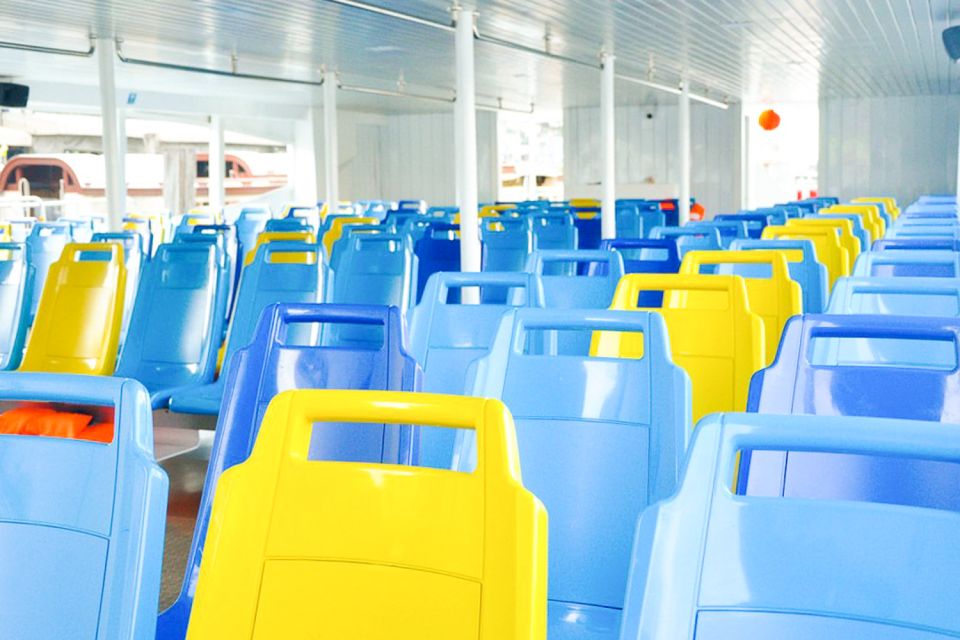
- A double-decker ride for photos and comfort: the top deck gives you open-air views while the lower area can be cooler
- Self-guided with a small booklet: you get info at stops, but it’s not always an on-board narrated tour
- Evening extension to Asiatique: build in a night stop without needing a whole new transport plan
- Best value when you hop multiple times: it pays off most if you use several piers rather than just one
Why this river boat beats Bangkok traffic
Bangkok’s roads can be slow, loud, and hot—especially when you’re jumping between temple areas and shopping zones. This boat route keeps you moving where Bangkok already flows best: the Chao Phraya River. That’s the core win. You spend less time negotiating transport and more time actually seeing the city.
From the deck, you get a different sense of scale than you do from the street. The river is wide, the skyline changes as you travel, and the wind helps make the whole day feel lighter. Even if you’re not a “big sightseeing” person, it’s an easy way to orient yourself fast and understand how the city lines up along the water.
The other big plus is that you’re not locked into one fixed stop. With a hop-on hop-off ticket, you can treat this as a flexible day pass. Start where it’s easiest, jump off for one highlight, then continue to the next.
You can also read our reviews of more tours and experiences in Bangkok.

Price and value: when a pass at about $5 really works
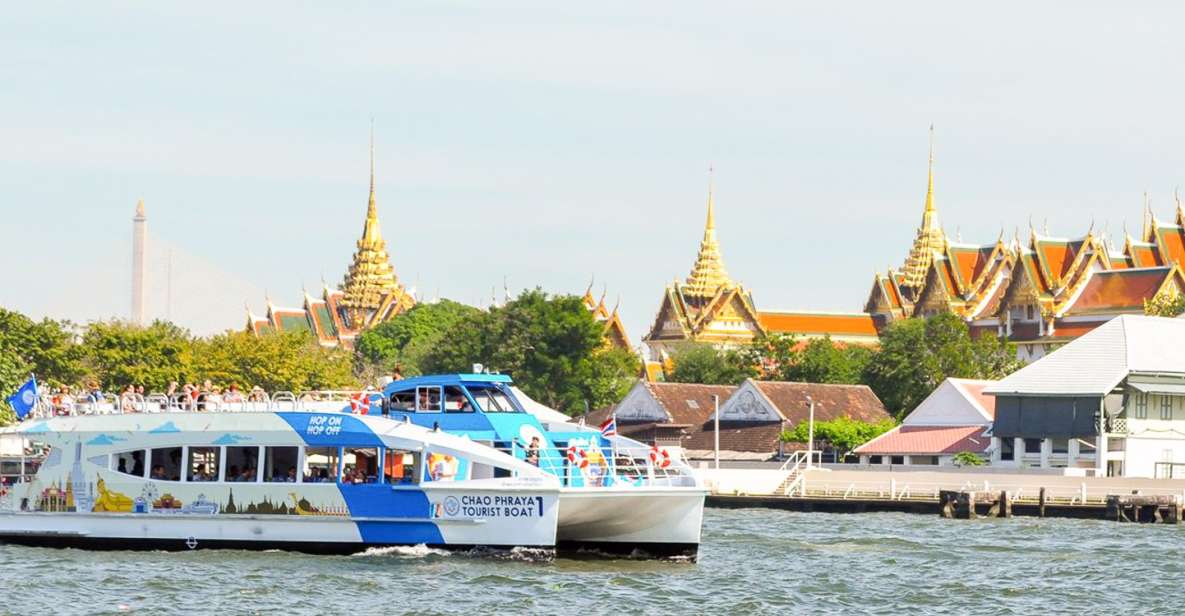
At roughly $4.82 per person for a 1-day hop-on hop-off ticket, the math usually comes down to one question: how many times will you actually use the boat?
One helpful rule of thumb: you’ll feel the value most if you ride multiple segments—think around four or more hop-offs. With 11 piers on the route, that’s very achievable. You can hop for temples in the morning, take a food or shopping break mid-day, then come back for an evening plan.
This pass also saves money indirectly. Instead of paying for multiple short taxi rides or dealing with repeated tuk-tuk or taxi negotiation, you’re using the river transport repeatedly under one price. That’s where the “economical” reviews spirit comes from.
What’s not included is also part of the value picture:
- Entrance fees (temples/palaces cost extra)
- Food and drinks
- Hotel pickup and drop-off
So it’s a transport value ticket, not an all-in-one sightseeing package. If you’re the type who wants to eat and enter on your own schedule, that’s good news.
How the hop-on hop-off works, and where you board
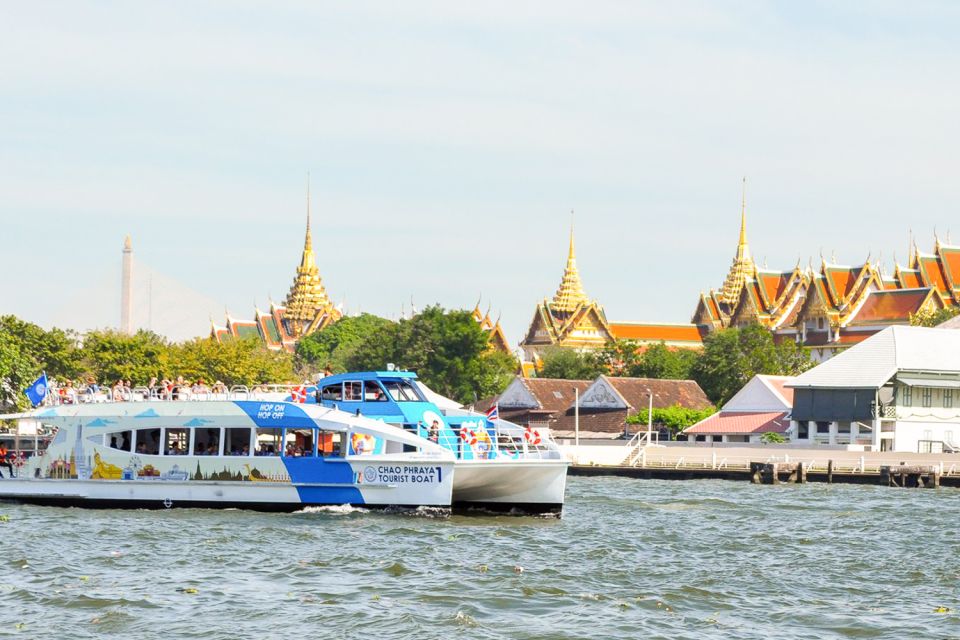
This is the simplest setup in Bangkok tourism-land: you can come to any pier on the route. If you want a straightforward start, you can also go to the Chao Phraya Tourist Boat Sathorn Pier, then look for the red ticket booth or staff wearing red shirts.
A few practical points that matter in real life:
- Timing: the service runs 9:00 AM–7:15 PM with boats arriving about every half hour. That frequency is what makes hop-on hop-off possible without stress.
- Plan for changes: piers may be closed for renovation. If you arrive and don’t see your pier open, the fix is to use another stop that’s still operating on the route.
- Route extension at night: in the evening, the route includes a stop at Asiatique pier, letting you keep your night plan on the river system.
- Where to get your ticket handled: staff are present at the pier areas, and there’s both Thai and English support.
One small caution: I’d treat boat-line signage as something to confirm on the spot. One rider noted the boat was labeled Blue line even when booth info referenced red line. If you’re unsure, ask staff wearing red shirts to point you to the correct boat and direction.
Your day on the water: 11 piers plus Asiatique at night
Below is how I’d think about the route. The pier names are your map. Where you hop off depends on what you want that part of the day to look like—temples, shopping/lunch, or an evening stop.
Sathorn Pier: your easiest start (and return anchor)
This is the pier tied to the main meeting point concept. If you’re trying to keep your day simple, start here and treat it as your “home base” for re-boarding later. When you’re planning sunset or night viewing, having a known return point reduces stress.
If your other target piers are busy or temporarily closed, Sathorn is the one place you know is directly supported by the ticket-booth setup.




Iconsiam Pier: lunch and air-conditioned breathing room
Iconsiam stands out because it’s a built-for-tourists stop. It’s also a smart midday move when Bangkok heat or sun gets annoying. One rider specifically called out stopping here for lunch and shopping, and noted the benefit of having an indoor spot to recover during the day.
In other words: if you’re trying to keep your schedule smooth, Iconsiam is where you can reset before going back to temples or evening sights.
Ratchawongse Pier: a central hop for changing your direction
Ratchawongse is one of the stops that keeps you flexible. I use piers like this as “bridge” points: hop off to explore whatever stretch you’re in, then hop back on when you want to move on quickly without calling another car.
If you’re not sure where to get off first, Ratchawongse can be a practical second stop after you’ve tested the rhythm of the boats.
Rajinee Pier: another step in the same river rhythm
Rajinee is part of the same hop-on system, so think of it as an extra lever. Use it when you want to shift your day to a different segment of the river without paying for a separate commute.
It’s also useful if you’re trying to make your hop-offs line up with temple visiting time windows.
Wat Arun Pier: the temple stop everyone wants to reach
Wat Arun is your obvious anchor if temples are your priority. The whole idea of this route is that you can reach Wat Arun without getting stuck in traffic. Getting there by water also changes the whole feel of the temple visit—you arrive as part of the river scene, not just as a bus-or-car drop-off.
Tip: aim to visit temple areas earlier in the day when you can, then use the boat later for skyline and night views.
Tha Chang Pier: a classic river-side pause
Tha Chang gives you another access point to the river’s central sightseeing zone. I like using piers like this for quick temple-to-market sequencing: hop off, see a major highlight, then continue without backtracking.
If you’re planning a tight day, Tha Chang helps you keep travel time short because the boat does the in-between work.
Tha Maharaj Pier: handy for historic-area connections
Tha Maharaj is another way to approach the old-city side of the river. Even if you don’t stay long, it’s useful because it keeps you in the correct corridor for walking connections to big sights.
This is also a good stop if you want to split your day into zones: one side for palaces/temples, another for shopping or river-walk time.
Prannok Pier: a lower-key option for moving efficiently
Prannok is included for a reason: it extends the coverage of the river route so you’re not limited to just the most famous piers. When you want more flexibility, these additional stops matter.
Use Prannok as a “get me close quickly” option. You might not spend the whole day there, but it helps you stitch together a smooth itinerary.
Phra Arthit Pier: useful for getting in and out of the central stretch
Phra Arthit rounds out the central coverage. I find stops like this useful for travelers who want to do multiple areas in one day and avoid repeated car rides.
If you’re thinking about ending your day near more lively zones, using Phra Arthit at the right time can help you avoid the last-minute transport scramble.
Rerun your route strategy: how many hop-offs should you plan?
With 11 piers, it’s tempting to do everything. I’d still keep the day realistic:
- Morning: do the temple-or-outdoor parts while the city feels less punishing
- Midday: use a shopping/indoor stop (Iconsiam is the standout)
- Afternoon into evening: keep your hops lighter, then save night vibes for later
The upside of the hop-on system is you can adjust on the fly based on your energy and the pace of the lines at the sights.
Asiatique Pier (evening extension): night plan without a separate transport plan
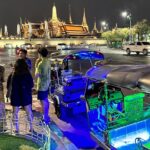
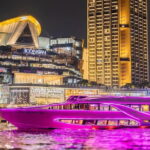
The evening extension stop at Asiatique is the easiest “upgrade” for your day. One rider described getting off at Asiatique at night, using it as a place to eat quickly and even visiting the Ferris wheel, then returning in time via the boat back toward Sathorn.
If your goal includes sunset or seeing parts of Bangkok lit up, this is where you build it in.
The one caution: your boat service has a defined end time. After you choose Asiatique, plan your re-boarding so you’re not racing the final hours.
The boat ride itself: wind, views, and where to sit
This ride has two moods: daytime sightseeing and golden-hour river views.
On the water, you get:
- wind in your hair (this is the whole appeal)
- panoramic views from the deck
- a cooler-feeling alternative when you’re tired of heat
Several riders noted comfort details like an air-conditioned downstairs area, which makes a big difference if the sun has been intense.
For views, timing matters. If you can, do some of your river time close to sunset. The river turns into a moving viewpoint. Then, later on, the water makes the skyline feel more dramatic than you’d get from street-level traffic.
And yes, it’s a well-maintained boat. That matters because you’ll be spending real hours on board.
Staff, self-guiding, and the booklet you actually need
This is not a heavy, narrated tour in the “sit and listen” sense. You do get a travel guide booklet and there’s host/greeter support in Thai and English, but the format tends toward self-guided exploring.
That said, the on-ground experience can vary:
- Some people reported no on-board guide or audio, relying on the booklet for what to look for at each stop.
- Others had friendly guides who helped keep things organized and answered questions (names like Tom, May, and Aekapohl came up).
So my advice is simple: treat this as self-guided by default, then lean on staff if you want extra help.
If you like clear instructions, pick up the booklet and study the stop notes before you head out. It’s also useful when you’re figuring out the easiest pier for your next target.
Tips to make the hop-off day feel easy
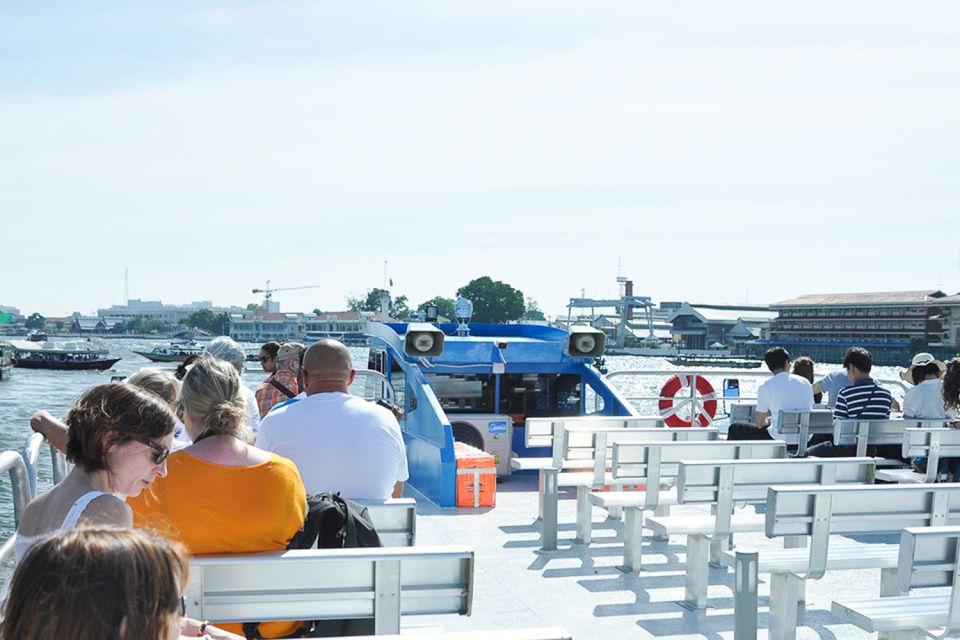
The whole point is convenience, so I focus on what reduces friction:
Use the frequency to your advantage. Boats come about every half hour. If you miss one, another is usually close behind. That rhythm is what prevents the “hop-off stress spiral.”
Don’t overstuff your schedule. You’ll do more with fewer perfect stops. This is especially true if you’re also paying entrance fees and factoring in walking time from piers to sights.
Have a plan for pier closures. Because piers can be closed for renovation, you need a backup hop-off pier that still works. If your target pier is down, stay on the route concept and swap to the closest open alternative.
If a wait gets long, adjust. One rider said waiting for the next boat sometimes felt longer than expected, and suggested buying so-called one-way tickets at the pier for connections with other companies. That’s not always necessary, but it’s a useful escape hatch when you’re on a tight timeline.
Know when your boat-day becomes an evening plan. Since the route extends to Asiatique at night, decide early if you want that stop. If you do, build your return time around it.
Who should book this Bangkok river hop-on hop-off?
This is a strong choice for:
- first-timers who want the easiest way to see the main sights along the river
- budget-minded travelers who want value instead of constant taxi calls
- people who prefer exploring on their own schedule (self-guided fits well)
- families and groups who benefit from the simple boarding rhythm
- anyone who wants a wheelchair-accessible option (it’s listed as wheelchair accessible)
It’s especially good if your must-sees include the big river-area temples like Wat Arun and sights in the Grand Palace orbit. The route structure is designed for those connections.
If you’re the type who wants a full guided commentary all day and zero independent decision-making, you might feel slightly less satisfied—because the format is more booklet-and-stops than nonstop narration.
Should you book this Chao Phraya boat pass?
I’d book it if you want the most Bangkok sightseeing per hour without getting stuck in traffic, and if you’re likely to use the hop-on system several times. At about five bucks for an all-day ride across 11 piers, it’s a simple value play—especially when you factor in how much it reduces transport hassle.
I wouldn’t treat it like a perfect fit if you need an always-on guided tour experience, or if your plan depends on one specific pier that might be closed for renovation. In that case, you can still use the route, but you’ll want a backup.
If you like flexible travel days—temples in the morning, breaks mid-day, night views later—this river pass is a very practical way to do it.
FAQ
FAQ
What areas of Bangkok does the boat route cover?
The hop-on hop-off route includes 11 piers: Sathorn, Iconsiam, Ratchawongse, Rajinee, Wat Arun, Tha Chang, Tha Maharaj, Prannok, Phra Arthit, plus additional route stops as part of the same river service.
How long can I use the ticket?
The ticket is valid for 1 day.
What are the operating hours?
The boat operates from 9:00 AM to 7:15 PM.
Does the route include an evening extension?
Yes. The route is extended in the evening with a stop at Asiatique pier.
Where do I meet or board the boat?
You can come to any pier on the route. For a specific meeting point, use the Chao Phraya Tourist Boat Sathorn Pier and look for the red ticket booth or staff wearing red shirts.
How often do boats arrive?
Boats are scheduled to arrive roughly every half hour.
What is included with the ticket?
Included: the hop-on hop-off boat ticket and a travel guide booklet.
What is not included?
Not included: entrance fees, food and drinks, and hotel pickup and drop-off.
What languages are staff available in?
Host or greeter support is available in Thai and English.
Is the boat accessible for wheelchair users?
Yes, wheelchair accessibility is listed for this experience.