REVIEW · BANGKOK
Bangkok: Ayutthaya & Local Market Tour In Spanish or English
Book on GetYourGuide →Operated by MONKEY TRAVEL ASIA by Ask Discovery · Bookable on GetYourGuide
Tree-root Buddha in Ayutthaya grabs your attention fast. This 7-hour day trip from Bangkok mixes big temple moments with practical pacing, so you can actually see the details (not just pose and sprint). I especially like the guided temple route and the way it hits multiple iconic viewpoints, including Wat Mahathat.
I also like the simple logistics: round-trip transport with AC and an official guide handling the history, so you can focus on where you’re standing and what you’re looking at. One possible drawback: because the guide speaks Spanish and English at the same time, you may occasionally have to choose which language to follow—especially when questions are flying.
And since Bangkok traffic is real, plan to arrive early at your pickup point. The tour policy is clear: it won’t wait for late arrivals, so being on time matters more than you’d expect for a day that’s only seven hours long.
In This Review
- Key things that make this Ayutthaya tour worth it
- Ayutthaya in one day: what you’re really setting out to see
- Pick-up and traffic: the first test of your day
- Wat Yai Chai Mongkhon: stupa views and that first calming stop
- Wat Mahathat and the tree-root Buddha: the image that lives up close
- Wihan Phra Mongkhon Bophit: use the free time well
- Wat Lokaya Sutha: outdoor reclining Buddha with a nature backdrop
- Wat Chaiwatthanaram on the riverbank: the classic finale view
- The local market stop: small, useful, and best for snacks
- Guides, languages, and how to handle Spanish + English at the same time
- Price and value check: what $157 buys you besides temples
- What to bring: sun, bugs, comfort, and the bag rule
- Who this is best for (and who should skip it)
- Should you book this Ayutthaya tour?
- FAQ
- How long is the Bangkok to Ayutthaya tour?
- What languages are the guides?
- What’s included in the price?
- Is lunch or food included?
- What should I bring for the temples and market?
- Where will I be picked up and dropped off?
Key things that make this Ayutthaya tour worth it
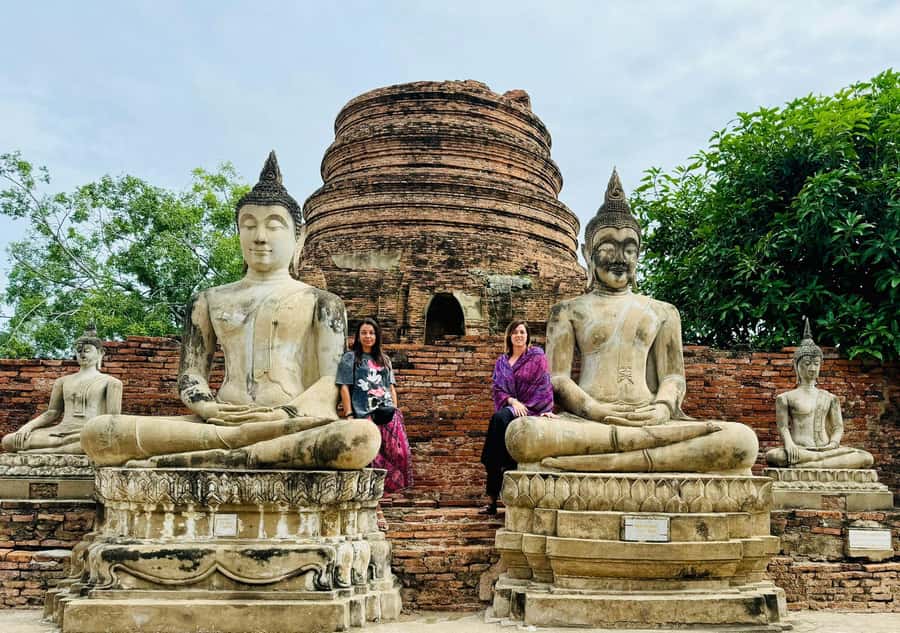
- Wat Mahathat’s tree-root Buddha: one stop that feels instantly recognizable, even if it’s your first time in Ayutthaya
- Multiple major temples in one day: you get temples with different vibes—stupas, courtyards, reclining Buddha statues, and riverbank views
- A live guide who explains the why: guides like Afonso/Alfonso and Yui are praised for clear, history-heavy storytelling
- AC round-trip from central Bangkok: you spend less time stressing about transport and more time looking around
- Local market time: not huge, but it’s a good taste of everyday Thai life and snacks you can pick up on your own
Ayutthaya in one day: what you’re really setting out to see
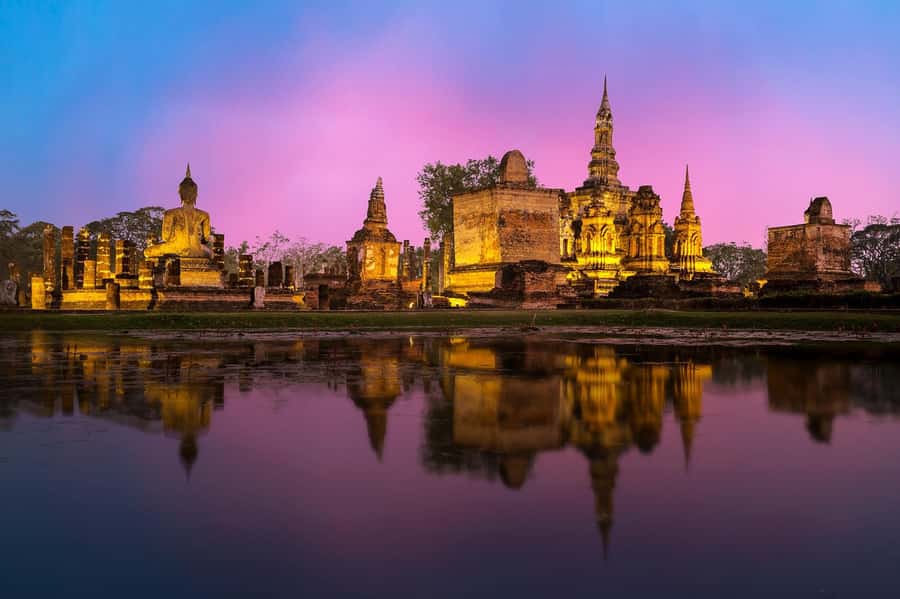
Ayutthaya is the former capital of Thailand, and temples there don’t feel like museum pieces. They sit in a landscape where trees, roots, and outdoor weather are part of the show. That’s why the famous images work so well in person: you’re not just viewing history—you’re seeing it where it still lives.
This tour is built around a focused loop of big sites: Wat Yai Chai Mongkhon, Wat Mahathat, Wat Lokaya Sutha, and Wat Chaiwatthanaram, plus a short free-time window at Wihan Phra Mongkhon Bophit. For a single day, it’s a lot of landmark power—temples that look different from one another rather than repeating the same scenery.
The value angle is straightforward. For $157, you’re getting round-trip transport, an official guide, Ayutthaya entry tickets, and mandatory travel insurance. You still pay for your own food, but you’re not getting hit with ticket hassles mid-day, which is a big deal when you’re on a schedule.
You can also read our reviews of more tours and experiences in Bangkok.
Pick-up and traffic: the first test of your day
You’ll have several pickup options around central Bangkok, including areas like Wat Phra Chetuphon (Wat Pho), Asok BTS Station, Nana Plaza, Silom Complex, and more. That’s convenient—if you choose the location closest to where you’re staying, you won’t burn your morning crossing the city.
Here’s the part that matters: Bangkok traffic can mess with timing. The tour starts based on the agreed pickup schedule, and the operator won’t wait for late arrivals. If you’re late, you’re not getting a refund for missing the start.
My practical advice: treat the meeting time like an appointment you can’t reschedule. If you’re unsure how long it’ll take to reach the pickup spot, go early and wait. Waiting is cheaper than losing the tour.
Wat Yai Chai Mongkhon: stupa views and that first calming stop
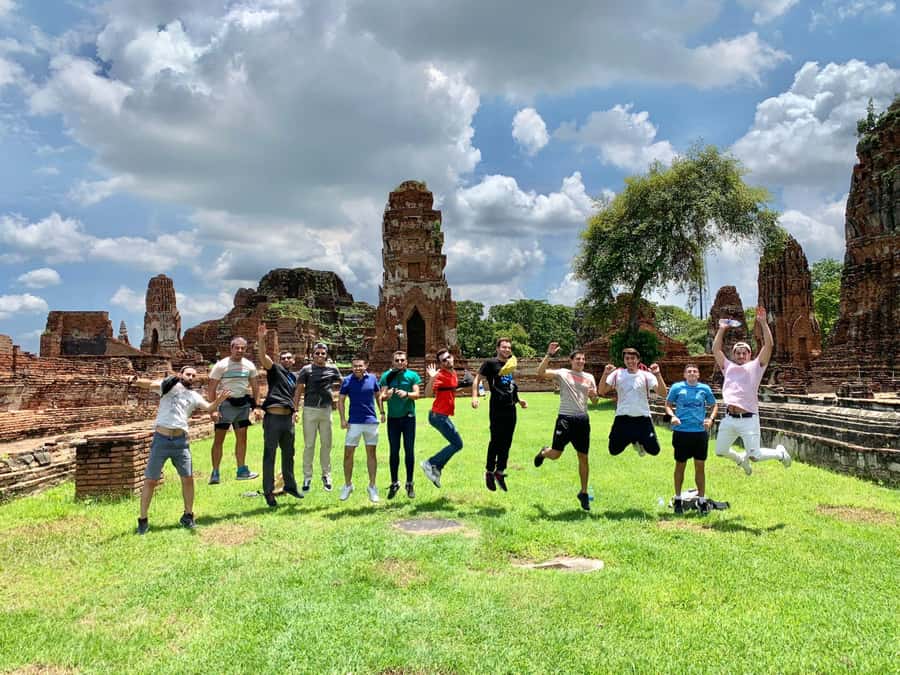
Your first major temple stop is Wat Yai Chai Mongkhon, and it’s a strong opener. You get a guided visit, so you’re not standing in a big historical site wondering what you’re looking at.
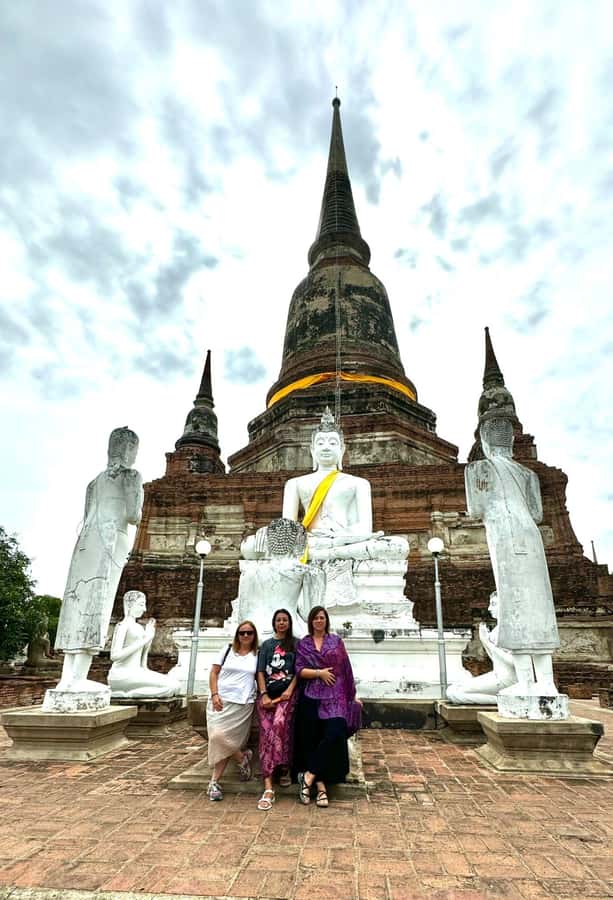
This temple is known for its impressive stupa and a reclining Buddha statue, plus rows of monk figures that create a peaceful visual rhythm for photos. It’s one of those places where you can slow down. The guide’s context helps you notice details you’d otherwise miss—like how the site layout supports both religious practice and visitor viewing.
If you’re the type who likes photographs, this is a great first target. Early in the day, you’re fresher, the light is often better, and you’ll be less tired when you start walking between courtyards.
Wat Mahathat and the tree-root Buddha: the image that lives up close
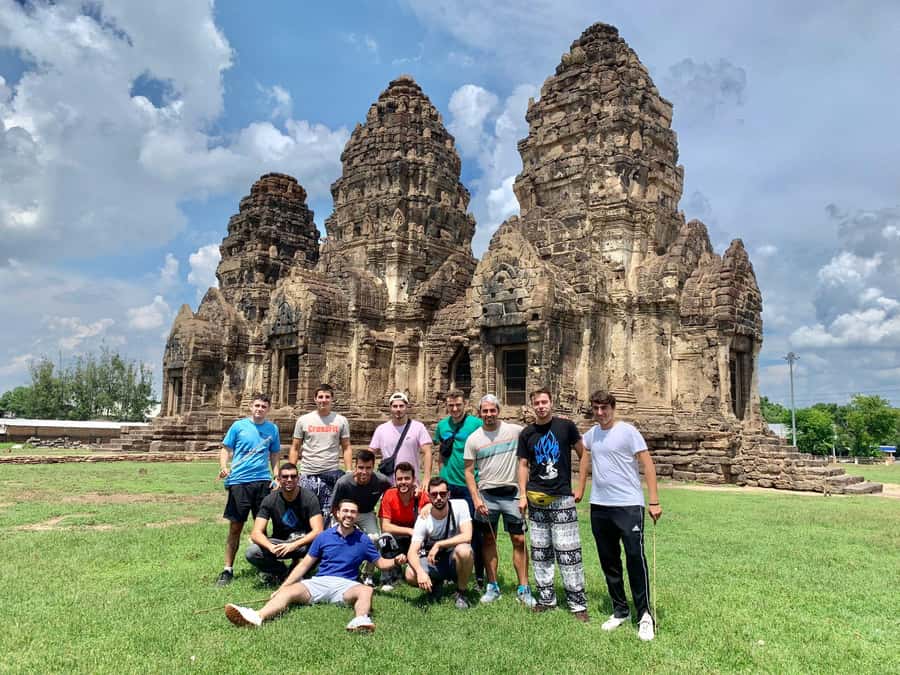
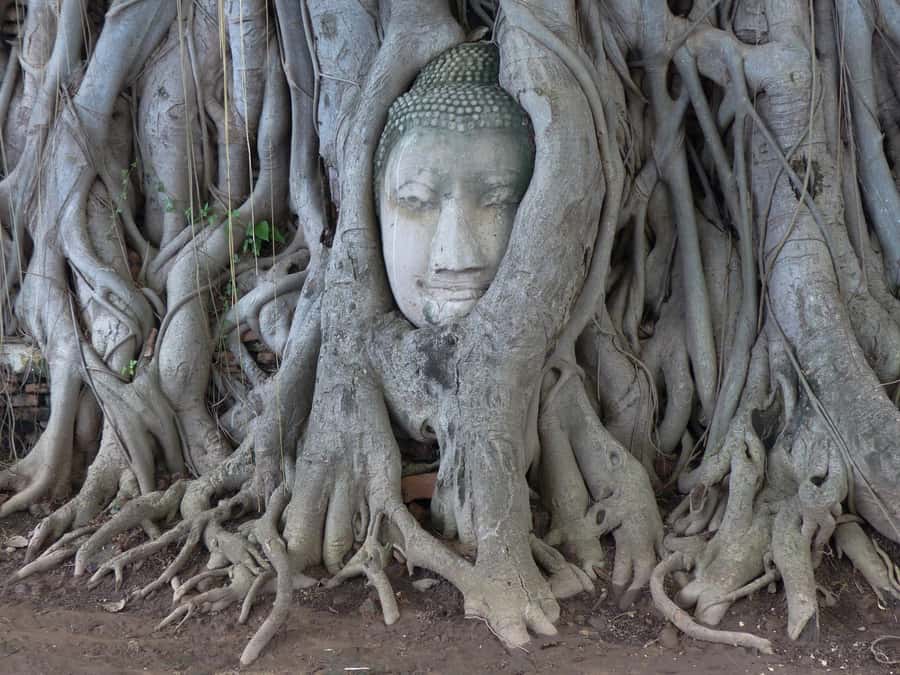
Next up is Wat Mahathat, one of Ayutthaya’s oldest temples and the one people travel for. The headline is the iconic Buddha head entwined in tree roots.
In photos, it looks like a perfect ruin scene. In real life, it’s even more striking because you see the scale and texture: the roots feel like they’re actively part of the architecture rather than just decorative overgrowth. You also get time to see the surrounding area so it doesn’t become only a single photo moment.
What I like about this stop is that it connects nature and history without feeling like a gimmick. The guide helps explain why that symbolism matters, and suddenly it isn’t just a postcard—it’s a meaningful visual.
Wihan Phra Mongkhon Bophit: use the free time well
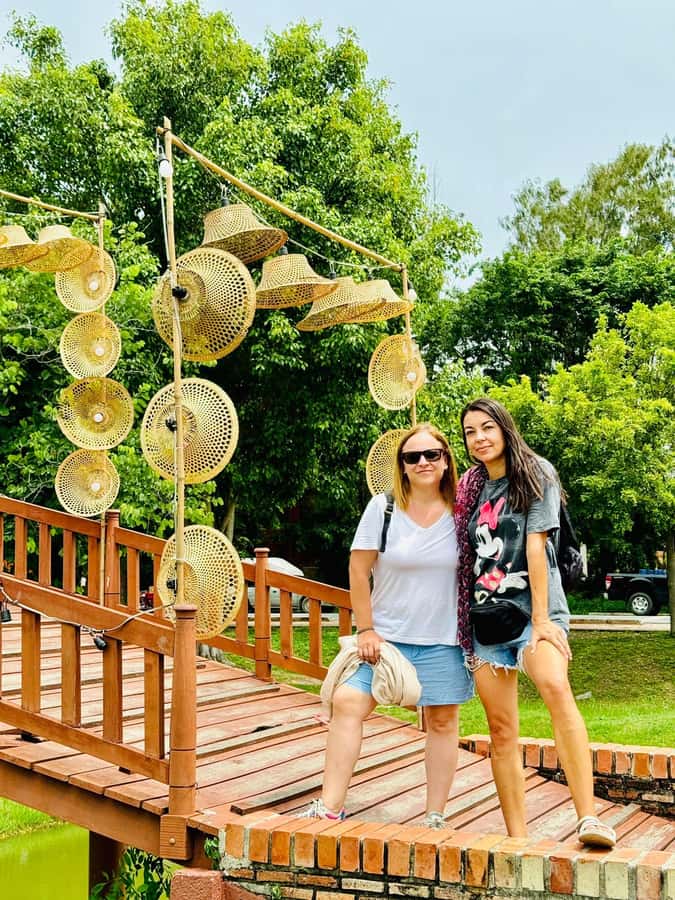
Between guided temples, you get free time at Wihan Phra Mongkhon Bophit. Since this segment isn’t described as a structured tour moment, treat it like a reset.
Use this break for:
- stepping away from groups to look at details at your own pace
- taking water breaks and a short breather
- planning how you want to spend your energy for the next two temples
This is also where language pacing can matter. If you’re following the guide in one language, free time lets you pause without feeling like you’re missing instructions.



Wat Lokaya Sutha: outdoor reclining Buddha with a nature backdrop
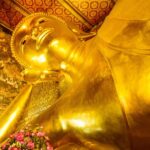
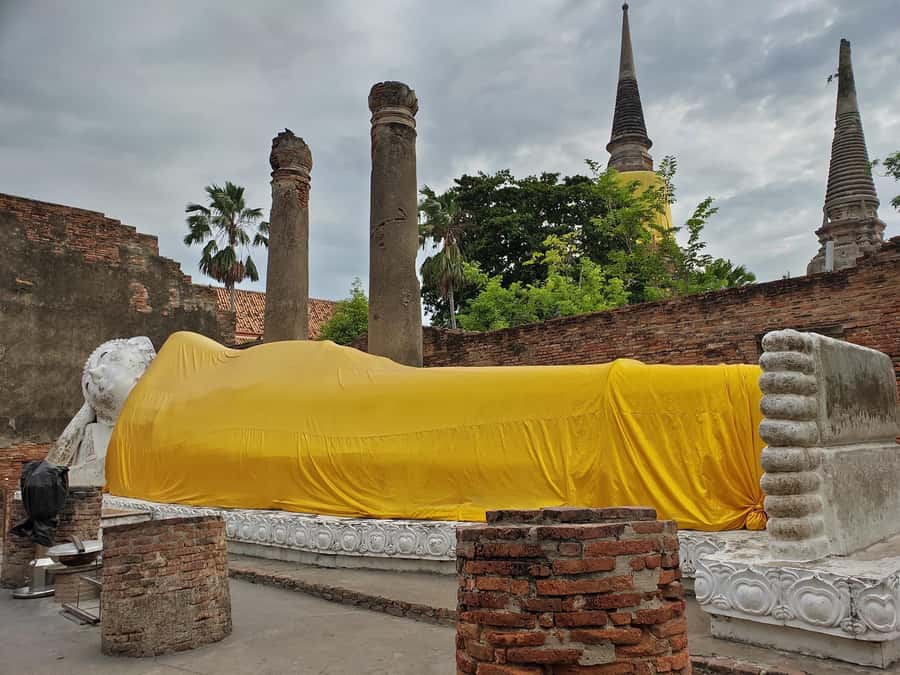
Then comes Wat Lokaya Sutha, another guided stop, and this one is built around a massive outdoor Reclining Buddha. What makes it special is the way the statue sits in an open-air setting. You can see the scale from multiple angles, and the outdoor light does a lot of the work for you.
One practical note: sometimes the temple setting can include restoration or construction around key areas. In at least one case, a reclining Buddha was reported to be under reconstruction, so it’s possible your experience could vary slightly depending on what’s happening on the day you go. If you’re scheduling around specific photo expectations, keep your expectations flexible.
Still, even with that caveat, this is one of the “big presence” stops. It’s easy to understand why Ayutthaya’s standout images often involve monumental statues framed by the surrounding environment.
Wat Chaiwatthanaram on the riverbank: the classic finale view
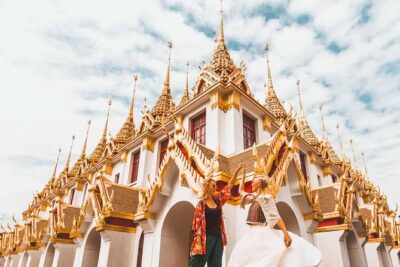
Your last temple stop is Wat Chaiwatthanaram, which sits along the riverbank and is often considered one of Ayutthaya’s most majestic layouts.
This is the kind of temple that rewards you for standing back and looking. Up close, you get the textures and structure. From a little farther away, you get the overall composition, and it makes the place feel grand even without needing extra explanation.
If your timing works out, this is also where your photos start looking more “travel album” and less like quick snapshots. The guide’s context at this stage helps you connect what you’ve already seen—so the finale feels like a complete story, not a checklist.
The local market stop: small, useful, and best for snacks
There’s a local market stop included, and it’s meant for Thai culture in a more everyday form than temples. You’ll see colors, produce, and handicrafts, and you get a chance to browse at human speed.
A couple of real-world expectations:
- The market is small rather than a full-on shopping district.
- It’s a good place to snack, grab a drink, or buy small items.
Some guides have been praised for getting desserts from the market for people to try, which is the kind of detail that turns a quick market stop into a memory. Just remember: food and drinks are not included, so plan to pay out of pocket.
If you love markets, you’ll enjoy this as a contrast. If you’re expecting a massive bazaar, you’ll probably want to keep your shopping goals modest.
Guides, languages, and how to handle Spanish + English at the same time
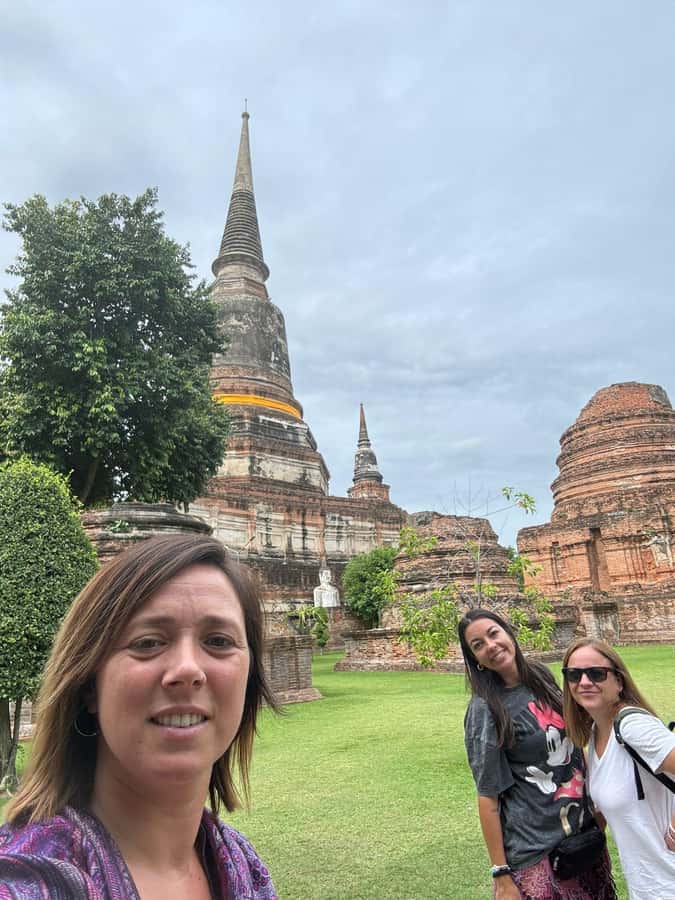
This tour is offered with a live guide in Spanish and English. In practice, that can mean the guide is speaking both languages (sometimes in parallel), and it’s great if you speak either one well. It’s less great if you’re trying to catch every word in both languages at once.
Here’s how I’d handle it:
- If your Spanish is stronger, focus on Spanish for facts and story beats.
- If your English is stronger, do the same in English.
- If you want questions answered, wait until the guide pauses, then jump in with your preferred language.
Guides like Afonso/Alfonso and Yui have been noted for being funny, kind, and full of information, which helps a lot. Even when translation is imperfect, the key facts usually land because the guide’s explanations stay tied to what you’re seeing in front of you.
Price and value check: what $157 buys you besides temples
At $157 per person, you’re not just paying for transportation. You’re also paying for:
- an AC vehicle and round-trip Bangkok travel
- an official guide with guided visits
- Ayutthaya entry tickets
- mandatory travel insurance
That combination matters. In many trips, you end up playing ticket-passing-or-not games. Here, the tickets are included, which keeps you moving on schedule.
The things you’ll pay separately are also clear: food and drinks and personal expenses. Since you get a market stop and a bit of free time, you can eat on your own plan. This is usually easier than feeling locked into a specific restaurant where the food may not match your preferences.
If you’re a first-time visitor to Ayutthaya, this price looks reasonable because the guide adds meaning to each temple, and you cover multiple major sites without needing to arrange your own transport and admissions.
What to bring: sun, bugs, comfort, and the bag rule
This tour is outdoors more than you might expect, so pack like it’s a warm day in Thailand (because it is).
Bring:
- comfortable shoes (temple walking adds up)
- sunglasses, sun hat, and sunscreen
- insect repellent
- passport or ID card
And note the restriction: no luggage or large bags. Travel light. A small day bag is the safe approach.
Also, you’re in a place where alcohol and drugs are not allowed. Keep it simple and respectful.
Who this is best for (and who should skip it)
This tour is a good fit if:
- you want a guided day that strings together major Ayutthaya temples
- you enjoy history explanations tied to real landmarks
- you prefer organized pickup and drop-off over figuring everything out
It may be a poor match if:
- you have mobility impairments (not suitable)
- you’re trying to catch a flight the same day (not recommended)
- you hate bilingual guiding even when you can follow only one language
Because the day is scheduled and the tour won’t wait for late arrivals, it also suits people who like to be punctual and stay flexible.
Should you book this Ayutthaya tour?
I’d book it if you want a solid first look at Ayutthaya with clear temple stops, a guide who explains what you’re seeing, and transport that takes stress off the morning and evening. The fact that entry tickets are included is also a real time-saver.
I’d think twice if you’re very language-sensitive (Spanish + English at the same time can be annoying) or if you want a long market adventure. This tour aims to cover the big temple hits, not to turn the day into a full shopping marathon.
If you’re deciding between this and a do-it-yourself plan, this is usually the better choice for most visitors—especially the first time—because it packages the major sights, tickets, and guided context in one smooth day.
FAQ
How long is the Bangkok to Ayutthaya tour?
It lasts about 7 hours total, including round-trip transport time.
What languages are the guides?
The live guide speaks Spanish and English.
What’s included in the price?
The price includes round-trip transport from Bangkok, an AC vehicle, an official guide, Ayutthaya entry tickets, and mandatory travel insurance.
Is lunch or food included?
No. Food and drinks are not included, so you’ll want to plan your own meals during free time or at the market.
What should I bring for the temples and market?
Bring passport or ID, comfortable shoes, sunglasses, a sun hat, sunscreen, and insect repellent.
Where will I be picked up and dropped off?
You’ll have multiple pickup options around central Bangkok, and you’ll also have multiple drop-off options afterward (including areas like Asok BTS Station, Wat Pho, Nana Plaza, and others).