REVIEW · BANGKOK
Baipai Thai Cooking School Class in Bangkok
Book on Viator →Operated by Tour East Thailand · Bookable on Viator
Thai cooking class in a peaceful Bangkok oasis. At Baipai Thai Cooking School, the day starts with easy hotel pickup and ends with you eating what you cooked, plus recipes you can actually use later. I like how the instructors keep things friendly and practical, with teachers such as Pae and Chef Eye guiding you through real Thai techniques in English.
One thing to plan for: the main cooking setup is open-air, so if you get heat-sensitive, bring water habits and dress smart.
In This Review
- Key things to know before you go
- Why Baipai Feels Like a Retreat From Bangkok
- Pickup, Van Rides, and Getting to the School
- The Start: Thai Ingredients, Garden Notes, and Tasting
- Cook Your Own Four Dishes (No Knife Skills Required)
- What You Actually Eat, and How Thai Meals Are Built
- Step-by-Step Teaching in English: How the Class Stays Manageable
- Take-Home Recipes: Cards, Cookbook, and Real-World Substitutions
- Practical Tips: What to Wear, Bring, and Handle the Heat
- Price and Value for a 4-Hour Thai Lunch Course
- Should You Book This Cooking Class in Bangkok?
- FAQ
- How long is the Baipai Thai Cooking School class?
- Do I need any cooking experience before I join?
- Is hotel pickup and drop-off included?
- What food do I get during the class?
- What languages is the class taught in?
- What is the age requirement?
- Is it refundable if I cancel?
Key things to know before you go
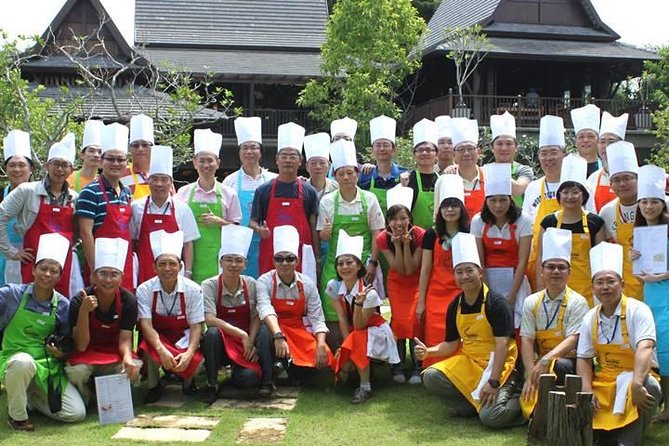
- Hotel pickup and drop-off in an air-conditioned vehicle take the stress out of getting across Bangkok traffic.
- Four dishes in one class means you cook, eat, and walk out satisfied, not starving and empty-handed.
- Hands-on stations let you work at your own pace, with staff stepping in when you hit a snag.
- English instruction makes the techniques easier to follow and the steps easier to repeat at home.
- Take-home recipes include both a cookbook and free recipe cards for the dishes you make.
- A calm property experience: you enter through gates and suddenly feel like you left the city behind.
Why Baipai Feels Like a Retreat From Bangkok
Bangkok can hit you fast. Noise. Cars. Heat. Baipai’s biggest trick is that it turns that chaos into something calmer the moment you arrive. The school sits on a property that feels private and garden-like, with open space around the cooking areas. More than one person notes that you get a real sense of stepping out of the city without needing to travel far.
That matters, because Thai cooking is hands-on. If you’re stressed or distracted, it’s harder to learn. A calmer setting helps you focus on the smells, textures, and small technique details that make Thai food taste right.
And it’s not just pretty scenery. The setup is designed for you to work comfortably at stations, cook your own dishes, then sit down to eat what you made. That rhythm is what turns this from a demo into a skill you can repeat.
You can also read our reviews of more tours and experiences in Bangkok.



Pickup, Van Rides, and Getting to the School
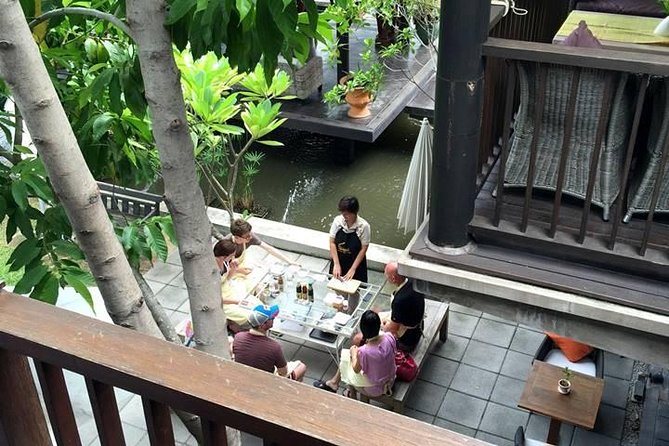
This class includes hotel pickup and drop-off, using an air-conditioned vehicle. That’s a big value point in Bangkok, where getting around can eat your time and energy.
You’ll provide your hotel details when booking. The pickup list includes many hotels near key areas and select surrounding neighborhoods, and the schedule covers places in the Bang Na and Viphavadee areas, along with other select pickup zones. If your hotel isn’t listed, you still may be included in select areas, but you’ll want to double-check while booking.
Practical tip: keep your morning flexible. Even a short drive in Bangkok can stretch if traffic decides to play games. The upside is that once you’re on the route, the experience feels organized and straightforward.
The Start: Thai Ingredients, Garden Notes, and Tasting
Before you start cooking, you get a multi-sensory introduction to Thai flavors and ingredients. That can include learning how key items are used and why they matter, not just what to add.
A common early step is getting acquainted with ingredients you’ll use later—things like herbs and produce sourced from the school’s garden area. You may also taste some fruits or vegetables and learn what they bring to Thai dishes. The point isn’t to turn you into a botanist. It’s to help you recognize the ingredients and understand how they behave in a dish.
This is where the teaching style really helps. In English, instructors like Toon, Som, Pae, and others explain what to look for and how to handle ingredients so your cooking doesn’t become guesswork.
If you’re the type who likes knowing why something works, you’ll probably enjoy this part. You’ll feel more confident once the stove starts calling your name.
Cook Your Own Four Dishes (No Knife Skills Required)
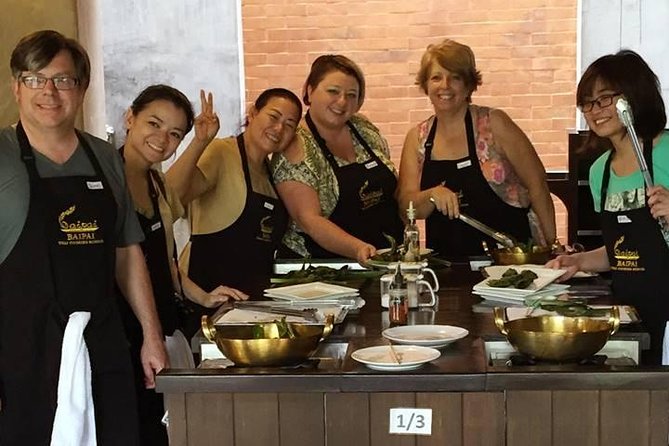
The core of the class is cooking. You’ll prepare four authentic Thai dishes during the session, using techniques taught step by step. The big selling point here is that you do the work. You’re not just watching a chef plate food and walk away.
Most classes follow a structure where you’re assigned your own cooking station(s). You prepped ingredients for the dishes, then cook them yourself. People often say the dishes are designed so beginners can succeed, and that staff are there when you get stuck.
The menus can vary, but the dishes you may cook include Thai classics such as:
- Papaya salad (the sweet-sour-salty balance is the lesson)
- Chicken in pandanus leaves (wrapping technique and aroma)
- Thai red curry (paste handling and flavor building)
- A sweet like coconut sticky rice with mango
- You may also see soup or other appetizer-style components as part of the overall meal sequence
Why this matters: when you cook curry, you’re not only learning the final taste. You learn how Thai flavors get layered—aromatics first, then curry paste, then liquids, then balancing. Same idea with salad and sweets: you learn the “balance rules,” not just the ingredient list.
Also, the pacing is designed to keep you moving. The class is hands-on, but it isn’t so chaotic that you feel like you’re behind. Individual attention is built in, especially at moments where technique matters (wrapping, stirring consistency, heat control).
What You Actually Eat, and How Thai Meals Are Built
A Thai cooking class should end with you eating something worth your effort. Here, you cook and then sit down for lunch that includes what you made.
You can expect a meal sequence that often includes:
- an appetizer or salad-style dish
- a soup course at times
- a curry main
- and a dessert
That structure is useful because it gives you a real sense of how Thai meals work together. Sweet offsets spicy. Sour lifts rich curry. Fresh herbs add brightness. If you’ve only had Thai food outside Bangkok, this helps you understand why Thai flavors feel balanced instead of random.
And it’s not just about tasting. It’s about tasting your own version. The moment you eat what you cooked, the lessons click—especially around saltiness, acidity, sweetness, and spice levels.
If you want to bring Thai cooking confidence home, this meal part is the payoff.






Step-by-Step Teaching in English: How the Class Stays Manageable
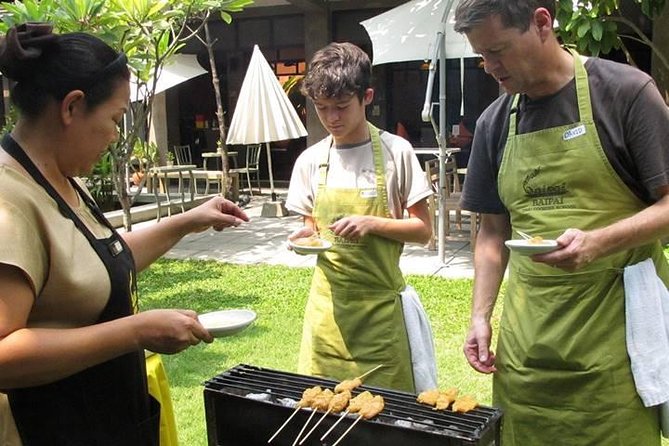
It’s taught in English, and that’s huge for cooking classes. Food is full of sensory terms, and if language gets in the way, you lose key instructions.
The teaching style is also very “do this, then do that.” People describe the class as clear and supportive, with staff stepping in to help when a step needs correcting. In one example, an instructor helped a student redo a pandanus leaf wrapping so it looked right and worked right.
That kind of attention matters, because Thai cooking has small technique details that affect texture and flavor. A curry can taste good even if your paste isn’t perfect. But salad balance, leaf wrapping, and dessert consistency punish shortcuts.
The good news: you’re not expected to be a kitchen expert. You’re expected to follow instructions, ask questions, and practice the steps in a low-pressure way. This class is built for that.
Take-Home Recipes: Cards, Cookbook, and Real-World Substitutions
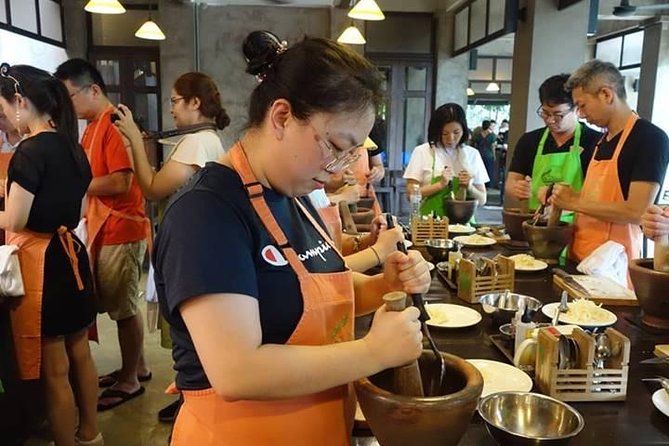
You get more than just a memory. You’ll leave with recipe materials, including free recipe cards and a cookbook (a handy holder for the recipes shows up as part of the experience).
This matters for two reasons:
- Thai cooking relies on fresh ingredients and flavor balance. A written guide helps you recreate that balance later.
- Cooking at home is slower than cooking in class. You’ll want steps you can revisit once your brain calms down after the market smells and curry steam.
What to look for in the take-home recipes: whether they explain the roles of ingredients (like what to do if something tastes too sour or too flat). The best classes don’t just list ingredients—they help you troubleshoot.
Practical tip: Thai ingredients that are common in Bangkok may be harder to find at home. If your cookbook includes alternatives or guidance for where to source items, you’ll be able to adapt without ruining the dish.
Practical Tips: What to Wear, Bring, and Handle the Heat
This is a warm-weather-friendly city, but the cooking area can be open-air. That means you should plan for heat.
Here’s how to make it easier:
- Wear comfortable clothes you don’t mind getting splashed while you stir sauces or prep salads.
- Bring a water strategy. The setup provides cold water during class, but you’ll still want to drink regularly.
- If you’re sensitive to sun or humidity, consider wearing a light layer you can remove and a cap.
- Expect a bit of outdoor temperature during the open-air cooking.
Also, bring your appetite. This is a lunch-focused experience, and you’re actively cooking four dishes. You’ll want energy for the full session.
And since staff will help with technique, don’t stress about being slow at first. The class is designed so you can learn the steps as you go.
Price and Value for a 4-Hour Thai Lunch Course
At $88.99 per person for about 4 hours, you’re paying for more than a recipe. You’re paying for:
- instruction in English
- an organized cooking setup with staff at stations
- lunch using the dishes you cook
- take-home materials (recipe cards plus a cookbook)
- hotel pickup and drop-off in an air-conditioned vehicle
In Bangkok terms, that’s strong value because transportation and time can be expensive and stressful on your own. When pickup is included, you don’t have to solve routes, parking, or whether you’ll get back before your afternoon plans collapse.
The class also caps at a maximum group size (up to 30), which helps keep the experience active and moving instead of turning into a long lecture.
Is it the cheapest thing you’ll do in Bangkok? No. But if you want a hands-on skill—plus lunch plus materials—this price starts to look fair fast.
Should You Book This Cooking Class in Bangkok?
Book it if you want a practical Thai cooking skill, not just a meal out. If you like the idea of cooking four dishes with real instructors in English, leaving with recipe cards and a cookbook, this is a smart half-day plan.
You should also book it if you value convenience. Hotel pickup and drop-off make a big difference when you’re working around traffic and heat.
Skip or reconsider if open-air cooking isn’t your thing. If you’re highly heat-sensitive, or you need a fully indoor, climate-controlled environment, you may find this setup uncomfortable.
One more thing: you’ll be asked for your hotel details at booking. Make sure you enter them correctly so your pickup doesn’t get messed up. And if your travel plans are uncertain, know that changes and cancellations can be tough with this type of experience.
FAQ
How long is the Baipai Thai Cooking School class?
The class runs about 4 hours.
Do I need any cooking experience before I join?
No prior kitchen experience is necessary.
Is hotel pickup and drop-off included?
Yes. The experience includes hotel pickup and drop-off, with an air-conditioned vehicle.
What food do I get during the class?
You cook and eat a Thai lunch, made up of the dishes prepared during the session.
What languages is the class taught in?
The class is taught in English.
What is the age requirement?
The minimum age is 18 years.
Is it refundable if I cancel?
This experience is non-refundable and cannot be changed for any reason.
If you tell me your hotel area (or the hotel name), I can help you sanity-check whether the pickup list is a match and what to expect time-wise.