REVIEW · AYUTTHAYA
Ayutthaya City and Historical Park Bike Tour
Book on GetYourGuide →Operated by Recreational Bangkok Biking · Bookable on GetYourGuide
Ayutthaya feels big fast, so a bike tour keeps it manageable. I love the way you roll right onto the Pom Phet fortress section of the old city walls, then connect that to the temple pair at Wat Mahathat. The only real catch is heat: even with an easy ride, you’ll sweat, so pick a cooler time and dress for temple visits with shoulders covered and knees covered.
What makes this tour click is the flow. You get a guide who explains what you’re seeing (often names like Bung, Bella, Boong, and Ohm come up), you’re kept safe while moving through streets, and you finish with a Pasak River ferry that breaks up the cycling nicely.
In This Review
- Key highlights
- Ayutthaya by bike: why this route works so well
- Getting rolling at the Pom Phet area (what to expect from the setup)
- Pom Phet fortress and the old city walls: the first big history hit
- Through local neighborhoods and the roti sai mai street treat
- Somdet Phra Srinakarinda Park and Chedi Phra Si Suriyothai
- River-side cycling and palm-leaf mobiles from a local Muslim community
- Ayutthaya Historical Park: from Wat Phra Sri Sanphet to Wat Mahathat
- Chao Phrom Market: amulets, food stalls, and sensory overload in a good way
- Pasak River ferry crossing and the smooth ride back
- Price and value: why $47 can be fair for a 3-hour highlights loop
- Who should book this Ayutthaya bike tour, and who might not love it
- Should you book this Ayutthaya City and Historical Park Bike Tour?
- FAQ
- How long is the Ayutthaya City and Historical Park Bike Tour?
- What does the tour include?
- Is this bike tour suitable if I’m not an experienced cyclist?
- Which temples and sights will we visit?
- Is the guide available in English?
- What should I wear for temple visits?
Key highlights
- Pom Phet fortress along the old city walls: your first “wow” is seeing the fortifications from the rider’s perspective.
- Easy, slow-pace cycling through neighborhoods, not just a temple shuttle.
- Somdet Phra Srinakarinda Park to Chedi Phra Si Suriyothai for a calmer stretch with big pauses for photos.
- River-side community visit connected to hand-woven mobiles made from palm leaves.
- Ayutthaya Historical Park temples including Wat Phra Sri Sanphet and the famous Buddha statue at Wat Mahathat.
- Chao Phrom Market time for amulets and street food energy before the ferry back.
Ayutthaya by bike: why this route works so well
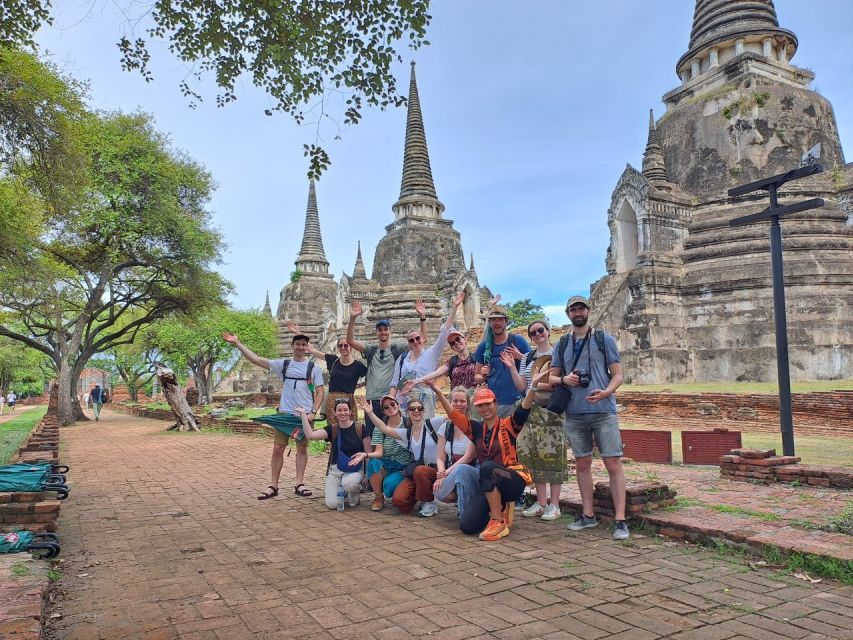
Ayutthaya’s ruins are spread out. Walking can turn into a long slog between sites, and taxis usually drop you off fast without the “in-between” texture of the city. On this bike tour, you get to move at a human speed. That means you’re not just ticking boxes at temples—you’re seeing how daily life and sacred history share the same roads.
The tour is built around a smart mix: ancient walls, temple grounds, local markets, and river crossings. Each section has a different mood. You start with a defensive, historical landmark feel, then shift into everyday streets, then back into temple scale at the Historical Park. The ferry at the end also helps you wind down instead of ending the ride drained.
If you want Ayutthaya in a single afternoon without feeling rushed, the 3-hour format is a sweet spot. It’s long enough to feel like you toured, not just grabbed photos.
You can also read our reviews of more tours and experiences in Ayutthaya.
Getting rolling at the Pom Phet area (what to expect from the setup)
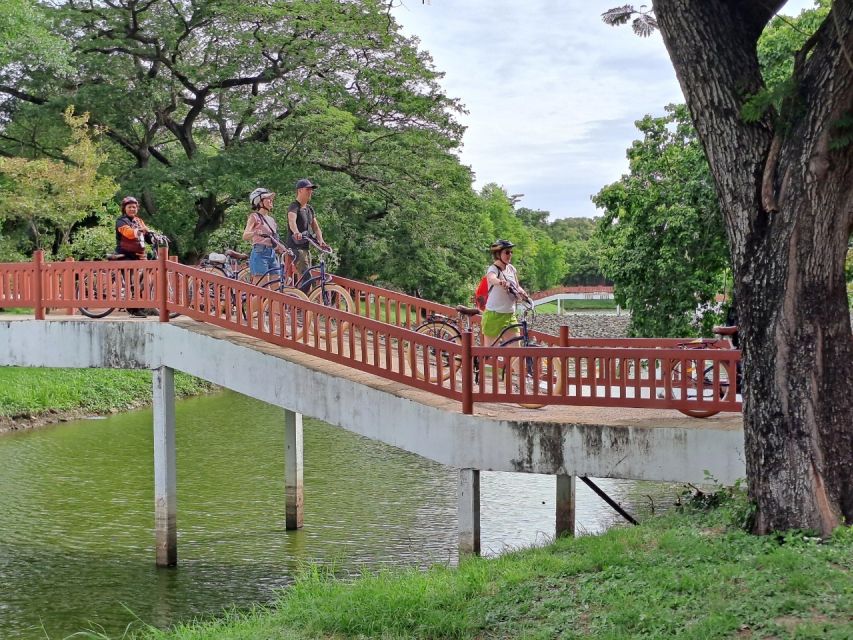
The meeting point is near PomPhet Fort on Uthong Road. You’ll rent your bike and get a helmet, so you’re not wasting time figuring out wheels before you start seeing sights.
Most people can handle this ride because the pace stays easy and comfortable. Reviews mention bikes in good condition and even gears on newer models, which matters in hot weather when you want control on any small changes in terrain. Expect to stop often for photos, drinks, and short explanations from your guide.
Two practical notes before you go:
- Dress for temples: cover shoulders and wear longer shorts that cover knees. Light layers that you can keep on are ideal.
- Plan for sweating: even when the ride feels gentle, Ayutthaya humidity does the heavy lifting.
Also, if you’re choosing among departure times, an earlier start is usually smarter. One rider even said the later start can be hot enough that everyone looks for shade.
Pom Phet fortress and the old city walls: the first big history hit
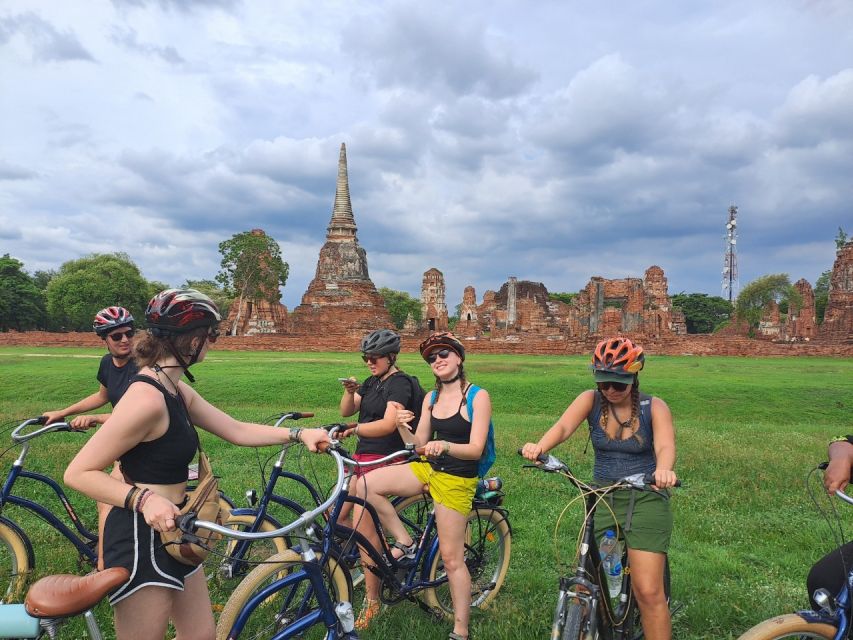
You begin by cycling to the Pom Phet fortress section along the old city walls. This stop is powerful because it’s a “scale” moment. From a bike, you can see how the fortifications shape the space—how ancient travelers would have arrived, moved, and felt as they approached the Kingdom of Siam.
This isn’t just scenery. Your guide’s job here is to give you context so the walls stop being random stone and start reading like a system—defense, boundaries, and a sense of how the capital functioned.
Photos are a big part of this stretch. You’ll want a few shots that show the wall line and the approach, not only close-ups. The best photos are the ones where you can still sense how far the walls run.
Through local neighborhoods and the roti sai mai street treat
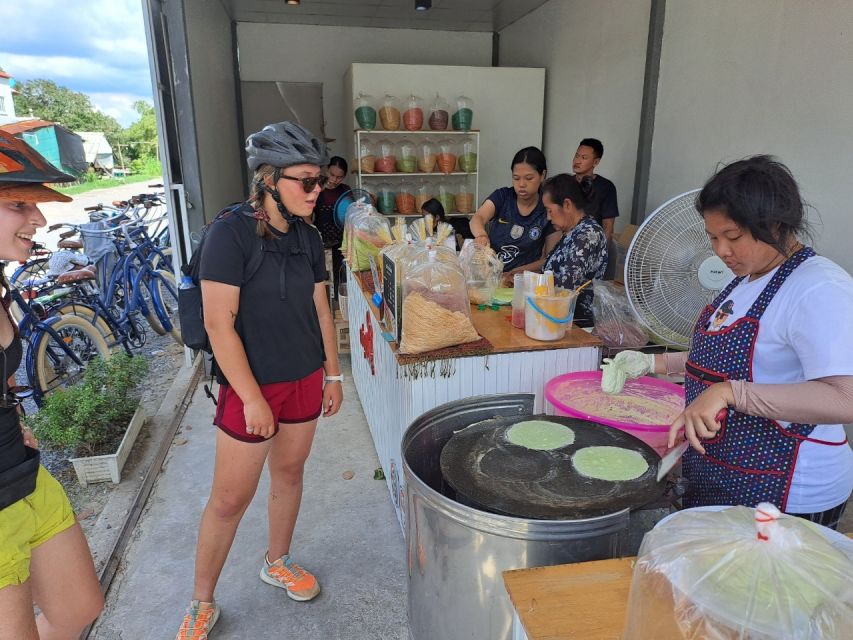
After the walls, the tour turns more human. You cycle through smaller local communities, where the city feels lived-in rather than museum-like. This is where the bike makes a real difference: you can move past vendor stalls and side streets without stopping traffic for a car full of passengers.
A highlight in this neighborhood section is passing vendors and the chance to taste roti sai mai, a dessert made of threads of palm sugar wrapped in unleavened bread. It’s sweet, delicate, and very local. Even if you skip the bite, the smell and the sight of the process is worth the stop.
This part of the ride also gives you shade breaks and drink moments. Multiple reviews mention cold drinks and snacks during the tour, which helps a lot in hotter months.
The key here is pace. You’re not racing from landmark to landmark. The goal is to keep you comfortable enough to actually enjoy what you’re seeing.
Somdet Phra Srinakarinda Park and Chedi Phra Si Suriyothai
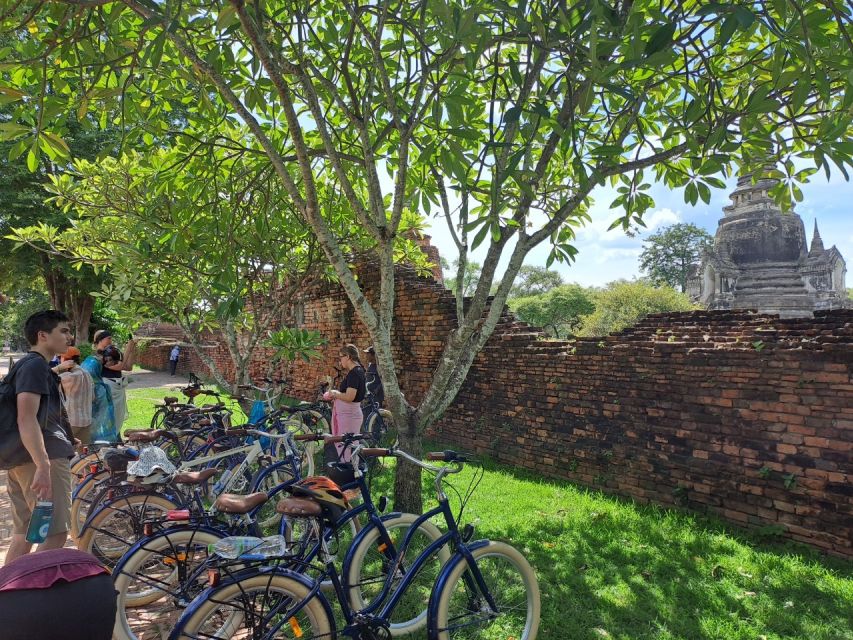
Then comes a calmer stretch: Somdet Phra Srinakarinda Park. You’ll feel the difference right away. Park time helps you reset your body temperature and your eyes before entering the heavier temple zones of Ayutthaya Historical Park.
From the park, the route continues toward Chedi Phra Si Suriyothai. Even if you’re not a temple “specialist,” a chedi scene works because it gives you something solid to anchor your understanding. Your guide will tie it to the bigger picture of how Ayutthaya’s religious landscape evolved.
Expect pauses. Photos here tend to be easier because you’re not always fighting crowds and you have space to frame monuments without constant interruptions.
If you’re traveling with kids or you’re not confident on a bike, this park segment often feels like the most relaxed part of the ride—comfortable speed, lots of stopping, and enough calm to breathe.
River-side cycling and palm-leaf mobiles from a local Muslim community
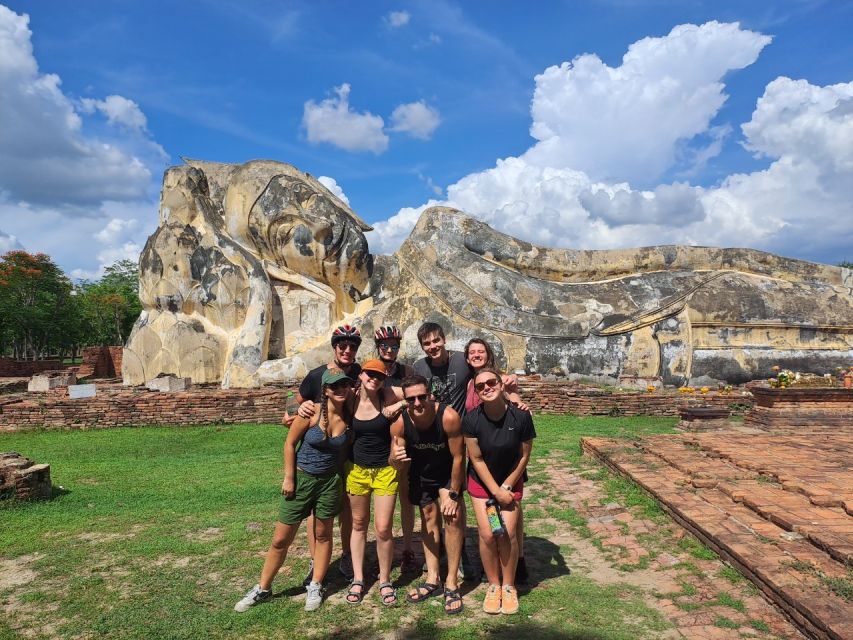
As you ride along the banks of the river, the tour adds a cultural stop that goes beyond the temple checklist. You’ll visit an area connected to a Muslim community that makes hand-woven mobiles from palm leaves.
This matters because it shows Ayutthaya as a living place, not only a historic site. The ruins are the big draw, but you also come away with a better sense of how different communities contribute to daily craft and local life.
The ride timing also helps. The river-side stretch is often where you can feel the breeze a bit more than you can in dense street sections. Reviews mention the wind can feel refreshing during warm weather, which is exactly what you want on a cycling tour.
Ayutthaya Historical Park: from Wat Phra Sri Sanphet to Wat Mahathat
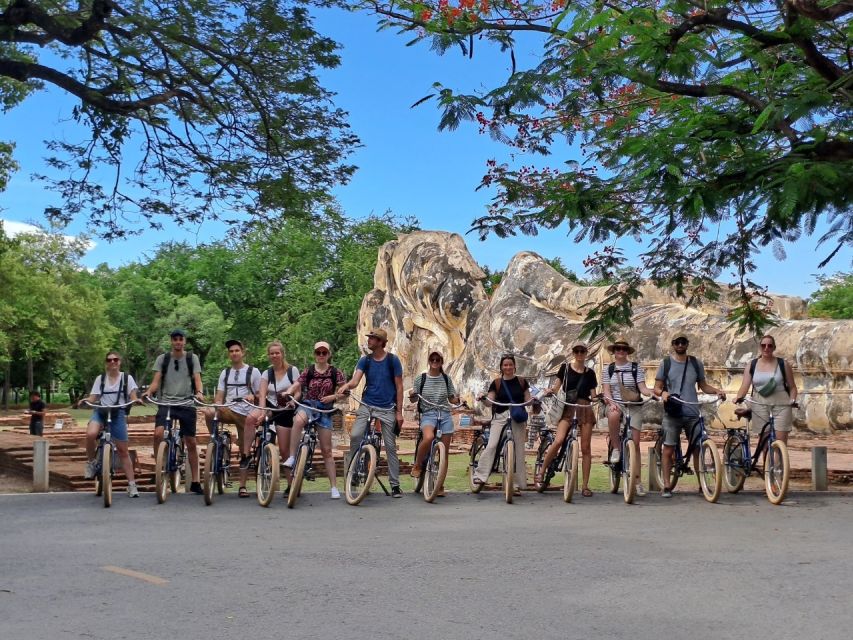
Entering Ayutthaya Historical Park is where the tour turns fully into “wow, this is why people come.” You visit the temple ruins and you stop at major sites inside the grounds of the royal palace.
First up is Wat Phra Sri Sanphet, which sits in the Royal Palace area. This stop is strong for understanding royal-religious space. It’s the kind of place where your guide’s explanations can help you spot what the surviving structures are signaling: power, ritual, and the capital’s role as a religious center.
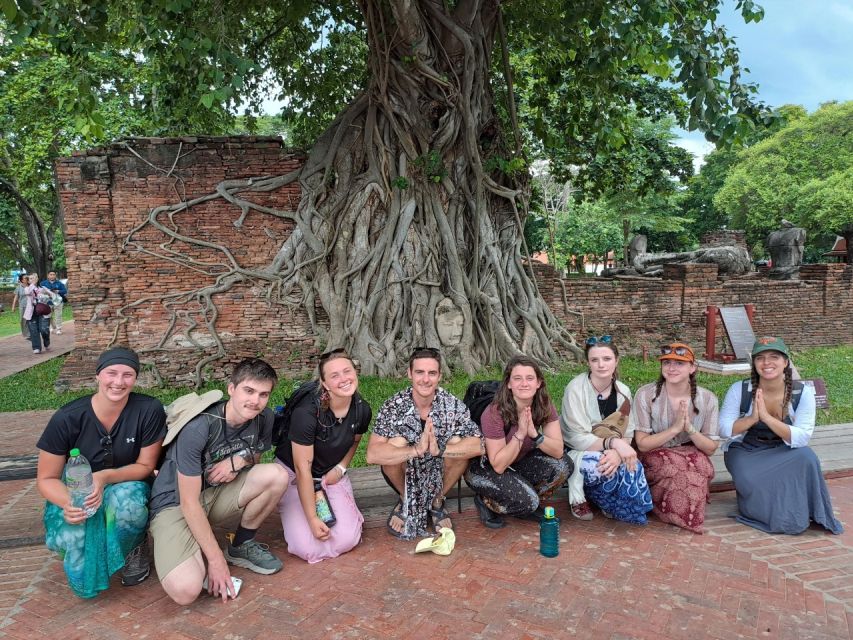
Then you move toward Wat Mahathat, where you’ll see the famous Buddha statue that’s known for how it appears intertwined with roots. Even if you’ve seen photos before, seeing it in person gives the setting a scale you can’t get through a screen.
A practical note: temple ruins mean uneven ground and lots of standing around for the right angles. Wear supportive shoes even if you’ll only be on the ground briefly. Also, keep your shoulders covered and knees covered here; the tour is respectful about dress code for a reason.
If you’re trying to do Ayutthaya efficiently, this temple segment is your payoff. Most people rate the day highly because it hits the iconic sites without turning into a rushed stampede.
Chao Phrom Market: amulets, food stalls, and sensory overload in a good way
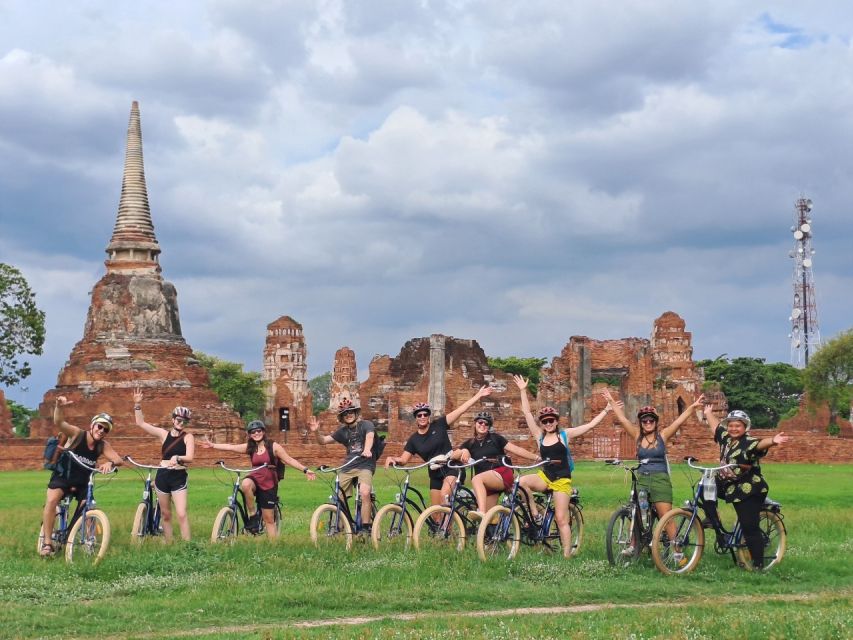
Next is Chao Phrom Market, known for amulet shops and food stalls. This is your “Ayutthaya now” stop. The market feels different from the ruins and the parks. It’s louder, more transactional, and very focused on what people actually buy and eat.
Amulets are the standout category. You don’t need a deep belief system to appreciate the craft and the variety. Even window-shopping gives you a sense of how spiritual items connect to everyday routines.
Then there’s the food energy. You’ll likely pass stalls selling local snacks and sweets, and the tour includes a snack plus water or soft drinks, so you don’t have to worry about getting hungry right as the market crowds get intense.
If you like markets, plan to take a few minutes to wander just slightly off the main flow. Markets make more sense when you let your eyes adjust and you notice what’s being repeated on multiple stalls—this is where you spot what locals trust.
Pasak River ferry crossing and the smooth ride back
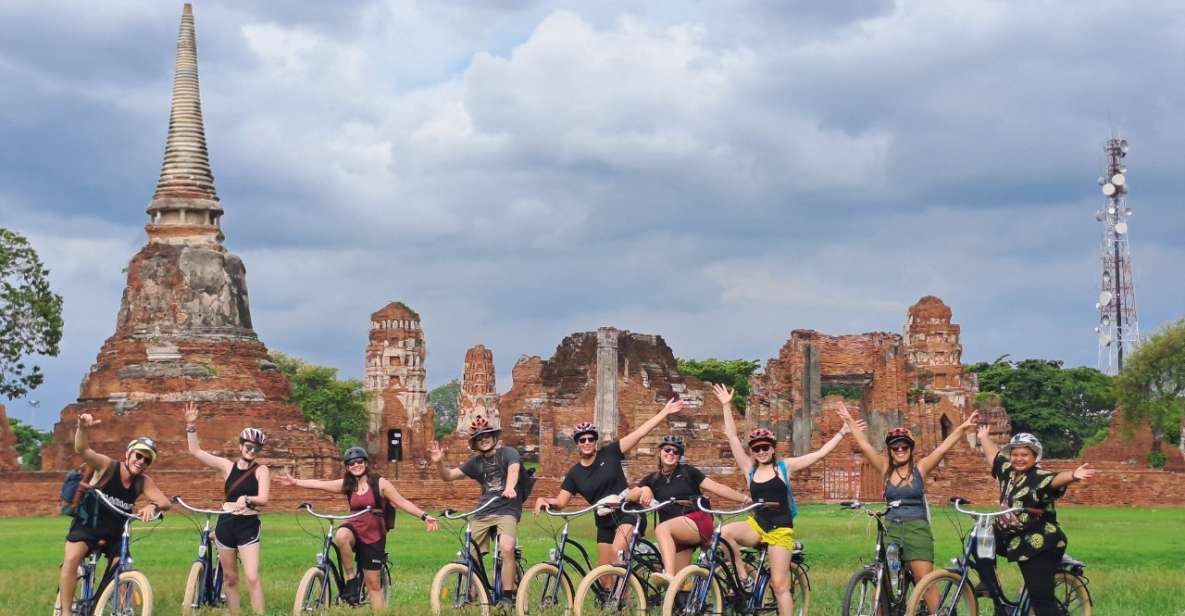
After the market, you’ll take a ferry crossing across the Pasak River, then cycle back to the starting area. This is a smart end to the itinerary because it gives your legs a break and it changes the visuals.
A ferry also adds a little “memory glue” to the day. Instead of ending with another straight stretch of cycling, you get a reset moment where you can look at the river edges, feel the shift in pace, and anticipate an easier finish.
Most tours like this can feel samey by the last hour. Here, the ferry helps avoid that. It’s also one of those practical touches that makes the whole tour feel better organized than a DIY plan.
Price and value: why $47 can be fair for a 3-hour highlights loop
The price is $47 per person for about 3 hours (210 minutes). On paper, that’s not “cheap,” but bikes tours in historic districts are usually more expensive because you’re paying for setup, guide time, entrances, and transport.
Here’s what you’re actually getting value for:
- Bike and helmet rental (so you don’t waste your energy on logistics)
- A live guide in English or Thai
- Entrance fees to Wat Mahathat and Wat Phra Sri Sanphet
- Ferry crossing
- Water or soft drinks plus a snack
When you add those elements together, $47 starts to make more sense. You’re not just buying a ride; you’re paying for help connecting the dots between sites. Multiple guides are mentioned in the feedback—people often highlight strong explanations and a friendly, attentive style. When the guide is doing their job well, it turns ruins into stories instead of stone.
One more value point: the ride length is short enough to stay relaxed. Reviews often say 3 hours hits the “overview” sweet spot. If you’re visiting Ayutthaya from Bangkok, that time structure can help you fit the day into your schedule without turning it into an all-day heat marathon.
Who should book this Ayutthaya bike tour, and who might not love it
This tour is a great match if you:
- Want the big-name temples plus markets without doing a private car day
- Prefer slow, guided cycling through neighborhoods
- Like stopping for tastings like roti sai mai
- Enjoy learning the meaning behind what you see, not only taking pictures
It may be less ideal if you:
- Absolutely hate any physical activity in heat (you will sweat, even if the route is easy)
- Have strong mobility limits on uneven temple grounds
- Need long museum-style time at each site (this is more of a highlights circuit than a sit-and-stare tour)
If it’s your first time biking, don’t panic. The pace is described as easy. You also get a guide watching the group and keeping you moving safely through streets.
Should you book this Ayutthaya City and Historical Park Bike Tour?
I think this is a solid book if you want a confident, guided highlights ride that connects Ayutthaya’s walls, temples, and street life in one afternoon. The price feels reasonable because it includes the bike, helmet, guide, entrances, ferry, and drinks.
The biggest decision is timing and heat. If you can start earlier, you’ll enjoy it more. Bring light temple-appropriate clothing, stay hydrated, and plan to slow down at stops for photos and explanations.
If you want Ayutthaya to feel like a real city—not just a list of ruins—this bike tour is one of the better ways to do it.
FAQ
How long is the Ayutthaya City and Historical Park Bike Tour?
The tour runs for about 3 hours, listed as 210 minutes.
What does the tour include?
It includes bike and helmet rental, a guide, ferry crossing, entrance fees to Wat Mahathat and Wat Phra Sri Sanphet, water or soft drinks, and a snack.
Is this bike tour suitable if I’m not an experienced cyclist?
Yes. The ride is designed to be easy with a comfortable pace, and you’ll have the guide to keep the group together while navigating the route.
Which temples and sights will we visit?
You’ll visit Ayutthaya Historical Park ruins, including Wat Phra Sri Sanphet and Wat Mahathat, plus other stops such as Pom Phet fortress area, Somdet Phra Srinakarinda Park, and Chedi Phra Si Suriyothai.
Is the guide available in English?
Yes. The tour offers a live guide in English and Thai.
What should I wear for temple visits?
Dress respectfully by covering shoulders and wearing longer shorts that cover the knees.