REVIEW · PHUKET CITY
Thai Cooking Class with Market & Garden Tour
Book on GetYourGuide →Operated by The Guide Thailand · Bookable on GetYourGuide
Your lunch starts at the market. I love how this experience mixes local ingredient shopping with a garden visit before you ever touch a pan. You also get hands-on instruction from Mr. Wooddy and his team, and you’ll cook three dishes at your own station. One thing to plan for: if you book the morning lunch class, don’t show up stuffed. You’ll cook and eat a lot.
This is also a rare style of class where the English is actually useful. Mr. Wooddy speaks clearly, and the women in the kitchen help you keep moving without rushing you.
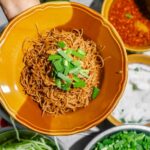
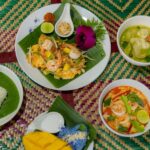
You pick your menu, which makes it feel personal: 3-dish choice for either lunch or dinner, plus you eat what you cook and get take-home recipes.
In This Review
- Key things I’d circle before booking
- Market shopping first: what you learn before Thai food hits the wok
- Morning vs. afternoon market timing
- The garden walk at Wooddy Kitchen: where your ingredients start growing
- Hands-on Thai cooking: how the class works at your station
- Your dish choices
- Dietary needs: you can often fit in
- What you eat after cooking: meal, views, and serious portion size
- English teaching that actually sticks: Mr. Wooddy and the kitchen team
- Price and value: what $73 really buys you
- Logistics that matter: timing, what to bring, and small practical wins
- Timing
- What to bring
- Transfers
- Who this Thai cooking class suits best
- Should you book this experience in Phuket?
- FAQ
- How long is the Thai Cooking Class with Market & Garden Tour?
- Where is hotel pickup included?
- What can I choose to cook?
- Do I get food to eat during the class?
- Is the instructor English-speaking?
- Do I get recipes to take home?
- Are alcoholic drinks included?
- What should I bring with me?
- Can I take leftovers home?
Key things I’d circle before booking
- Market shopping with the chef: You learn what to buy and why, then taste seasonal fruit along the way.
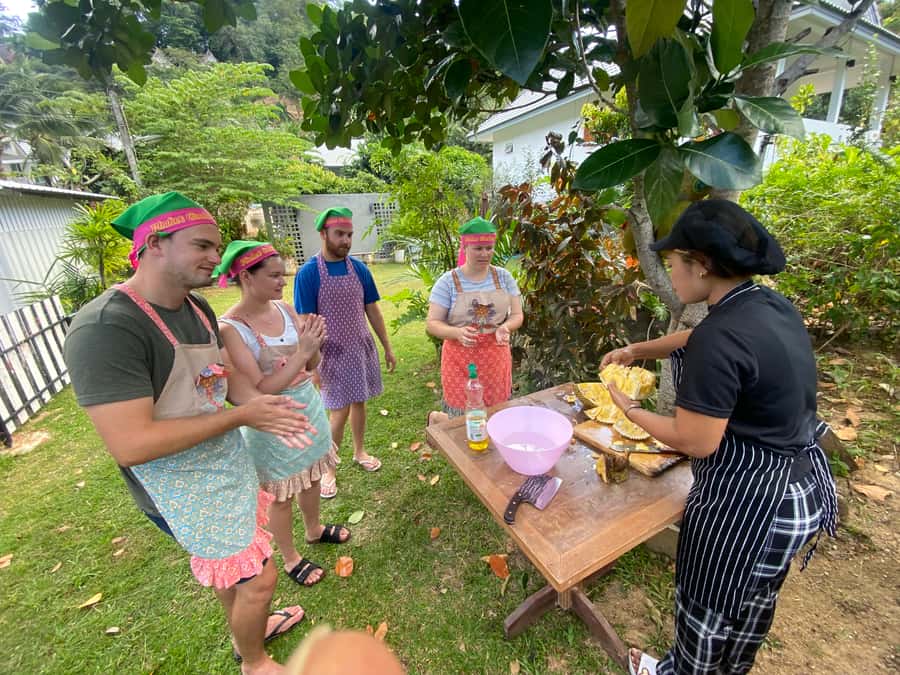
- Mr. Wooddy’s garden walk: You see Thai herbs and fruits growing, then cook with ingredients tied to that garden.
- Cook at your own station: You’re not watching from the sidelines; you’re doing the work.
- English-first instruction: Clear guidance from Mr. Wooddy, plus support from the ladies who assist him.
- Eat your results (and take leftovers): The class builds to your meal, and you’ll leave with full tummies.
- All the practical take-homes: Recipe e-book/videos, a recipe book, an apron for class, and a completion certificate.
Market shopping first: what you learn before Thai food hits the wok
The best Thai cooking classes don’t start in the kitchen. They start at the market, because Thai flavor is built on ingredients, not shortcuts.
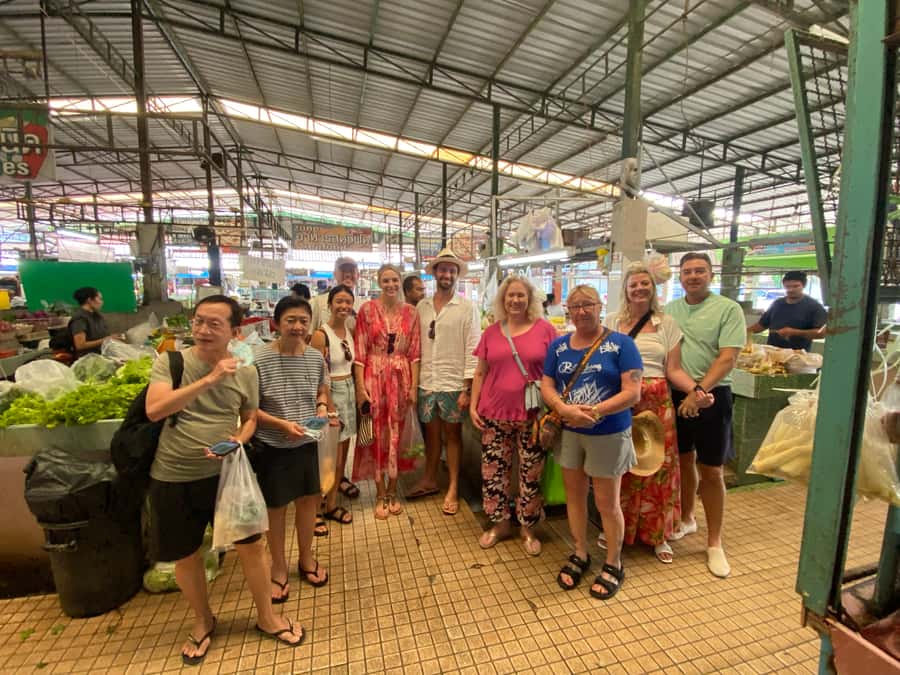
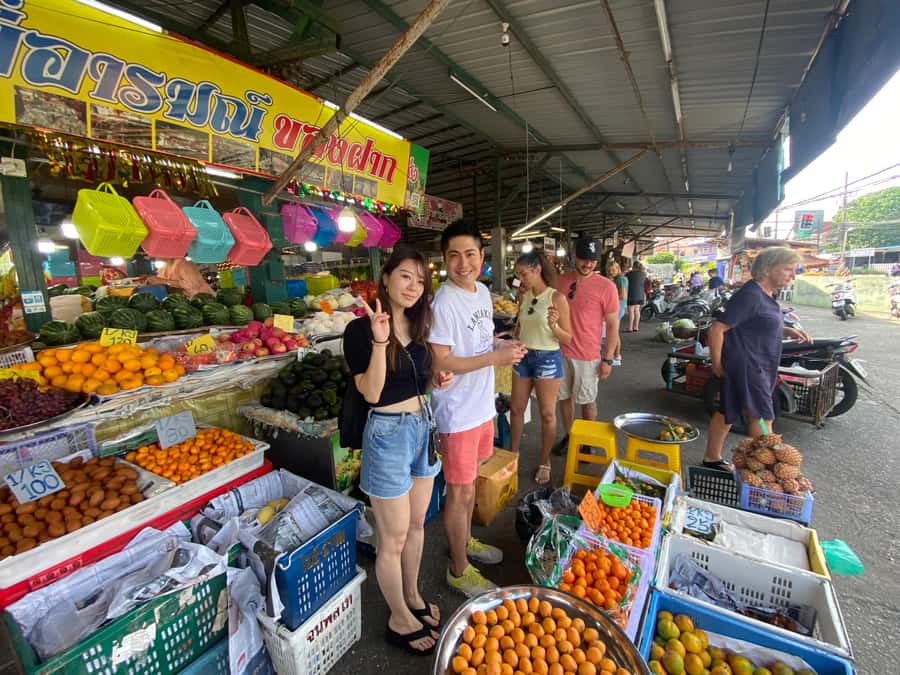
In this experience, you’re picked up by minibus from Patong, Karon, or Kata Beach (other areas may cost extra). Then you head to a local market where Mr. Wooddy helps you spot the herbs, spices, and produce you’ll actually use. You’ll also taste seasonal tropical fruit in season. That matters more than it sounds. When you understand what fruit, chili, or herb is doing in the dish, you can recreate the flavors later instead of copying a recipe blindly.
A simple tip: bring some cash. Even though the included tastings cover a bit, markets often have extra snacks and small items you may want to try while you’re there. And yes, the market is part of the fun. It’s where you start learning what Thai cooks buy day to day—things you won’t see listed on most tourist menus.
You can also read our reviews of more tours and experiences in Phuket City.



Morning vs. afternoon market timing
You can choose a morning class (for lunch) or an afternoon class (for dinner). The morning schedule includes a market time window right before cooking, which keeps the ingredients very fresh. The afternoon option may feel calmer depending on the day, and you still get the market tour plus the garden.
If you’re the type who hates early wake-ups, the afternoon class can be easier. If you want the market experience right in the middle of the day, morning is often the better fit.
The garden walk at Wooddy Kitchen: where your ingredients start growing
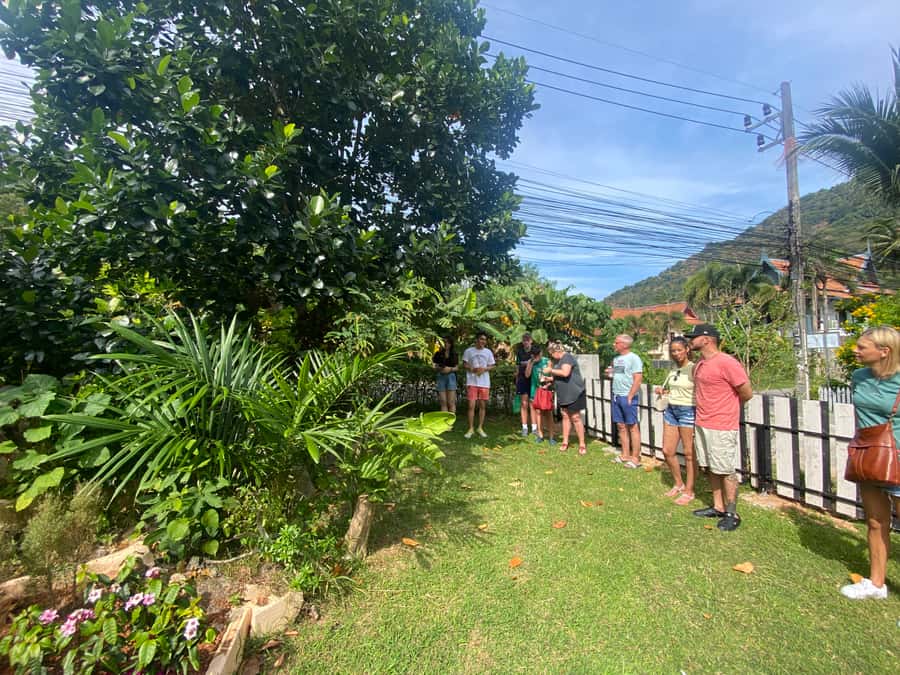
After the market, you arrive at Wooddy Kitchen in Kata village. The welcome is laid-back, with a refreshing herbal drink first, then a stroll through the garden.
This isn’t a quick photo stop. You walk among an organic garden filled with Thai herbs and fruits, and Mr. Wooddy explains what’s used in class. That garden portion is one of the most memorable parts because it connects the dots: the ingredient in your dish isn’t just something you bought—it’s something you saw growing.
You’ll also learn names and uses of key plants you’ll later chop into curry, soups, stir-fries, and sauces. People who cook at home often struggle with Thai flavors because they substitute random ingredients. This helps you avoid that by giving you the language and context to shop smarter later.
One practical note: since you’re walking around the garden, wear comfortable shoes. You’ll do more moving than you might expect for a class that feels like “just cooking.”
Hands-on Thai cooking: how the class works at your station
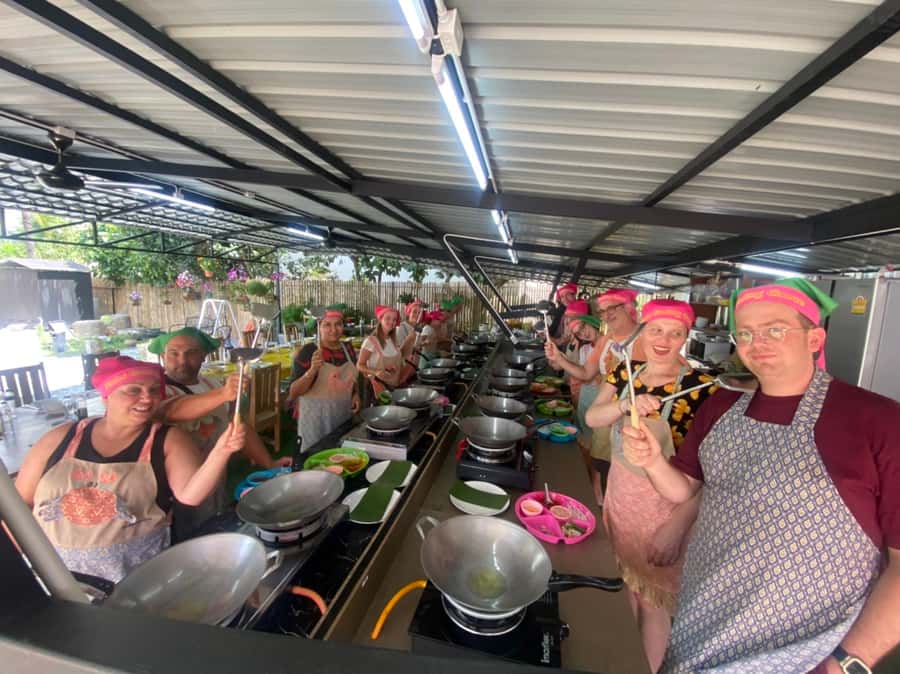
Once you’re in the kitchen, the whole experience shifts from sightseeing to doing.
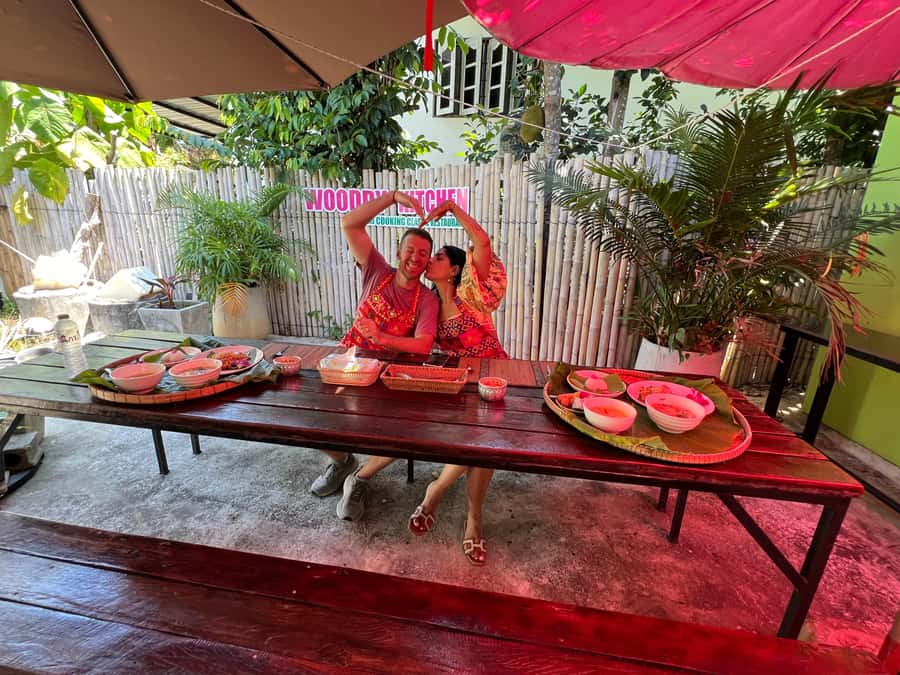
You learn to prepare and cook three traditional Thai dishes, with guidance from Mr. Wooddy and support from the women who help around him. The structure is hands-on, and you’re working at a personal cooking station rather than standing in a crowd.
What I like most is the pace. People describe it as relaxed and well organized, and you’re not just flipping steps from a worksheet. Mr. Wooddy explains what each ingredient does and shows how to use it properly.
Your dish choices
You’ll choose three dishes depending on the time slot.
Morning class (lunch, 10:00–13:30 cooking):
- Green Curry / Red Curry / Panang Curry (chicken or vegetarian)
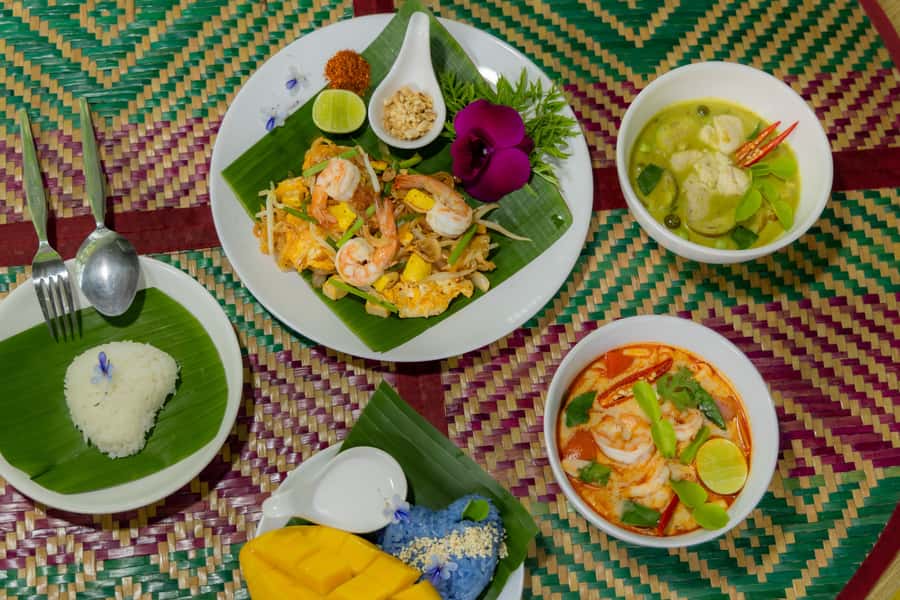
- Tom Yum Goong or Tom Kha Kai
- Pad Thai or Pad See Ew
- Mango Sticky Rice
Afternoon class (dinner, 15:00–19:00 cooking):
- Panang Curry or Green Curry
- Som Tum (papaya salad)
- Tom Kha Kai (chicken coconut soup)
- Stir-Fried Chicken with Cashew Nuts
- Deep-Fried Banana
Here’s a practical strategy: if you want a “Thai flavors sampler,” pick one curry, one noodle or salad dish, and one sweet. If you want to focus on skills, choose dishes that share ingredients (like herbs and aromatics) so your grocery list at home lines up better.






Dietary needs: you can often fit in
The class is set up for normal Thai home-cooking style, not a generic tourist menu. That’s good news if you eat vegetarian. You’ll likely find curry options in both vegetarian and chicken styles, and some guests report gluten-free accommodation.
If you have a serious allergy, be extra careful. One participant with a shellfish allergy mentioned that curry paste was combined during class prep, which meant the final mix didn’t match their intended avoidance. That’s not something I’d ignore. If allergies apply to you, tell Mr. Wooddy upfront and ask how ingredients are handled in your exact station and dishes.
What you eat after cooking: meal, views, and serious portion size
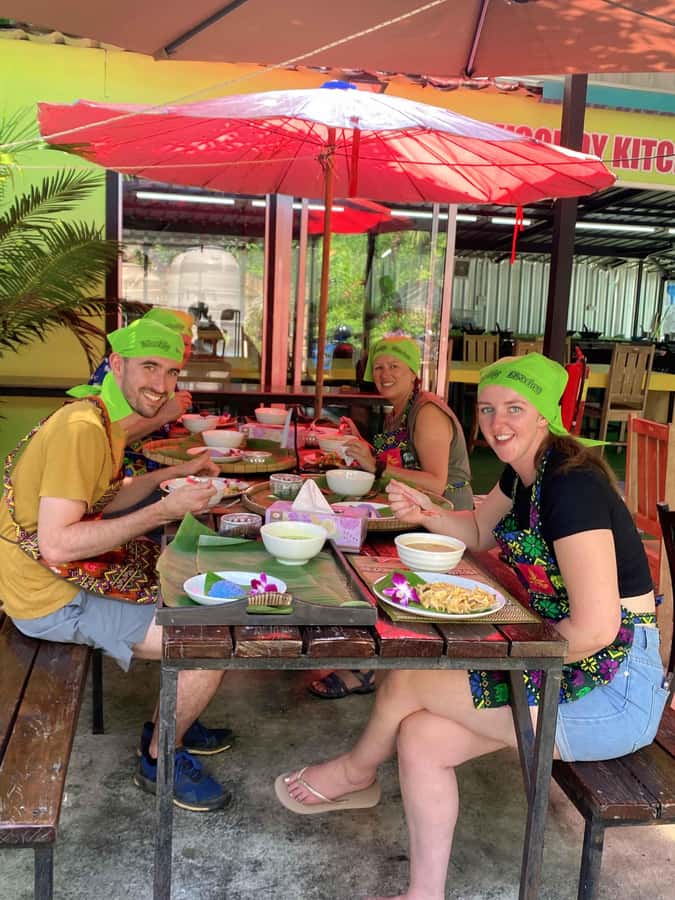
After cooking, you sit down and eat your handmade Thai meal. Some classes include a pleasant setting with mountain valley views, which makes the meal feel like the end of a day, not just the “reward” after an activity.
Portion size is a real strength here. Many people mention there’s so much food you’ll be full, and some even take leftovers home.
In practical terms:
- You’ll eat what you cook, so don’t plan a heavy second dinner right after.
- If you’re thinking about leftovers, there are items provided to pack food to take away, so you won’t leave with empty hands.
If mango sticky rice is on your list, it’s one of those dishes that feels like a cheat code. Once you see how it’s put together here, you’ll understand why it tastes so clean and fragrant compared with overly sweet versions you might try elsewhere.
English teaching that actually sticks: Mr. Wooddy and the kitchen team
Mr. Wooddy is the heart of the experience. People consistently describe him as funny and entertaining, but the real value is that he teaches you with purpose. You’re not just learning steps—you’re learning why ingredients go in when they do.
A few things that make the instruction feel solid:
- English is clear and usable for beginners.
- You get one-on-one guidance at your station.
- The women assisting him help keep things moving and answer questions.
You’ll also notice the class is built for different comfort levels. If you’re nervous about cooking, the step-by-step teaching helps. If you cook at home already, you’ll still pick up ingredient ideas and techniques that make Thai flavor easier to reproduce.
Also, the class includes a completion certificate, and you get a recipe book plus recipe e-book and cooking videos sent to you by email or WhatsApp. That matters because Thai cooking doesn’t just require a single recipe. It requires remembering ratios, order, and ingredient identities.
Price and value: what $73 really buys you
At around $73 per person for about 270 minutes (roughly 4.5 to 5 hours), this class can feel like a steal—or like a fair deal—depending on what’s included in your everyday travel budget.
Here’s the value math you should care about:
- Round-trip hotel transfer from Patong, Karon, or Kata Beach
- Local market tour with ingredient guidance
- Garden tour at Wooddy Kitchen
- Ingredients and equipment
- Cooking your 3-course meal
- Drinking water
- Recipe items: recipe book plus recipe e-book and cooking videos
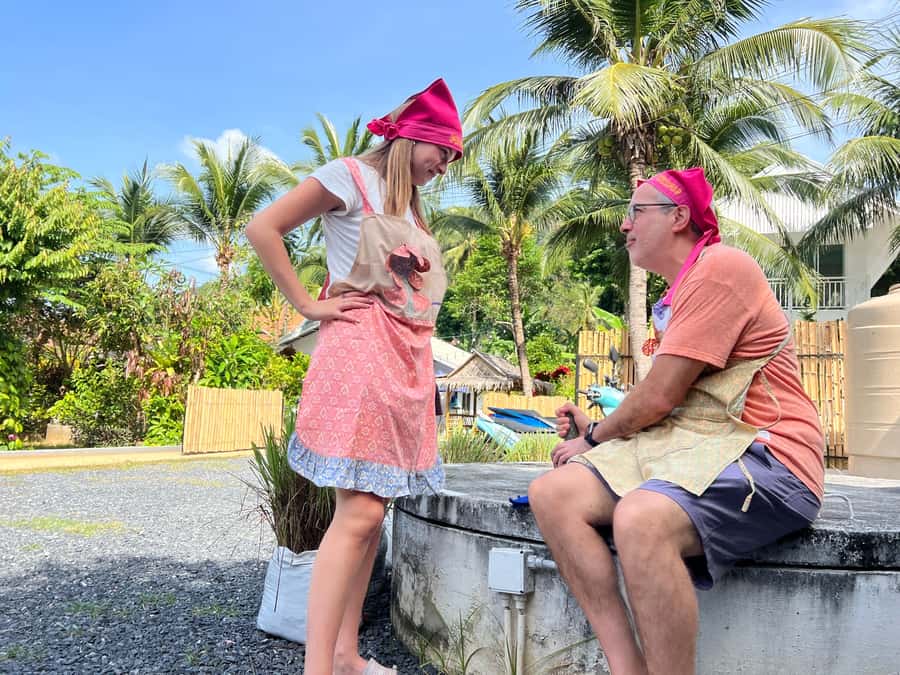
- A Thai-style apron for class
- Completion certificate
- Accident insurance
Alcohol isn’t included, but you’re also not expected to drink your way through a class. If you want a beer or cocktail, you’d need to buy it separately. Most importantly, the meal you eat isn’t a small “snack tasting.” It’s a full cooking outcome.
Is it for everyone at this price? Yes, if you want a hands-on cooking experience, not a show. If you only want a quick food taste, a cooking class might feel like overkill. But if you want skills and recipes you can actually use later, the bundle adds up fast.
Logistics that matter: timing, what to bring, and small practical wins
This is one of those activities where small planning makes the day smoother.
Timing
You’ll choose one of two formats:
- Morning class: pickup starts around 09:00–09:30, then market tour, then cooking and lunch.
- Afternoon class: pickup starts around 14:15–14:30, then cooking and dinner.
Plan around the fact you’ll eat what you cook. If you’re doing the morning class, eat light beforehand. If you’re doing the afternoon class, you may want a proper lunch earlier so dinner doesn’t feel like a food coma marathon.
What to bring
Bring:
- A camera
- Cash
- A credit card (listed as useful)
You’ll want a camera because the garden walk and market shopping are visual. But honestly, the bigger win is bringing something you can write notes on. Thai cooking makes more sense when you write down what you used and what you liked.
Transfers
Pickup and drop-off are included only for Patong, Karon, and Kata Beach areas. If you’re elsewhere, you may need a taxi supplement depending on distance.
Who this Thai cooking class suits best
This experience fits best if you want:
- A real-market ingredient lesson, not just a recipe demo
- A hands-on class with English instruction
- A garden component that helps you understand what Thai herbs and fruits actually look like growing
- A meal that feels like a proper lunch or dinner, not tiny tastings
- Take-home recipes you’ll use later
It’s also a good fit for families and mixed ages, since people have described it as fun for everyone. If you’re traveling with a very young child under 3 years or you’re in the very elderly range listed as not suitable, you should choose another activity instead.
Should you book this experience in Phuket?
If you want to cook Thai food you can repeat at home, I’d book it. The blend of market shopping + Mr. Wooddy’s garden + hands-on cooking is the difference between a fun day out and a skill-building day out.
Book the morning lunch class if you like fresh, earlier shopping and you don’t mind starting the day before you’ve fully woken up. Book the afternoon dinner class if you want a slower start and you’d rather eat your Thai food later.
The only strong reason to hesitate is if you have a serious allergy and you need strict ingredient separation. In that case, ask detailed questions before you arrive and make sure your dishes won’t be combined during prep.
If those two points work for you, this is one of the best value cooking classes in the Phuket area because you leave with full meals, real ingredient knowledge, and recipes you can use long after the trip.
FAQ
How long is the Thai Cooking Class with Market & Garden Tour?
The experience runs about 270 minutes, which is roughly 4.5 to 5 hours, depending on the class schedule.
Where is hotel pickup included?
Round-trip hotel transfer is included from hotels in Patong, Karon, and Kata Beach. Other areas may be available for an extra cost based on the local taxi rate.
What can I choose to cook?
You choose three dishes. Morning classes often include options like Green Curry, Red Curry, or Panang Curry, plus choices such as Tom Yum Goong or Tom Kha Kai, and Pad Thai or Pad See Ew, plus Mango Sticky Rice. Afternoon classes typically include curry options plus choices like Som Tum, Tom Kha Kai, Stir-Fried Chicken with Cashew Nuts, and Deep-Fried Banana.
Do I get food to eat during the class?
Yes. You cook three dishes and then sit down to eat your handmade Thai meal.
Is the instructor English-speaking?
Yes. The instructor is listed as English-speaking.
Do I get recipes to take home?
Yes. You receive a recipe book, plus a recipe e-book and cooking videos sent to your email or WhatsApp.
Are alcoholic drinks included?
Alcoholic drinks are not included.
What should I bring with me?
Bring a camera, cash, and a credit card.
Can I take leftovers home?
Food boxes and plastic bags are provided, and the class is set up to let you take home what you can’t finish.