REVIEW · PHUKET CITY
Phuket: Lily Elephant Half day Trip on the Beach with lunch
Book on GetYourGuide →Operated by Lily Elephant Camp Phuket · Bookable on GetYourGuide
A beach walk with elephants feels almost unreal in Phuket. This half-day program at Lily Elephant Camp pairs hands-on time with gentle, conservation-minded elephant welfare, plus an included Thai lunch you don’t have to hunt down afterward.
I especially like the clear focus on respectful interaction and the fact that the day centers on bathing them in the sea (saltwater first, then a freshwater rinse). The other big win is how much you do besides just watching—meal prep, feeding, a jungle walk, and even learning a basic health check routine.
One consideration: the schedule can shift with tides and weather, since the sea-bathing portion is the main event.
In This Review
- Key things I’d circle on your Phuket plan
- Why Lily Elephant Camp’s beach format works
- The 3-hour flow: from camp welcome to sea bath
- Wildlife viewing at the camp: the quiet start that matters
- Beach walk: walking with them without the hard sell
- Sea bath and rainshower: the day’s highlight, plus the wet factor
- Feeding sessions and the food-prep moment
- Basic health check teaching: learn what to watch
- “Then you eat” Thai lunch: what’s included and what to expect
- Price and value: is $83 a fair deal?
- Getting there: pickup zones and getting your own ride
- What to bring (and what not to forget)
- Ethics and safety: what to watch for on any elephant day
- Is this the right Phuket tour for you?
- Should you book Lily Elephant Camp’s half-day beach elephant experience?
- FAQ
- How long is the Lily Elephant Camp half-day beach experience?
- What’s included in the trip price?
- Is lunch included, and is it Halal?
- Can I take my own photos and use my phone?
- What should I bring for the sea bathing part?
- Does pickup cover all of Phuket?
Key things I’d circle on your Phuket plan
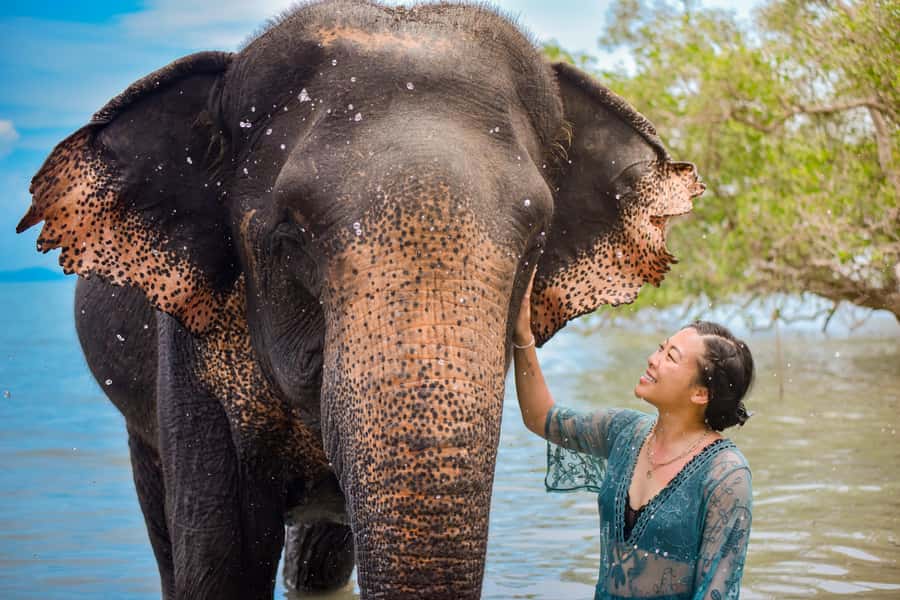
- Sea bath highlight: you bathe the elephants on a private beach by the waterline, then they get a freshwater rinse
- Hands-on feeding routines: prepare food, plant/prepare their meals, and feed them during guided sessions
- Learning that’s practical: watch behavior, then follow a basic health check the guide explains
- No riding, more connection: the day is built around walking, feeding, bathing, and calm interaction
- Ethical set-up backed by staff: guides stay with you and prioritize safety and elephant welfare
- Included Thai lunch + snacks: Halal lunch is offered, plus tea/coffee and drinking water
Why Lily Elephant Camp’s beach format works
Phuket has no shortage of elephant tours, but the ones you’ll remember are usually the ones that don’t feel like a production line. This half-day experience is built around a simple idea: you spend time learning and interacting in a way that helps elephants stay relaxed and comfortable, with the beach as the natural setting.
I also appreciate the pacing. It’s short enough (about 3 hours) that you avoid the long, exhausting full-day logistics, but it’s packed with multiple interaction points so you don’t feel like you “passed through” the elephants. And because the lunch is included and handled on-site, you’re not stuck searching for food after you’re wet, sandy, and sunburn-prone.
You can also read our reviews of more tours and experiences in Phuket City.



The 3-hour flow: from camp welcome to sea bath
The day starts with a welcome and an introduction to the elephants. You get context on their individual personalities and why proper interaction matters, which helps you avoid the common mistake of treating elephants like big, cuddly props.
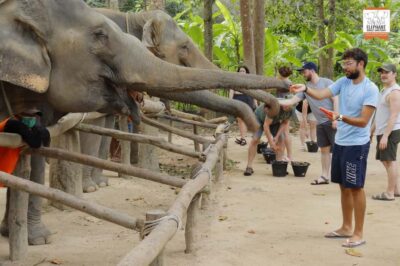
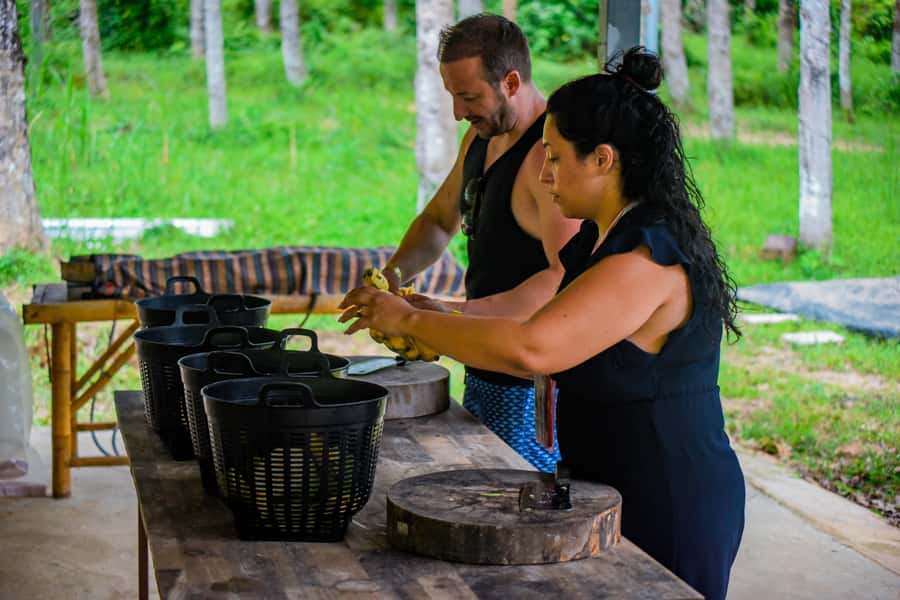
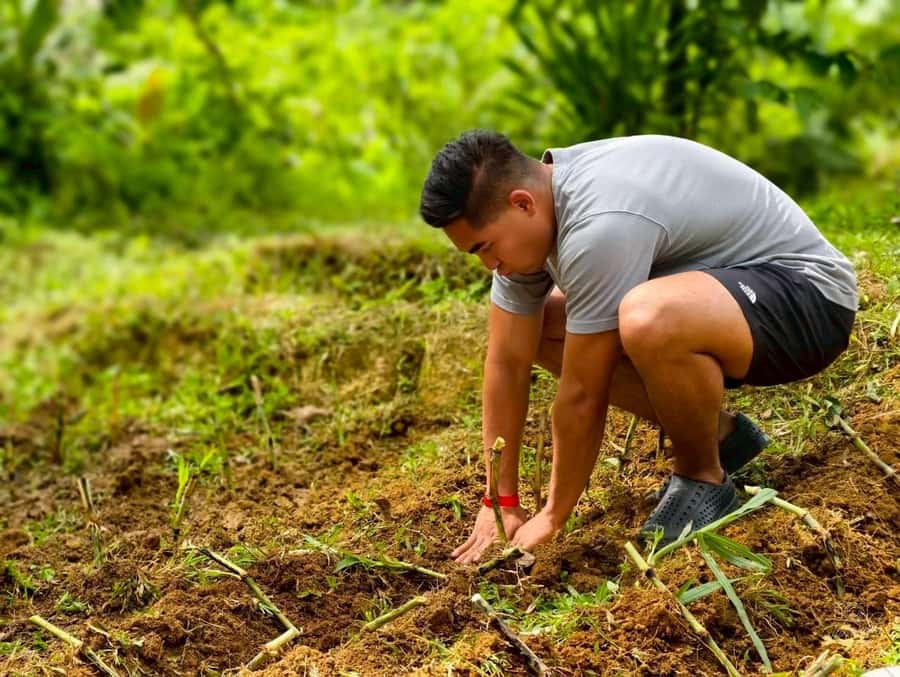
Next comes a camp moment focused on feeding and diet. You’ll help prepare their meal, and you may also plant food for them, which gives you a real sense of what “supporting their well-being” looks like in daily routines. Then you move into the feeding portion—this is where you learn how to offer food calmly and how to let the elephants come to you instead of crowding them.
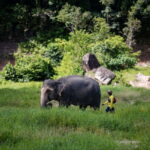
Then you head into the jungle walk segment. It’s not just scenic walking for your Instagram; it’s part of the elephants’ movement and your education on how to stay safe while sharing space. For many people, this stretch sets the tone for the rest of the experience: slow, respectful, and focused on observation.
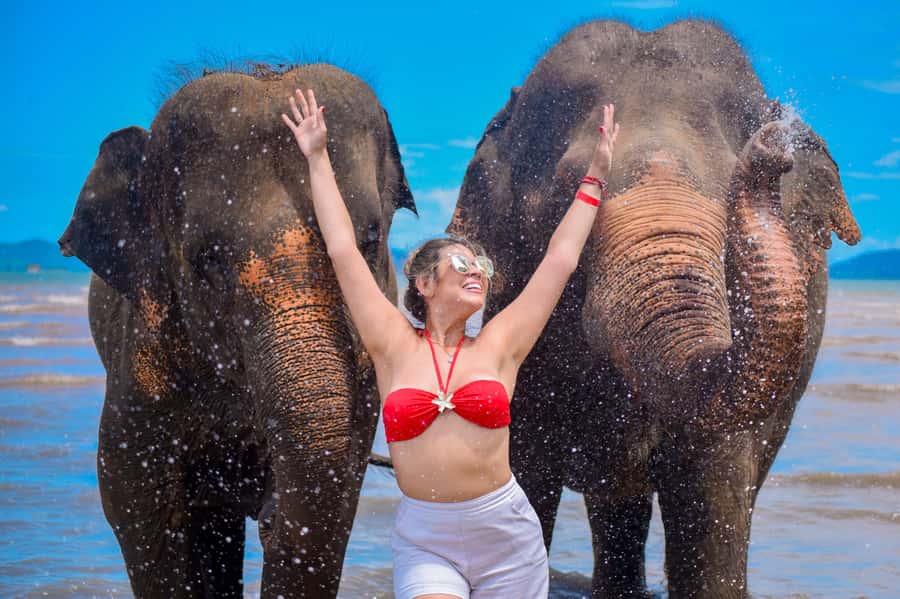
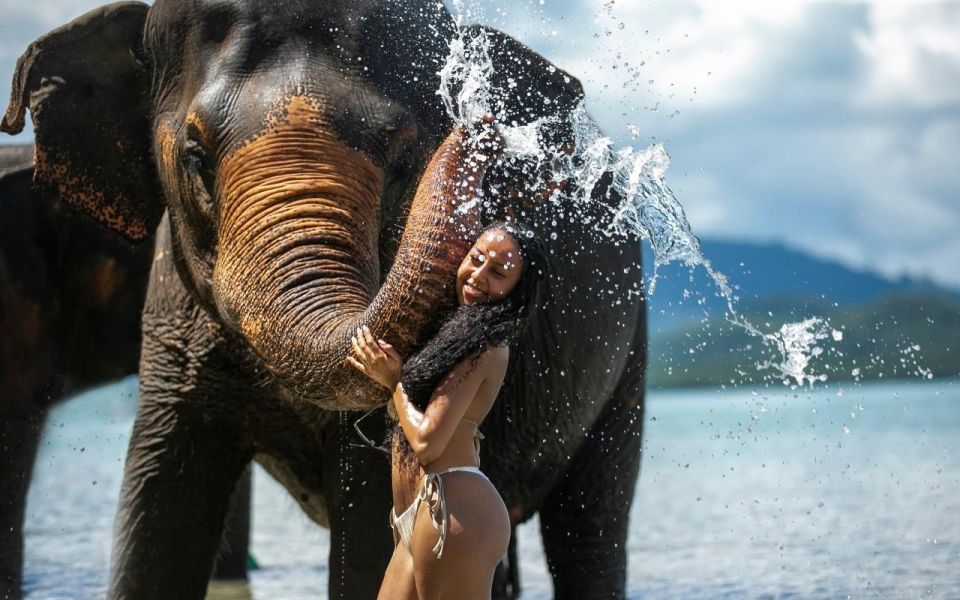
Finally, you reach the main event: the beach and sea bathing portion. This is where you and the elephants are closest to the water experience—walking with them to a private beach, bathing them in the sea, then rinsing them afterward with clean freshwater. Guides also describe and show a few comfort routines, including what’s meant to help their skin stay healthy.
Wildlife viewing at the camp: the quiet start that matters
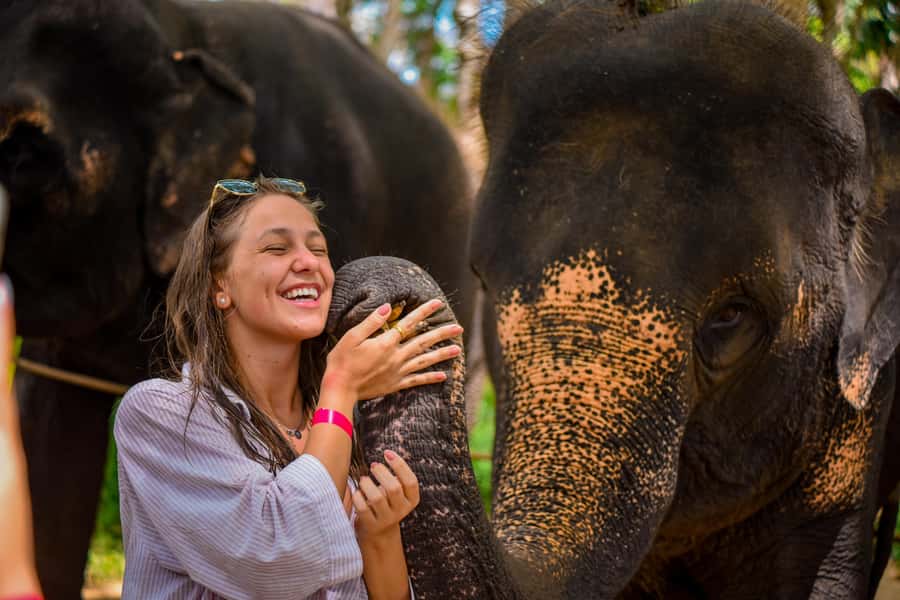
Before the beach gets dramatic, you get about 45 minutes of wildlife viewing at the camp. That time is useful because it makes you slow down and watch how elephants behave when they’re not being pushed through photo stops.
In the camp portion, you’ll also learn the basics for interacting respectfully—how to approach, when to step back, and what kinds of behavior to pay attention to. It’s a smart warm-up. Even if you’ve done an elephant tour before, this part helps you shift from excitement to observation, which makes the rest of the day feel safer and more meaningful.
A few practical notes: this is outdoors, so sun and water prep matter even before you reach the beach. If you tend to get cold easily, keep a light layer for after the water portion—once you’ve been in the sea, you’ll likely feel damp longer than you expect.
Beach walk: walking with them without the hard sell
The beach walk is one of the most peaceful stretches of the day. You follow the flow of the area and the elephants’ comfort, and it doesn’t feel like you’re being rushed from one pose to the next.
You’re not doing anything extreme here—think guided walking through natural surroundings and learning what “calm interaction” looks like in real life. This is also where you’ll understand why the camp emphasizes welfare. Elephants aren’t treated like attractions that must perform; they’re treated like animals whose routine and comfort come first.
If you’re going with kids, this section can be a great middle ground: active enough to feel fun, structured enough to feel safe, and calm enough to let younger visitors actually pay attention to what’s happening.
Sea bath and rainshower: the day’s highlight, plus the wet factor
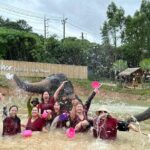
The star of the half-day is the sea bath & play portion. You’ll bathe the elephants in the ocean on a private beach. Saltwater is part of what the experience explains as helpful for their comfort, and you’ll also get to see them relax during the water time.
A separate included element is the rainshower with the elephants, which fits the same theme: gentle routines to help them feel clean and comfortable. After the sea bath, the day includes a final freshwater rinse. That freshwater step is important because it’s not just “let them get wet.” It’s about keeping their skin clean and reducing irritation, based on what the guide explains.
Here’s the practical consideration: you will get wet. Bring swimwear you’re comfortable staying in, and consider water shoes if you have them. One easy trick is to pack a dry change of clothes in a bag you can keep closed until you’re ready to leave.



Feeding sessions and the food-prep moment
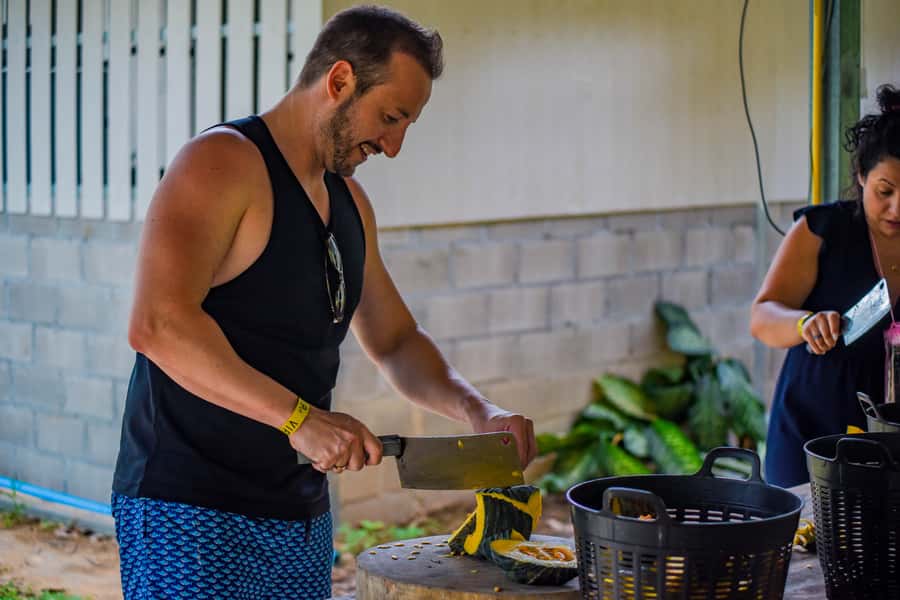
A big reason people rate this trip so highly is that you’re involved in feeding beyond the quick hand-out. You prepare their meal and then participate in feeding at guided times, which helps you understand that elephants have specific dietary needs and routines.
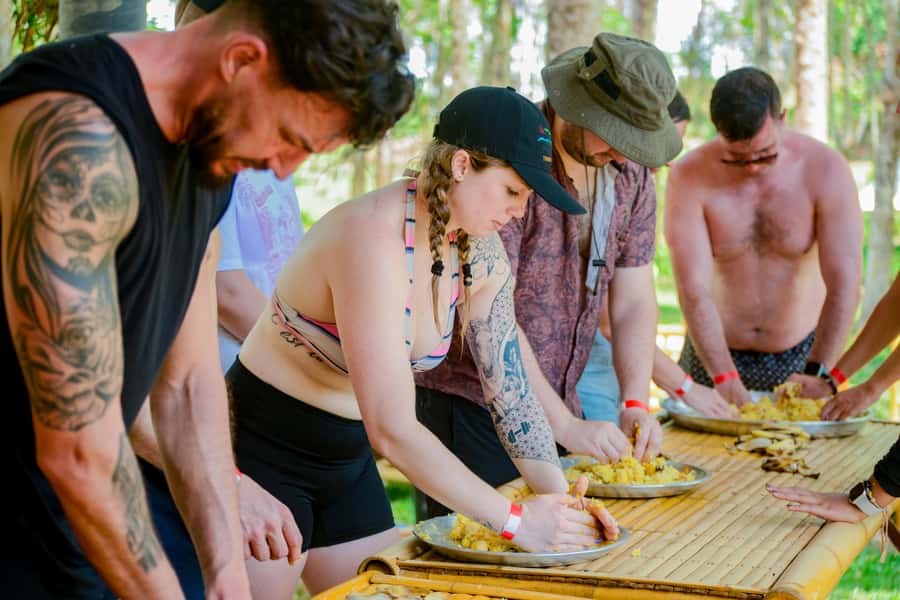
You’ll also make “vitamin balls,” described as a nutritious treat to support the elephants’ strength and health. It’s a fun activity, and it’s more than a gimmick because it ties back to what the guide is teaching about daily care.
If you’re sensitive to animal handling, you’ll likely appreciate the setup. The day is designed so you don’t grab or force interaction—you follow the flow and the elephants’ comfort level. Safety checks happen too, so you’re not just sent in blindly.
Basic health check teaching: learn what to watch

One of the most valuable parts—especially if you’ve ever wondered what “ethical care” looks like beyond marketing—is the basic health check segment. The guide explains what to observe and how behavior can reflect well-being.
This kind of education matters because it turns your day from entertainment into understanding. You leave with a clearer idea of how day-to-day welfare is assessed: behavior, basic vital signs, and comfort cues. Even if you won’t remember every detail later, you’ll remember the concept that elephants are monitored like living beings, not like photo props.
“Then you eat” Thai lunch: what’s included and what to expect
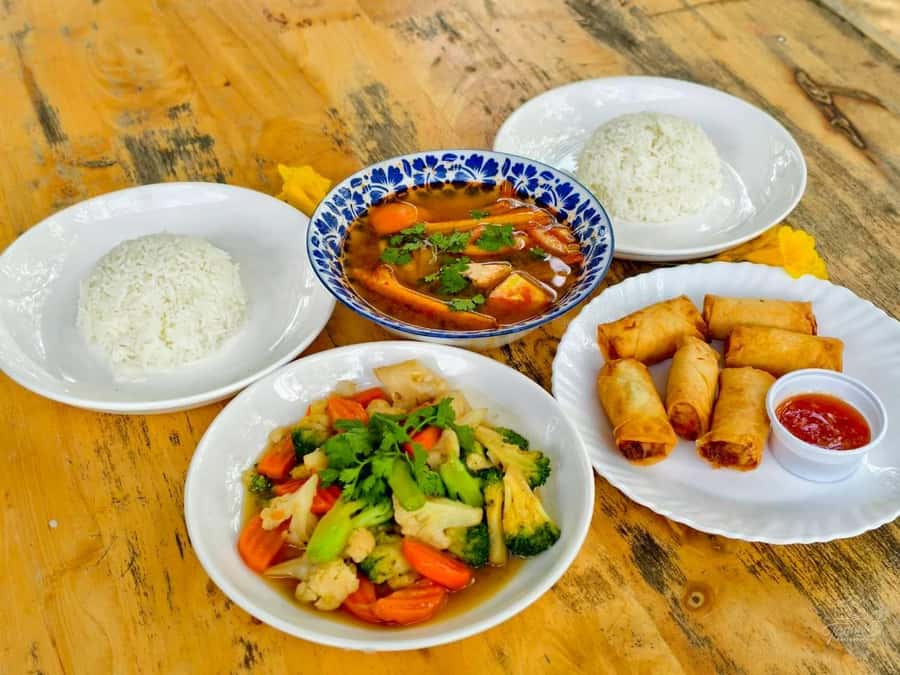
After the water and feeding, you get lunch. The tour includes lunch that’s Halal, and they say they can accommodate other dietary needs if you inform them ahead of time for allergies or vegetarian requirements.
In general, people describe the food as delicious. One small drawback to note: some felt lunch could have more choice, though it didn’t ruin the day for them. So if you’re picky or have strong preferences, it’s worth going in with flexible expectations—this is included meal convenience after a short, active day.
Lunch is a welcome buffer if you’re traveling from nearby beach areas. By the time you sit down, you’ll probably want warm food and a real break more than you want another snack.
Price and value: is $83 a fair deal?
At about $83 per person, this half-day can feel like a lot at first glance. But it’s not just a quick elephant photo stop. You get hotel pickup/drop-off in many Phuket areas, entry to the camp, food for the elephants, guide time, sea bathing and rinsing routines, and an included lunch with tea/coffee and snacks.
You also get accident insurance included. And if you’re comparing to longer tours that charge extra for food, transfers, and “experience upgrades,” the included basics help the math make sense for a short day.
What can add cost: the optional professional photographer. One note from the provided info is that photos start at 300 Baht, so if you want a full photo set, budget for it. If you’re happy with your own phone camera, you may not need to spend much at all—many people said the guides help with photos.
Getting there: pickup zones and getting your own ride
If you’re staying in parts of Phuket City, Old Town, Kata, Karon, Patong, or Kamala, pickup and drop-off are part of the package. If you’re in outer areas like Panwa, Chalong, Rawai, Nai Yang, Nai Torn, or Nai Harn, you can still do the tour, but pickup from those areas is an added 300 Baht per person.
If you prefer to go on your own, you can hail a taxi/Grab to Lily Elephant Camp, or self-drive using Google Maps. For timing sanity, I’d plan to arrive early enough to handle beach clothes changes without rushing—your day can feel smoother when you’re not sprinting to the first briefing.
What to bring (and what not to forget)
The essentials are straightforward:
- swimwear
- a towel
- sunscreen
Given the sea bath and shower elements, I strongly suggest packing a dry set of clothes in a sealed bag. Water shoes are also a smart idea if the beach is rocky or you just hate sand in your feet. And if you’re the type to forget small items, bring something to keep your phone protected while you’re in the water.
Ethics and safety: what to watch for on any elephant day
I can’t speak for every elephant operation, but I can tell you how this one frames the day. The program is structured around welfare-focused interaction: feeding, walking, bathing, and learning routines. There’s also clear emphasis on safety with an English-speaking guide and hands-on supervision during the close-contact activities.
The calm behavior many people highlight is a good sign to look for elsewhere too. On any elephant tour, pay attention to how elephants behave when no one is forcing performance. If you see frequent pushing, hard handling, or forced posing, that’s your cue to skip. Here, the flow feels built around comfort and respect, not tricks.
Is this the right Phuket tour for you?
This is a great choice if you want a short, meaningful elephant experience that includes real interaction: preparing food, feeding, walking, and bathing them in the sea. It also fits families well because the day isn’t just watching—it’s learning and participating with guide support.
You might think twice if:
- you’re very tide-or-weather sensitive and need a perfectly fixed schedule
- you’re traveling with tight flight timing (the day can include travel time, and sea conditions can affect the sequence)
Should you book Lily Elephant Camp’s half-day beach elephant experience?
If your priority is an ethical, hands-on elephant encounter that doesn’t require you to ride, I’d book this. The included lunch, guide-led education, and the unique beach bathing/rinsing routines make it feel like more than a quick stop.
If you’re flexible on timing and you’re ready to get wet, this is one of the most worthwhile ways to spend a half day in Phuket that centers on welfare and calm interaction.
FAQ
How long is the Lily Elephant Camp half-day beach experience?
It runs about 150 minutes to 3 hours.
What’s included in the trip price?
The price includes hotel pickup and drop-off (in listed Phuket areas), elephant food, jungle walk, bathing at a private beach, rainshower, an English-speaking guide, lunch, drinking water, tea, coffee, snacks, and accident insurance.
Is lunch included, and is it Halal?
Yes, lunch is included. The lunch is Halal, and you can request accommodation for allergies and vegetarian needs if you inform the provider in advance.
Can I take my own photos and use my phone?
You can bring your phone, and guides help with photos. There’s also an optional professional photographer available for an extra cost.
What should I bring for the sea bathing part?
Bring swimwear, a towel, and sunscreen. Expect to get wet during the sea bath and showers.
Does pickup cover all of Phuket?
Pickup is included for several Phuket areas (Phuket City/Old Town and parts of Kata, Karon, Patong, and Kamala). Pickup from outer areas like Panwa and Chalong costs an added 300 Baht per person.