REVIEW · PHUKET CITY
Phuket: Elephant Nature Reserve Entry Ticket and Guided Tour
Book on GetYourGuide →Operated by Phuket Elephant Nature Reserve · Bookable on GetYourGuide
Watching elephants roam calmly changes your mindset. This guided ticket at Phuket Elephant Nature Reserve focuses on a real sanctuary setup for rescued elephants, with time for observation, learning, and feeding done the ethical way.
I really like that the experience stays grounded in the animals’ welfare: no riding, no bathing, and no human handling. I also love the hands-on part—food prep and feeding with a guide’s explanations—so you leave with more than photos, you leave with understanding. The main thing to consider is the mood: it’s not a fast, action-heavy show, so if you’re chasing adrenaline, a calm pace may feel slower than other elephant activities.
In This Review
- Key highlights you’ll feel right away
- Why this Phuket Elephant Nature Reserve visit feels different
- Price and value: is $37 worth it?
- Getting to the reserve and handling the 1.5-hour window
- Entering the reserve: your briefing and the rules of the day
- Food prep and feeding: the hands-on part that stays respectful
- Elephant jungle observation: calm watching beats a forced schedule
- The small ecosystem: water ponds, paths, and why the setting matters
- What makes the guide such an important part of the tour
- Who should book this elephant sanctuary tour?
- Final take: should you book this Phuket elephant tour?
- FAQ
- How long is the Phuket Elephant Nature Reserve guided tour?
- Where do I meet the guide?
- What’s included in the ticket price?
- What isn’t included?
- What should I bring?
- Is this tour suitable for wheelchair users?
- Can I cancel, and is there a pay-later option?
Key highlights you’ll feel right away
- Accredited ethical sanctuary visit focused on rescued elephants, not performances
- Guided food prep and feeding rules that keep stress low for the animals
- English live guide commentary with clear elephant facts and rescue context
- Jungle observation time plus chances to watch elephants move naturally
- Natural water ponds and features for scenery and quiet viewing
- Meeting at Hug Me Cafe makes the start point easy to find
Why this Phuket Elephant Nature Reserve visit feels different
Phuket has plenty of elephant experiences. The problem is that many of the loudest options are built around human entertainment—riding, bathing, touching, or other setups that put elephants in awkward, stressful routines.
Here, the whole premise is different: Phuket Elephant Nature Reserve is described as accredited, sustainable, and ethical, and the tour is designed around respectful viewing. You’ll spend time with elephants in a calm, stress-free environment where you learn how caretaking works and why certain interactions aren’t allowed.
From the feedback you can see a consistent theme: people really value the boundaries. Multiple visitors specifically liked that they could observe elephants without riding, bathing, or touching them. That matters, because it changes what you’re there to do. You’re not there to “use” the elephant for a memory. You’re there to support a rescue and understand the animal as a living creature with needs and preferences.
The other big difference is that the guide doesn’t just point and talk. You get a briefing first, then you handle food prep and feeding in a way the sanctuary permits. That turns the visit from passive watching into meaningful participation—without turning the elephants into props.
You can also read our reviews of more tours and experiences in Phuket City.



Price and value: is $37 worth it?
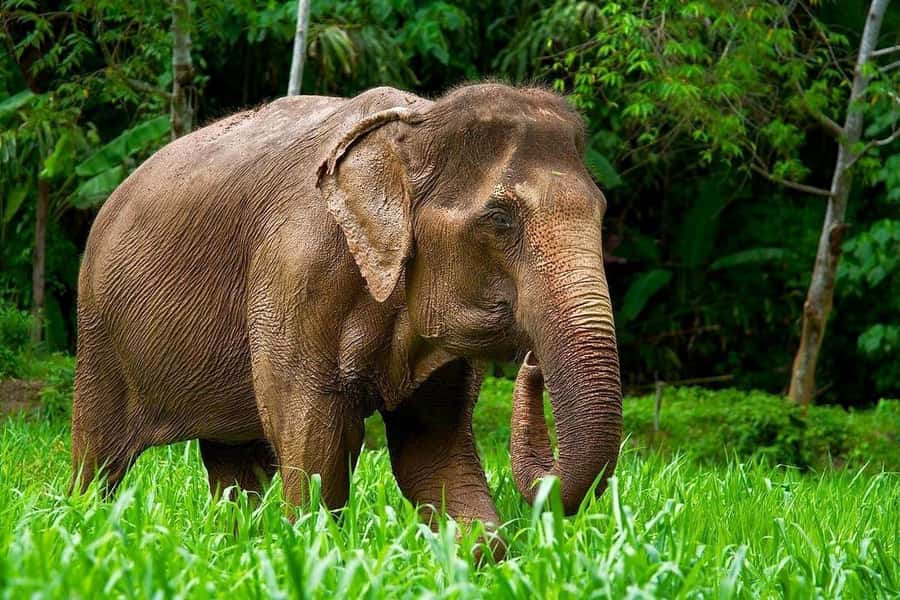
At about $37 per person, this isn’t the cheapest way to see elephants in Phuket. But for what you’re getting—entry ticket + live guide + elephant meeting and feeding—it’s strong value, especially if you care about ethics.
Here’s how I’d think about the cost:
- You’re paying for access to an ethical, accredited sanctuary environment rather than a show.
- You’re paying for an English guide who gives context, not just a path through a zoo-style loop.
- You’re also paying for a structured interaction that includes food prep and feeding (again, under sanctuary rules).
If you compare this type of visit to elephant activities that involve more intrusive handling, the “cheaper” options can look tempting. But you’re often paying for something else entirely—an interaction style that’s harsher on the elephants. If you want the price to feel connected to real welfare, this ticket is built for that.
Getting to the reserve and handling the 1.5-hour window
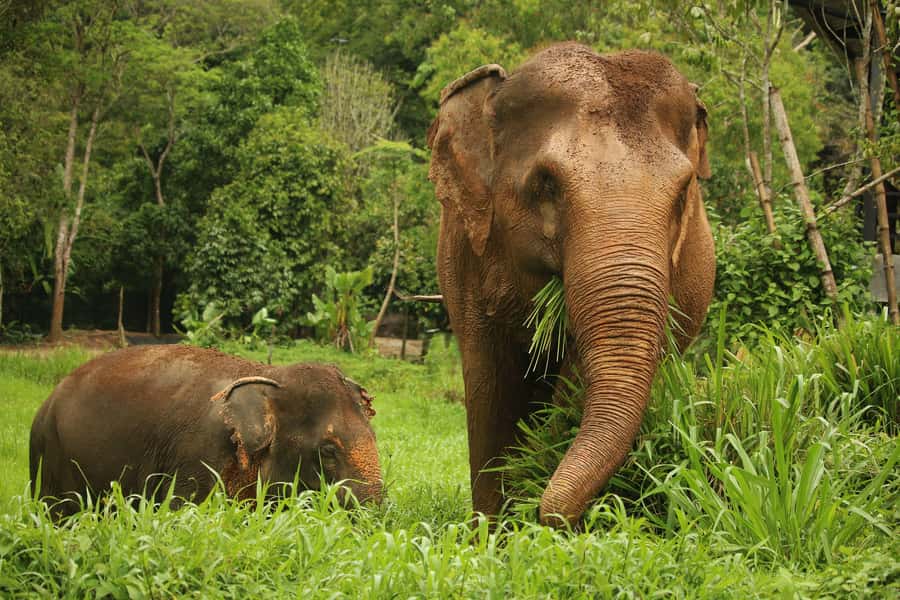
You’ll make your own way to Phuket Elephant Nature Reserve. Transportation isn’t included, so plan this like you would any self-arranged activity: use a rideshare/taxi/driver you trust, and give yourself a little buffer for traffic and tropical weather.
Your start point is clear: meet your guide next to Hug Me Cafe at Phuket Elephant Nature Reserve. The activity ends back at the same meeting point, so you don’t need to worry about complicated drop-offs.
The tour runs about 1.5 hours. Many visitors felt the time worked well, even for families and kids, because you’re not rushing between lots of stops. Instead, you’re learning, preparing food, feeding (when allowed), and then settling into observation time.
What to bring is simple and practical:
- Comfortable shoes (you’ll be on paths)
- Hat (sun is real in Phuket)
- Sunscreen
Not included: food and drinks. If you want a drink before or after, plan on grabbing it on-site.
Also note a real limitation: the experience isn’t suitable for wheelchair users. If you need accessibility support, you’ll want to check directly with the reserve before booking.
Entering the reserve: your briefing and the rules of the day
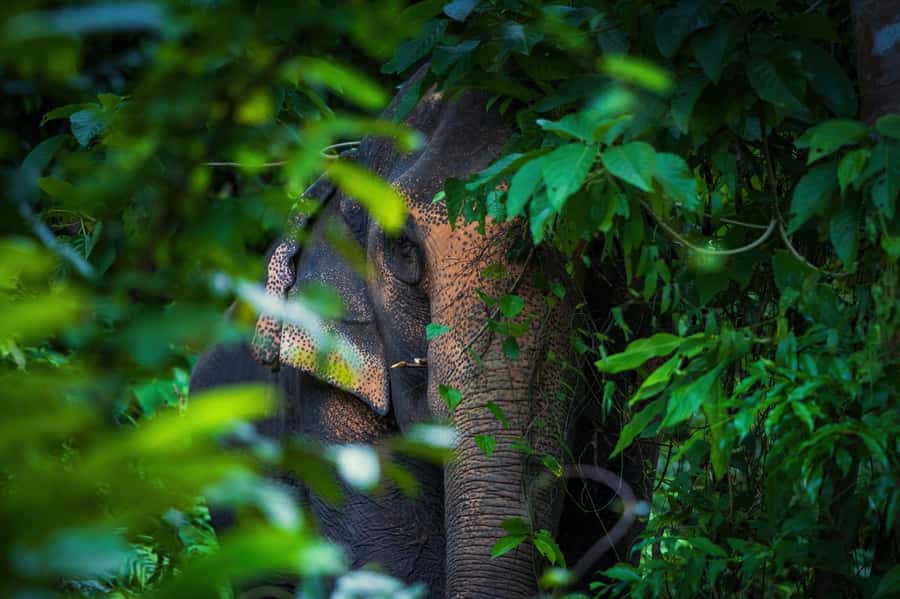
Once you meet your guide by Hug Me Cafe, the first part is a briefing and intro. This isn’t busywork. It’s the part that sets expectations so you don’t accidentally do the wrong thing when you’re face-to-face with big animals.
From the way the tour is described and the strong feedback about it, the sanctuary clearly emphasizes:
- a stress-free setup for the elephants
- respectful distance and boundaries
- no “hands-on” behavior that turns elephants into performance animals
This is where the guide’s role matters. An ethical sanctuary visit can still feel awkward if the rules are unclear. Here, the structure helps you understand what’s safe for you and what’s best for them.
You’ll then meet the rescued elephants and get ready for food prep and feeding. Expect that the guide will explain the animals and their rescue stories in a way that makes them feel like individuals, not a herd you just “see.”
And yes—some guides stand out by name. People have mentioned guides like Tom and Mike as friendly and informative. Even if your guide isn’t one of them, the important part is that you’ll have a live English guide giving real commentary.
Food prep and feeding: the hands-on part that stays respectful
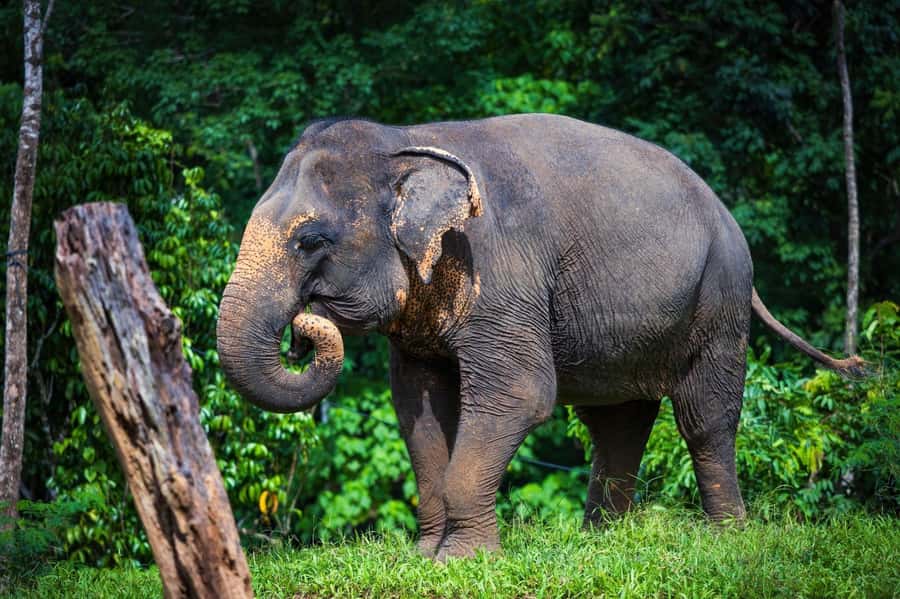
The highlight for many people is the food experience. You’re not just watching—you’re preparing food, then feeding in a way the sanctuary allows.
One detail to keep in mind: many ethical sanctuaries don’t let visitors hand-feed or touch elephants. Instead, you may:
- chop or prepare food yourself
- place food on a tray or buffet-style setup
- feed only under the guide’s direction and the elephants’ comfort level
That matches the emphasis you’ll see in the feedback: people loved that they could prepare and feed without touching, and that elephants weren’t there to interact with humans on demand.
Why this part feels so good
Feeding is intimate. When it’s done ethically, it gives you a deeper appreciation for daily routines—what elephants like, how they eat, and how calm behavior looks when the animal isn’t being prodded or forced.
It also changes your photos. Instead of trying to stage a moment, you’re watching real behavior unfold.
And the elephants have personalities. Visitors have talked about hearing caretakers and guides explain individual quirks and rescue history. You’ll likely notice the difference between younger elephants and older ones in their eating and movement.
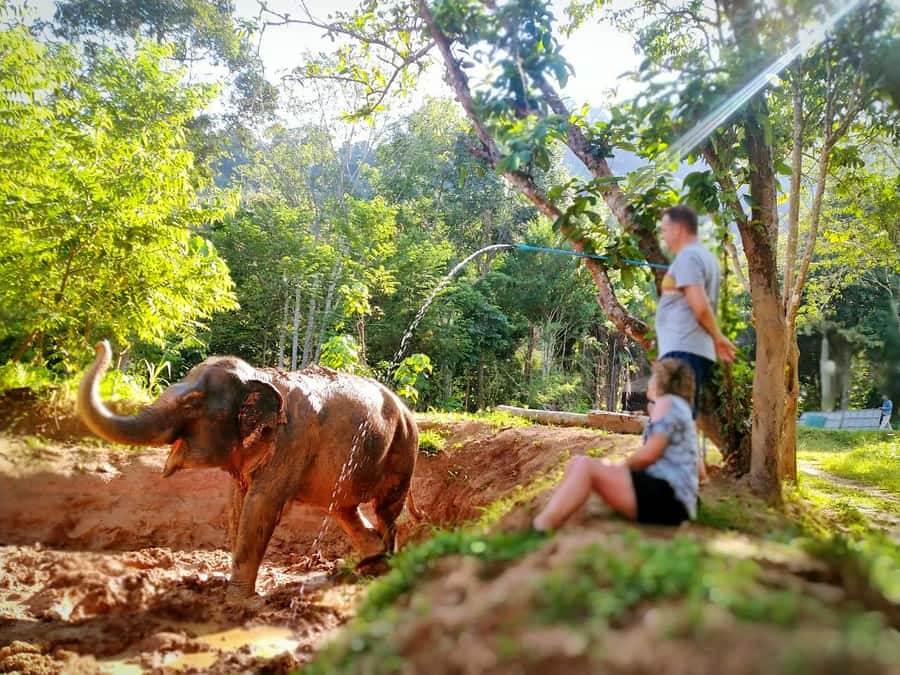
There’s also mention of a mud-bath moment for one baby elephant during a visit. That’s a reminder that you’re not in a manufactured “entertainment” setting. Elephants behave like elephants—if the environment includes the chance to do natural things, you may see it.



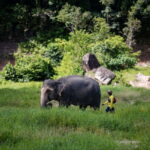


Elephant jungle observation: calm watching beats a forced schedule
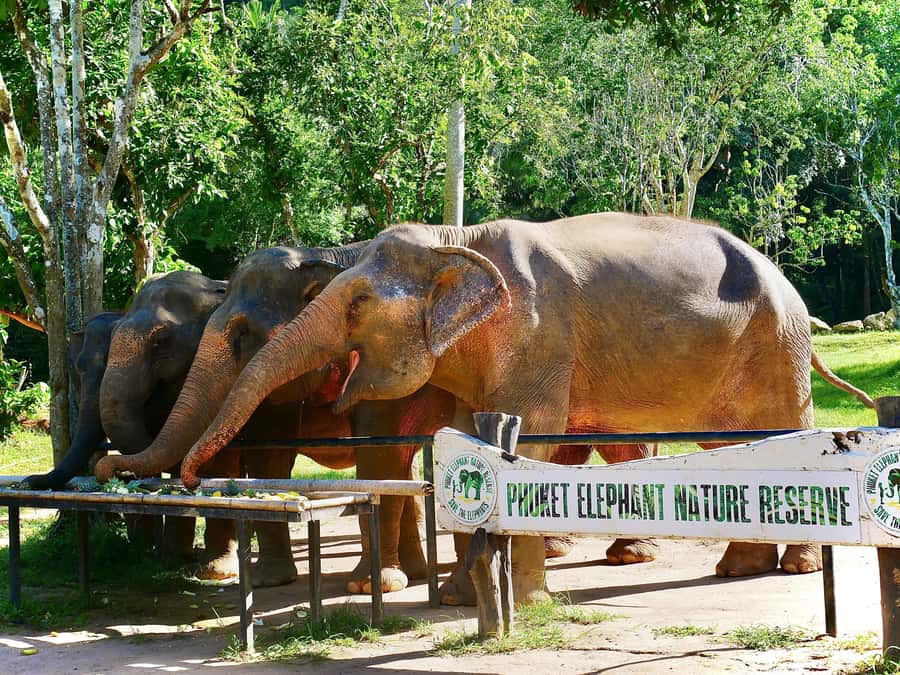
After feeding, you move into elephant jungle observation. This is where the visit shifts from active to observational.
You’ll get time to see elephants in a more natural routine, walking around freely within the reserve environment. Some visitors liked the closeness, describing it as being on tracks where you can watch without creating chaos. The key is that safety is maintained and the elephants aren’t being crowded.
Look for:
- natural movement and spacing between elephants
- grazing and eating routines after food is prepared
- body language that shows comfort vs. stress
This is also where the “ethical” label becomes visible. When elephants aren’t being ridden or washed as attractions, they tend to look more relaxed and less switched into performance-mode.
Photo opportunities are a real part of the experience too. You’ll have chances to take pictures during observation, not just during a staged interaction. The reserve description also mentions natural water ponds and features, which can add variety to your photos beyond just close-up portraits.
The small ecosystem: water ponds, paths, and why the setting matters
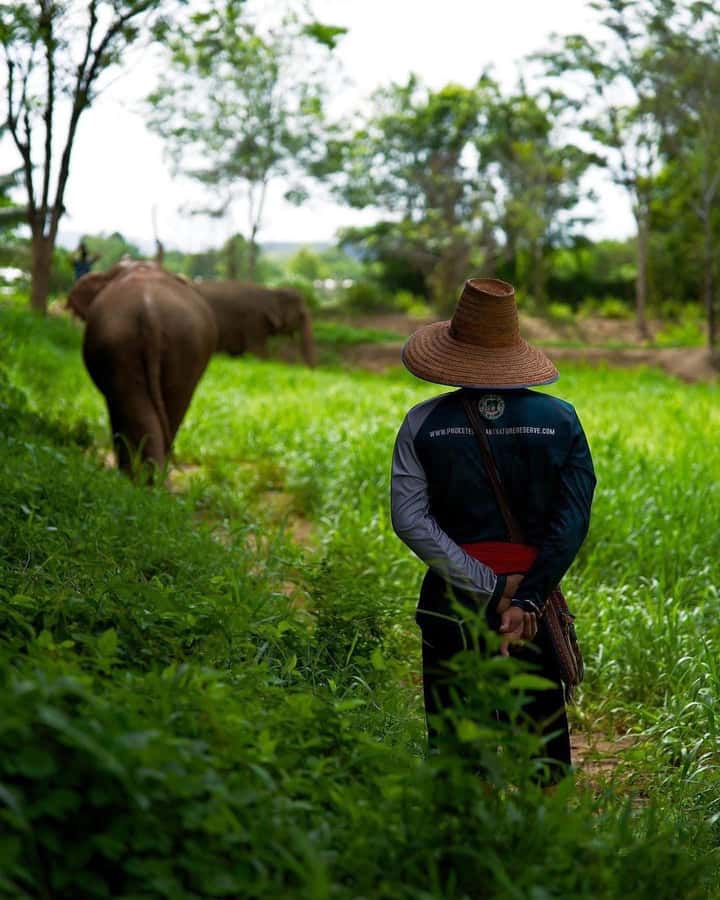
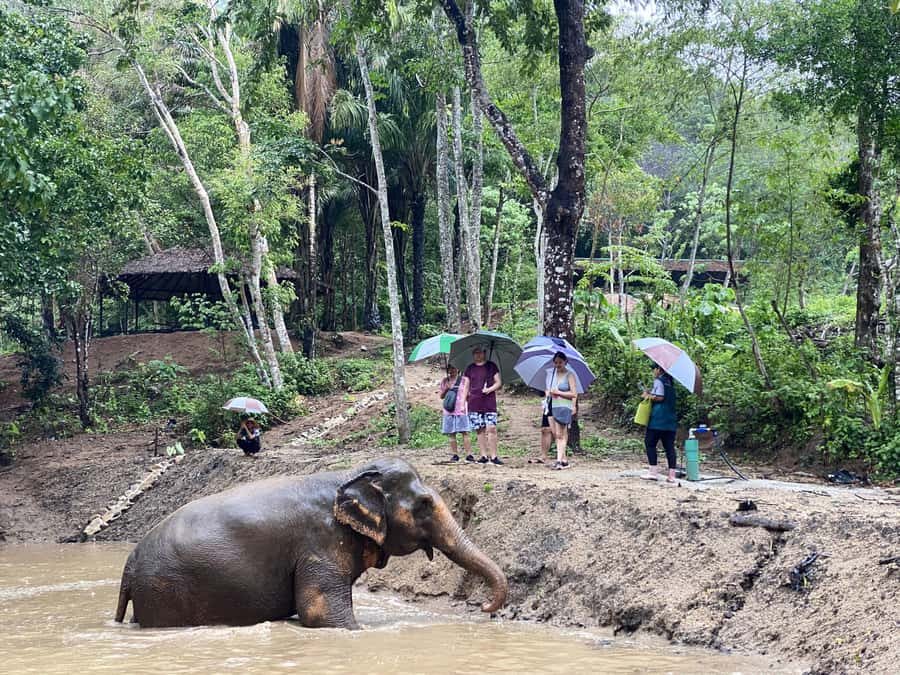
The tour includes time for observation around natural water ponds and features. Even if you’re not chasing scenery, this matters because water is part of elephant life—cooling off, drinking, and doing natural behaviors.
When you watch elephants near water, it can feel more “real,” because the reserve environment supports everyday needs. It also helps explain why many visitors feel heartened by the way elephants are treated: the focus isn’t on forcing behavior. It’s on letting the elephants live.
You’ll also spend time walking on reserve paths. That’s why comfortable shoes are in the packing list. The terrain can be uneven, and Phuket humidity turns “short walks” into sweat walks if you’re in flip-flops.
If you’re sensitive to heat, use the hat, take slow breaks, and don’t feel guilty about stepping back for shade. This is a calm tour; you don’t need to sprint between photo angles.
What makes the guide such an important part of the tour
The guide isn’t just there to keep time. In an ethical sanctuary visit, they’re there to interpret what you’re seeing.
Expect explanations about:
- elephants’ behavior and routines
- why certain interactions are avoided (like touching and riding)
- rescue background and individual personality traits
This is why people rated the experience so highly. They didn’t just like the elephants. They liked understanding the elephants.
If you’re the type who normally reads placards at museums, you’ll probably appreciate this approach. It gives meaning to the visuals you’re seeing.
Who should book this elephant sanctuary tour?
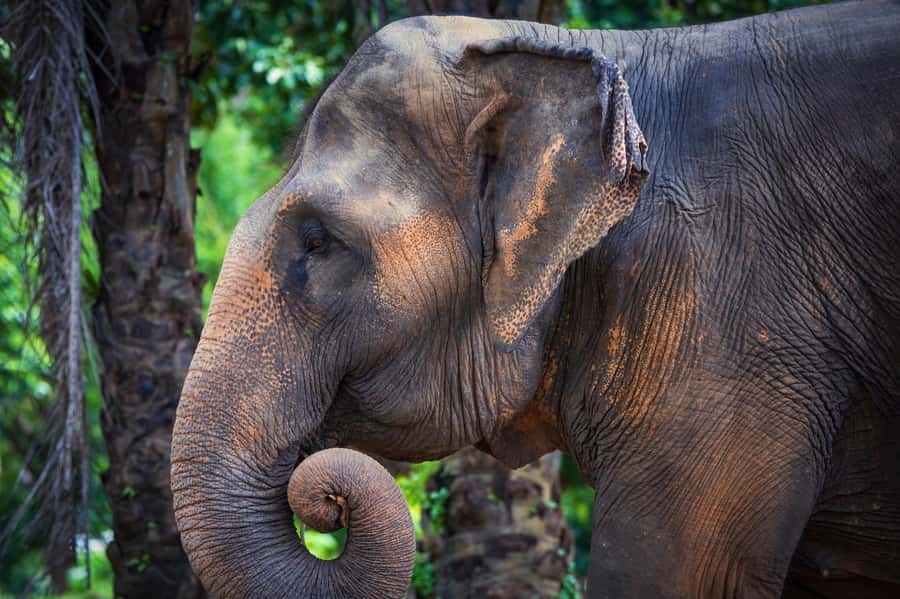
This is a great match if you want:
- an ethical elephant encounter
- an educational component (not just a photo stop)
- calm, respectful watching rather than high-pressure handling
It also works for families. One family mentioned traveling with kids around 10 and 12 and feeling that the 1.5 hours was enough time. That tells you the structure is digestible. Kids aren’t trapped in a long, exhausting tour loop, but they still get hands-on food prep and learning.
It’s less ideal if you:
- specifically want riding or bathing experiences
- dislike slower, observation-based travel
- need wheelchair-friendly access (this one isn’t suitable)
Final take: should you book this Phuket elephant tour?
Yes—if your goal is to see elephants in a way that aligns with animal welfare.
Book it if you care about no riding, no bathing, no touching, and you like the idea of learning how rescued elephants are cared for. The 1.5-hour format also makes it feel realistic for a Phuket day: you get meaningful interaction and observation without it turning into an all-afternoon grind.
Skip it if you’re looking for a high-energy performance or you’re tempted by elephant-ride-style excitement. This sanctuary experience is about watching, learning, and supporting the elephants’ day-to-day life.
If you choose wisely and go in with the right expectations, this is the kind of tour that sticks with you—because you don’t leave thinking only about photos. You leave thinking about care, routine, and respect.
FAQ
How long is the Phuket Elephant Nature Reserve guided tour?
The tour lasts about 1.5 hours.
Where do I meet the guide?
Meet your guide next to Hug Me Cafe at Phuket Elephant Nature Reserve.
What’s included in the ticket price?
The ticket includes the Phuket Elephant Nature Reserve entry ticket, a guide, and elephant meeting and feeding.
What isn’t included?
Transportation and food and drinks are not included.
What should I bring?
Bring comfortable shoes, a hat, and sunscreen.
Is this tour suitable for wheelchair users?
No, this activity is not suitable for wheelchair users.
Can I cancel, and is there a pay-later option?
Yes. You can cancel up to 24 hours in advance for a full refund, and there is a reserve now & pay later option.