REVIEW · BANGKOK
River Kwai Day Tour from Bangkok – History, Scenery & Culture
Book on Viator →Operated by Sunleisure World · Bookable on Viator
WWII comes to life along the River Kwai. I love the small-group size (max 15), which keeps the day from feeling like a cattle stampede, and I also like that it includes the Death Railway train ride plus a real lunch stop at Wang Po station. One thing to consider: it is a long day, and some museum presentation and guide commentary can vary by session.
You’re signing up for a serious slice of 20th-century history, not a laid-back sightseeing cruise. Expect an early Bangkok start, lots of walking at key sites, and a schedule that moves you from memorial to museums to the bridge and back to Bangkok.
In This Review
- Key Things to Know Before You Go
- A Sobering Day Trip From Bangkok With Real Moving Parts
- The 11-Hour Timeline and Why It Feels Like More Than One Activity
- Stop 1: Kanchanaburi War Cemetery Where the Scale Hits Hard
- Stop 2: JEATH War Museum for POW-Related Storytelling
- Stop 3: The Bridge Over the River Kwai Walk
- Stop 4: Death Railway Museum and the Train Ride Through the Real Corridor
- Stop 5: Wang Po Station Lunch and the Road Back to Bangkok
- Price and Value: What $97.77 Buys You (and What You Don’t Want to Forget)
- Guides, English Levels, and How to Get More Out of Every Stop
- Who This Tour Suits Best (and Who Might Want to Choose Something Else)
- Should You Book the River Kwai Day Tour From Bangkok?
- FAQ
- FAQ
- How long is the River Kwai day tour from Bangkok?
- What stops are included during the day?
- Is hotel pickup in Bangkok included?
- What’s included in the price?
- Do we ride the Death Railway train?
- Is lunch included?
- What’s the group size?
- Is there any guidance on train seat upgrades?
- What are the child height rules?
- What cancellation options are offered?
Key Things to Know Before You Go
- Max 15 guests: This stays intimate, with easier photo stops and more time to ask questions.
- WWII stops you can actually see: War Cemetery, the JEATH Museum, the Bridge over the River Kwai, and Death Railway remains.
- Lunch at Wang Po station: You get food included near the railway corridor, then head back to Bangkok.
- Train time is the centerpiece: The ride covers a stretch of the Death Railway with views over the River Kwai.
- Guides matter on this tour: Names like Rach, Oom, Nina, and Jira show up as favorites for clear, caring explanations.
- Expect a long ride day: It’s about 11 hours total, so plan your energy like it’s an all-day expedition.
A Sobering Day Trip From Bangkok With Real Moving Parts
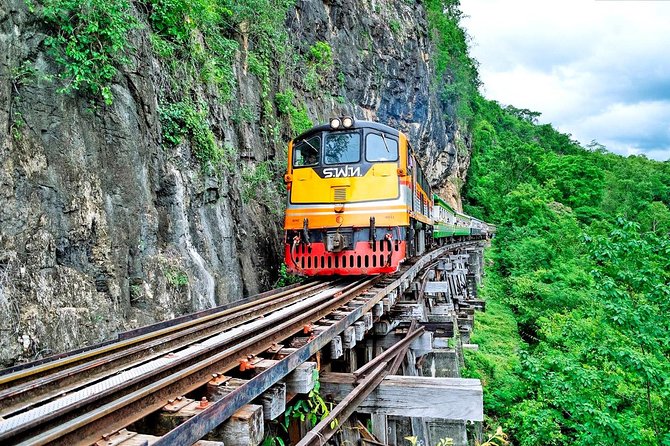
This tour is built around one question: how did a railway and a bridge become part of so much suffering? You travel from Bangkok to Kanchanaburi, then spend the day in places tied to Allied POWs, forced labor, and the brutal logistics of the Death Railway.
What makes it more than a checklist is that it mixes three kinds of learning. You start with burial ground and names. Then you move through museum displays and reconstructions. Finally, you ride the railway line itself. That last piece makes the day click, because it turns a story into something physical you can feel through your seat and your eyes.
Also, the small-group format changes the pacing. In a big bus day, you rush. Here, you’re more likely to get a steadier rhythm for photos, questions, and walking the bridge at a comfortable pace.
You can also read our reviews of more tours and experiences in Bangkok.

The 11-Hour Timeline and Why It Feels Like More Than One Activity
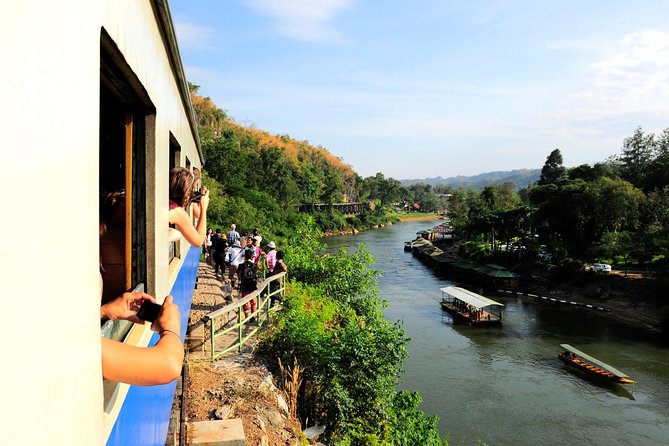
From the start, this is a day with moving parts. You’re picked up from hotels in Bangkok, then transported by minibus to Kanchanaburi. The schedule is designed so you hit the cemetery early, move to museum stops, then get to the bridge and rail portion before returning to Bangkok after lunch.
Real talk: you’ll want to treat this like a full day out of Bangkok, not a quick side trip. Some sessions also include extra options on the day, like a boat add-on to see the bridge from the river. If that’s offered when you’re there, it can add to the feeling that you’re watching history from multiple angles.
The tour runs about 11 hours, and you’ll be sitting in a vehicle for a chunk of that. Bangkok traffic can stretch timing, and the operator notes the drive time can be affected by conditions and safety protocols. Plan for that so you don’t get grumpy when the schedule shifts by a little.
Stop 1: Kanchanaburi War Cemetery Where the Scale Hits Hard
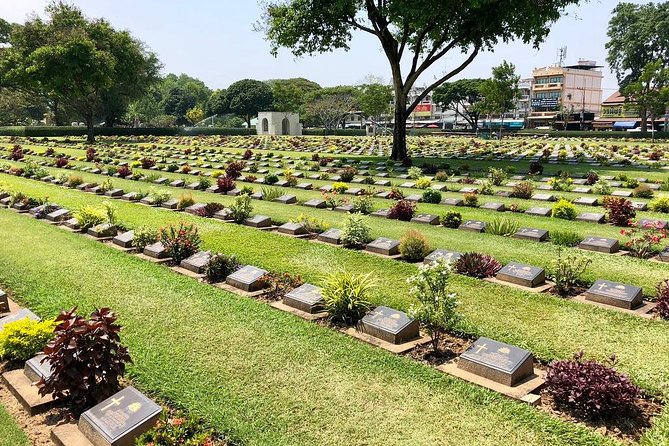
The Kanchanaburi War Cemetery is the opening emotional beat. You arrive in Kanchanaburi and visit the cemetery of Allied POWs from World War II. The tour gives you about an hour here, including walking time and time to take things in.
If you’re the type who likes your history grounded (names, dates, and places), this stop does that job. People often remember this moment most because it is quiet and direct: it doesn’t ask you to interpret a scene. It just presents the fact of who died and why.
Practical tip: wear shoes you can walk in comfortably. Even if you don’t cover huge distances, cemetery paths and pacing take a bit of energy.
Stop 2: JEATH War Museum for POW-Related Storytelling
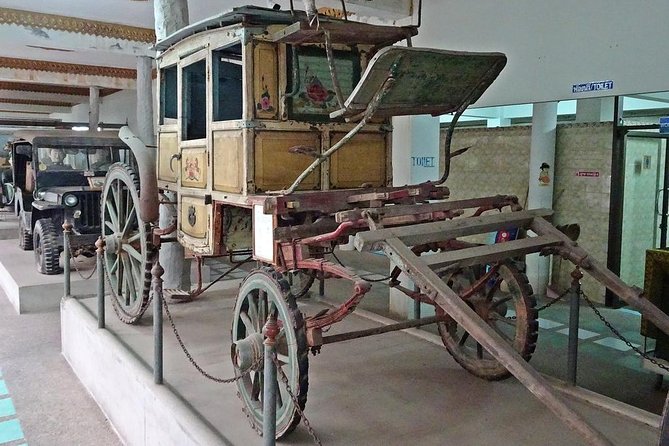
Next up is the JEATH War Museum, focused on WWII. You get about an hour, and the admission is included.
This museum aims to explain the POW experience through exhibits and a recreated prisoner-of-war camp feel (the kind of staged environment that helps you picture life behind the barbed wire). It’s not just text panels. It’s designed as a story space.
One caution: the museum presentation can feel lighter depending on the exhibit and how English descriptions are handled during your visit. Some guided moments can be strong, and others can feel more like you’re reading what you can on your own. If you care most about deep, spoken narration, your guide’s style will matter a lot here—so pay attention to how your guide frames what you’re seeing.
Stop 3: The Bridge Over the River Kwai Walk
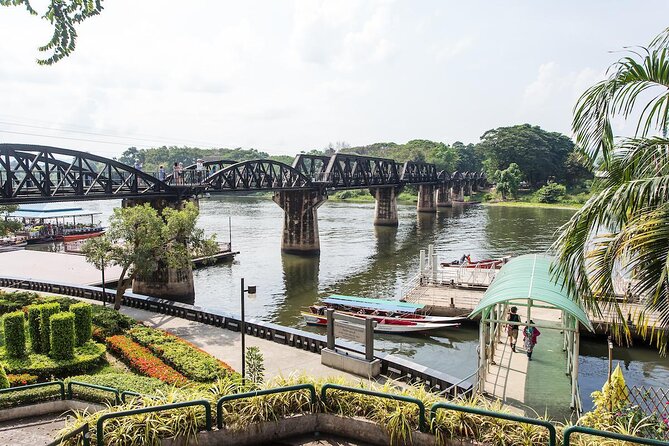
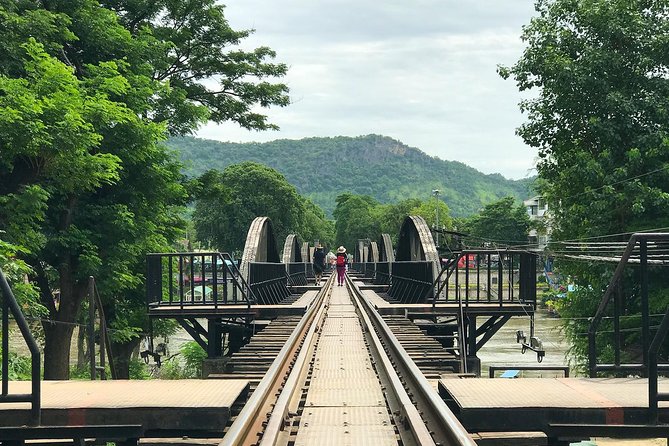
After the museums, you reach the River Kwai Bridge and walk across it. This is one of the tour’s most iconic moments, and it also helps you understand what you’ve just been learning.
You get about an hour here, and admission is included. The walk matters because the bridge isn’t just a photo. You’re at river level and you can look at the bridge from the side angles that a single viewpoint never shows.
A few notes that help set expectations:
- It’s a walk on an active, lived-in landscape. You’ll share space with other visitors.
- It’s a good moment to slow down for photos, because the rest of the day is structured and moving.
If you’re into film trivia, you’ll likely notice how the physical scene can feel different than popular movies portray. The real site is always less dramatic and more grounded, which can hit harder.





Stop 4: Death Railway Museum and the Train Ride Through the Real Corridor
This is where the day gets physical.
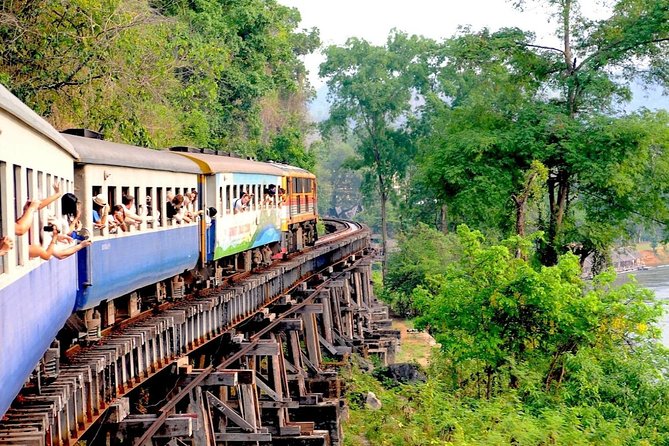
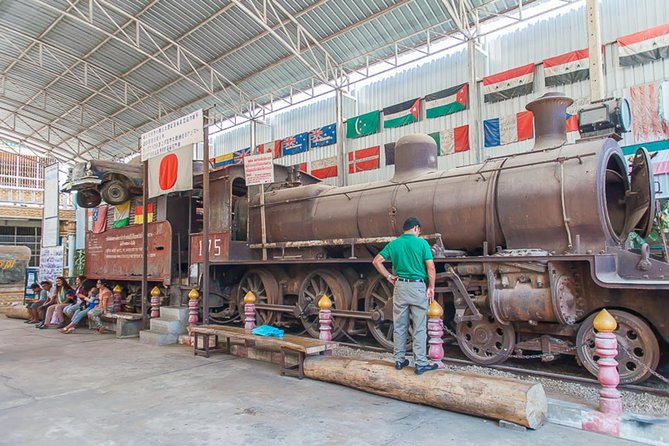
You visit the Death Railway Museum and Research Centre, then take a train trip along a stretch of the Death Railway. The stop is short on paper—about 30 minutes for this segment—but the train ride is the highlight people talk about.
The route passes through countryside scenery and includes wooden viaducts built by POWs on dramatic cliff sides overlooking the River Kwai. That detail matters. It’s not a gentle landscape rail line. It’s engineering in a harsh setting, which is part of the horror: men were forced to build something dangerous under brutal conditions.
From a comfort standpoint, be ready for less-than-modern vibes on the train. Some sessions have felt dusty or smoky during the ride, and AC isn’t something you should assume. If you’re sensitive to air quality or ride comfort, plan for that with the right attitude—and consider bringing something simple like a light face covering if it comforts you.
Also, seat options can be part of the day. There can be an upgrade opportunity for seating, and one commonly mentioned figure is 500 BHT for a double seat. Even then, don’t expect miracles—some upgrades are about seat comfort, not about turning the train into a luxury carriage.
Stop 5: Wang Po Station Lunch and the Road Back to Bangkok
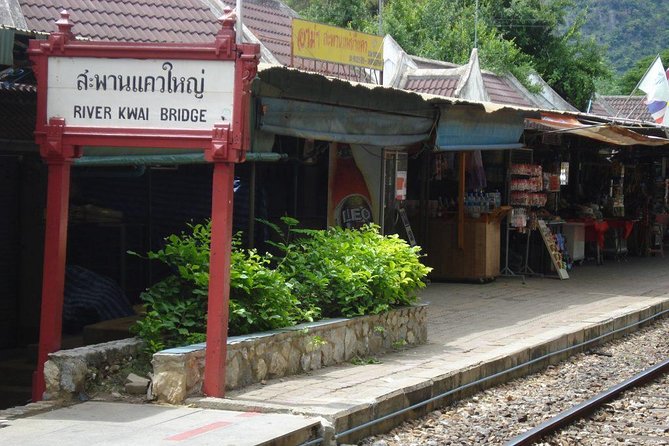
You finish the main sightseeing with the Wang Po station segment. You arrive at Wang-Po railway station and then lunch is provided at a local restaurant.
This meal is a big deal on a long day. Lunch is described as Thai-style and buffet-style with plenty of options. You’re also eating near the railway corridor, which keeps the momentum tied to the rail story instead of feeling like you’re just stopping for food.
Once lunch is done, the tour transitions back to Bangkok. The return transfer brings you to your hotel after a full day in Kanchanaburi.
If you’re wondering why this stop feels different than lunch elsewhere: it’s because the whole tour is about the railway corridor. You’re not breaking the narrative. You’re eating inside the same geographic story.
Price and Value: What $97.77 Buys You (and What You Don’t Want to Forget)
The price is listed at $97.77 per person, with round-trip transfer, an English-speaking guide, lunch, and an air-conditioned vehicle included.
Here’s how I think about the value:
You’re paying for three things at once:
- Long transport from Bangkok and back, handled by the operator.
- Included guided access to multiple WWII sites that are spread out.
- A real train ride tied to the Death Railway corridor, not just museum photos.
So yes, it’s not a cheap day trip. But compared to paying for transport separately, then buying individual entries, then trying to line up a rail experience on your own, this bundled plan can make sense—especially for a single-day stop in Thailand.
Where value can dip is if you end up with a guide who doesn’t offer much spoken explanation. Some experiences report guides who were more like an escort than a storyteller. That can matter a lot on sites where you’d ideally want context as you walk.
So the smartest way to judge this tour is: do you want the structured day with a guide, or do you want flexibility to wander and read at your own pace? If you want a guided arc from cemetery to bridge to train, this fits well.
Guides, English Levels, and How to Get More Out of Every Stop
The guide is the difference between a tour that feels like a list and a tour that feels like a story. In the experiences shared, guides such as Rach, Oom, Nina, Jira, and even a guide named Oil show up in different roles, with some highlighted for clear English and strong narration.
What you can do:
- Ask one question early. Something like how the POW labor changed the timeline or why the sites are preserved. If your guide is strong, you’ll feel it quickly.
- During the museum stops, don’t just look at the display. Ask what the exhibit is trying to communicate.
- On the train segment, pay attention to what your guide points out around the route. That’s where the “why this place matters” becomes practical.
If English commentary turns out to be limited, you can still get value from the sites themselves. But your enjoyment will rely more on what you read and how you interpret the physical landscape in front of you.
Who This Tour Suits Best (and Who Might Want to Choose Something Else)
This tour is a good fit if you want:
- A structured day focused on WWII and the River Kwai corridor.
- A small group so you’re not trapped in bus schedule chaos.
- A train ride that makes the story tangible.
It may be less ideal if:
- You want a relaxed, light day with minimal walking and minimal emotional weight.
- You hate long vehicle time from Bangkok.
- You expect all museum spaces to feel perfectly maintained and heavily explained in English at every moment.
This is also a solid choice for families and older travelers who can manage a full day pacing. The operator notes most travelers can participate, and you’ll be in a vehicle with air-conditioning, then walking at sites where shoes and stamina help.
For kids, child pricing depends on height. The notes include both a threshold above 120 cm charged as adult rate and a note that if a child is over 110 cm you should use the adult price. If you’re traveling with children, double-check the height rule when you book.
Should You Book the River Kwai Day Tour From Bangkok?
If you’re in Bangkok and you want one unforgettable day that combines memorial sites, museum context, a bridge walk, and a train ride connected to the Death Railway, this is a strong contender. The small group size helps you get through it with less stress, and the train segment is the kind of experience that makes the history feel real.
I’d book it if you’re prepared for a long day and you’re okay with a serious theme. I’d think twice if you’re mainly seeking comfort, short travel time, or deeply detailed narration at every step. In that case, you might prefer a different format where you can spend more time solo reading and less time depending on commentary.
In short: if you want a guided, single-day arc through the River Kwai WWII story, this tour is built for that.
FAQ
FAQ
How long is the River Kwai day tour from Bangkok?
It runs about 11 hours.
What stops are included during the day?
You visit the Kanchanaburi War Cemetery, the JEATH War Museum, the River Kwai Bridge, the Death Railway Museum and Research Centre, and then you have lunch at Wang Po railway station before returning to Bangkok.
Is hotel pickup in Bangkok included?
Yes. Round-trip transfer is included, and Bangkok hotel pickup is available on request.
What’s included in the price?
The tour includes round-trip transfer, an English-speaking guide, lunch, and an air-conditioned vehicle. Admission tickets are included for the JEATH War Museum, the River Kwai Bridge, and the Death Railway Museum and train segment.
Do we ride the Death Railway train?
Yes. There is a train journey along a stretch of the Death Railway.
Is lunch included?
Yes. Lunch at Wang Po station is included, described as Thai-style and buffet-style.
What’s the group size?
The maximum group size is 15 travelers.
Is there any guidance on train seat upgrades?
There are options mentioned to upgrade train seating on the day, with some references to better seating choices and costs such as 500 BHT for a double seat.
What are the child height rules?
The notes indicate adult pricing applies if a child is over 120 cm, and another note says if the child is over 110 cm you should use the adult price.
What cancellation options are offered?
Free cancellation is available up to 24 hours in advance for a full refund.