REVIEW · PHUKET CITY
Phuket: Half Day or 2-Hour Ethical Elephant Care Sanctuary
Book on GetYourGuide →Operated by Northern All Star Co.,Ltd. · Bookable on GetYourGuide
Elephants, mud, and a no-riding rule. At Nai Dee Elephant Care Park in Phuket, you get an up-close, hands-on day built around ethical elephant care and learning elephant behavior in a natural setting.
What you’ll like most is the direct connection: prepare food, feed by hand, and (on the longer option) join in elephant bathing and a mud spa while guides explain what you’re seeing.
I especially like two things. First, the feeding part isn’t showy or rushed—it focuses on respecting natural behavior. Second, the added Thai cooking class (with real dishes like pad thai) makes the experience feel like more than just an animal encounter.
One consideration: the experience runs on shared transfers, so pickup and ride time can be longer than you expect, especially during busy parts of the day.
In This Review
- Key highlights at a glance
- Phuket’s Nai Dee Elephant Care Park: what makes it different
- Option A (half day): feeding, Thai food prep, and elephant mud spa
- Preparing food before you feed
- Bathing and mud spa (the signature moment)
- The meal break that doesn’t feel like filler
- Timing and return
- Option B (2 hours): quick ethical feeding and still a full Thai bite
- Guides, group energy, and the elephant behavior focus
- The Thai cooking class: why it’s more than a side activity
- Photos and memories: what you can expect
- Getting there from Phuket: shared transfers can change the feel of your day
- What to bring (and what will save you later)
- Who this tour is best for (and who should skip it)
- Price and value: is it worth the $36?
- Should you book the Nai Dee elephant experience?
- FAQ
- How long is the elephant experience?
- What’s included in Option A versus Option B?
- Do I get the Thai cooking class?
- Is photo shooting included?
- Are transfers from my hotel included?
- What time will I be picked up?
- Can I get picked up if I’m staying on Coconut Island?
- What should I bring for the day?
- Is the activity suitable for cruise ship passengers?
- Are there any restrictions on who can join?
Key highlights at a glance
- Ethical sanctuary focus at Nai Dee, with a mission centered on welfare and responsible interaction
- Feeding by hand after you prepare healthy treats and learn about elephant diets and behavior
- Option A adds bathing and mud spa (plus an activity uniform), not just watching from a distance
- Thai cooking class included with a practical, fun break from the elephants
- Free photo coverage from staff photographers, plus tips on how to manage your own phone
- Fun, high-energy English staff who keep the group moving and informed
Phuket’s Nai Dee Elephant Care Park: what makes it different
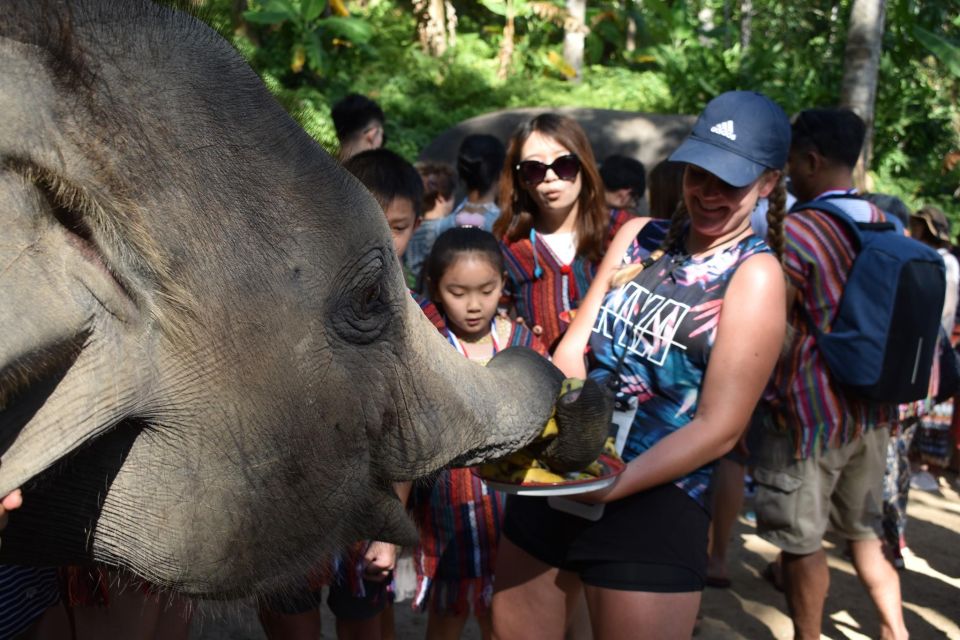
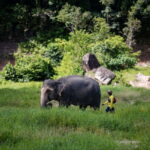
If you’re in Phuket and you want elephants without the usual circus vibe, this is the kind of place that tries to earn your trust. Nai Dee Elephant Care Park covers more than 100,000 square meters of natural habitat in Thailand’s Gulf of Thailand region, so the day feels less like a one-room attraction and more like a real sanctuary visit.
The experience is also structured to teach you. You don’t just wander into an animal area. You’re guided through care basics—what you’re making, what you’re feeding, and what elephant behavior can mean—so you come away understanding more than you came with.
One more practical note: the program is offered in two lengths. If you’re short on time, you can do a 2-hour feeding-focused visit. If you want the full experience, Option A adds bathing and mud spa.
You can also read our reviews of more tours and experiences in Phuket City.



Option A (half day): feeding, Thai food prep, and elephant mud spa
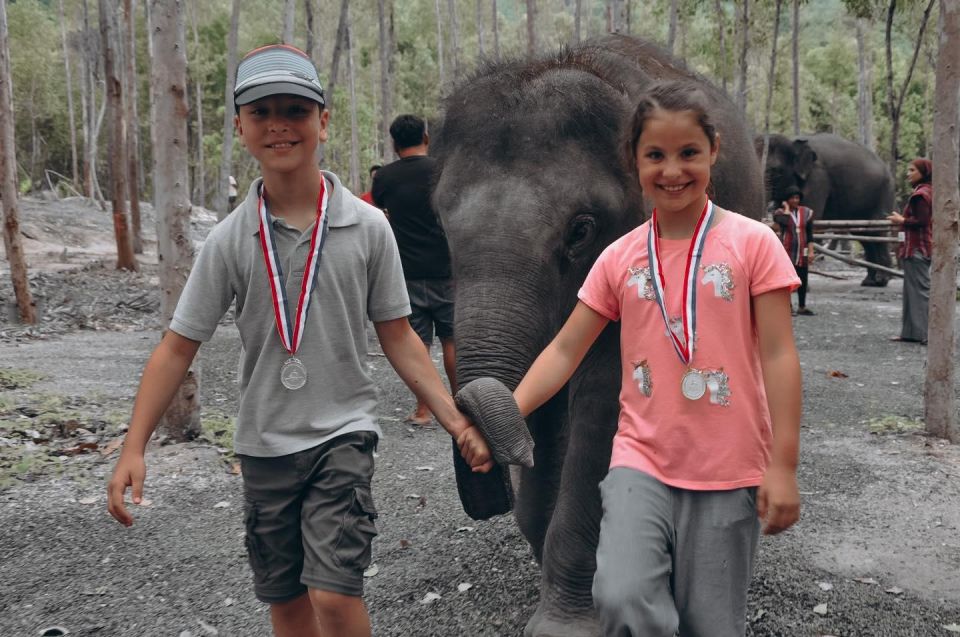
Option A is the classic choice if you want a full “elephant day” without committing to an all-day excursion. It starts with hotel pickup (round-trip transfers are included when selected), then you arrive at the sanctuary and get introduced to the team and the elephants.
Preparing food before you feed
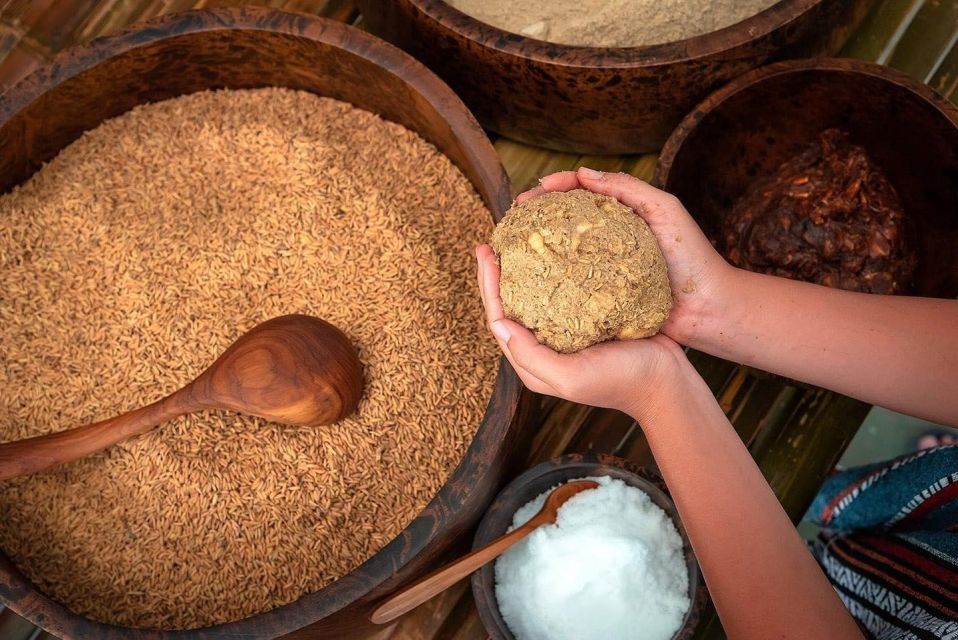
Right away, the day turns from watching into doing. You’ll prepare healthy treats and learn about elephant diet and care—then feed the elephants by hand. This part matters because it’s where most ethical elephant experiences either go wrong (fast, forced, show pressure) or go right (calm, respectful, behavior-based interaction). Here, the emphasis is on feeding that fits the elephants’ natural routines.
Also, expect your “learning” to be practical. Guides talk you through what you’re seeing, and you move at the pace of the animals, not at the pace of a schedule card.
Bathing and mud spa (the signature moment)
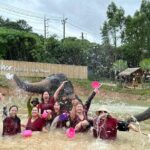
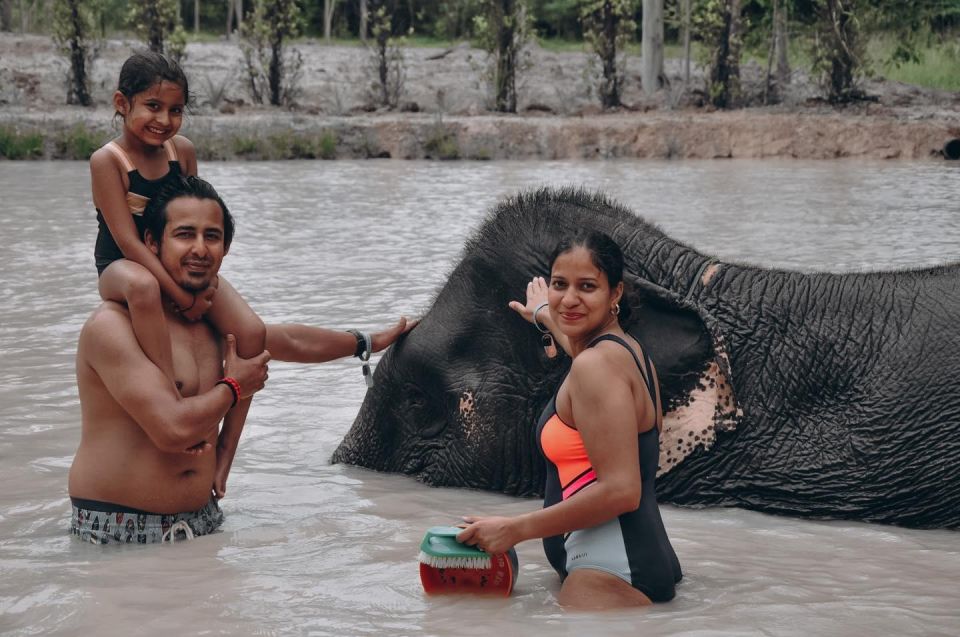
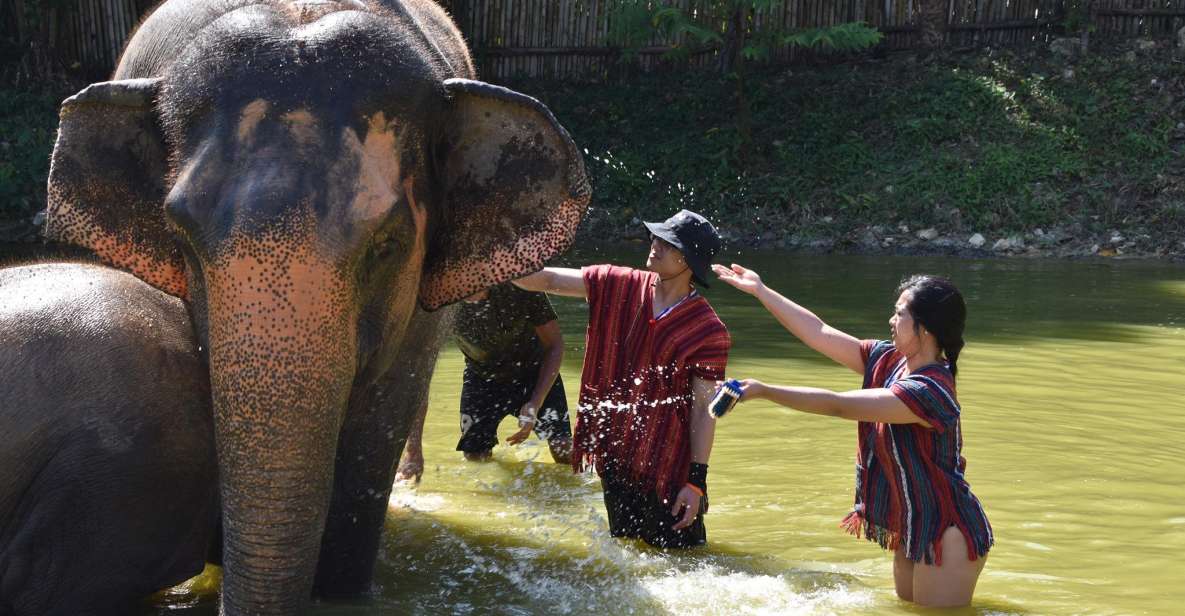
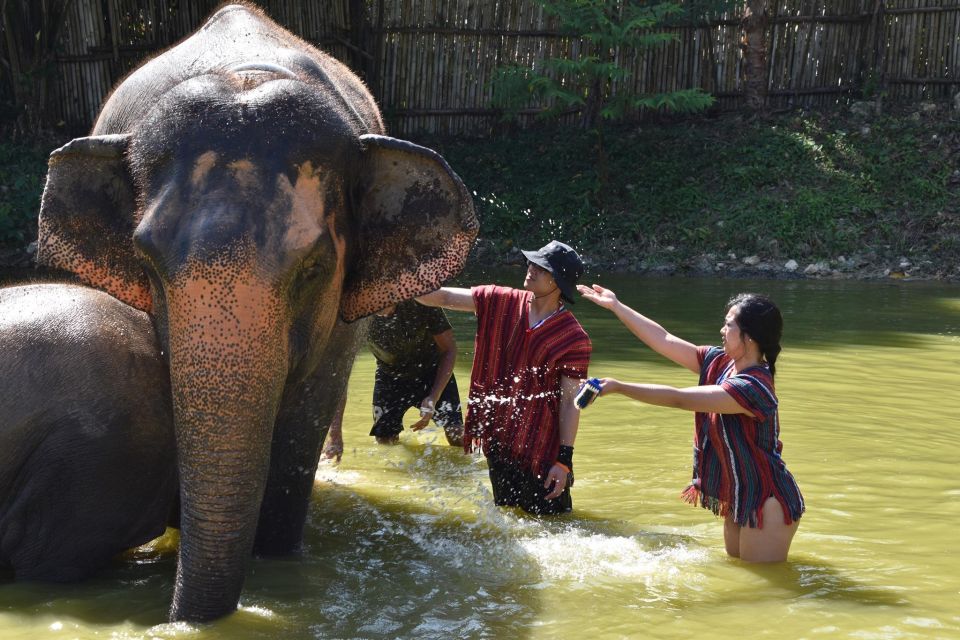
After feeding, Option A adds the mud spa and bathing experience. This is the part that turns the visit into a story you’ll tell later: elephants get mud, you get wet, and guides explain what’s happening as you go.
A few important reality checks for your packing:
- Bring swimwear and a towel.
- Plan for splashes. Elephant bathing involves water spray and trunks can move fast.
There’s a small but real downside to water activities: one reviewer warned about getting sick after swallowing bathing water during a spray. You can’t control every splash, so keep your mouth closed when the spraying starts, and take it as a cue to protect your face and camera settings.
The meal break that doesn’t feel like filler
Option A includes lunch, and the program also includes buffet meals. The food isn’t just a “thanks for coming” afterthought. Many people talk about enjoying pad thai and other Thai dishes as part of the cooking segment and meal time.
That’s a big value point. You’re not only paying for elephant time—you’re also leaving with a fun Thai food experience that’s easy to share with friends back home.




Timing and return
The half-day option typically has you back around 1:00 PM or 4:30 PM (based on the session you book). That’s handy if you want to keep an evening free in Phuket.
Option B (2 hours): quick ethical feeding and still a full Thai bite
If you’re scheduling a jam-packed Phuket trip, Option B is the time-saver. It’s built around hand feeding and education, but it skips the bathing and mud spa.
You’ll still get the core sanctuary moment:
- hotel pickup
- arrival and food prep
- feeding by hand with guidance about behavior
- a light lunch before transfer back
At the end, you’re usually back around 11:00 AM or 4:30 PM depending on morning or afternoon sessions.
This option is a smart pick if you want to meet elephants and learn, but you don’t want to spend hours getting changed, dealing with wet gear, and waiting for the bathing segment to happen.
Guides, group energy, and the elephant behavior focus
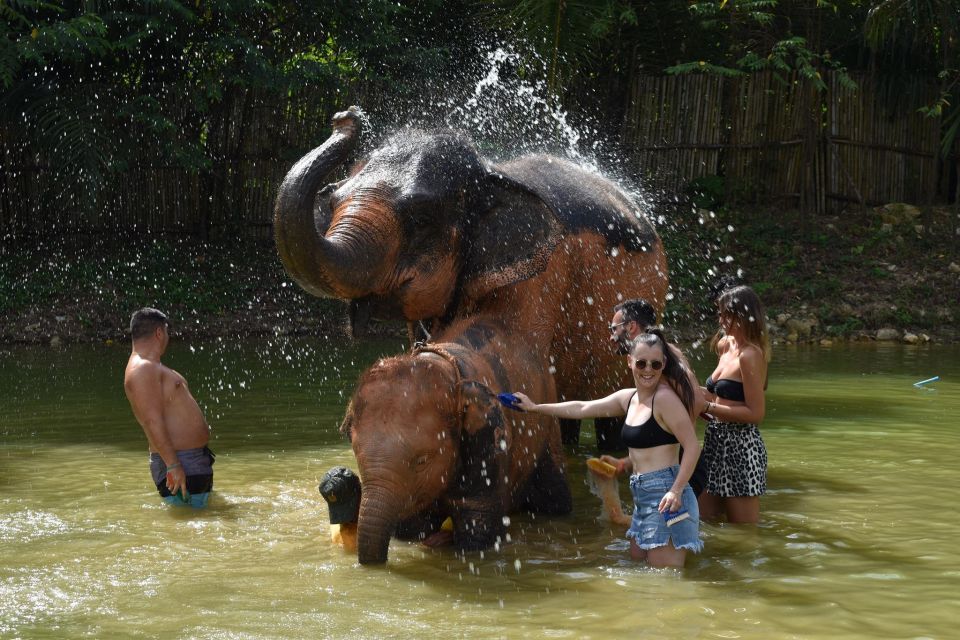
One of the most consistently praised parts of the day is the staff energy. English-speaking guides keep things moving and fun, often using humor to keep groups engaged across different nationalities.
That matters more than you might think. A sanctuary visit can turn awkward if people are unsure where to stand, what to do, or how close is appropriate. Here, guides provide safety guidance and manage the pace, so you feel guided without feeling herded.
The other focus is elephant welfare. Reviews emphasize that elephants appear calm and unbothered by human interaction and that there’s no riding. Even if your ethics checklist is already solid, it helps that the day is centered on feeding and care rather than performance.
The Thai cooking class: why it’s more than a side activity
A lot of tours slap on a cooking class to justify the price. This one is different because it’s scheduled as part of the day flow, not as a quick demo.
You’ll learn to make Thai dishes as part of the class, and the food you help create usually lines up with what you eat afterward. Many people call out pad thai and papaya salad, and they describe the experience as practical and fun—something you can replicate later.
Value-wise, that cooking segment is your “second attraction.” If you’re worried you might get elephant-ed out, you probably won’t. The shift to Thai food prep gives your brain a break while still keeping the day connected to Thai culture.
Photos and memories: what you can expect
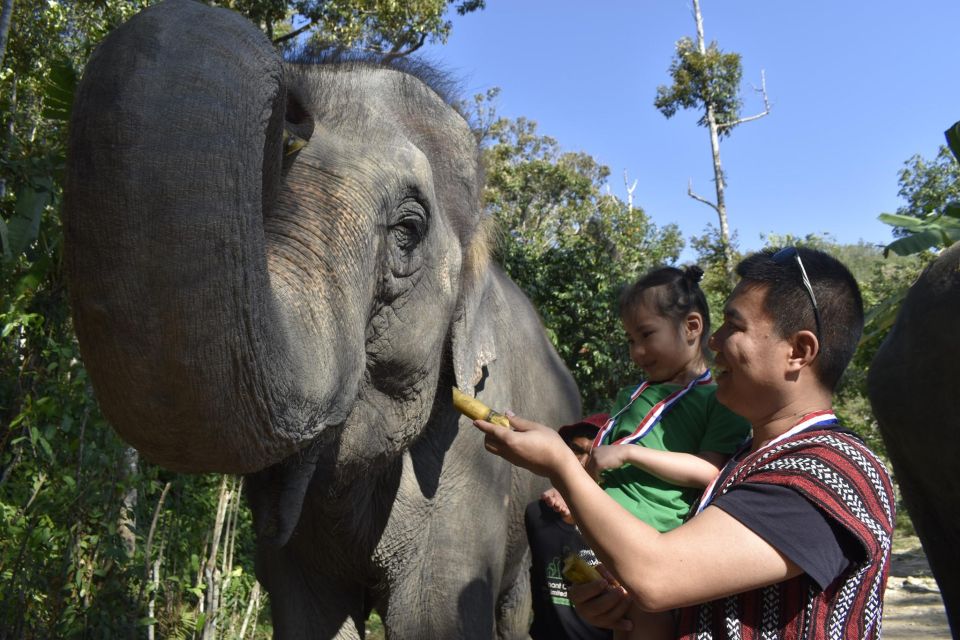
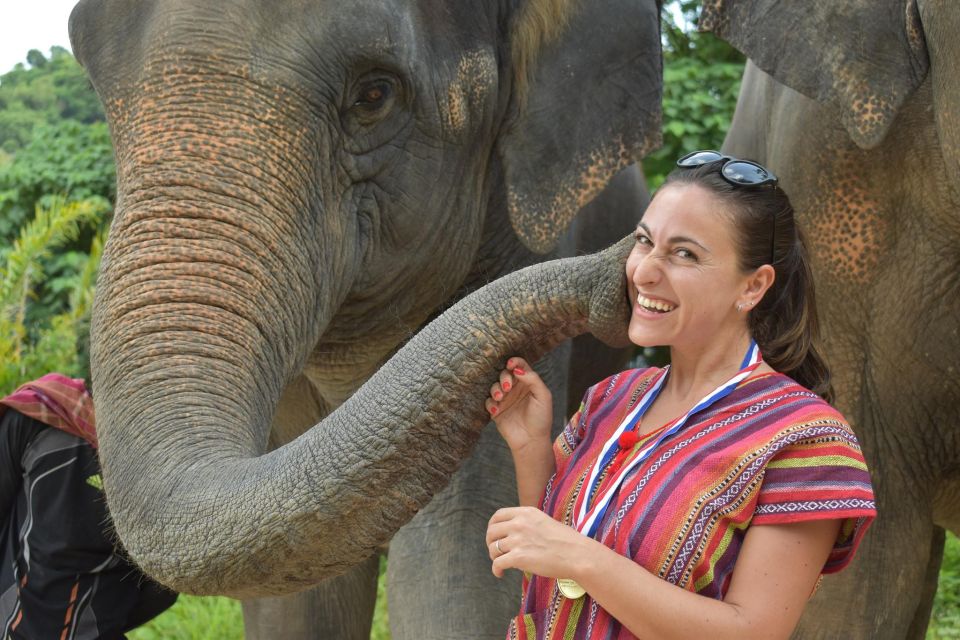
Photo coverage is part of the included package. The sanctuary staff does photo shooting during the experience, and multiple reviews mention that photos get shared later for free (often through a download link or messaging app).
Two practical tips from how the experience is described:
- Bring your own phone for a few shots of your own, even if professional photos are provided.
- Expect the professional images to be shot in a specific format (one reviewer noted they were horizontal), so a mix of professional and phone photos can be the best combo.
Getting there from Phuket: shared transfers can change the feel of your day
Transfers are included when you select the option, but this is a shared transfer experience. That means your day can start with waiting, route loops, and pickup timing that doesn’t feel “private.”
The program notes that the shared transfer starts from the first pickup point at either 07:30 or 12:30, and the exact pickup time is confirmed again closer to your date.
The Coconut Island note is important too: pickup service can’t access locations on the island. If you’re staying on Coconut Island, you’ll need to meet at the entrance of Laem Hin Seafood for your pickup time.
If you’re arriving on a cruise, plan carefully. The activity may not be ideal for cruise passengers because of tender boat schedules and potential waiting.
My advice: if your goal is a smooth, low-stress day, build in buffer time. A sanctuary visit deserves your attention, not your stress.
What to bring (and what will save you later)
The checklist is simple, but it’s worth following. You’ll be dealing with sun, water, and a lot of moving around.
Bring:
- Hat
- swimwear
- change of clothes
- towel
- sunscreen
I’d also add one smart “sanity” habit: pack a couple of extra layers of dry clothing in your bag for after bathing. Reviews specifically suggest having something like extra underwear or a spare set, since you’ll likely be wet and you’ll want to feel comfortable for the ride back.
Not allowed:
- pets
Also note: the activity isn’t suitable for wheelchair users, and it isn’t suitable for pregnant women.
Who this tour is best for (and who should skip it)
This experience fits best if you:
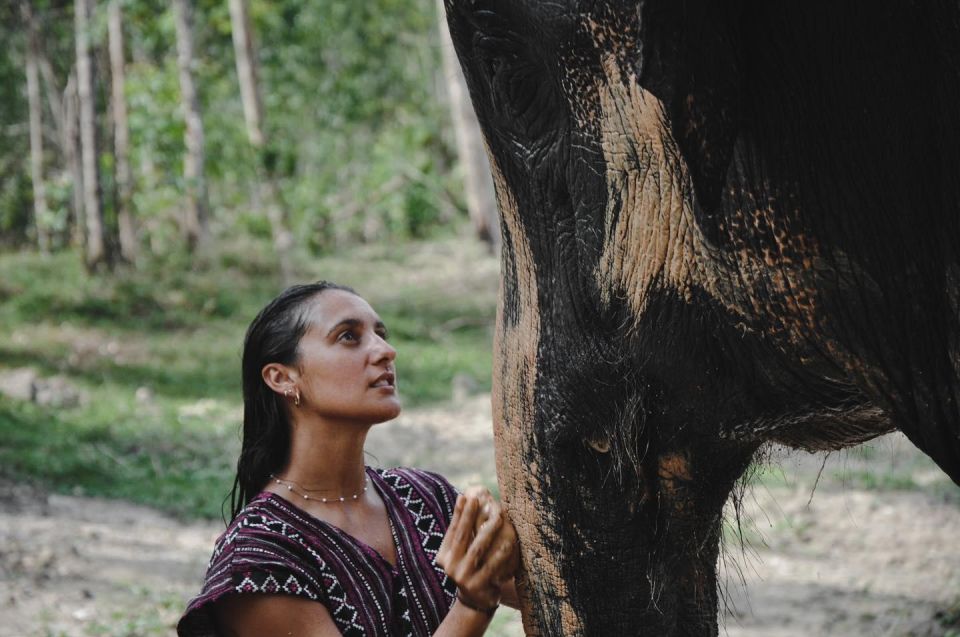
- want elephant time that’s centered on care and education
- prefer hands-on interaction over distant viewing
- like the idea of a Thai cooking class on the same day
- travel as a family, since the format is interactive and staff keep the energy up
You might want to skip or choose a different plan if you:
- have trouble with wet activities or you’re sensitive to getting splashed
- don’t have flexibility for shared transfer timing
- need wheelchair-friendly access or have restrictions like pregnancy (the tour states it’s not suitable)
Price and value: is it worth the $36?
At around $36 per person, this isn’t a “budget throwaway” tour, but it’s also not an all-day, high-price luxury elephant program. What makes it feel like solid value is the bundle:
- admission to the sanctuary
- English-speaking staff
- round-trip transfers (when selected)
- insurance provided by the operator
- Thai cooking class
- photo shooting
- and, for Option A, bathing plus mud spa, plus an activity uniform and buffet meals
If you choose Option B, you’re basically paying for feeding by hand plus the Thai cooking and light lunch. Option A is the better deal if you want the full “hands-on” day, because you get the biggest activities beyond feeding.
Should you book the Nai Dee elephant experience?
Book it if your priority is ethical elephant interaction that’s structured around feeding, behavior education, and (on Option A) bathing and mud spa. You’ll also get a real Thai cooking class and built-in photo memories, which makes the day feel like more than one moment.
Skip it or reconsider if transfers will ruin your schedule, if you hate getting wet, or if your travel needs fall outside the stated suitability (pregnancy or wheelchair access). If you can handle shared pickup logistics and you’ll pack for sun and water, this is the kind of Phuket day that leaves you with a lasting story—and a better understanding of elephant care.
FAQ
How long is the elephant experience?
Option A is a half-day style visit, and the total duration is listed as 2 to 4 hours depending on the session. Option B is specifically a 2-hour elephant feeding experience.
What’s included in Option A versus Option B?
Option A includes elephant bathing and mud spa, plus an activity uniform and buffet meals. Option B includes elephant feeding and education, but it does not include bathing or mud spa activities.
Do I get the Thai cooking class?
Yes. A Thai cooking class is included for all options.
Is photo shooting included?
Yes. Photo shooting is included, and staff take photos during the experience.
Are transfers from my hotel included?
Yes, round-trip transfers from your hotel are included when selected. It depends on the option you choose.
What time will I be picked up?
Pickup times are shared and depend on whether your booking is morning or afternoon. The tour notes that the shared transfer starts from the first pickup point at either 07:30 or 12:30, and the operator sends your exact pickup time again.
Can I get picked up if I’m staying on Coconut Island?
No, pickup service can’t access locations on Coconut Island. You’ll need to meet at the entrance of Laem Hin Seafood for your scheduled pickup.
What should I bring for the day?
Bring a hat, swimwear, a change of clothes, a towel, and sunscreen.
Is the activity suitable for cruise ship passengers?
It may not be suitable for cruise ship passengers due to tender boat schedules and possible waiting times. You should allow extra time for transfers.
Are there any restrictions on who can join?
The activity is not suitable for pregnant women or wheelchair users, and pets are not allowed.