REVIEW · PHUKET
Phuket: Elephant Sanctuary Tour, Cooking Class & Lunch
Book on GetYourGuide →Operated by Khao Lak Ethical Elephant Sanctuary · Bookable on GetYourGuide
Elephants, water, and Thai food in one day. This Khao Lak trip is built around welfare-first elephant care, with time to watch them move, forage, and bathe in a setting that feels more like a routine than a show. I especially like the walk with the elephants through the sanctuary reserve and the chance to see them in the water while your guide keeps things calm and respectful.
I also like how the day mixes wildlife time with real Thai food skills. The cooking part is hands-on, and the lunch tastes like you earned it. One thing to weigh: the drive is long. You’ll spend about two hours each way in the air-conditioned van, so this works best if you treat it as a full day outing, not a quick trip.
The guides set the tone. Names like Tony, Sai, and Paul show up in different groups, and the common thread is humor plus practical elephant stories, not just facts on a screen. If you want an ethical elephant experience that doesn’t feel rushed, this one earns its near-perfect rating.
In This Review
- Key things that make this tour work
- Entering Khao Lak Ethical Elephant Sanctuary without the zoo feeling
- Elephant food prep, cutting plants, and what your hands actually do
- River bathing and walking paths: how the day stays respectful
- Sai Rung Waterfall: scenery time, with real-world conditions
- Thai cooking class and lunch at 77 Soi Nam Tok Sai Rung
- The 7-hour day: pickup, drive time, and what to expect
- Price and value: what $102 buys you in the real world
- Who should book this elephant sanctuary and Thai cooking day?
- Should you book?
- FAQ
- How long is the Phuket: Elephant Sanctuary Tour, Cooking Class & Lunch?
- Is hotel pickup and drop-off included?
- What happens during the elephant part of the day?
- Is swimming at the waterfall guaranteed?
- What do I do in the cooking class?
- What should I bring?
- Are pets allowed?
- What languages are the guides?
- Is this tour suitable for wheelchair users?
- Can I cancel or pay later?
- Where is the meeting point?
- Do they handle vegetarian or dietary restrictions?
Key things that make this tour work
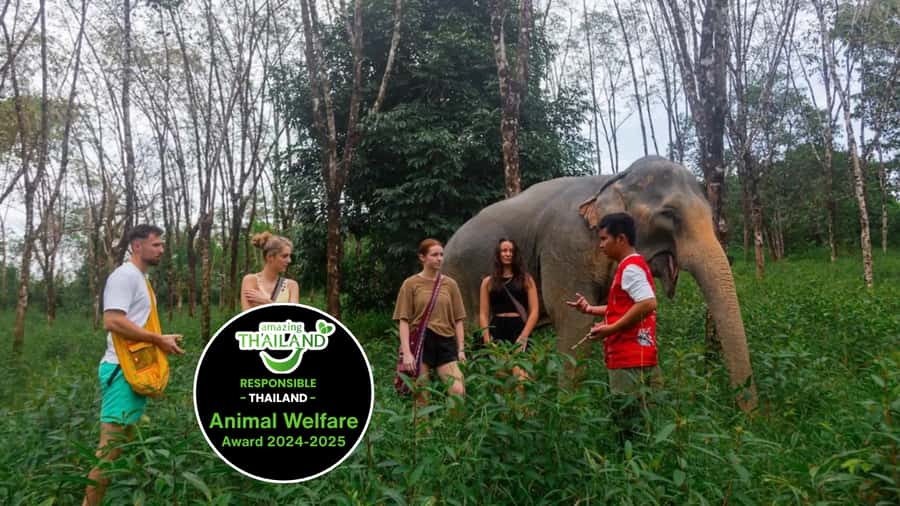
- Welfare-first elephant time: no rides, no performances, and a strong focus on safe behavior and animal comfort
- Real guided access: walking through the sanctuary reserve and observing river bathing from a designated area
- Hands-on “prep” moments: you may help cut garden plants and make elephant food for supervised feeding
- Thai cooking + a satisfying lunch: you’ll learn one dish (often Pad Thai) and eat a full meal
- Waterfall break with a backup plan: Sai Rung visit is scenic, with an alternative if conditions don’t allow swimming
- Comfortable, structured day: hotel pickup/drop-off and a steady flow that keeps the day from dragging
Entering Khao Lak Ethical Elephant Sanctuary without the zoo feeling
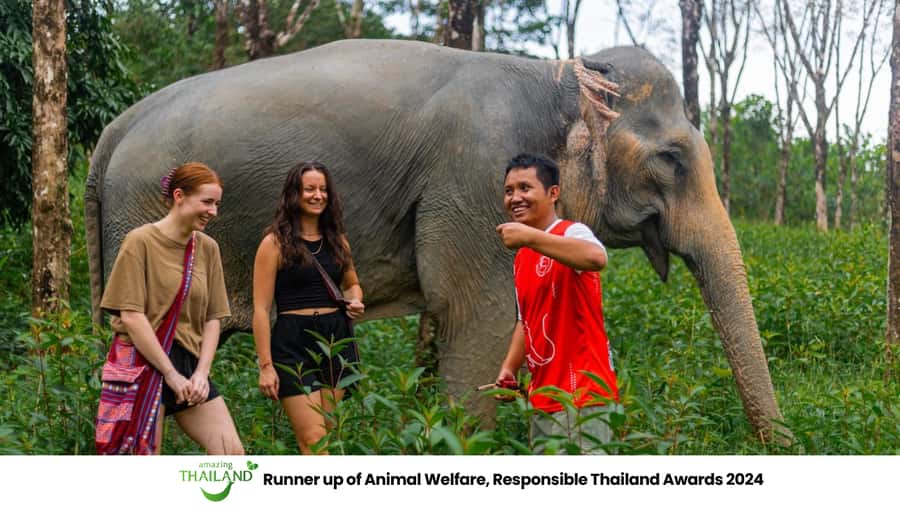
This is not a sit-and-watch-from-a-distance setup. You go in with a guide who explains how the sanctuary works and why the elephants’ needs come first. The overall vibe is quiet and natural: you’re following daily routines, not waiting for scheduled tricks.
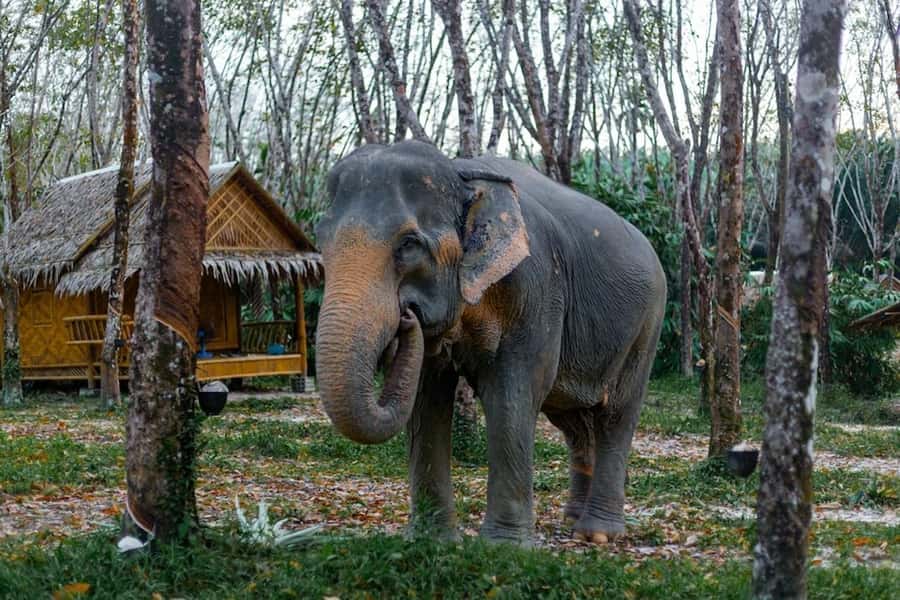
The sanctuary walk is where the day starts to feel real. You’ll move through a tree-lined reserve and learn what elephants do when they’re not performing—how they forage, communicate, and express natural behaviors. The best part is the pacing: your guide doesn’t rush you, and you’re not constantly herded into a photo line.
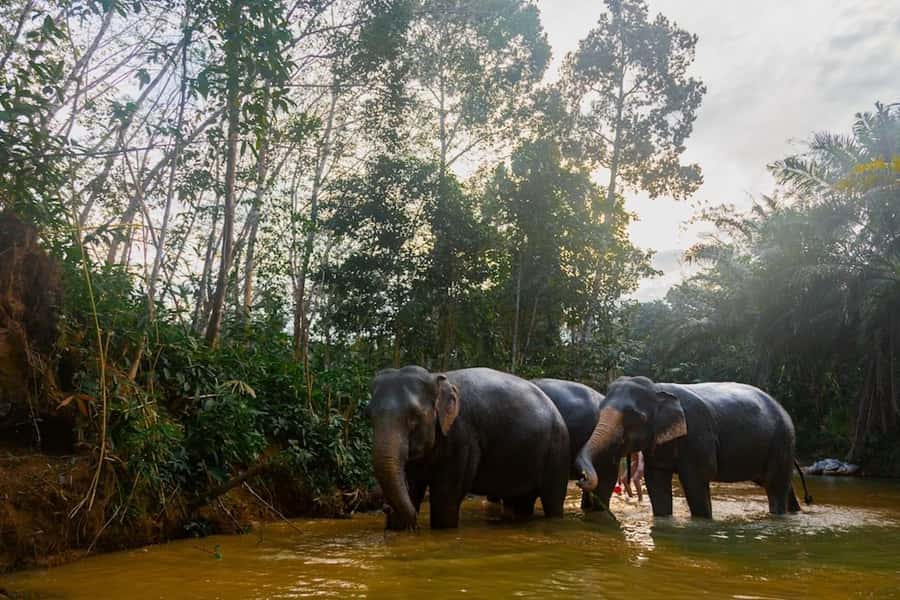
When elephant time turns to bathing, you don’t just stare at a bank like it’s a spectacle. You watch from a designated observation area so the elephants can keep their privacy and comfort. That matters. It changes how the whole experience feels—from entertainment to observation and learning.
If you’re hoping for constant face-to-face contact, manage expectations. The sanctuary approach emphasizes safe, non-intrusive interaction, so you’ll experience closeness through walking alongside and participating in supervised care moments, rather than forced “touch for photos” behavior.
You can also read our reviews of more tours and experiences in Phuket.



Elephant food prep, cutting plants, and what your hands actually do
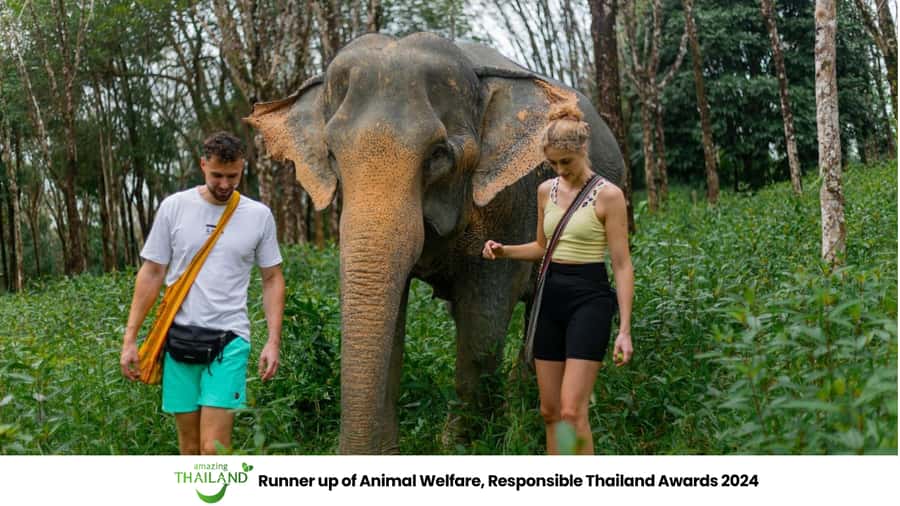
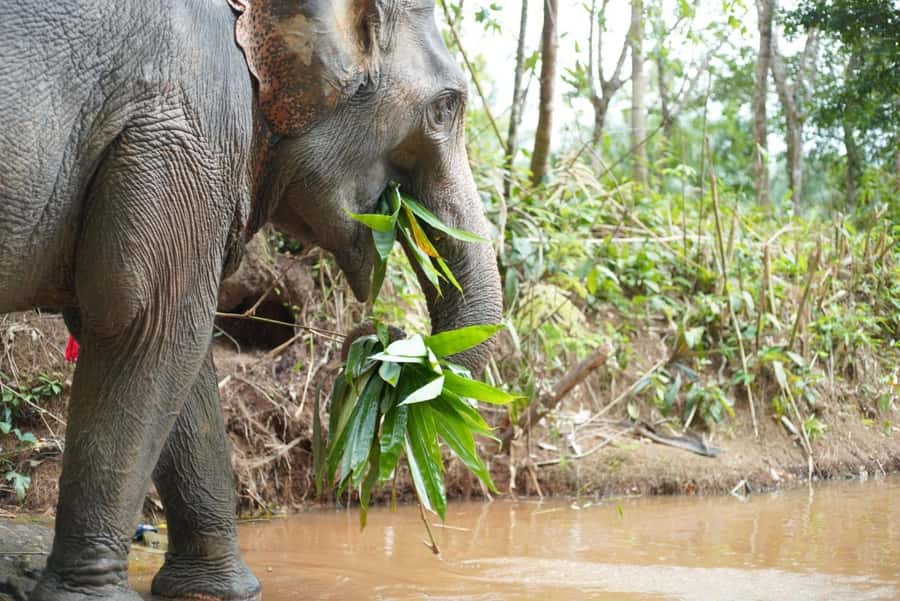
One reason this tour lands with people is the “helping” part that still respects the animals. You might assist with cutting grass or garden plants used as elephant food. Other groups describe helping prepare food plants like banana leaves or similar daily ingredients—always under staff direction.
You may also take part in supervised feeding and routine activities (including preparing elephant vitamin food in some formats). The point is that you’re contributing to normal care, not trying to manufacture a performance moment for the group.
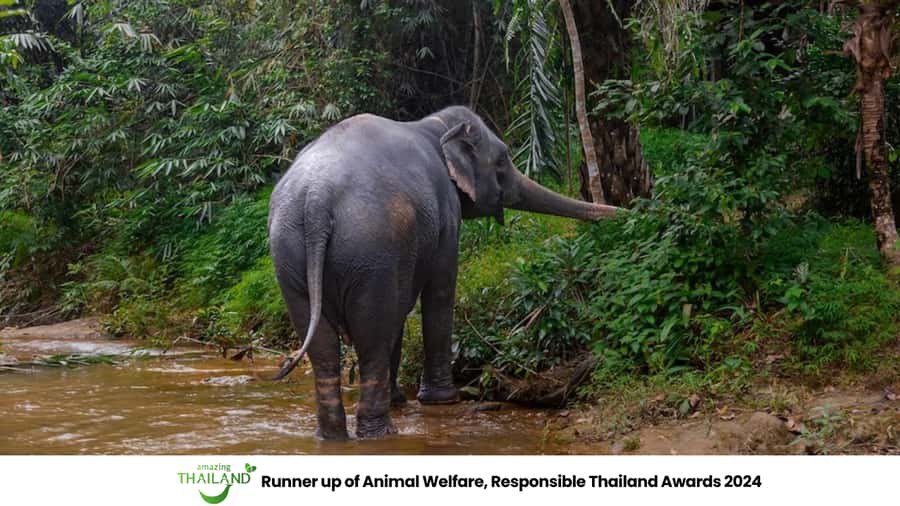
The elephants themselves are the star: many descriptions emphasize them as gentle, calm, and actively doing their own thing. You’ll often see them as part of the landscape—moving, gathering food, and then shifting into water behavior at their own pace.
Small practical tip: treat this part like field work. Wear closed-toe shoes, use insect repellent, and keep sunscreen handy. Even in a sanctuary setting, you’re outdoors long enough that sun and bugs can catch you off guard.
River bathing and walking paths: how the day stays respectful
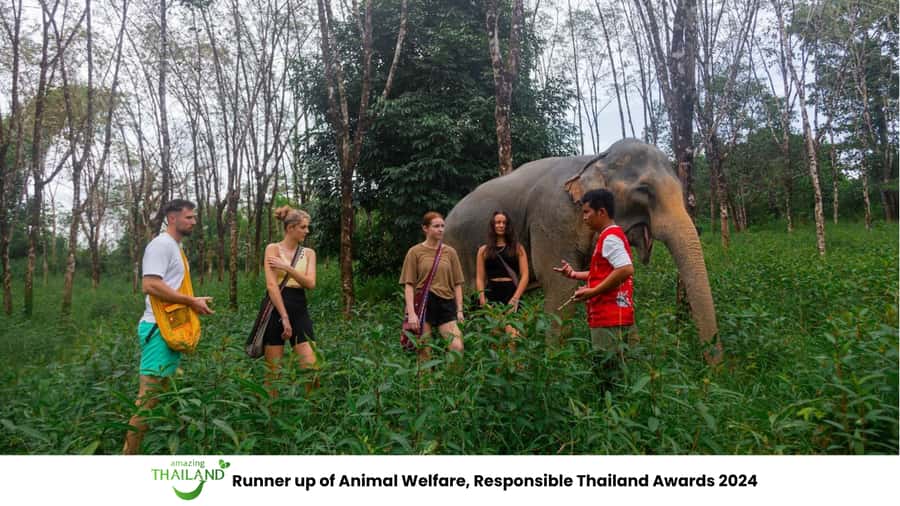
The best elephant sanctuaries keep your presence in mind. Here, your guide explains the welfare approach and follows rules that protect both elephants and people. That includes avoiding overcrowding and keeping distances appropriate during sensitive moments like bathing.
Walking through the sanctuary reserve is also a lesson in scale. Elephants aren’t small. They’re not props. You experience their size and calm power while your guide manages where you stand and how long you linger.
A lot of the emotional payoff comes from watching them bathe in their natural bathing rituals. You’ll often see water play, spraying, and relaxed behavior—again, from a viewing area designed to prevent stress. It’s a reminder that the elephants aren’t there for your entertainment. You’re there to witness their lives.
If you’re someone who gets nervous around animals, this kind of guided structure helps. You’re not guessing. Staff and guides are present, and the workflow is set up to keep things safe and smooth.
Sai Rung Waterfall: scenery time, with real-world conditions
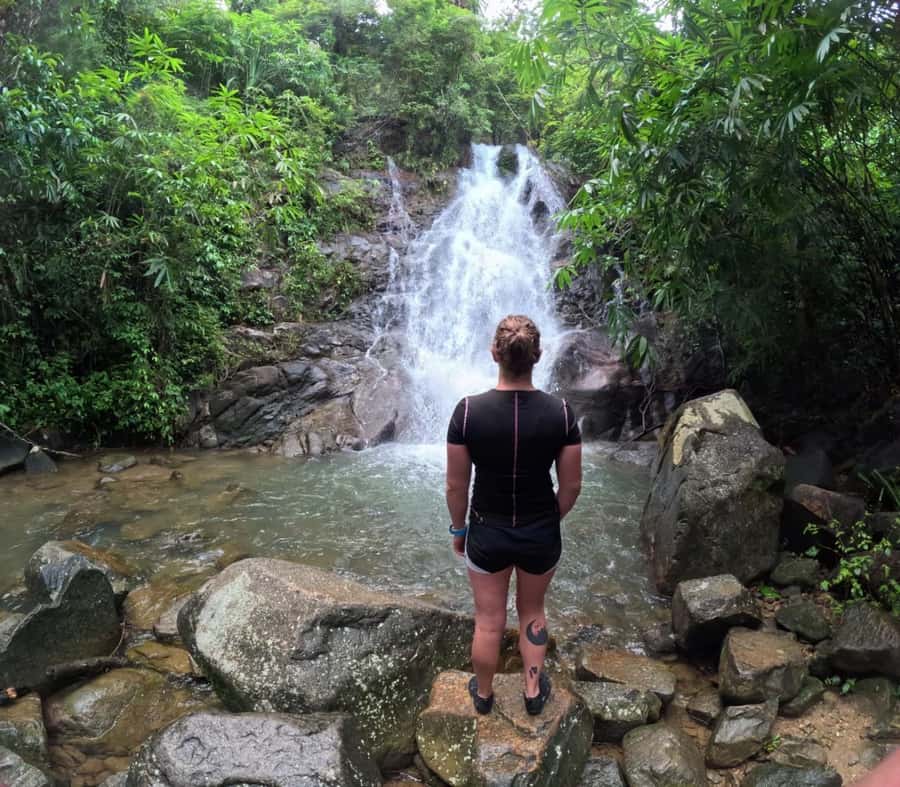
After the elephant portion, you get a break at Sai Rung Waterfall. Think of this as the “reset” moment of the day: you’re changing scenery, getting a little fresh air, and enjoying views from multiple directions.
Here’s the realistic part: swimming depends on water levels. If the waterfall is low and swimming isn’t possible, you’ll be offered an alternative experience at Khao Lak Waterside. The key detail is that you should be flexible. This isn’t a promise of water play every single day—it’s a nature stop that follows conditions.
Even if you don’t swim, the short visit is still worth it as a breather between the elephant time and the cooking/lunch block. Wear shoes you don’t mind getting wet or muddy, and keep your camera protected.
If it’s raining, don’t worry too much. Several accounts mention umbrella coverage during the day, which helps you keep going without turning the schedule into a misery marathon.
Thai cooking class and lunch at 77 Soi Nam Tok Sai Rung
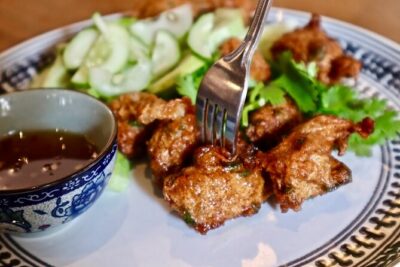
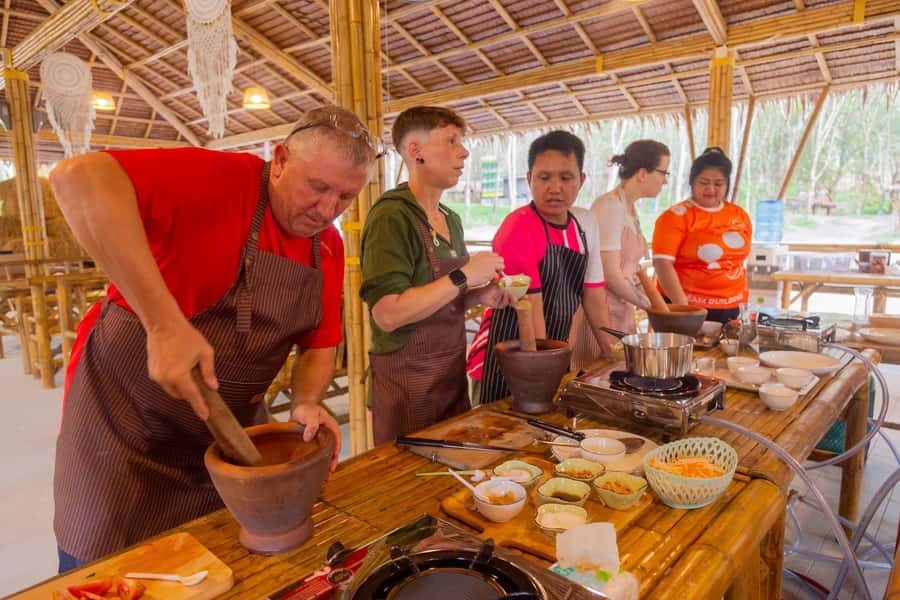
The meal is a big reason people remember this tour. You’ll sit down for traditional Thai lunch in a peaceful setting, then roll right into a simple Thai cooking activity.
The cooking lesson is 1-dish focused, and Pad Thai comes up again and again in people’s descriptions. That’s actually a smart choice for a half-day structure: one dish means you learn something you can recreate later, and you’re not stuck bouncing between five stations.
Food quality also gets praised. People describe the Pad Thai as genuinely some of the best they’ve had in Thailand, not tourist-level “good enough.” And lunch isn’t just a plate dropped in front of you—it’s part of the day’s rhythm.
Dietary flexibility matters too. If your group needs vegetarian meals or other restrictions, the staff have catered for that in past experiences. So if you’re planning around dietary needs, this is a tour where you’ll likely be taken seriously rather than handed a sad backup option.
Then there’s the fun factor. Several guides are described as playful and supportive during cooking. Whether you’re making rice balls, stirring sauces, or chopping ingredients with staff help, it feels like you’re participating in a Thai home-style routine rather than doing a cooking stunt.
Practical note: you’ll be outdoors earlier, and you’ll likely feel warm and active by the time you reach cooking. Plan to hydrate. Water is included, and you’ll want it.





The 7-hour day: pickup, drive time, and what to expect
This is a 7-hour experience, and the structure is steady. You start with pickup and a scenic van ride through Khao Lak’s surroundings. On the ground, the day is split into elephant time, a waterfall visit, then lunch and cooking before heading back.
The drive matters because you’re not just going “nearby.” Many accounts describe a real trip from the Phuket area, and you’re looking at about two hours each way on the van. The tradeoff is that you get a sanctuary location that people consider worth the travel time.
The van ride is usually comfortable—air-conditioned, with a flow that doesn’t feel chaotic. Still, bring something for comfort: sunglasses, sunscreen, and a hat for the transfer times when you’re stepping out.
Drop-off is spread across common areas in Khao Lak, including หาดคึกคัก (Kukak Beach), Bang Sak Beach, and Lam Kaen. That helps if you don’t want to be stuck far from your hotel at the end.
Also note the small but important rule: if pickup times don’t match what you expected, it can cause delays. Plan to be ready about 10 minutes early at the hotel lobby when pickup is scheduled.
Price and value: what $102 buys you in the real world
At about $102 per person, this is not a budget snack of a tour. But it also isn’t just a photo stop. You’re paying for:
- hotel pickup and drop-off
- air-conditioned transportation
- an English-speaking guide (and Thai support)
- lunch plus water
- the cooking class activity
- the Sai Rung waterfall visit
- and—most importantly—structured time at a welfare-first elephant sanctuary
The elephant portion is where value shows up. You’re not paying to ride or watch a performance. You’re paying for supervised, natural behavior observation and care-related activities that fit the sanctuary’s welfare approach.
Then the cooking class closes the loop. It turns the day into something you can carry home: you eat, you learn, and you leave with a skill, not just photos. People consistently describe coming out fed, happy, and feeling like the money made sense.
The only real “value” concern is the travel time. If you live far from the pickup zone, or you hate long transfers, the day can feel like a slog. But if you’re okay trading convenience for ethics and quality time with elephants, the pricing feels aligned with what’s included.
Who should book this elephant sanctuary and Thai cooking day?
This tour fits best if you want:
- an ethical elephant experience with clear welfare rules
- meaningful time learning how elephants live and behave naturally
- a structured day where you’re not idle the whole time
- real Thai cooking as part of the outing, not an add-on
It’s also a strong choice for mixed groups—couples, friends, and even families—because the day has variety: elephant walking and bathing, a waterfall break, then cooking.
If you need wheelchair access, note that this tour is listed as not suitable for wheelchair users.
And if your goal is guaranteed nonstop elephant touching or constant close contact, you might find the sanctuary approach a different kind of satisfying. The experience is about comfort and welfare, so you get closeness through careful participation and observation rather than forced interaction.
Should you book?
If your priority is doing elephants the right way—time, guidance, and a sanctuary-style routine—yes, I’d book it. The best reasons are the same ones that keep coming up: the day is structured, staff care is emphasized, and you get more than a single “moment.” You also end the day with a real Thai meal and a dish you can recreate.
If you’re sensitive to long travel days, factor in the roughly two-hour van ride each way. And if waterfall swimming is a must for you, keep expectations flexible due to water-level conditions.
Want the quick decision guide? Book it if you want welfare-first elephants + Thai cooking + a relaxing waterfall stop. Skip it if your ideal day is short, effortless, and indoors-only.
FAQ
How long is the Phuket: Elephant Sanctuary Tour, Cooking Class & Lunch?
The duration is about 7 hours.
Is hotel pickup and drop-off included?
Yes. Hotel pickup and drop-off are included, with the option to get picked up from anywhere in Khao Lak.
What happens during the elephant part of the day?
You’ll meet an eco English-speaking guide, walk through the sanctuary reserve to observe free-roaming elephants, and watch elephants’ natural bathing rituals from a designated observation area.
Is swimming at the waterfall guaranteed?
No. If the water level at Sai Rung Waterfall is low and swimming isn’t possible, the provider offers an alternative experience at Khao Lak Waterside.
What do I do in the cooking class?
You’ll enjoy a simple Thai cooking activity and take part in a 1-dish cooking class, plus you’ll have lunch afterward.
What should I bring?
Bring sunglasses, a sun hat, sunscreen, insect repellent, and closed-toe shoes.
Are pets allowed?
No, pets are not allowed.
What languages are the guides?
The tour is guided in English and Thai.
Is this tour suitable for wheelchair users?
No, it is not suitable for wheelchair users.
Can I cancel or pay later?
You can cancel up to 24 hours in advance for a full refund, and you can reserve now and pay later.
Where is the meeting point?
Khaolak Elephant Sanctuary near Sai Rung Waterfall.
Do they handle vegetarian or dietary restrictions?
They have catered for vegetarian groups in past experiences, with meal adjustments made based on preferences and restrictions.