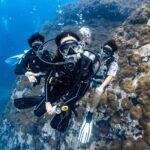
Underwater confidence starts in Koh Tao. This Open Water Course with DPM (DPM Diving) turns classroom theory into guided open-water training near Nang Yuan Island, aiming you at an SSI license valid worldwide.
I especially like the small-group setup (max 4 students per instructor) and the calm coaching style, with staff names like Natasha, George, Anna, Tomas, Jess, and Tyler showing up repeatedly for being supportive and professional. I also like the safety framework: instructors trained through an SSI Instructor Trainer Center, so the program is built around standard checks, not guesswork.
One thing to consider is the schedule risk. The course needs good weather, and if you cancel you won’t get your money back, so it helps to keep a little buffer time on the island.
In This Review
- Key things to know before you book
- Koh Tao and the Open Water sweet spot
- What you’re really paying for: an SSI certification plan
- The course schedule: theory first, then five skill sessions
- Day 1: theory in the morning, first water session in the afternoon
- Day 2: classroom sessions, then two open-water training sessions
- Day 3: two final open-water sessions, exam, and finish around midday
- Nang Yuan Island: where training turns from skills to reality
- Small groups and friendly instruction make it easier
- Safety and training quality: what you should watch for
- Gear, equipment, and the part nobody talks about: pressure
- Price and value: why $376 can be a good deal
- Logistics that matter on Koh Tao (without making it painful)
- Who should take this course
- Should you book DPM’s Open Water Course?
- FAQ
- FAQ
- How long is the Open Water Course?
- What’s included in the course?
- Do I need previous diving experience?
- How big are the groups?
- What certification do I earn, and what are the limits?
- Where does the course take place?
- What happens if weather is poor?
Key things to know before you book
- Small ratios: up to 4 students per instructor for hands-on guidance.
- In-your-language coaching: you learn in your own language, not a rushed mix of gestures.
- Real SSI outcome: you’re working toward an SSI Open Water license, internationally valid and lifetime validity, up to 18 meters.
- 5 supervised water sessions: theory plus a total of 5 open-water training sessions.
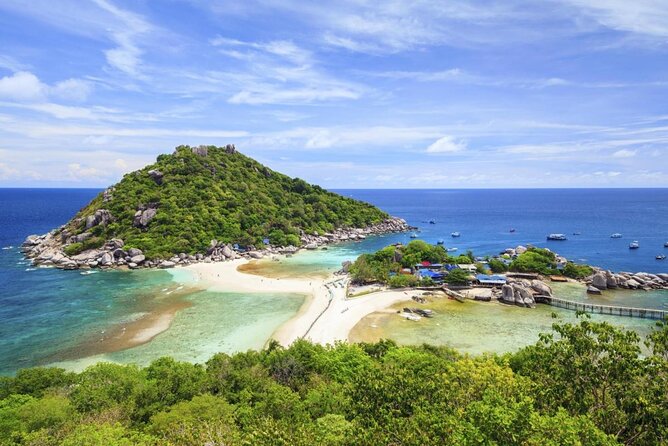
- Nang Yuan Island setting: one stop is Nang Yuan Island, a classic Koh Tao area for training.
- Private experience: only your group participates.
Koh Tao and the Open Water sweet spot
Koh Tao is famous for starting scuba training, and that reputation isn’t just marketing. The island is packed with training schools, which means you can usually build a course around your comfort level, not just a one-day “good luck” experience. What makes the Open Water Course worthwhile here is that it’s designed as a full skill cycle: you learn the how and why, practice the basics, then apply them in open water with supervision.
This course also has a clear destination: an SSI Open Water certification. That matters because you’re not just doing a fun outing. You’re working toward a credential that stays useful long after you leave Thailand—international and lifetime validity is part of the deal, with certification scope up to 18 meters.
You can also read our reviews of more tours and experiences in Koh Tao.
What you’re really paying for: an SSI certification plan
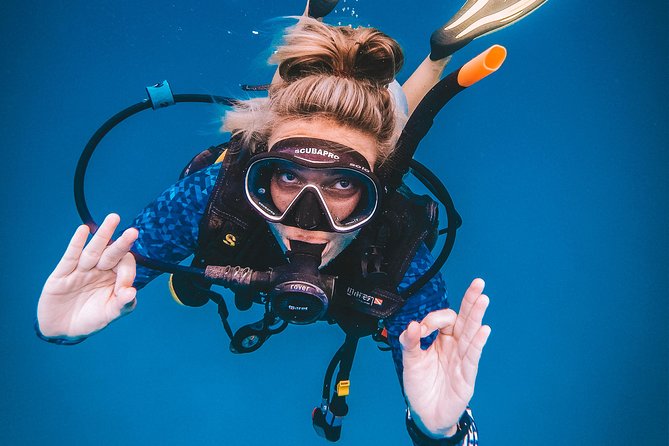
At $376, the Open Water Course isn’t “cheap,” but it’s also not priced like a luxury retreat. You’re paying for a structured path that includes theory sessions, a staged water progression, and 5 supervised training sessions that move you toward certification.
Here’s what “includes everything” looks like in practice:
- Morning and classroom-style theory, so your brain isn’t trying to learn under stress.
- A progression of water work starting with your first water session on day 1.
- Two open-water training sessions on day 2.
- Two final open-water training sessions on day 3, plus a short exam around midday.
- A final outcome: the SSI Open Water certification, which is internationally valid and lifetime valid up to 18 meters.
That structure is a big part of value. If you’ve ever tried to learn skills only by watching, you’ll appreciate the system: you practice, you get corrected, you build confidence, then you apply it in open water.
The course schedule: theory first, then five skill sessions
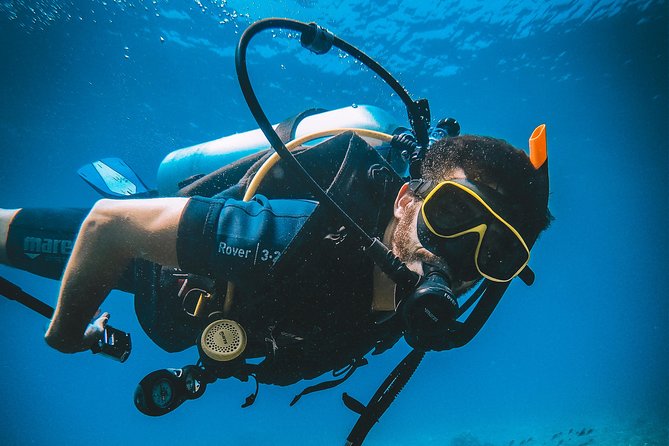
The Open Water Course runs about 2.5 days (listed as 2 days 12 hours approx.). It’s set up like this:
Day 1: theory in the morning, first water session in the afternoon
You start with a theory class before you get in the water. That’s a smart pacing choice because it reduces the amount of information you have to process while you’re also learning buoyancy, breathing rhythm, and basic handling.
After the classroom part, you’ll do your first water session in the afternoon. This is usually where nervous energy shows up, and it’s also where you find out whether the coaching style clicks with you. If you’re worried about anything—like ear pressure—this is the moment to flag it early to your instructor so you can get attentive guidance from the start.
Day 2: classroom sessions, then two open-water training sessions
Day 2 keeps the classroom component going, then shifts into two open-water training sessions. By now, you’re not starting from zero. You should feel more oriented: you know what you’re practicing and what “good” looks like for key skills.
Two sessions on day 2 is a practical rhythm. It gives you time to settle in, then try again with better control and calmer breathing.
Day 3: two final open-water sessions, exam, and finish around midday
You complete the last two open-water training sessions, typically in the morning. Then you finish around midday with a short exam.
That final exam is important for one reason: it keeps the course honest. You’re not just “going through the motions.” You’re expected to demonstrate what you learned, which helps ensure your certification isn’t based on vibes.
Nang Yuan Island: where training turns from skills to reality
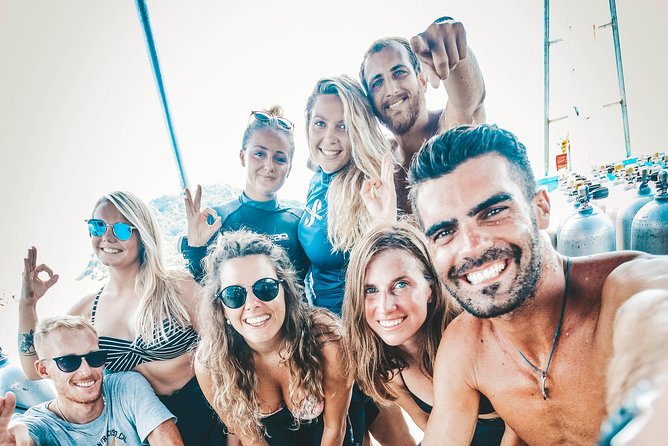
Nang Yuan Island is one of the course stops, so you’ll get at least part of your training in the kind of open-water environment Koh Tao is known for. From a learning perspective, this is where the course stops being purely mechanical.
Open water adds real-world variables: movement with the water, shifting visibility, and the need to stay relaxed. That’s why supervision matters. In a small-group format, you get more direct coaching when you need it, instead of waiting your turn while someone else is being corrected.
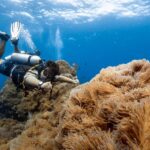
It also helps you connect the certification goal to the environment you came for: coral areas and fish life are part of the Koh Tao learning experience, and seeing that underwater is often what makes the certification feel worth the effort.
Small groups and friendly instruction make it easier
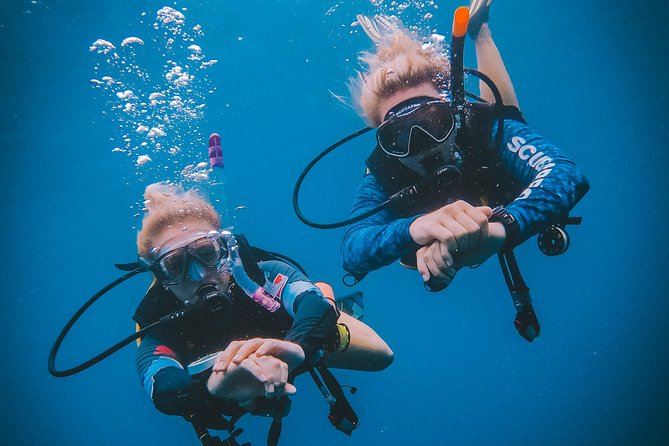
The course is built for personal coaching. Maximum group size is 4 students per instructor, and there’s always trained support with your instructor, so you’re not left to figure things out alone.
I like the human side because it affects how quickly you relax. When people feel safe and supported, they follow instructions better, their breathing gets steadier, and they retain more during theory.
From the names associated with DPM, a few stand out: Natasha is recommended for supportive guidance, George and Anna are described as welcoming, Tomas is noted for quick help with registration, and instructors like Jess, Tyler, Joaco, Jessy, Jony, Pat, and Malena show up in the school’s reputation for being friendly and reassuring.
You don’t need a “perfect personality” to do this course. You need a teacher you feel comfortable asking questions to—especially about worries like ear pressure.
Safety and training quality: what you should watch for
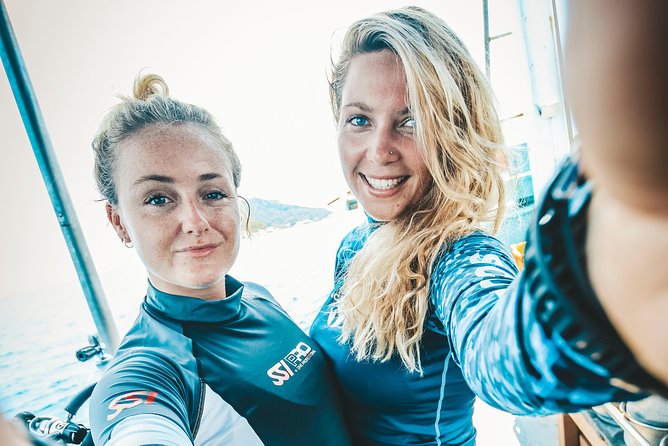
This program points to a safety-first teaching standard by saying instructors are trained through an SSI Instructor Trainer Center. Translation: the school isn’t just improvising. You should expect consistent teaching methods, structured skill progression, and safety checks that line up with the SSI system.
Still, the most practical safety tip is simple: communicate early. If you’re anxious, if you’ve had ear pressure issues before, or if you’re unsure about buoyancy, tell your instructor on day 1. The course pacing gives you multiple chances to practice and adjust, but your best results come when the instructor knows what you’re struggling with.
Gear, equipment, and the part nobody talks about: pressure
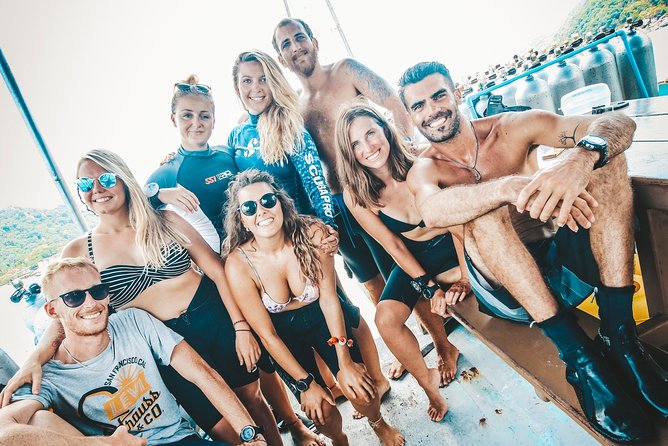
The data you provided doesn’t list exact equipment details, so I won’t invent specifics. But the course being SSI Open Water with staged sessions means equipment handling is part of your practice, and pressure management is likely to come up quickly.
Here’s what you can do before you arrive:
- Be honest if you feel nervous about ear pressure.
- Plan on moving slowly in the water and following breathing cues.
- Don’t try to “power through” discomfort. If something feels off, say so.
One of the best parts of the DPM reputation is how often instructors are described as attentive and reassuring when someone is worried. That’s the difference between passing with stress and passing with confidence.
Price and value: why $376 can be a good deal
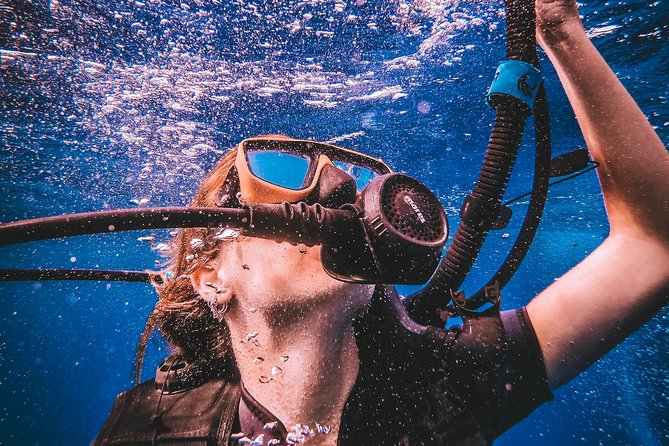
At $376, you’re paying for:
- Multi-day instruction (around 2.5 days)
- Classroom theory plus a total of 5 supervised open-water training sessions
- SSI certification outcome (international/lifetime validity up to 18 meters)
- Small-group attention and an instructor-led progression
Is it worth it? Usually, yes—if you’re serious about earning the license, not just trying scuba for the day. A one-off try can be fun, but it doesn’t replace training that teaches you buoyancy control, breathing rhythm, and safety fundamentals.
If you’re also thinking about longer-term diving plans after you get certified, an SSI Open Water course in Koh Tao can be especially sensible because you’re setting up your future opportunities with a recognized credential.
Logistics that matter on Koh Tao (without making it painful)
This experience is marked as:
- Private for your group only
- Near public transportation
- Using a mobile ticket
- Confirmed at booking time
That’s all helpful because Koh Tao can be busy, and you’ll want smooth scheduling during your trip. The meeting point is DPM’s Koh Tao location at 1 Tambon Village, building 1, 9 Soi dpm diving, Koh Tao, Surat Thani 84360, Thailand. The activity ends back at the meeting point.
Also plan around weather. The course requires good weather, and if it has to be canceled due to poor conditions, you’re offered a different date or a full refund. If you cancel for your own reasons, it’s non-refundable. That’s why I suggest keeping a bit of flexibility in your schedule.
Who should take this course
This is a great fit if:
- You want no prior experience and you want a guided, step-by-step start.
- You prefer small groups and hands-on coaching.
- You care about getting the SSI credential done properly, with international and lifetime validity.
It may be less ideal if:
- Your trip is too tight. Because the course needs good weather, booking with buffer time reduces stress.
- You hate exams. Day 3 includes a short exam after the final sessions.
Should you book DPM’s Open Water Course?
If you want a straightforward path to SSI Open Water in Koh Tao, I’d say yes—this course structure makes sense: theory, then progressive supervised sessions, then certification. The strongest reasons to book are the small-group size, the emphasis on safety and SSI training standards, and the school’s reputation for friendly, reassuring instructors (names like Natasha, Jess, Tyler, Jony, and Pat are often associated with positive experiences).
If you’re booking last minute or your schedule is tight, consider building in weather buffer time first. If you can do that, you’ll get the best chance at a smooth course flow.
FAQ
FAQ
How long is the Open Water Course?
It’s listed as about 2 days 12 hours (approximately 2.5 days), spread across theory and multiple water sessions, finishing around midday on day 3.
What’s included in the course?
The course includes theoretical classes plus a total of 5 open-water training sessions, and it ends with a short exam around midday on the final day.
Do I need previous diving experience?
No. The course is described as suitable for people with no previous experience.
How big are the groups?
The program is limited to a maximum of 4 students per instructor.
What certification do I earn, and what are the limits?
You work toward SSI Open Water certification, which is internationally valid with lifetime validity, allowing you to dive up to 18 meters.
Where does the course take place?
The course starts at DPM’s Koh Tao meeting point address, and one stop listed is Nang Yuan Island.
What happens if weather is poor?
The experience requires good weather. If it’s canceled due to poor weather, you’ll be offered a different date or a full refund. If you cancel for your own reasons, it’s non-refundable.