REVIEW · BANGKOK
From Bangkok: Pattaya Ethical Elephant Sanctuary Day Trip
Book on GetYourGuide →Operated by My Bangkok Holiday · Bookable on GetYourGuide
Elephants are a long way from Bangkok. This day trip in Pattaya brings you into an ethical elephant sanctuary with hands-on time and clear animal care rules. You get hotel pick-up and drop-off, an English-speaking guide, and a schedule built around letting elephants be elephants.
I especially liked the chance to feed and walk with the elephants in a safe, free-roaming setup. Our guide moments often included individual elephant backstories, with guide names like Tak and Pornpan Tak Seehan showing up as examples of the kind of staff you may be with.
The main drawback is the Bangkok traffic. Even though the drive is listed around 2 hours each way, it can stretch closer to 2.5–3 hours depending on pick-ups and traffic, and you’ll want to match your expectations to a tourist-friendly format that may include guided photo time and command-based interactions.
In This Review
- Key points to know before you go
- Bangkok to Pattaya Elephant Sanctuary: the drive you should plan for
- Morning and afternoon sessions: when you return to Bangkok
- Arrival at the sanctuary: what “ethical” means in the schedule
- Feeding and walking with elephants: the part you’ll remember
- The mud spa: yes, it gets messy, and that’s the point
- River swim and bathing: the highlight for many people
- Thai lunch and fruit break: fuel after the elephant work
- Timing, group size, and how the day flows
- Price and value: is $142 worth it for an ethical elephant day?
- What to bring and what to wear so you stay comfortable
- Who this tour fits best (and who should think twice)
- Should you book this Pattaya Elephant Sanctuary day trip?
- FAQ
- Is elephant riding part of this trip?
- How long is the drive from Bangkok to Pattaya?
- What are the pick-up and return times?
- What activities do you do with the elephants?
- What should I bring for a rainy day?
- What’s included in the price?
Key points to know before you go
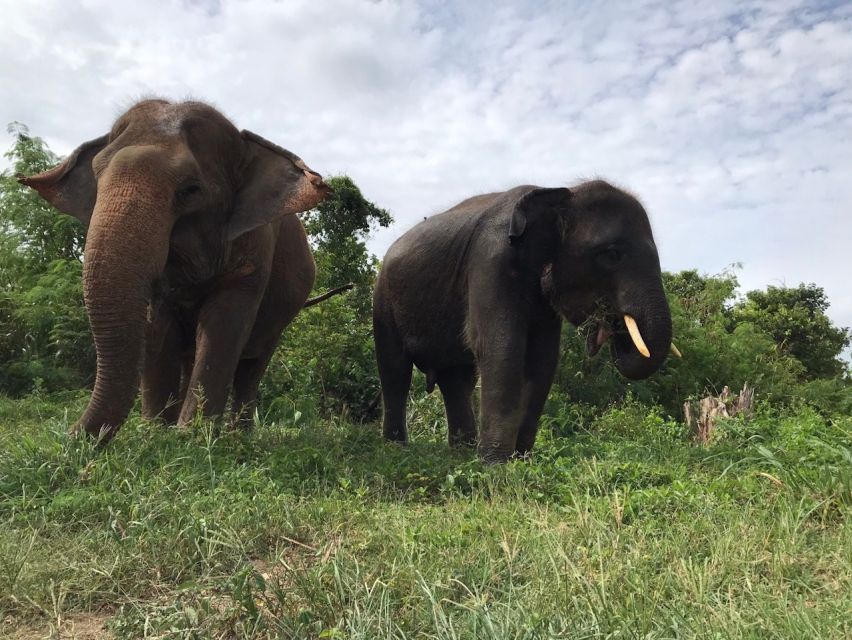
- No elephant riding: You’re here to observe and interact on foot, not sit on them.
- Hands-on contact: Feeding, touching, bathing, and brushing are part of the program.
- Mud spa plus river swim: Expect wet, muddy logistics and a real water moment.
- Bangkok-to-Pattaya is a commitment: Timing matters, especially in Bangkok traffic.
- Small-group energy: Many departures run with fewer people, which helps you get time and photos.
- Lunch is included: You’ll eat a Thai meal with fresh fruits after your elephant time.
Bangkok to Pattaya Elephant Sanctuary: the drive you should plan for
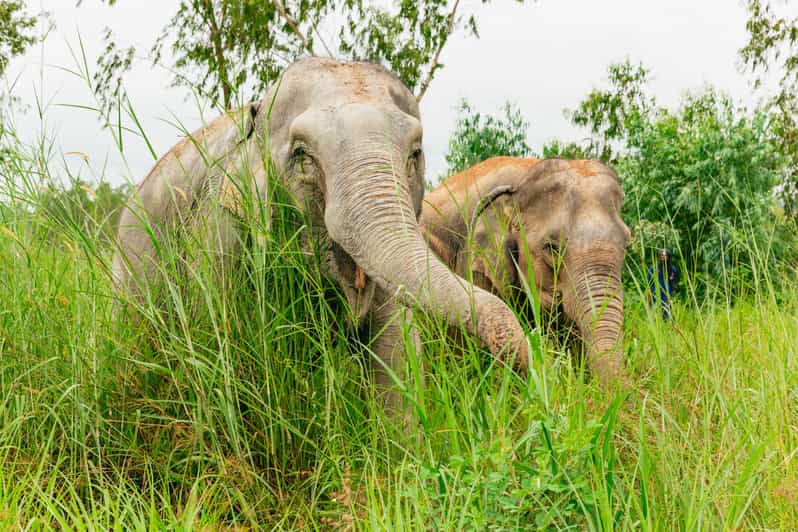
Let’s start with the reality check: Bangkok to Pattaya is not a quick hop. The transfer is listed at about 2 hours, but in real life you’re dealing with hotel pick-ups and Bangkok traffic, so plan your mindset for something longer.
You’ll ride in an air-conditioned vehicle with hotel pick-up and drop-off in Bangkok. If you hate losing daylight to transit, this is the kind of trip where you pick the time slot that best fits your stamina and schedule.
Also note the structure: you’re not just getting to the sanctuary, you’re getting moved, briefed, fed, and back again. The day has a half-day feel, but it’s still a full “event” in terms of timing.
You can also read our reviews of more tours and experiences in Bangkok.


Morning and afternoon sessions: when you return to Bangkok
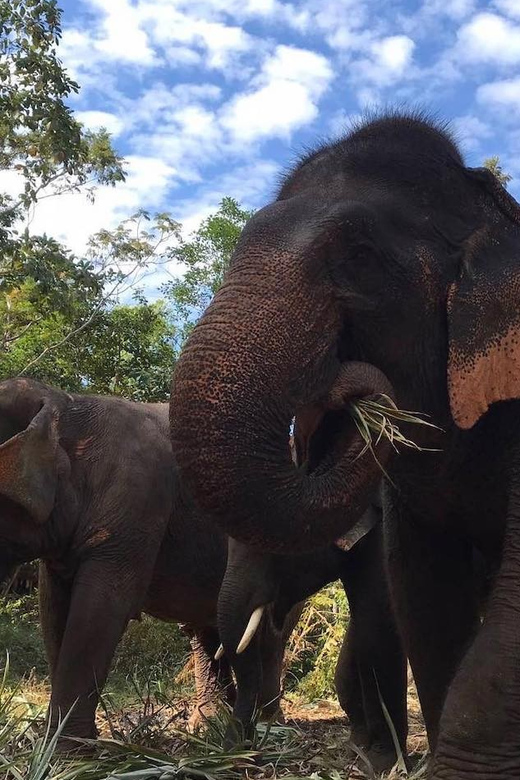
This trip comes in two sessions, and the return time is a big deal if you have dinner plans in Bangkok.
For the morning session, pick-up is typically 6:00–6:30 AM, and you’re back to your Bangkok hotel by 1:00 PM. For the afternoon session, pick-up is 10:30–11:00 AM, with return by 6:00 PM.
If you’re travel-crunching, morning is often the better choice because you get the elephant day done while Bangkok traffic is still less chaos-prone. If you’re not an early riser, afternoon works, but you should expect more road time and a later finish.
Arrival at the sanctuary: what “ethical” means in the schedule
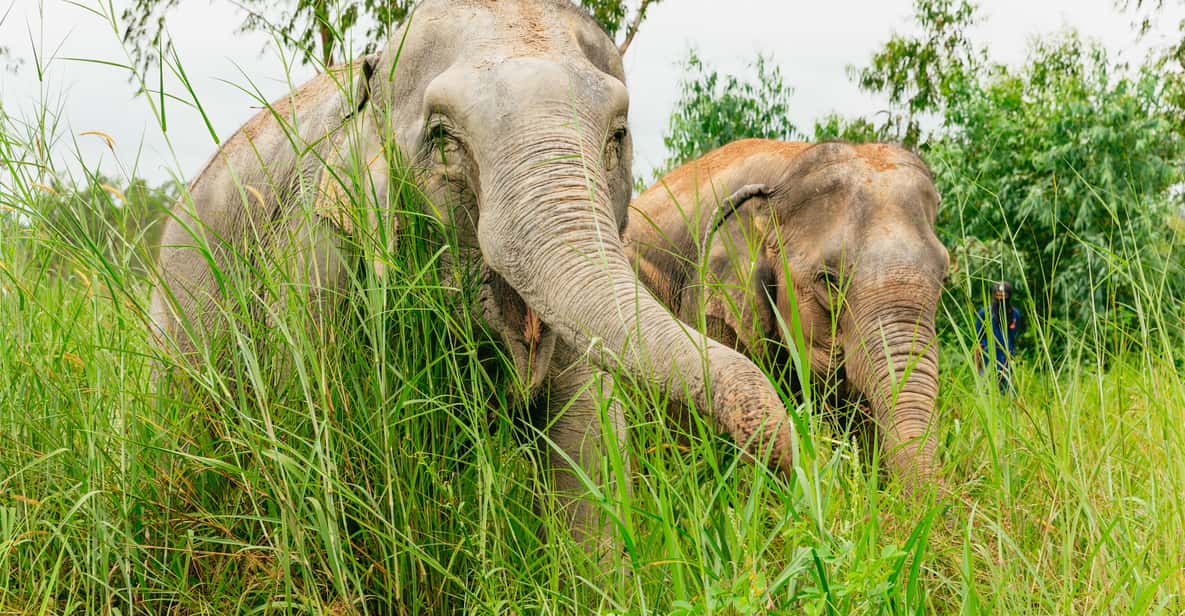
Once you arrive, you’ll meet an English-speaking guide and get context on the elephants you’ll spend time with. The sanctuary focuses on a “safe, sustainable and ethical” environment, and the whole program is built around you staying on the ground with the elephants rather than controlling them.
A small but important early moment is collecting food. You’ll gather bananas and sugar cane to feed the elephants, which instantly makes the day feel more hands-on than a look-but-don’t-touch visit.
Then comes the walking time. You’ll follow your guide through the sanctuary and learn about elephant behavior and lifestyle as you move. You’re there for close contact—touch, feed, photograph, and interact—at a pace that lets the elephants set the tone.
One practical tip: wear closed-toe shoes and clothes you don’t mind getting dirty. Even if it doesn’t rain, elephant time tends to bring mud, dust, and water splashes later.
Feeding and walking with elephants: the part you’ll remember
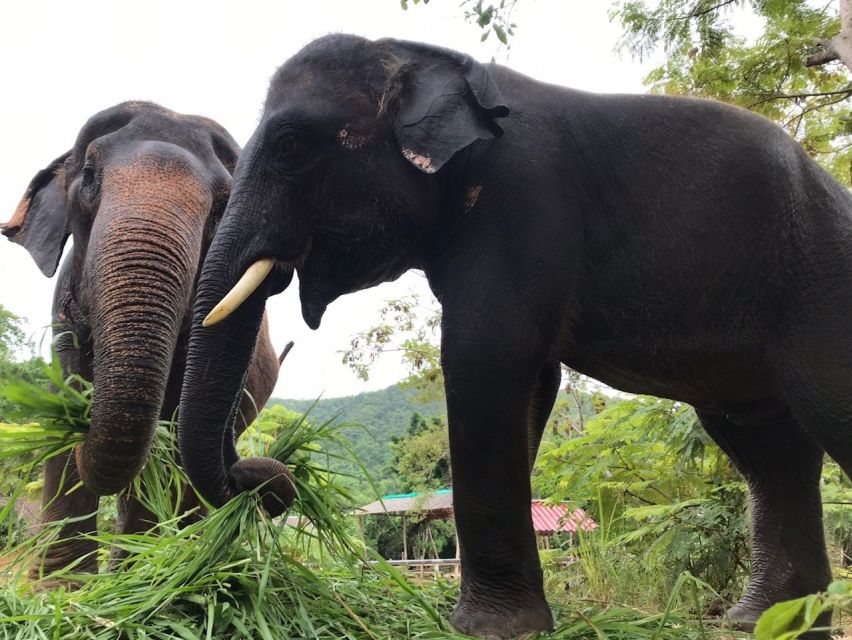
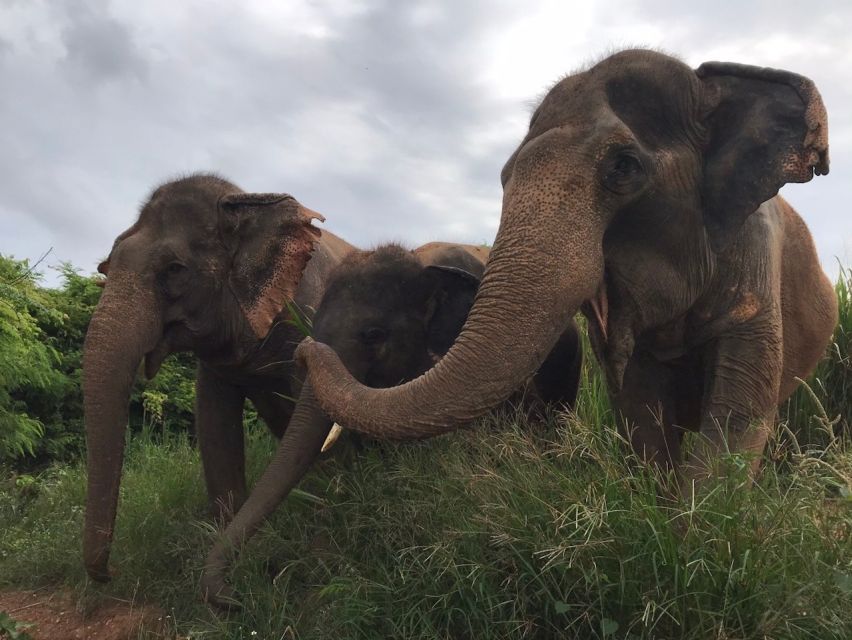
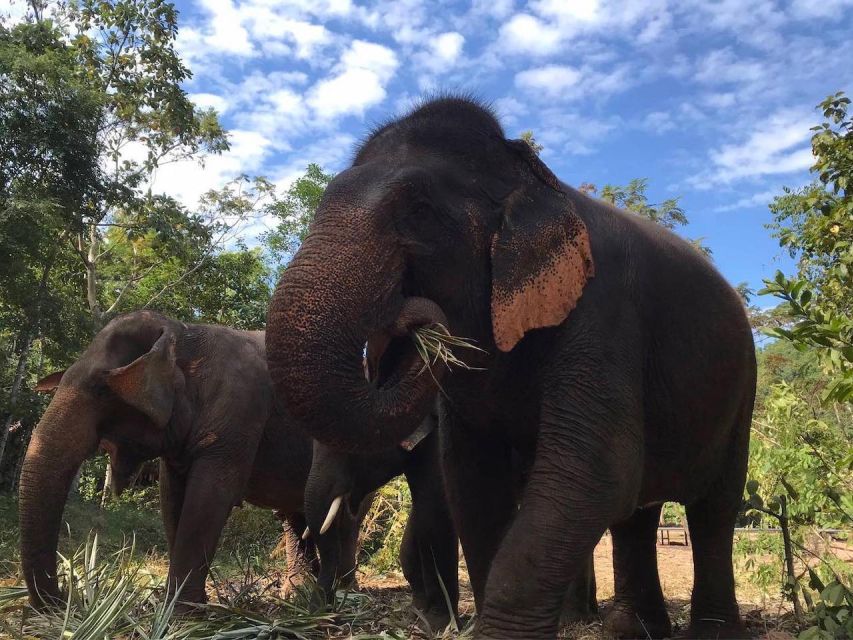
The feeding and walking portion is the heart of the experience. You’re not just standing at a barrier; you’re moving through a setting where the elephants are free-roaming and cared for in a dedicated sanctuary space.
Feeding is both fun and oddly emotional. Bananas and sugar cane create an immediate sense of connection, and the guide’s elephant stories can make that connection feel more meaningful than a simple photo moment.
You may also hear names of staff and guides that show up frequently in the experience: guides like Tak, Madam Tak, and Aber are examples of the type of people leading sessions. If your guide shares individual elephant histories, pay attention. It’s often the moment that turns a cute activity into a “why we protect them” day.
And yes, elephant encounters in Thailand are always slightly performance-adjacent. This one explicitly does not offer elephant riding, but you should still expect some command-based interaction as part of keeping the elephants safe and working with handlers. If your personal line is strict, set your expectations before you go.
The mud spa: yes, it gets messy, and that’s the point
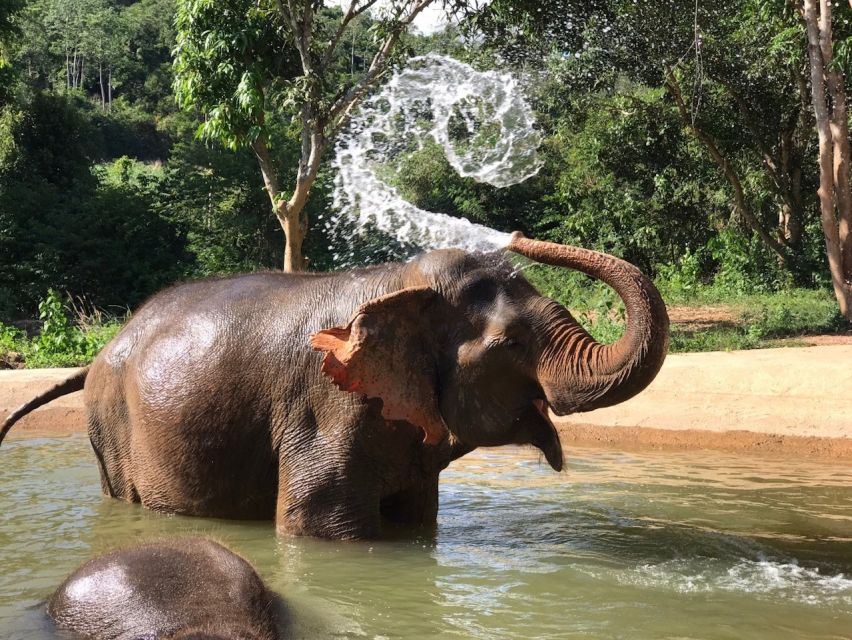
After meeting the elephants, you head to a nearby mud spa. This is where the day shifts from gentle interaction to full-body “get ready for wet” energy.
You apply a healthy cosmetic mud treatment to the elephants’ skin. It’s playful, but it also serves a practical purpose: the elephants get help with their skin care in a natural mud-based way, and you get a hands-on look at that care routine.
Bring a positive attitude toward mess. The tour provides wellie boots if it rains, and they specifically recommend bringing socks because muddy conditions are part of the deal. Even in fair weather, you’ll want to assume you’ll change into dry clothes later.
If you’re worried about mobility or physical comfort, note that the sanctuary staff have made accommodations for people with mobility issues. That doesn’t mean every moment will feel easy, but it does suggest you’re not left to fend for yourself.






River swim and bathing: the highlight for many people
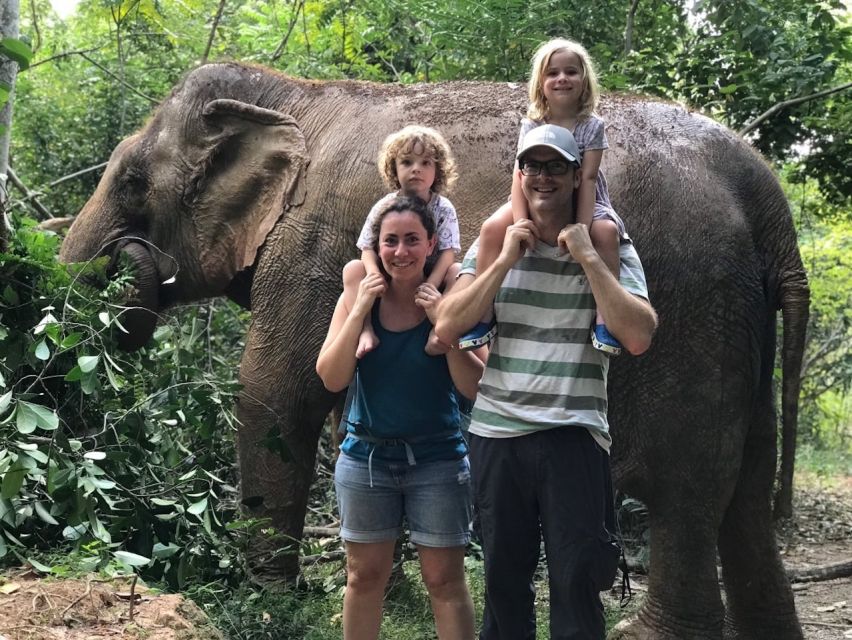
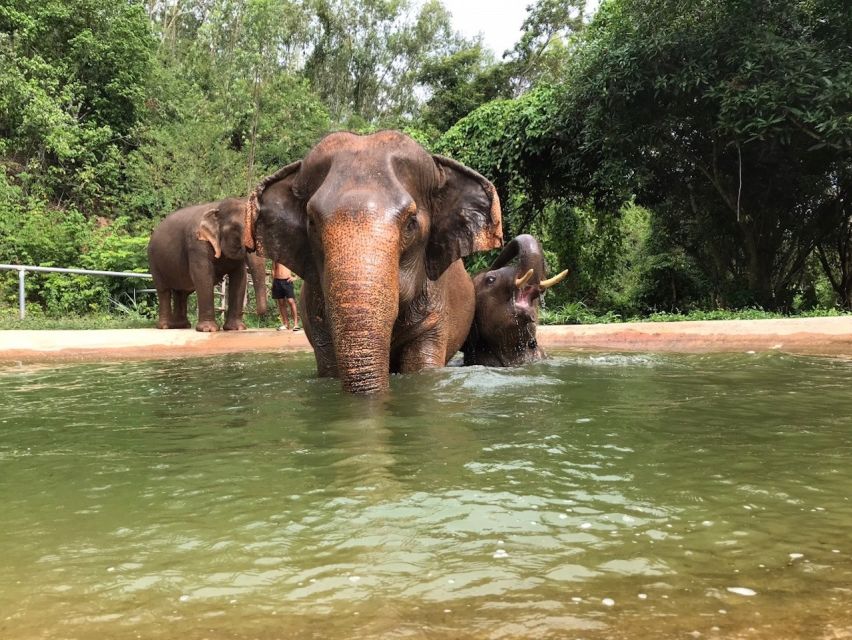
Next up is the water. You’ll walk the elephants to a nearby river and join them for a refreshing bath moment. This is where you see elephants play, wade, and splash in a way that feels natural rather than forced.
Once in the water, you’ll help bathe and brush the elephants while they move through and around the area. It’s a hands-on moment, and it’s also the part where you’ll most feel the scale of these animals up close.
Expect a “splash party” vibe. In past sessions, elephants have been playful in the water, including individual personalities that some guides describe as especially mischievous. You’ll likely hear about specific elephants by name as you go, which helps the swim feel personal instead of generic.
After the elephants are clean, you get final photos, then you change into dry clothes. The change-out step matters. Don’t plan a close-by outfit change elsewhere in Bangkok. The tour’s design assumes you’re going home wet, then back to normal.
Thai lunch and fruit break: fuel after the elephant work
Lunch is included, and it’s not just a token snack. You’ll enjoy a traditional Thai meal, with freshly cooked Pad Thai as the common noodle highlight, plus seasonal fruits.
A few practical notes. First, eat like someone who just carried bananas and got sprayed by a herd of gentle giants. You’ll likely feel hungry after the walk, mud, and water time.
Second, fruit is included as part of the snack rhythm. It’s a nice reset after all the salty, earthy, and watery time in one morning or afternoon block.
You’ll also have drinking water provided during the program. Still, bring your own reusable water bottle because you’ll feel better having it on hand for the drive.
Timing, group size, and how the day flows
This trip can feel surprisingly smooth once you’re there. Many sessions run with a small number of people, which often means you get more direct time with the elephants and less waiting around.
The program itself moves in a logical sequence: meet elephants and feed, walk and learn, mud spa, river bath, then food and the ride back. Because the tour is built around a half-day schedule, there’s limited downtime, which is good if you like your travel days efficient.
One thing to watch is how quickly the day starts once you arrive. Some people noted they wished they’d been informed earlier, so if you feel the schedule isn’t clear in the first minutes, ask your guide right away.
For photos, you may also find you want to manage expectations. Some sessions include guide help with pictures; others focus more on safety and letting you interact. If photos matter a lot, bring a light cleaning cloth for your camera and phone. Mud and water don’t care about your settings.
Price and value: is $142 worth it for an ethical elephant day?
At $142 per person, this trip isn’t cheap, especially when you factor in the time cost of the Bangkok-to-Pattaya transfer. So the key question is value: what are you paying for?
You’re paying for several things in one bundle:
- Transportation in an air-conditioned vehicle with hotel pick-up and drop-off
- An English-speaking guide and elephant care education
- Food for feeding elephants (bananas and sugar cane)
- A full interaction set: feeding, walking, mud spa, and river bathing
- Traditional Thai lunch and fresh fruits
- A Save the World canvas bag included by the operator
If your goal is a quick look from a distance, this price probably feels high. If your goal is close, hands-on interaction with a sanctuary model that stresses ethical care and no riding, the value starts to make sense.
That said, a fair number of reviews mention small gaps between what’s implied and what’s delivered, like missing extra items. If you care about a specific souvenir list, confirm what’s included for your date so there are no surprise disappointments.
Also keep this in mind: elephant sanctuaries are people-land operations, not just ticket counters. That’s often part of why the cost can feel steep, but it’s also often part of why the day supports ongoing care.
What to bring and what to wear so you stay comfortable
You’ll have a wet, muddy part of the day. Plan for that from the start.
Bring:
- Passport (required)
- Sunglasses and a hat
- Umbrella (useful, but you’ll still get muddy)
- Sunscreen and insect repellent
- Socks (especially if rain hits)
- Clothes that can get dirty and a spare set for later
- Closed-toe shoes
- Reusable water bottle
Wear:
- Clothes you can sweat in and that you won’t mind tossing in your laundry bag afterward
- Footwear that can handle mud and water
If you’re prone to cold after swimming, pack something light for the ride back to Bangkok. The drive home can cool you down fast once you’re dry-ish.
Who this tour fits best (and who should think twice)
This is a great fit for animal lovers who want active, respectful contact rather than elephant riding. If you want education alongside the fun, and you’re okay with getting wet and muddy, you’ll likely feel satisfied.
It also fits well for people who want a guided experience without doing the logistics on their own. The sanctuary interaction includes a guide-led flow and a structured food and care routine.
You might think twice if you dislike any command-based interaction. Even though this tour does not include riding, elephants may respond to handlers and you may see some behavior that feels like training control rather than pure “hands-off nature.”
And if you have tight timing in Bangkok, remember the drive can run long. This is not a fit for someone hoping to squeeze in shopping after drop-off.
Should you book this Pattaya Elephant Sanctuary day trip?
I’d book it if you want a full elephant care day in one half-day slot, with feeding, mud spa, and river bathing, plus an actual Thai lunch waiting afterward. The best reason to go is the structure: it’s built around hands-on interaction in a sanctuary context that explicitly does not offer elephant riding.
I’d pause and double-check your expectations if you’re ultra-sensitive about anything that feels like “performed elephant moments,” or if you’re counting on extra souvenir items beyond what’s clearly included. Also be honest with yourself about the drive. If long transfers make you grumpy, pick the session that best matches your energy.
If you get the basics right—wet clothes plan, early-morning timing strategy, and a mindset focused on care over spectacle—you’ll come away with stories you can’t get from a quick Bangkok attraction.
FAQ
Is elephant riding part of this trip?
No. The experience specifically promotes sustainable tourism and does not offer elephant riding.
How long is the drive from Bangkok to Pattaya?
The journey is approximately 2 hours through agricultural areas, hills, and beach. Bangkok traffic and multiple hotel pick-ups can make it longer.
What are the pick-up and return times?
For the morning session, pick-up is around 6:00–6:30 AM and return to your Bangkok hotel is at 1:00 PM. For the afternoon session, pick-up is around 10:30–11:00 AM and return is at 6:00 PM.
What activities do you do with the elephants?
You’ll feed the elephants, walk through the sanctuary with your guide, and later join them for a mud spa and a river bath where you can help bathe and brush them.
What should I bring for a rainy day?
The tour notes that wellie boots will be provided if it rains, and you should bring a pair of socks. Wear clothes you don’t mind getting sweaty or muddy.
What’s included in the price?
Included are air-conditioned transportation from Bangkok, a guide, traditional Thai lunch and fresh fruits, drinking water, food for feeding the elephants, and a Save the World canvas bag.