REVIEW · BANGKOK
Bangkok: White Lotus Thai Cooking Class with Market Tour
Book on GetYourGuide →Operated by White Lotus Thai Cooking School · Bookable on GetYourGuide
Thai street food, but with real skill.
This White Lotus Thai Cooking Class pairs a walk through Paak Klong Talad area markets with a hands-on kitchen session where you cook Tom Yam Goong and Pad Thai plus two other classics. I love that the morning-to-afternoon flow is built around ingredients you can actually see, smell, and pick out, not just recipes on a page. One possible drawback: transportation to the school is not included, so plan an easy MRT route in advance.
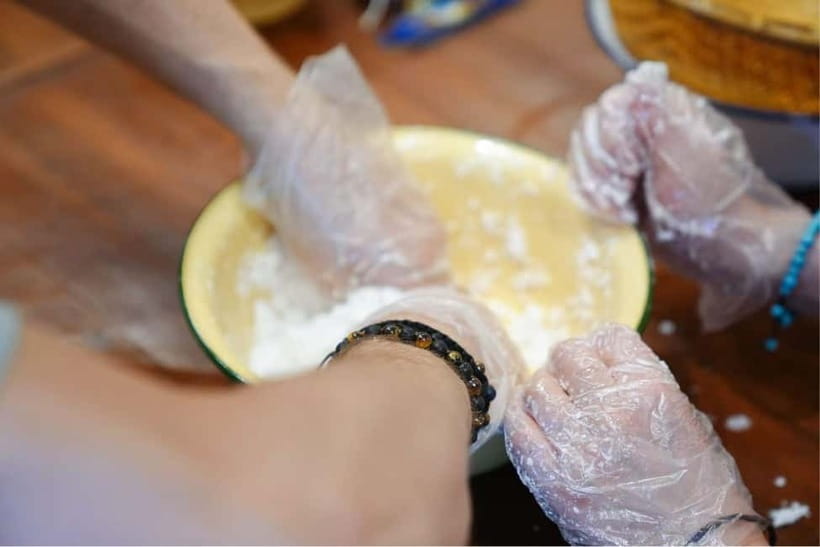
My favorite part is the practical cooking payoff. You’ll learn how to make fresh coconut milk for sweet sticky rice from scratch, then cook a full 4-dish meal and eat it right there in a cozy, home-like setting with new people.
The other consideration is simple: it’s not suitable for kids under 6. If you’re traveling with younger children, you’ll need a different activity.
In This Review
- Key things that make this class worth your time
- Entering White Lotus Thai Cooking School (and why it feels relaxed)
- Finding the meeting point near Sanamchai MRT
- Market tour: wholesale ingredients plus Bangkok’s flower market
- How the market visit makes your cooking easier later
- Fresh coconut milk and sticky rice: the skill you’ll actually use
- The four dishes you’ll cook (and why the set is smart)
- Tom Yam Goong (shrimp tom yum soup)
- Pad Thai
- Som Tam (green papaya salad)
- Mango Sticky Rice
- Eating together: a full meal, not a snack
- Lucky draw, white lotus folding, and take-home items
- Price check: is $35 good value in Bangkok?
- Who this cooking class suits best
- Should you book White Lotus Thai Cooking Class in Bangkok?
- FAQ
- How long is the Bangkok White Lotus cooking class?
- What dishes will I cook during the class?
- Do I visit a market before cooking?
- What is included in the price?
- What is not included?
- Where do I meet for the class?
- What languages are spoken during the class?
- Is the class wheelchair accessible?
- Is the class suitable for children?
- What is the cancellation policy?
Key things that make this class worth your time
- Paak Klong Talad area meeting point: easy to find above the market organization near Sanamchai MRT
- Market walkthrough with two markets: wholesale veg/fruit plus Bangkok’s biggest flower market
- Hands-on coconut milk practice: a standout skill you can repeat at home
- Four full dishes, not demos: Tom Yam Goong, Pad Thai, Som Tam, Mango Sticky Rice
- Friendly small-group vibe: clear step-by-step guidance and a relaxed kitchen pace
- Lucky draw and white lotus folding: a fun extra that turns the class into more than just cooking
Entering White Lotus Thai Cooking School (and why it feels relaxed)
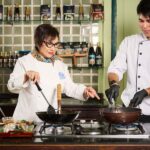
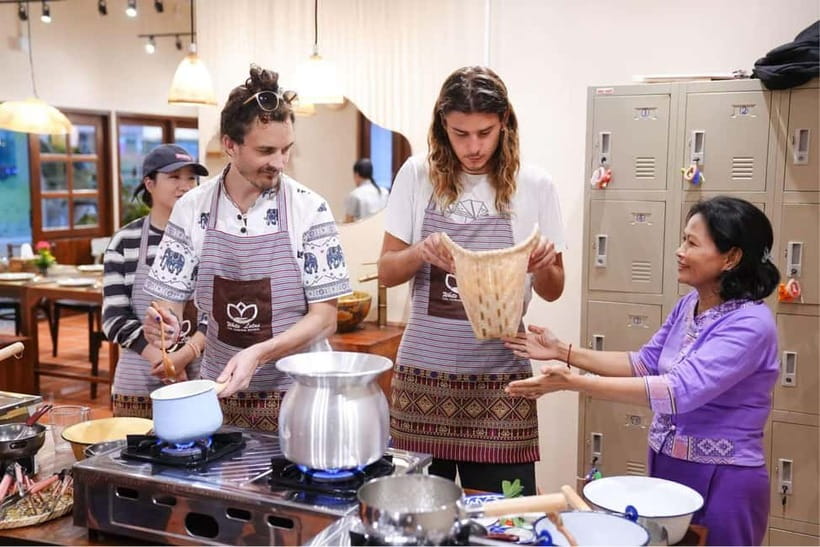
This class is designed to feel like you’re learning in someone’s kitchen, not trapped in a factory-style classroom. The atmosphere is described again and again as cozy and home-like, and that matters because Thai cooking rewards timing and confidence. When the room feels calm, you can actually focus on the steps: chopping, mixing, simmering, tasting, adjusting spice, and moving to the next dish without stress.
The school itself is also repeatedly praised for being clean and well run. That sounds like a small thing until you’re standing over hot pans, handling fresh herbs, and trying to follow instructions in a second language. A tidy setup keeps the class moving smoothly.
You’ll also notice that the course doesn’t just toss you recipes. You get a walk-through first, you cook four dishes, and you sit down together to eat what you made. That structure makes the learning stick.
You can also read our reviews of more tours and experiences in Bangkok.

Finding the meeting point near Sanamchai MRT
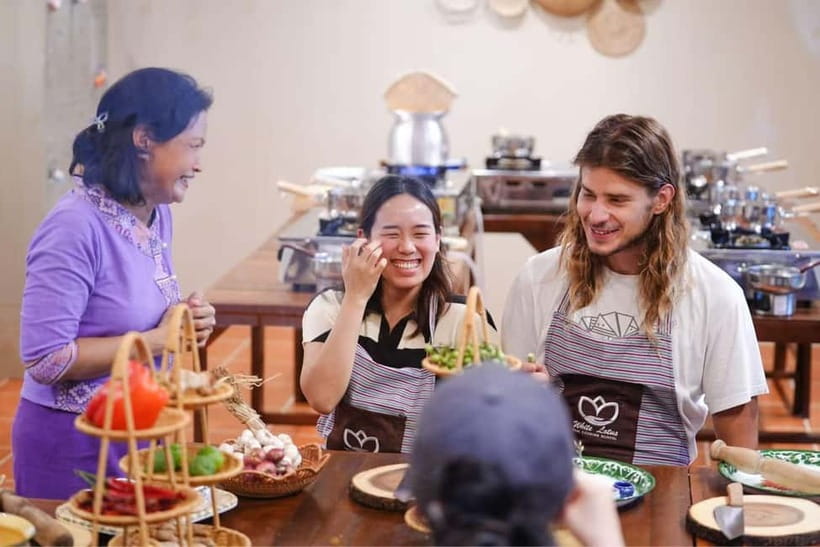
Meet at White Lotus Thai Cooking School on the 2nd floor of The Market Organization (Paak Klong Talad). It’s about 150 meters from Sanamchai MRT station and roughly 60 meters from a 7/11.
That location helps in two ways:
- You can anchor the day around public transit and keep it simple.
- The markets aren’t a separate, distant detour. They’re part of the “why” behind the recipes.
If you’re arriving by taxi or ride-hail, it can be easy to overthink the last few minutes. Use the MRT point as your main reference, then treat the final walk as a quick stroll.
Market tour: wholesale ingredients plus Bangkok’s flower market
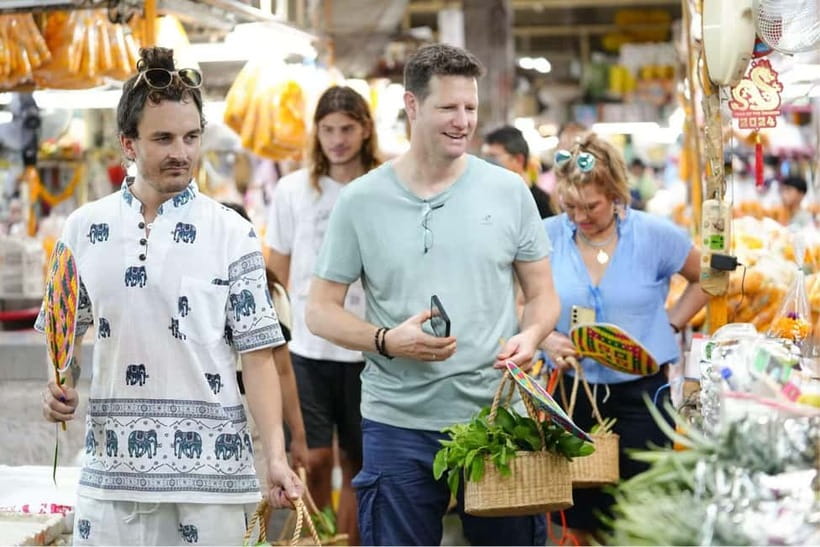
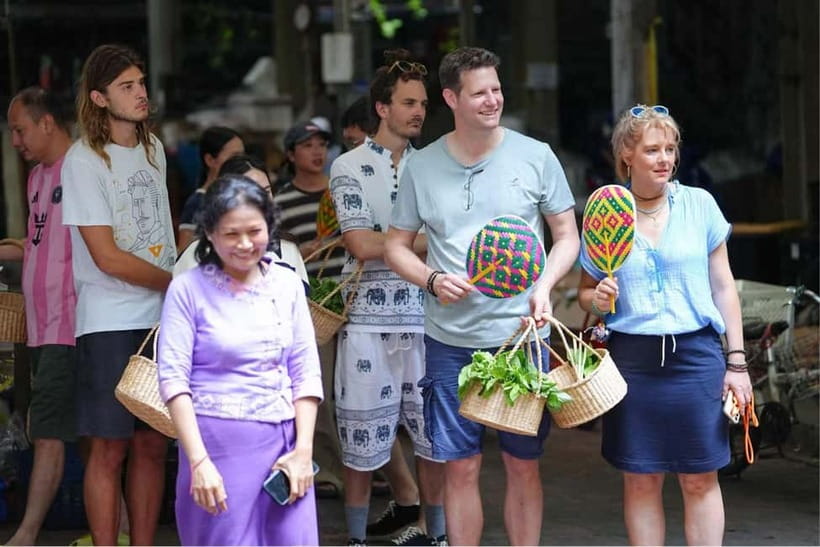
The experience starts with a guided walk through local wholesale vegetable and fruit markets, plus the biggest flower market in Bangkok. This is one of the best parts of the day because it turns Thai cooking into something you can “read” with your senses.
Here’s what this adds to your cooking class:
- You learn what ingredients look like when they’re fresh.
- You learn why certain flavors show up in specific dishes.
- You pick up practical buying instincts you can use later in Bangkok or at home.
On the market walk, you’ll be encouraged to feel, touch, smell, and even taste some ingredients. That matters for Thai food because flavor isn’t just in the written recipe—it’s in the aroma of herbs, the bite of fresh vegetables, and the way different ingredients behave in a hot wok.
The flower market stop also gives you context that people often miss. Thai cuisine uses flowers and floral touches in ways that can feel mysterious if you’ve only seen food plated for tourists. Even if you don’t care about flowers, this stop teaches you something about Thai attention to fragrance and presentation.
How the market visit makes your cooking easier later
After the market, you don’t start from zero. The class connects ingredients to dishes right away, so you’re not memorizing recipes like a school assignment.
This is where clear, patient teaching makes a difference. Instructors such as Jeab, Sasi, Chon, and Pat are repeatedly mentioned for explaining steps clearly, keeping instructions simple for beginners, and adjusting on the fly so everyone can follow. Even if you’ve never cooked much, the market background gives you a head start.
You’ll also get to talk with vendors. Some classes include little stories about costumes and Thai food culture, which helps the day feel like a living snapshot, not a scripted performance.
If you get even one takeaway from the market part, aim for this: learn how Thai cooks think about balance—sweet, sour, salty, spicy—and how fresh ingredients support that balance.
Fresh coconut milk and sticky rice: the skill you’ll actually use
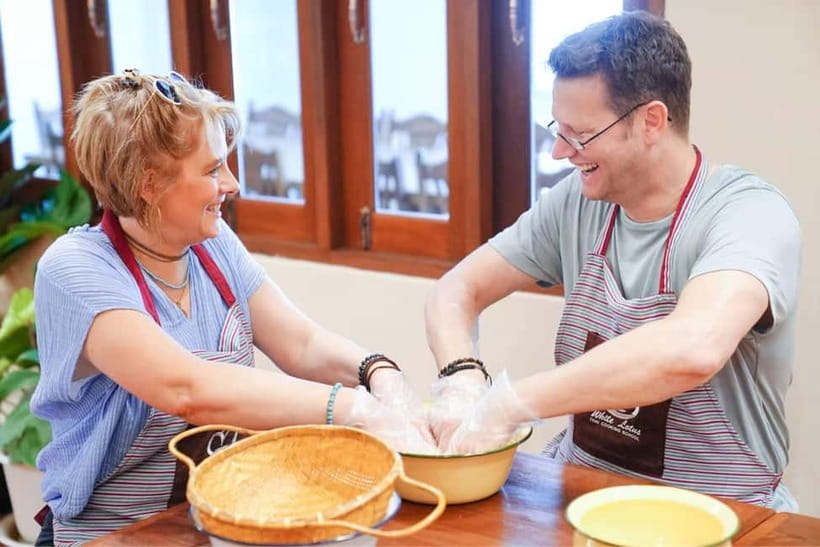
This class isn’t only about famous dishes. The hands-on highlight is learning to make fresh coconut milk from scratch for sweet sticky rice.
That’s big value. Store-bought coconut milk is fine, but fresh coconut milk changes your end result—taste and texture. And because this method is taught as part of your meal, you’re not just learning a single technique in isolation. You see how it creates the flavor base of a Thai dessert you’ll recognize instantly once it hits the table.
For anyone who thinks they’ll just cook Thai once on vacation, this coconut milk lesson is the reason to book. It’s a repeatable skill and it’s unusual enough that most casual cooking experiences skip it.




The four dishes you’ll cook (and why the set is smart)
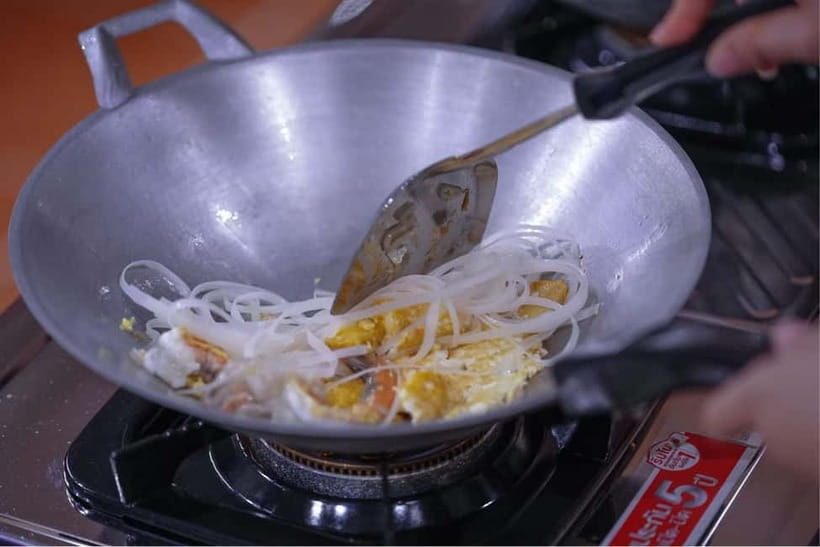
You’ll cook four authentic Thai dishes in total:
- Tom Yam Goong
- Pad Thai
- Som Tam
- Mango Sticky Rice
Tom Yam Goong (shrimp tom yum soup)
Tom Yam Goong is Thailand in one bowl: hot, sour, aromatic, and punchy. You’ll learn how the flavor builds through the early aromatics and how the sour-salty balance lands. It’s also a great dish to practice tasting, because small changes in seasoning can make a noticeable difference.
Pad Thai
Pad Thai teaches you control. This is not a dish you can rush. You’ll learn how to handle the sauce, timing, and texture so it stays saucy without turning heavy. It’s also one of the most satisfying dishes to cook because your plate transforms quickly as the noodles and sauce come together.
Som Tam (green papaya salad)
Som Tam is all about crunch and balance: sourness, salt, sweetness, and heat. This dish tends to be a favorite because it’s interactive—you can taste as you go and understand how Thai flavors are layered.
One nice detail: spice is treated as personal. Some classes let you choose how spicy you want your food, which makes the experience easier for first-timers and families.
Mango Sticky Rice
Dessert in Thai cooking deserves respect, and this class includes it properly. Mango Sticky Rice isn’t just mango and sticky rice. The key is the coconut part, and you’ll already have learned fresh coconut milk, which means you’re cooking with the same skill you practiced earlier.
Eating together: a full meal, not a snack
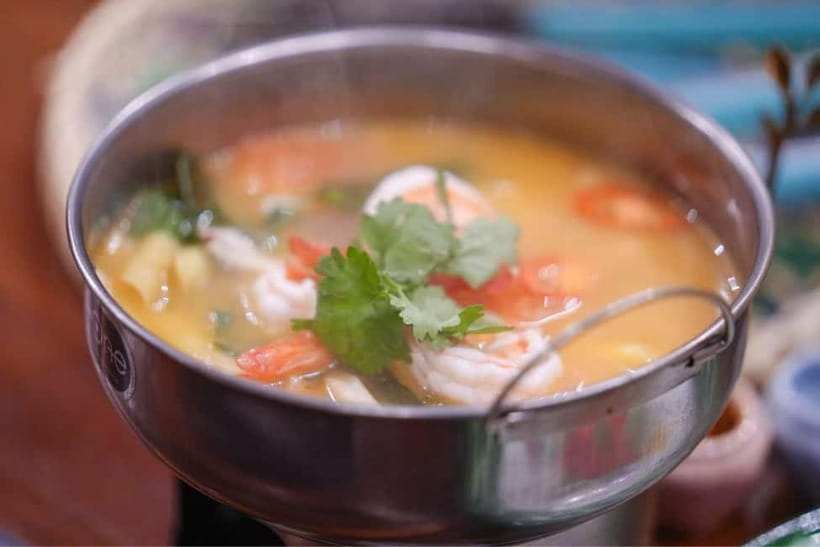
Once you finish each dish, you eat what you cooked as a group in that cozy, home-like atmosphere. The meal is a practical reward, but it also helps learning. When you taste the final dish, you can match it to what you did in the pan.
There’s also a sense of meeting people. The class is described as friendly and welcoming, and it often includes participants from different countries. If you like sharing a table, this part turns the day into something social—not just a solo cooking activity.
Food amount matters too. The experience is repeatedly described as plentiful, so yes: come with an appetite. One simple tip from the vibe of the class is to show up hungry, because you’ll spend the day cooking and then eating the results.
Lucky draw, white lotus folding, and take-home items
After the meal, you’ll join a lucky draw, learn how to fold a white lotus (a neat Thai craft moment), and receive a certificate.
You may also get souvenirs and recipe handouts. Multiple instructors are noted for making the experience feel thoughtful, including leaving guests with something to remember besides photos.
The certificate is small, but it’s a fun way to mark the day. It turns a cooking class into a moment you can keep.
Price check: is $35 good value in Bangkok?
At $35 per person for about 210 minutes (3.5 hours), the value is strong because you’re not paying for only instruction. You’re paying for a structured day that includes:
- Two market stops (including a major flower market)
- Ingredient tasting and vendor interaction
- Hands-on cooking of four full Thai dishes
- Fresh coconut milk preparation for sticky rice
- A shared meal
- Certificate (and often extras like souvenirs and recipes)
If you compare this to the cost of a good meal plus market guidance plus a cooking skill you can repeat later, it stacks up well. The biggest reason the price works is that you end the experience with tangible outcomes: you eat what you made and you leave with recipes and a certificate.
Who this cooking class suits best
This is a great fit if you want Thai food with context and hands-on practice, not just a show-and-taste experience.
You’ll likely enjoy it most if:
- You like market walks and want to understand ingredients
- You want step-by-step help, even as a beginner
- You enjoy eating what you cook
- You want at least one advanced skill (the coconut milk lesson)
It may be less ideal if:
- You’re traveling with kids under 6 (not suitable)
- You don’t want to handle your own transport to the school
- You prefer food experiences that are more hands-off
Should you book White Lotus Thai Cooking Class in Bangkok?
I’d book it if your Bangkok plan includes food, curiosity, and one goal: come home with skills you can actually use. The combination of the market tour (vegetables, fruit, and the flower market) and the cooking payoff (four dishes plus fresh coconut milk) makes this one of those activities that doesn’t feel like a checkbox.
If you’re tight on time, also consider the 3.5-hour format. It’s long enough to learn and eat, but not so long that it dominates your whole day.
If you like Thai food but have only ever ordered it in restaurants, this is the kind of class that turns ordering into understanding.
FAQ
How long is the Bangkok White Lotus cooking class?
It lasts about 210 minutes, or roughly 3.5 hours.
What dishes will I cook during the class?
You’ll cook four dishes: Tom Yam Goong, Pad Thai, Som Tam, and Mango Sticky Rice.
Do I visit a market before cooking?
Yes. You’ll visit a local wholesale vegetable and fruit market, and you’ll also visit Bangkok’s biggest flower market.
What is included in the price?
The class includes the market visits, hands-on cooking, preparation of fresh coconut milk, cooking the four dishes, the meal, and a certificate.
What is not included?
Transportation to and from the cooking school and personal expenses are not included.
Where do I meet for the class?
Meet at White Lotus Thai Cooking School on the 2nd floor of The Market Organization (Paak Klong Talad), near Sanamchai MRT station and a 7/11 convenience store.
What languages are spoken during the class?
The instructor can speak English and Thai.
Is the class wheelchair accessible?
Yes, it is listed as wheelchair accessible.
Is the class suitable for children?
It is not suitable for children under 6 years.
What is the cancellation policy?
You can cancel up to 24 hours in advance for a full refund.