REVIEW · BANGKOK
Bangkok: Maliwan Thai Cooking Class with Market Tour
Book on GetYourGuide →Operated by Maliwan Thai Cooking Class · Bookable on GetYourGuide
Thai cooking gets real fast here. I like the tuk-tuk market tour for picking fresh ingredients, and I like the small-group setup that gives you real hands-on help from the chef. One drawback to plan for: you taste the dishes at the end of the class, not right after you cook each one.
This is a straightforward 4-hour experience at Maliwan Thai Cooking Class in Bangkok, led in English. You’ll work at a fully equipped kitchen station, make 4 different recipes, and eat what you cook in a casual setting, with a take-home recipe handout and an e-certificate.
In This Review
- Key things to know before you go
- Bangkok’s Thai cooking class that starts with the market
- Getting to Maliwan Thai Cooking Class without stress
- The tuk-tuk market tour: where your Thai flavor actually begins
- Welcome drink, chef demo, and the rhythm of a 4-hour class
- Hands-on cooking: how you learn more than recipes
- A note on curry paste and flavor-building
- Eating at the end: plan your hunger
- Small groups (up to 6): why it feels personal
- What you take home: recipes you can actually use
- Price and value: is $40 worth it?
- Who this Thai cooking class is best for (and who should skip)
- Practical tips so you get the most out of it
- Should you book Bangkok’s Maliwan Thai Cooking Class?
- FAQ
- How long is the cooking class?
- What’s included in the market tour and cooking class?
- How many dishes will I cook?
- Is the class taught in English?
- How big is the group?
- Will I be able to take the recipes home?
- Are there options for dietary restrictions?
- Is insurance included?
- What are the restrictions for kids?
- Where is the meeting point?
Key things to know before you go
- Tuk-tuk market shopping to choose produce and pantry items you’ll actually use
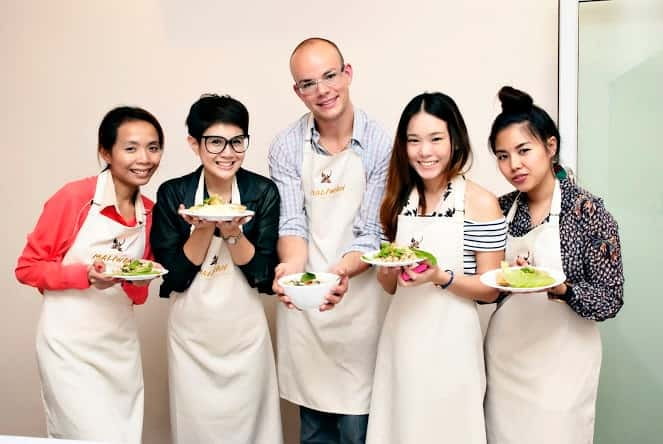
- Up to 6 people so you’re not stuck watching while others cook
- 4 hands-on Thai dishes plus the chance to learn classic flavor-building steps like curry paste
- Take-home printed recipes and an e-certificate of completion
- Menu varies by date, so you’ll be learning techniques even if the exact dishes shift
Bangkok’s Thai cooking class that starts with the market
If you’ve ever wondered why Thai food tastes so different from what you make at home, this kind of class tackles the problem at the source: the ingredients. The experience starts at Maliwan Thai Cooking Class on 9 Sipsamhang Road in Taladyod, Phranakorn. This neighborhood puts you close to the older, everyday side of Bangkok, not just the tourist strip.
You’ll meet at the cooking school, then head out by tuk-tuk to a local market. That market stop isn’t just sightseeing. It’s where you learn what to look for and why certain items matter for flavor. You’re selecting ingredients that Thai cooks use constantly, like fresh herbs, aromatics, and common staples that can be hard to choose correctly when you’re shopping far from home.
From there, the class moves into a kitchen workflow that makes sense: a brief welcome drink and demonstration first, then you cook your own dishes with lots of help. The goal is not just to produce food. It’s to give you repeatable technique you can use again after your trip.
You can also read our reviews of more tours and experiences in Bangkok.



Getting to Maliwan Thai Cooking Class without stress
The meeting point is: 9 Sipsamhang Road, Taladyod, Phranakorn, Bangkok 10200.
If you’re arriving by taxi, the easiest approach is to ask the driver to bring you close to Kraisi Road in the Banglumphu Market area, near Khaosan Road. From there, you’ll walk into a small alley next to the Chinese Shrine or Domino’s Pizza on Kraisi Road. The building is described as a four-story structure painted dark grayish brown, and you ring the bell for entrance.
This matters because the location is easy to miss if you rely on GPS pin drops. Showing up a little early helps you avoid the last-minute scramble. You’ll also feel more relaxed when it’s time to go to the market with the group.
The tuk-tuk market tour: where your Thai flavor actually begins
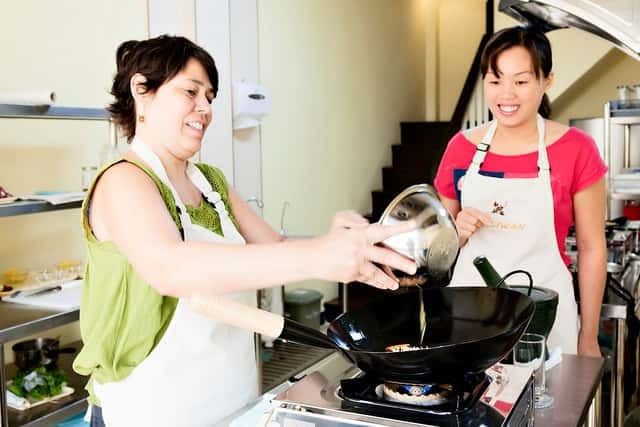
Most cooking classes jump straight to the kitchen. Here, you start with shopping, and that changes what you learn.
During the market visit by tuk-tuk, your chef or guide helps you pick the best and freshest produce. The practical value is huge: Thai cooking depends on balance, and fresh ingredients often make that balance possible. In several accounts of the experience, people specifically note how useful it is to learn which items are worth choosing fresh, and how the right choice affects the final taste.
You’re not just browsing. You’re collecting ingredients that will later become your four dishes. That makes the shopping feel connected, not random. You’ll also get a better sense of how Thai cooks think when they shop: what’s seasonal, what’s aromatic, what should be fragrant today rather than stored for weeks.
One more thing I like about this format: you’re out in a real market environment, where local people do normal shopping. It gives context for why Thai food tastes the way it does.
Welcome drink, chef demo, and the rhythm of a 4-hour class

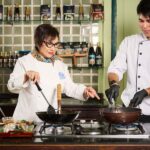
Back at the cooking school, the class starts with a welcome drink and a cooking demonstration. The instructor prepares the dishes so you can watch the technique and understand the flow before you touch the stove.
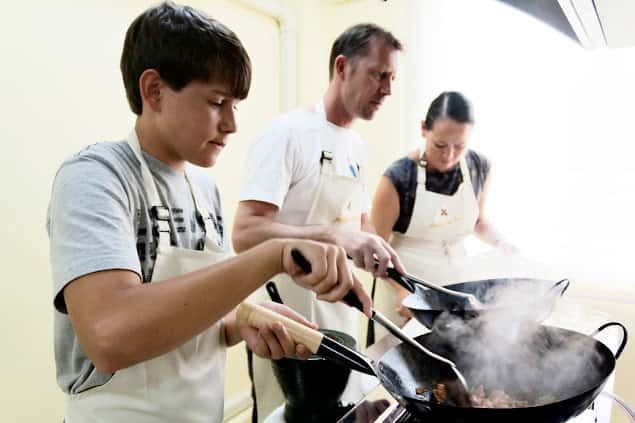
Then it’s your turn. The kitchen setup is described as fully equipped and organized, and the group size is kept small (limited to up to 6 participants). That small number is one of the reasons this class gets such strong satisfaction. When you’re standing at a station with ingredients and a chef nearby, you get real feedback instead of general tips.
The class is designed as an uninterrupted session: you cook in the same block and sample the results at the end. If you’re hoping to eat each dish immediately as it’s finished, that’s not how the timing is structured. On the plus side, it keeps things efficient and makes sure the whole table sits down together with a full meal.
Hands-on cooking: how you learn more than recipes
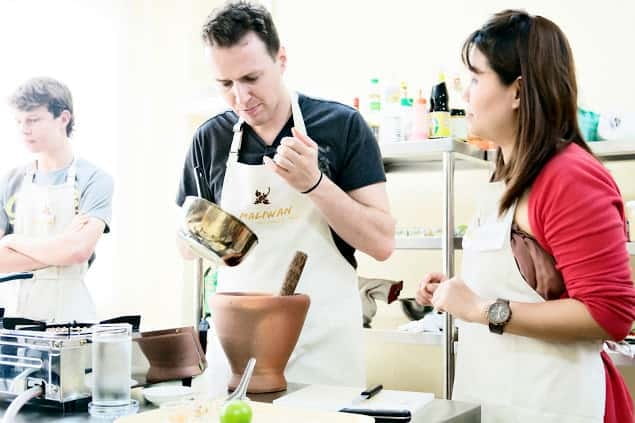
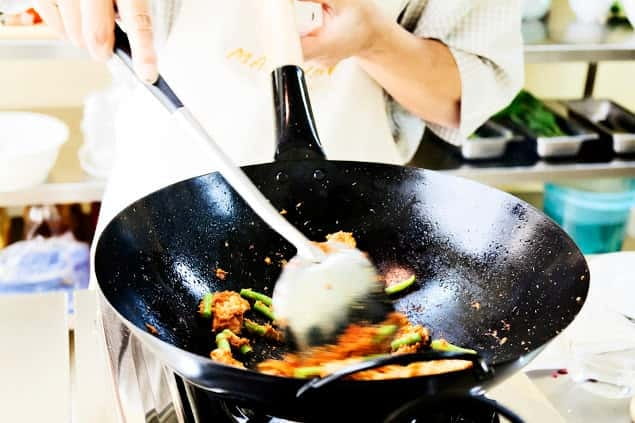
You’ll prepare 4 different dishes in a fully hands-on format. Ingredients are provided, and the class includes “all cooking ingredients,” plus rice serving. That means you’re not trying to guess what you’re missing, and it keeps the focus on learning technique.
What makes this class especially practical is the way instruction is handled. The chef provides step-by-step guidance and hands-on help when you need it. For beginners, that’s comforting. For experienced cooks, it’s a way to sharpen Thai methods without being lost.
Some dishes you might see in the menu include favorites like:
- chicken green curry
- prawn pad Thai
- chicken coconut soup
- mango sticky rice
The exact menu is decided by the instructor prior to your travel date, so you shouldn’t count on those specific dishes. But the structure stays the same: you learn the flavor-building logic and cooking steps that make Thai food taste right.






A note on curry paste and flavor-building
In at least a few versions of this class, the cooking includes making curry paste from scratch. If that’s on your menu, it’s a great skill to take home because curry paste is the foundation for so many Thai dishes. Even if your class emphasizes other techniques, you’ll still learn how Thai cooking balances aromatics, saltiness, sweetness, and heat.
Eating at the end: plan your hunger
Since you eat after all cooking is done, I recommend arriving hungry and ready to focus. You’ll likely end up with a lot of food. Several accounts also mention that portions are generous and leftovers can be taken away, so you’re not stuck with food you can’t finish.
Small groups (up to 6): why it feels personal
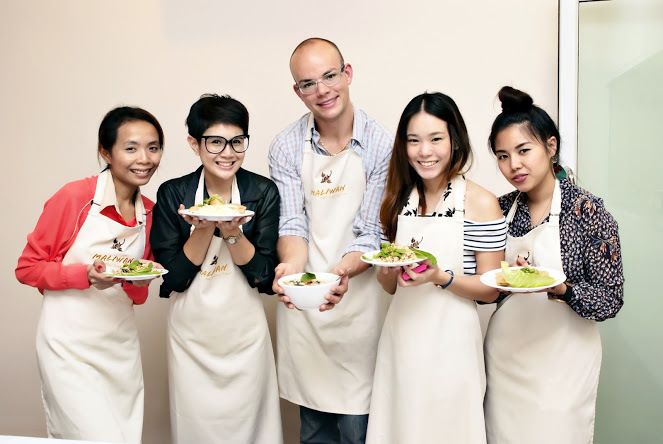
This is a real small-group class, limited to 6 participants. Highlights from the experience point to personalized help, and you feel that in the kitchen.
In a large class, your “hands-on” time can turn into a choreographed watch-and-copy routine. Here, the chef and assistants can guide you through chopping, mixing, and cooking steps as you go. That’s the difference between learning a recipe and learning how to cook Thai flavors without panicking.
Even better: you’re not cooking entirely alone. Staff prep and organize some items in advance, so you spend your time learning the critical steps rather than hunting for missing ingredients.
What you take home: recipes you can actually use
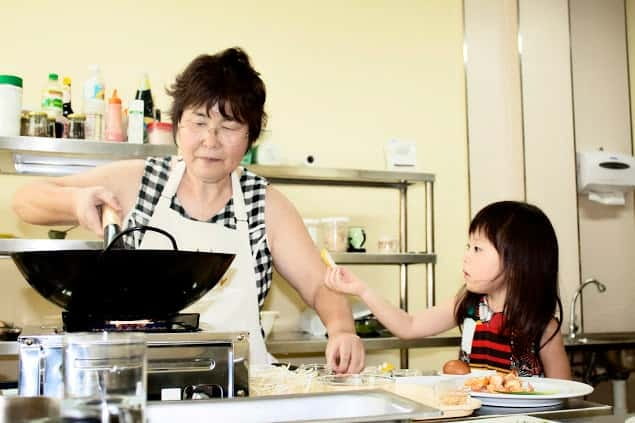
You get a cooked recipes handout to take home. That’s important, because Thai cooking is technique-heavy. You’ll forget some details quickly after you return home, and printed steps help you rebuild the dish the right way.
You also receive an e-certificate of completion, which is a small thing, but it adds a nice touch. It’s the kind of souvenir that feels earned because you did the work in the kitchen.
One practical benefit: the class is designed so the recipes are manageable enough for beginners to recreate later. Many participants highlight that the guidance makes the dishes easy to repeat, even when you’re new to Thai cooking.
Price and value: is $40 worth it?
At $40 per person for about 4 hours, this can be a strong value if you want real cooking practice, not just an entertaining activity.
Here’s why it feels worth it:
- You get a market tour by tuk-tuk, so your time isn’t only spent at a stove
- Your ingredients are included, plus water and a welcome drink
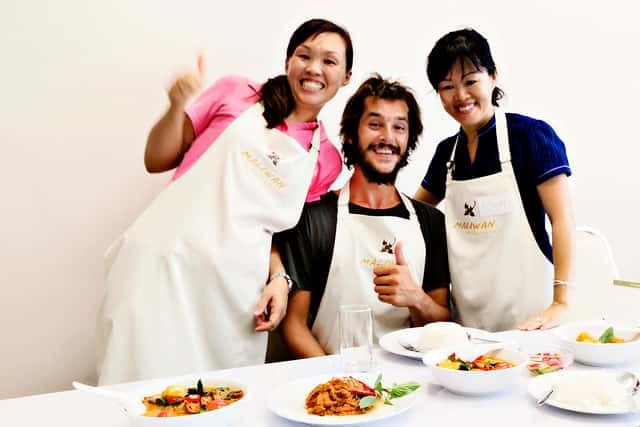
- You cook 4 dishes and eat what you make, not just one small tasting
- You leave with take-home recipe handouts and an e-certificate
Where value depends on you: if you’re mostly interested in watching and taking photos, a cooking class can feel like a lot of cost for not enough eating. But if you want to learn techniques and taste your results, this price is fair, especially because the group size stays small.
Also, you’re paying for instruction. The chef’s English communication and step-by-step support are part of what makes the experience work.
Who this Thai cooking class is best for (and who should skip)
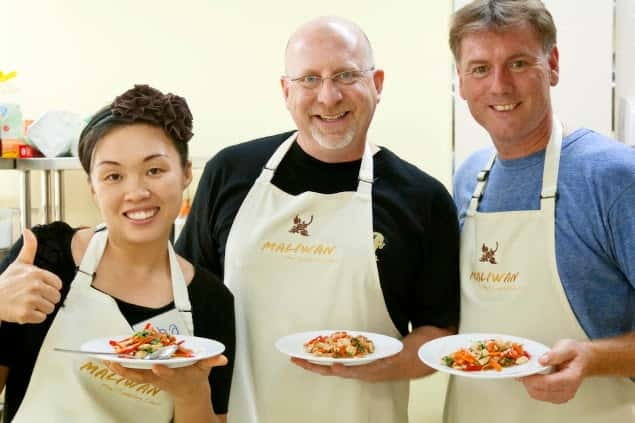
This class is a good fit if you want:
- a hands-on Thai cooking experience in Bangkok
- small-group instruction in English
- a market visit that actually connects to what you cook
- a practical set of recipes you can repeat at home
It’s less ideal if you:
- have back problems, since you’re likely standing and working at a kitchen station
- have mobility impairments, because the class isn’t described as wheelchair-friendly
- need unaccompanied minors, because unaccompanied minors aren’t allowed (children need parental accompaniment and won’t have their own workstation)
If you have dietary needs, the class asks you to inform them during booking, like vegetarian, vegan, gluten-free, or allergies. The menu may be adapted depending on those details, but last-minute changes may be limited, and the instructor sets the menu in advance.
Practical tips so you get the most out of it
Bring a normal beginner mindset: slow is fine. The chefs are there to help, and the structure is designed for clarity.
A few smart moves:
- Arrive a few minutes early so you’re calm before the market and cooking start.
- Plan for a lot of food, since you’ll sample the dishes at the end and portions are described as generous.
- If you have dietary restrictions, say them clearly at booking. The better they understand your needs upfront, the smoother the class runs.
- If you’re a curry paste fan, ask whether your menu includes making it from scratch when you arrive. The class format suggests you may cover that kind of technique depending on the day.
Should you book Bangkok’s Maliwan Thai Cooking Class?
I’d book it if you want Thai cooking you can repeat later. The combination of a tuk-tuk market tour, small-group hands-on cooking, and 4 dishes with take-home recipes is exactly the type of experience that turns a good meal into a real skill.
Skip it only if you know you won’t like standing at a workstation for a few hours, or if you’re looking for a casual, sit-back-and-watch activity. If you’re hungry to learn and you like the idea of picking ingredients first, this one is a strong choice.
FAQ
How long is the cooking class?
The class runs for about 4 hours.
What’s included in the market tour and cooking class?
The experience includes a market tour, all cooking ingredients, rice serving, drinking water, and a welcome drink.
How many dishes will I cook?
You’ll prepare 4 different recipes during the class.
Is the class taught in English?
Yes, the instructor teaches in English.
How big is the group?
The group is limited to 6 participants.
Will I be able to take the recipes home?
Yes. You receive a cooked recipes handout to take home.
Are there options for dietary restrictions?
You can and should inform the provider of dietary restrictions during booking (such as vegetarian, vegan, gluten-free, or allergies). The menu can be adapted, though last-minute changes may be limited.
Is insurance included?
Insurance is not included.
What are the restrictions for kids?
Unaccompanied minors are not allowed. Children need parental accompaniment and will not have their own workstation.
Where is the meeting point?
The meeting point is Maliwan Thai Cooking Class, 9 Sipsamhang Road, Taladyod, Phranakorn, Bangkok 10200. If arriving by taxi, request the Kraisi Road area near Banglumphu Market (close to Khaosan Road), then walk into the small alley next to the Chinese Shrine or Domino’s Pizza, and ring the bell at the four-story dark grayish brown building.