REVIEW · BANGKOK
Bangkok: Discover a Taste of Chinatown – 2 Hr Walking Tour
Book on GetYourGuide →Operated by TripGuru Thailand · Bookable on GetYourGuide
Follow the smell of fried dough to Yaowarat. This small-group Chinatown walk starts at Wat Mangkon MRT Exit 3 and puts you on street-level food lanes with a guide who shares the stories behind what you eat. I really like how the tour leans hard into classic stalls instead of tourist-only samples.
My other favorite part is the freedom: there’s no fixed itinerary, so you can slow down for photos or swap from savory to sweets when your stomach says yes. One thing to consider up front: the tour price includes the guide and walking time, but food tasting expenses are not included, so you’ll want extra cash ready.
In This Review
- Key highlights
- Getting Oriented: Wat Mangkon MRT Exit 3 to Yaowarat
- How the No-Fixed-Itinerary Style Works When You’re Eating Street Food
- Guay Jub Ouan Pochana: Rice Noodle Soup With MICHELIN Bib Gourmand Clout
- Pa Tong Go Savoey and the Crispy Snack Formula
- HKN Hong Kong Noodle and HAGOW Yaowarat for Noodles and Dim Sum
- Temple Moments and How Thai Prayer Etiquette Shows Up
- Price and Value: What $64 Really Covers (and What You Pay Extra for)
- Small Group Size and Night-Market Reality Checks
- What to Bring for a 2-Hour Yaowarat Walk
- Who Should Book This Bangkok Chinatown Food Walk
- Should You Book It?
- FAQ
- Where do I meet for the tour?
- How long is the tour, and what is the group size?
- What’s included in the tour price?
- Are food tasting expenses included?
- What should I bring?
- Is this tour wheelchair accessible?
Key highlights
- Meet outside Wat Mangkon MRT Exit 3 with a TripGuru sign and an English guide
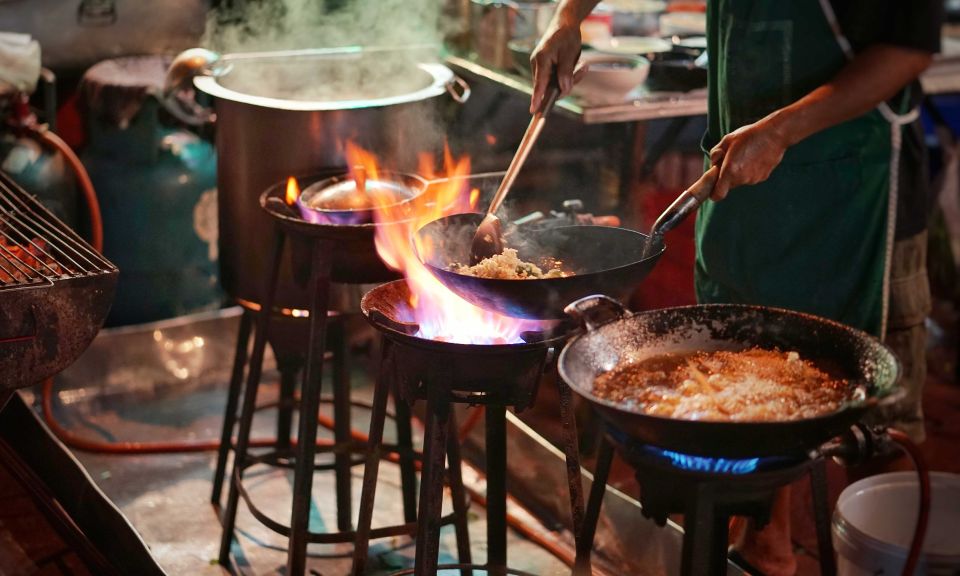
- Guay Jub Ouan Pochana rice noodle soup stop tied to MICHELIN Bib Gourmand recognition
- Pa Tong Go Savoey for crispy fried dough sticks
- No fixed itinerary, so you choose what to try based on your tastes (and allergies when you tell the guide)
- HKN Hong Kong Noodle and HAGOW Yaowarat for noodles and dim sum-style favorites
- GSTC-certified tour plus carbon emissions offset credits included
Getting Oriented: Wat Mangkon MRT Exit 3 to Yaowarat
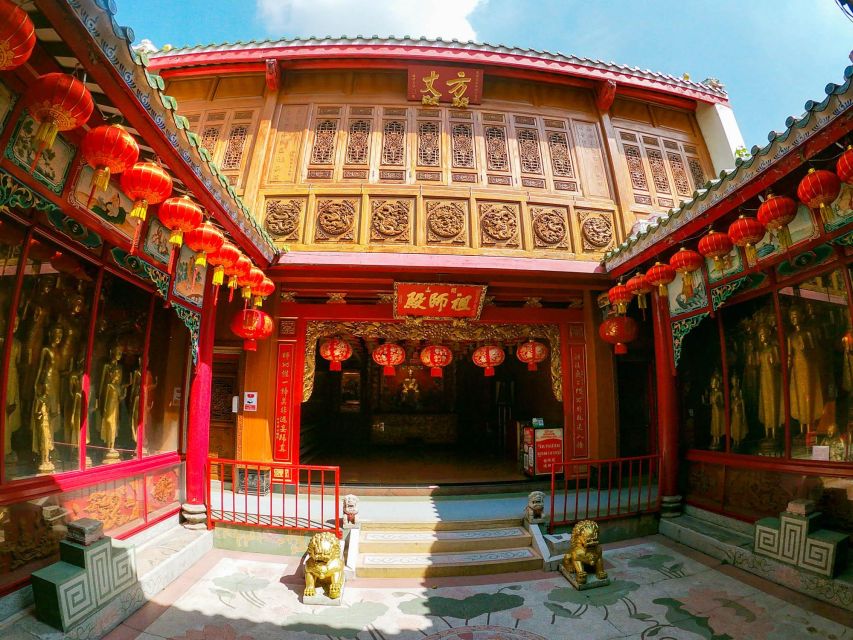
This tour’s easiest win is that it’s anchored in real Bangkok transit. You meet outside exit number 3 of Wat Mangkon MRT station, and your guide will be holding a TripGuru sign. If you like starting your day (or night) with a clear meetup point, this helps you avoid the usual wandering around.
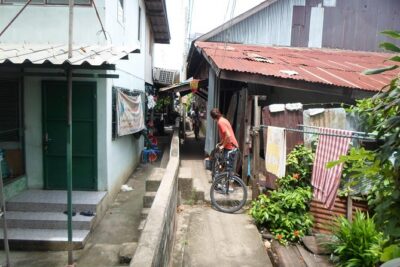
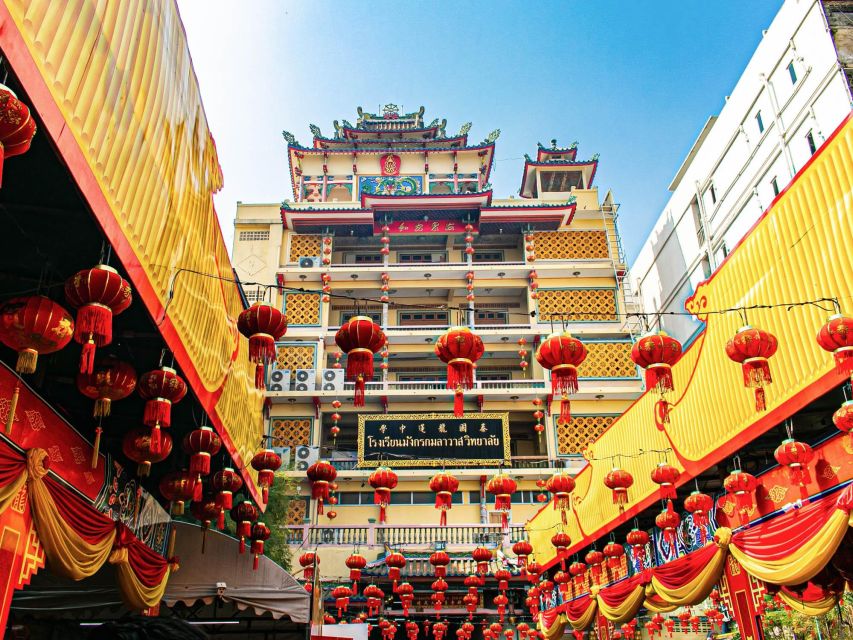
From there, you’re walking into Yaowarat, the Chinatown area where food is the main language. Expect narrow streets, busy stall fronts, and that sweet-salty-salty mix of sauces that hits the second you turn a corner. It’s a simple setup, but it makes a big difference for first-timers who don’t yet know where to stand, where to order, and what to try first.
You can also read our reviews of more tours and experiences in Bangkok.
How the No-Fixed-Itinerary Style Works When You’re Eating Street Food
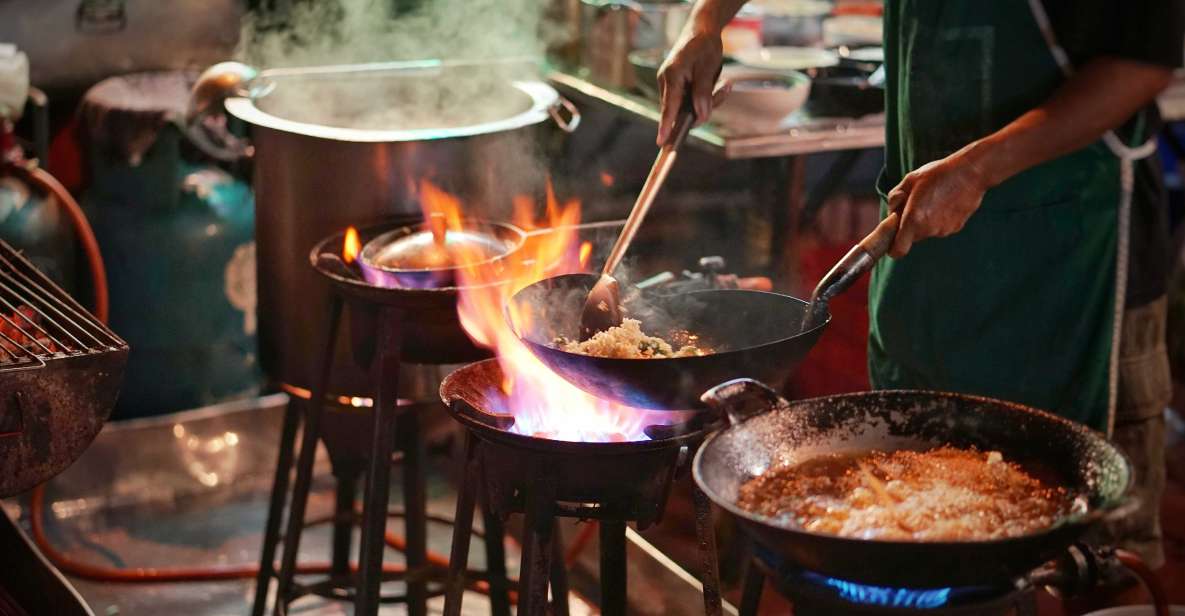
The tour is built around flexibility, not a strict checklist. In practice, that means you’re not herded from one stall to the next on a timer. Your guide nudges you toward key places, but you can usually adjust based on how hungry you are, what you’re craving, and whether you want savory versus sweet.
That freedom is especially useful in Chinatown, because food options can change fast. A stall you’re excited for might have a longer line, or a certain item might run out. When you’re on a flexible walk, you’re less likely to feel stuck chasing a single item and more likely to leave with a solid mix of flavors.
One more plus: the tour is designed to fit different needs. The experience notes that it can cater to all tastes and dietary needs, and at least one guest reported the guide tailoring the tastings around a nut allergy. I’d still recommend telling your guide your preferences and allergies clearly at the start so they can steer you confidently.
Guay Jub Ouan Pochana: Rice Noodle Soup With MICHELIN Bib Gourmand Clout
One of the standout food stops is Guay Jub Ouan Pochana, specifically for its rice noodle soup. The tour highlights that this place is associated with MICHELIN Bib Gourmand recognition, which is a real signal that this isn’t just a busy stall—it’s doing something right and doing it consistently.
So what does that mean for you on the ground? It means you can order something relatively safe and still feel like you’re getting an authentic Chinatown specialty. Rice noodle soup is also a smart pick for a two-hour tour: it’s filling without being too heavy, and it gives you a “base flavor” to compare the rest of the snacks you try.
If you’re the type who wants to understand what you’re eating (not just eat it), ask your guide what makes this soup worth the hype: the broth style, the texture of the noodles, and the balance of toppings. That’s where these tours pay off—the guide turns food into a lesson you can actually taste.
Pa Tong Go Savoey and the Crispy Snack Formula
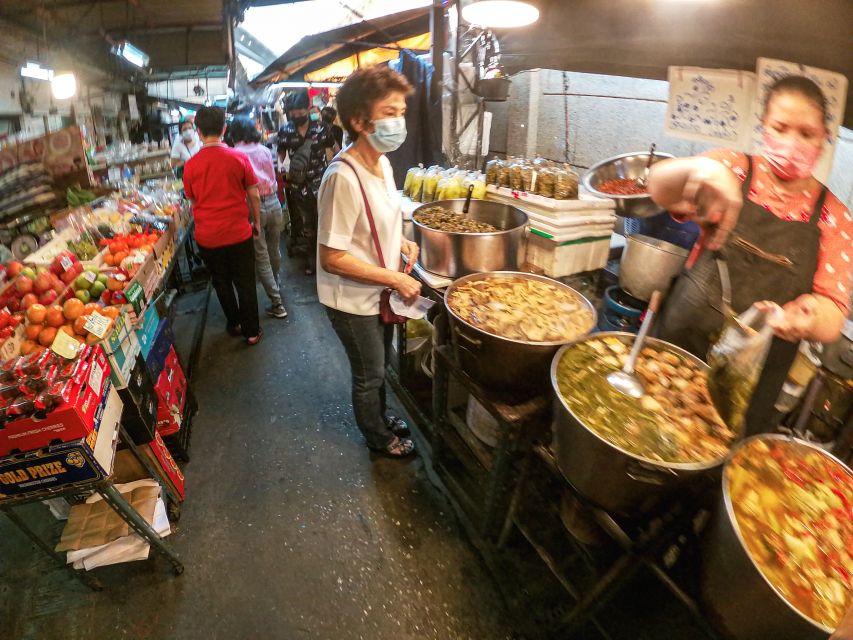
Next up is Pa Tong Go Savoey, famous for crispy dough sticks. These are the kind of street-food item that looks simple, but the quality shows in details like crispness, how evenly it’s fried, and whether it stays crunchy long enough to enjoy.
This stop works well because it’s the opposite of the noodle soup experience. You go from hot and savory to crunchy and snackable, and that contrast keeps the walk fun instead of repetitive. Also, crispy snacks are easy to eat while you’re moving or standing with your group, which matters in a crowded market area.
Practical tip: if you’re sensitive to oil or want something lighter, ask the guide what portion to start with. You’re on a walking tasting tour, so it’s wise to pace the crispy items early, then save your sweet tooth for later if the timing works out.
HKN Hong Kong Noodle and HAGOW Yaowarat for Noodles and Dim Sum
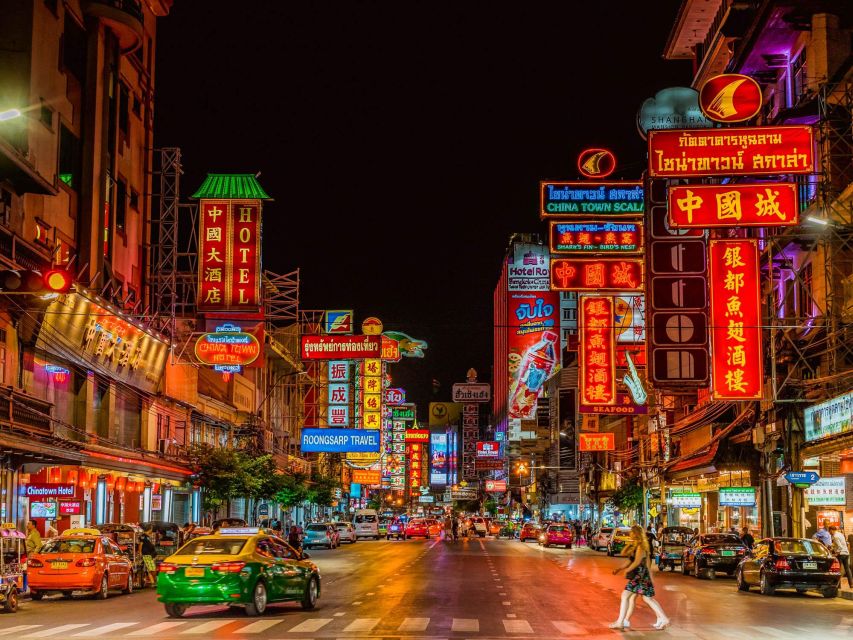
The tour also includes time for more noodle and dim sum-style flavors, with specific references to HKN Hong Kong Noodle and HAGOW Yaowarat. This part of Chinatown is where Chinese-Bangkok food culture shows up in everyday form—small plates, shared bites, and sauces that change the whole character of a dish.
Why I like these stops: they’re a good “variety strategy.” After you’ve had soup and a fried snack, noodles and dim sum can round out your tasting without forcing you into a single heavy meal. It’s a great way to sample different textures too: chewy, crunchy, steamed, saucy.
Ordering strategy is where a local guide earns their keep. These menus can be fast-moving and sometimes written in ways that don’t translate smoothly. With help, you can aim for the best sellers and avoid common ordering mistakes like getting something that doesn’t fit what you want at that moment.



Temple Moments and How Thai Prayer Etiquette Shows Up
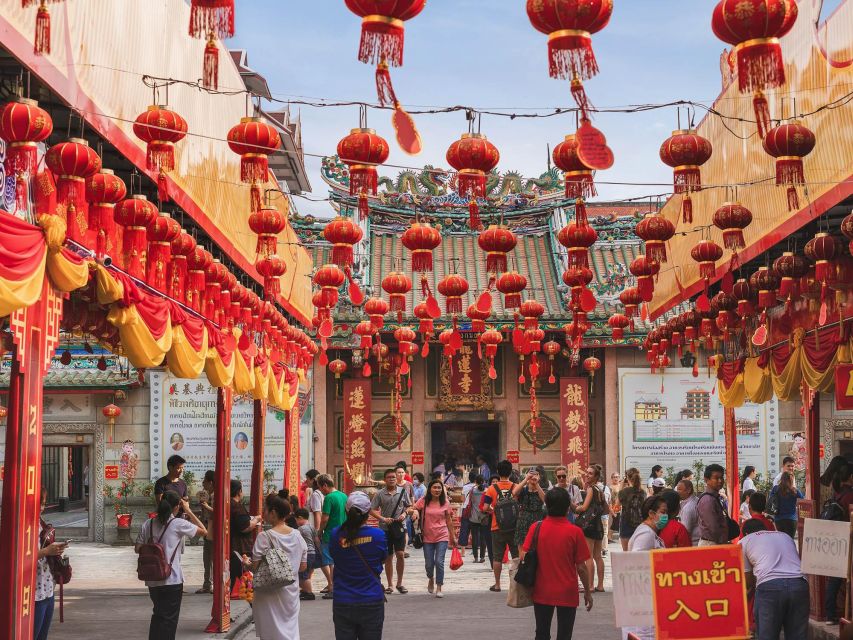
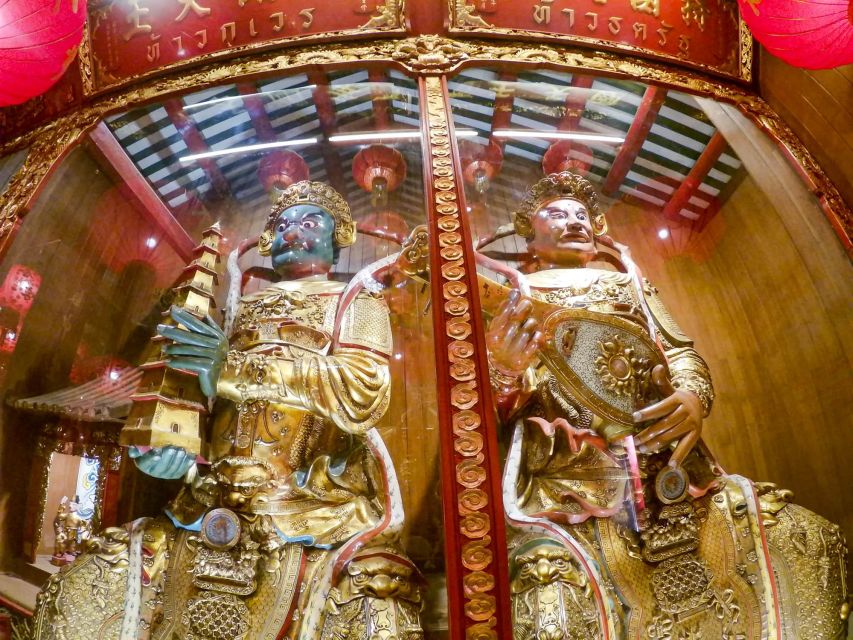
Even though the core focus is food, several guides have been praised for adding a cultural layer, including Buddhist temple visits and explanations about prayer customs. Some guests reported being shown how to pray, and at least one person mentioned stepping inside a Buddhist temple area and seeing a ceremony-like moment.
If you get even a brief temple stop, treat it as context for the neighborhood, not a separate “tour within the tour.” Chinatown isn’t just food—you’re walking through a place where religion, everyday routines, and community spaces are intertwined. Understanding basic etiquette also makes your experience smoother. For example, it helps to know when to pause, where to stand, and how to behave respectfully in temple spaces.
Since these moments may vary with timing and conditions, don’t assume you’ll get the exact same itinerary each time. But if your guide offers cultural stops, it’s worth going with the flow.
Price and Value: What $64 Really Covers (and What You Pay Extra for)
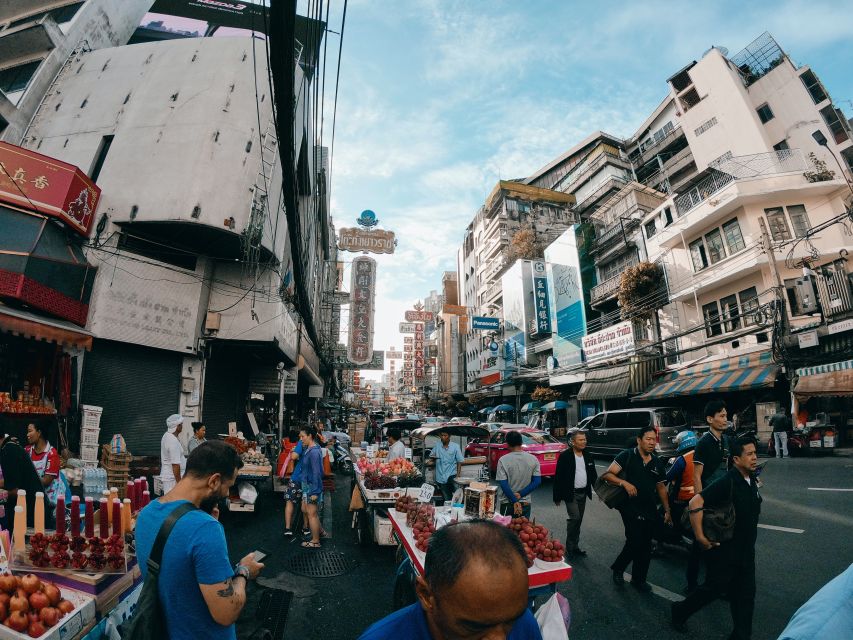
At $64 per person for a 2-hour walking tour, you’re paying for a few things that are hard to replicate on your own: a local guide who knows what’s worth ordering, smoother navigation through food areas, and a planned route framework around standout stalls.
But here’s the key detail: food tasting expenses are not included. That matters for value. If you expect the price to be an all-in foodie buffet, you’ll feel surprised. If you go in prepared to spend extra on what you actually want to eat, the tour becomes much better value because you’re matching choices to your appetite rather than forcing yourself through fixed portions.
One guest reported spending about $25 CAD while tasting a lot, which suggests it’s possible to keep costs reasonable if you’re smart about what you order. Your total will still depend on how many snacks you want, whether you add drinks, and how adventurous you feel.
My advice for value: treat the $64 as the cost of getting your “food map” from someone who’s walked these streets for years. Then budget separately for the eating part.
Small Group Size and Night-Market Reality Checks
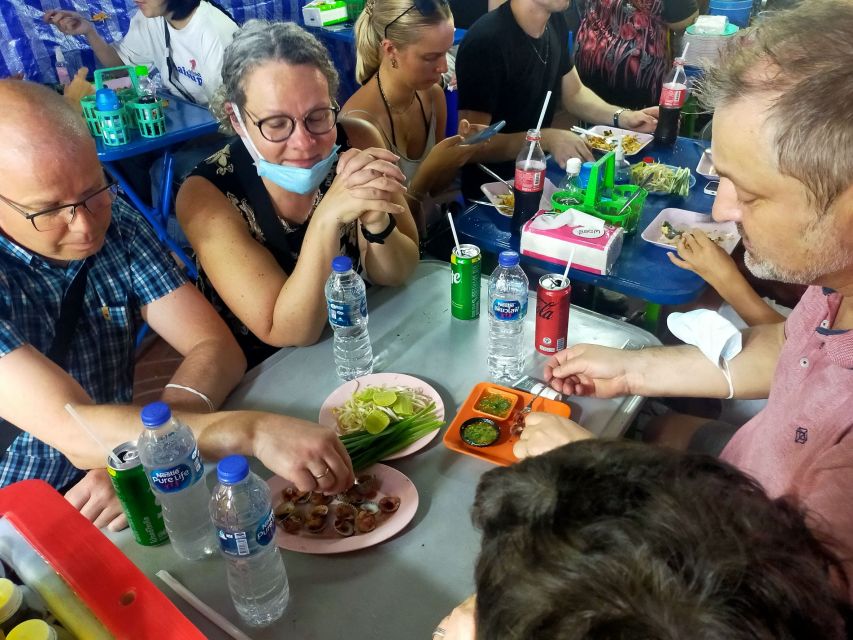
This tour runs as a small group with a limit of 9 participants. That size is big enough to have a fun group energy, but small enough that you’re not trapped behind a giant cluster. In Chinatown, that matters because ordering and moving can get crowded fast.
Safety and pacing also improve with a small group. Multiple guests praised guides for keeping people safe while walking through busy areas, and for balancing tasting with time to ask questions. One review even noted a guide negotiating a taxi to help someone reach a destination afterward, which tells me the guides are thinking beyond just the walk.
Night markets can also be a sensory workout. Plan for time on your feet, lights, and food heat. If you’re easily overwhelmed by crowds or have any respiratory or heart-related concerns, note that this experience lists it as not suitable for people with those conditions.
What to Bring for a 2-Hour Yaowarat Walk
The checklist here is practical, and I’m glad it’s specific. Bring:
- Comfortable shoes (you’ll be standing and walking on uneven pavement and around stall setups)
- Cash (street food decisions can be quick)
- Umbrella and hat for sudden weather changes or sun
- Insect repellent, sunscreen, camera
- Optional but useful: scarf or sarong (handy in temple-adjacent areas)
Also, keep your expectations simple. You’re not shopping for souvenirs in an air-conditioned mall. You’re stepping into a real food neighborhood, which means you should dress for comfort and be ready to move.
Who Should Book This Bangkok Chinatown Food Walk
Book it if you want a first-timer-friendly way to taste Yaowarat without guessing. This is ideal for:
- Food lovers who want guidance on what to order
- Visitors who don’t want a rigid schedule and prefer to pick based on craving
- People who like learning culture through food, not through lectures
It’s also a good choice if you’re traveling with limited time. Two hours can sound short, but the tour’s focus is the essentials: a guided route, a handful of meaningful stops, and enough flexibility to eat without rushing.
Skip it if you need wheelchair access or have mobility issues. The tour states it is not wheelchair accessible, and it lists it as not suitable for pregnant women and people with certain medical concerns.
Should You Book It?
If you want a guided food route through Yaowarat that balances famous stops with flexibility, I’d say yes—especially for your first visit to Bangkok Chinatown. The biggest reason is the combination of specific stall choices (like Guay Jub Ouan Pochana and Pa Tong Go Savoey) with a walk style that doesn’t lock you into an unchangeable plan.
Just don’t treat $64 as a food package. Plan to spend extra on what you taste, bring cash, and wear shoes that can handle night-market walking. If you do those three things, you’ll likely leave with both full hands and a clearer idea of how this neighborhood eats.
FAQ
Where do I meet for the tour?
Meet outside exit number 3 of Wat Mangkon MRT station. The guide will be holding a TripGuru sign, and you should arrive about 10 minutes before pickup time.
How long is the tour, and what is the group size?
The tour lasts 2 hours and is a small group limited to 9 participants.
What’s included in the tour price?
Included are an English- and Thai-speaking tour guide, a walking tour, insurance, and carbon emissions offset credits.
Are food tasting expenses included?
No. All food tasting expenses are not included in the tour price.
What should I bring?
Bring comfortable shoes and cash, plus items like sunglasses, hat, umbrella, camera, sunscreen, insect repellent, and a scarf or sarong.
Is this tour wheelchair accessible?
No. This tour is not suitable for wheelchair access, and it’s also listed as not suitable for people with mobility impairments, among other health-related conditions.