REVIEW · BANGKOK
Bangkok: Chinatown by Night Walking Tour
Book on GetYourGuide →Operated by Vox City Walks · Bookable on GetYourGuide
Neon lights guide your feet. This Bangkok Chinatown by Night walking tour uses a local expert to connect the street scene to real trade, temple, and shopfront stories. I like that you get both street-food snacking moments and a practical night route you can keep using later.
You also end up seeing more than the obvious stretch—think Chinatown Gate vibes, old-school businesses, and small side alleys that feel less like a postcard. One thing to consider: food and drinks are not included, and you’ll need to bring headphones for the app routes.
In This Review
- Key Highlights You’ll Actually Feel
- Why a Night Chinatown Walk Makes Sense
- Meeting Point at Hua Lamphong: Start Without Stress
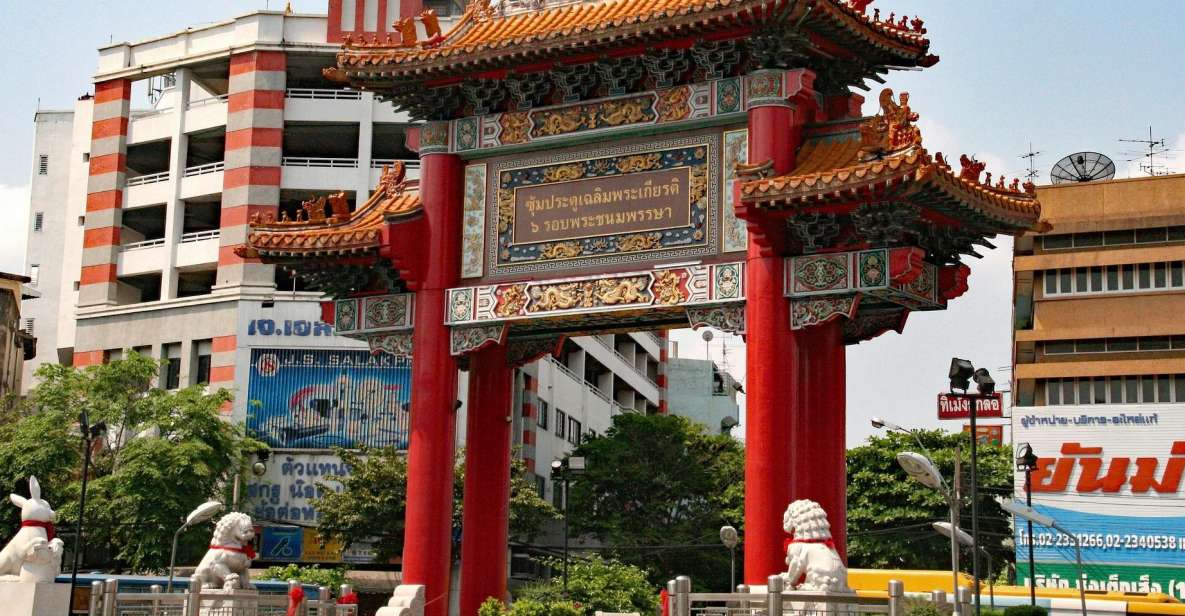
- Your Route Starts at the Chinatown Gate
- Siam Bird’s Nest Area: Specialty Ingredients and Street-Level Culture
- Chin Seng Cheang Limited Partnership: Business History in Plain Sight
- Yaowarat Toasted Buns: The Snack Stop That Changes Your Night
- Chin Hua Heng Gold Shop: Seeing Why Gold Matters Here
- Berlin Pharmaceutical Museum: A Surprising Stop You’ll Remember
- Wat Mangkon Kamalawat: Sacred Space in the Middle of Commerce
- Charoen Krung Road and Plaeng Nam Road: Big Streets, Big Energy
- Nam Sing Bird’s Nest–Shark Fin: Specialty Trade You’ll Spot Instantly
- The Mustang Blu and Nana Tai Alley: Nightlife Texture and Side-Street Life
- Tang Toh Kang 陳焯剛: The Human Name Behind the Shopfront
- Street Food on This Tour: What You Should Plan For
- The Vox City App Add-On: Keep Exploring After 90 Minutes
- Guides: English Storytelling That Makes the Neighborhood Stick
- Price and Value: Why $18 Can Work for You
- Who This Tour Fits Best
- Should You Book This Bangkok Chinatown Night Walk?
- FAQ
- How long is the Bangkok Chinatown by Night walking tour?
- What’s the starting point?
- Is the tour guide available in English?
- How much does the tour cost?
- Are headphones included?
- Is food and drinks included?
- Can I use the app for additional self-guided walking routes?
- Do I need to download an app before I go?
- Are attraction entrance fees included?
- Is there free cancellation?
- Is there a pay-later option?
Key Highlights You’ll Actually Feel
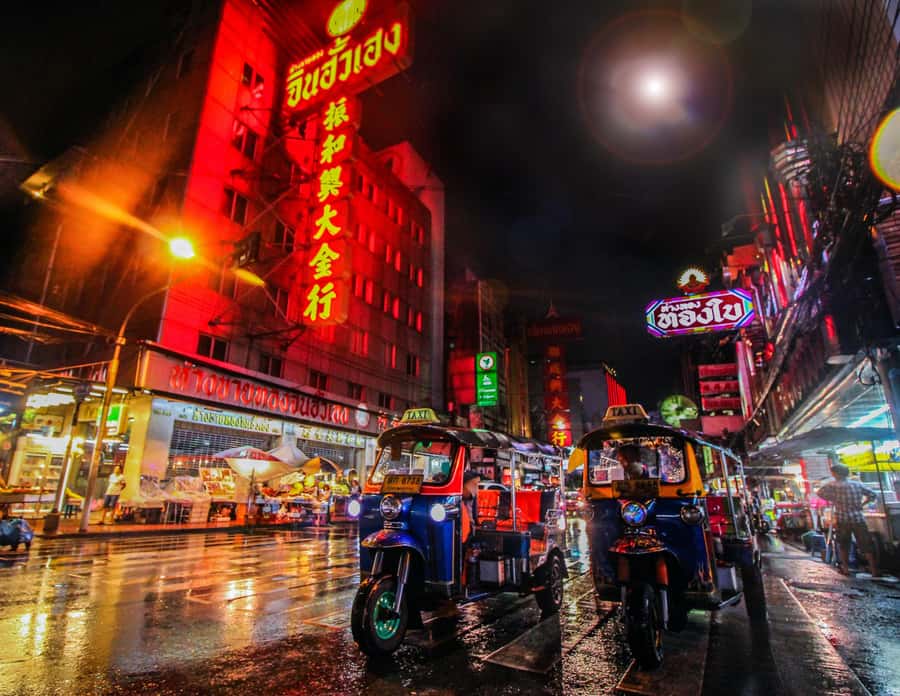
- Hua Lamphong MRT meetup (outside main exit number 1) makes the start easy to find
- Chinatown Gate to Yaowarat snack stops gives you an efficient first look at the area at night
- Trade-focused stops (gold, bird’s nest, shark fin-related shops) explain why the neighborhood looks the way it does
- Temple + market streets mix sacred space and commercial street life in one walk
- Vox City App adds three self-guided walking tours so your night doesn’t end when the guide does
Why a Night Chinatown Walk Makes Sense
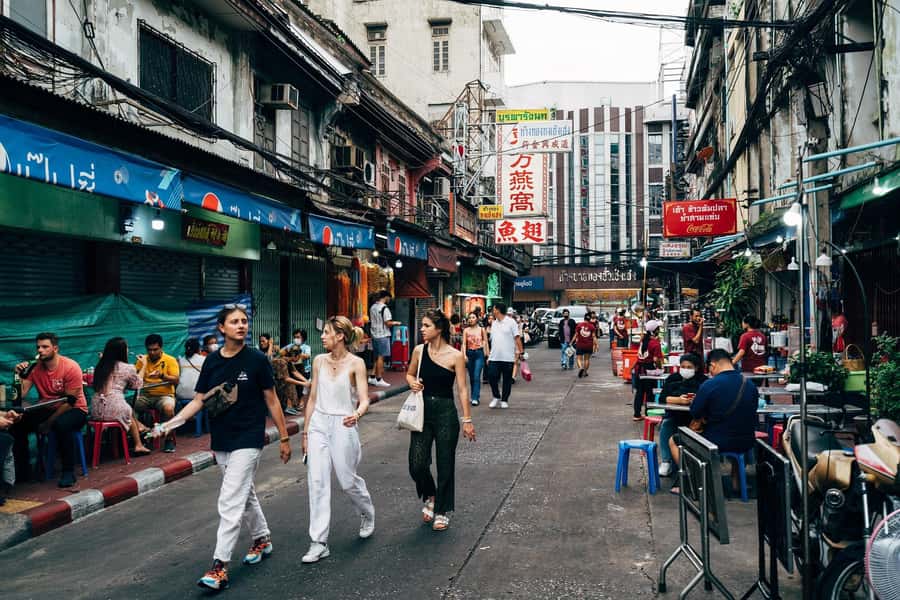
Bangkok’s Chinatown changes after dark. You still see the same lanes and shopfronts, but the mood shifts: more scooters, more noise, more aromas, and more people stopping to eat. That’s exactly when a guide helps, because the place can feel chaotic if you’re wandering cold.
I like that this tour is built around the idea of learning while walking. You’re not stuck in one spot listening. You move past landmarks like the Chinatown Gate and then on to businesses tied to the area’s trade routes—gold and specialty food ingredients are part of the story, not just decoration.
The second thing I like is the “you’re not trapped” factor. After the 90 minutes, you can keep exploring using the Vox City App, with suggested routes and audio through headphones.
One more practical note: because food and drinks are not included, this is best if you enjoy trying a few bites at your own pace instead of expecting a full meal handed to you.
You can also read our reviews of more tours and experiences in Bangkok.

Meeting Point at Hua Lamphong: Start Without Stress
The tour begins at Hua Lamphong. Your local expert waits outside the main exit number 1 of MRT Hua Lamphong.
This is a good setup for most visitors. You get dropped into an easy-to-navigate transit hub instead of needing a complicated street-level rendezvous. If you’re arriving from elsewhere in Bangkok, you also get a simple mental anchor: get to MRT Hua Lamphong, then head to exit 1.
Language is English, and the guide is live on the walk. That matters at night, when street signs and menus can be overwhelming.
Your Route Starts at the Chinatown Gate
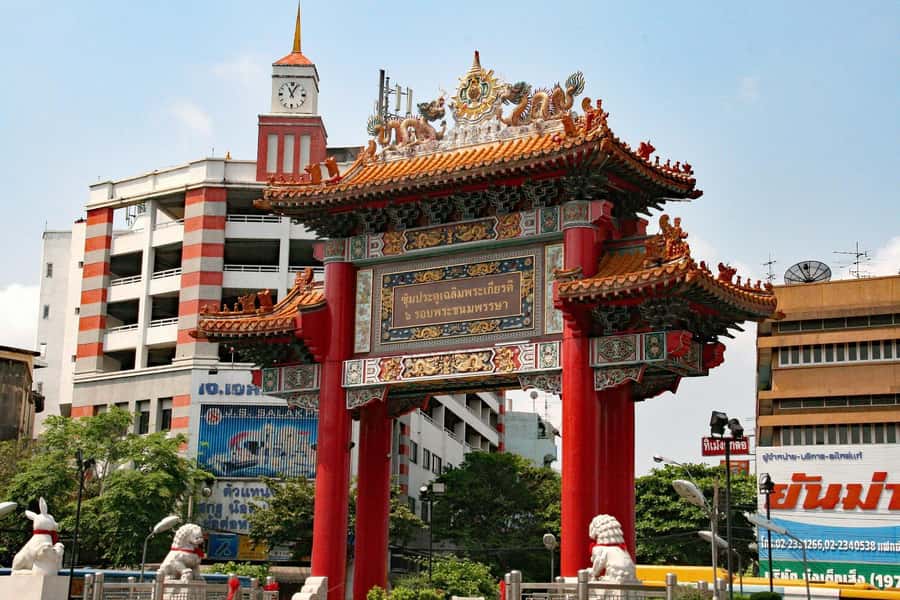
You’ll walk from the Hua Lamphong area into Chinatown and hit the Chinatown Gate early. This works well because it gives you a clear visual “checkpoint” right away. Once you’ve seen the gate, you’re oriented enough to enjoy the small details you’d otherwise miss.
Expect the guide to connect what you see with how the neighborhood developed—especially the commercial side. Chinatown is not just one style of street. It’s trade, migration, family businesses, and changing tastes stacked over time.
If you’re the kind of person who likes to understand why a place is famous (instead of only knowing what it looks like), this stop is a strong start.
Siam Bird’s Nest Area: Specialty Ingredients and Street-Level Culture
Next on the route is สยามรังนกทะเลใต้. The name itself points toward the area’s specialty food ingredients, and that’s the point. Your guide’s job here is to explain what those businesses represent and how they fit into Chinatown’s food culture.
This part is useful even if you don’t plan to buy anything. You get to see storefront language and get a sense of what people come here for. It also helps you read the street later on your own—once you know what you’re looking at, menus make more sense.
It’s also a nice reminder that Chinatown shopping isn’t only souvenirs. Some streets are supply chains for local tastes.
Chin Seng Cheang Limited Partnership: Business History in Plain Sight
You’ll pass Chin Seng Cheang Limited Partnership. Stops like this are where a walking tour can go from sightseeing to real understanding.
What to watch for: the shopfront style and how signage and business identity show up in everyday life. Your guide’s storytelling is what turns these into more than just names on buildings.
This is also a good moment to slow down a bit. Chinatown streets can move fast. If you’re trying to take photos, keep one hand on your personal space and let the guide handle the crossing rhythm.



Yaowarat Toasted Buns: The Snack Stop That Changes Your Night
Then comes Yaowarat Toasted Buns. This is the kind of stop that makes the tour feel worth it quickly, because food at street level is instant context.
Your guide will offer cultural insights and explain dishes you might try. Since food and drinks are not included, think of this as permission to sample a few things—snack size, not a full meal plan.
I like that the route includes food early enough that you’re not hungry and impatient by the time you reach the sights farther in.
Practical tip: if you’re sensitive to spicy flavors, ask what you’re about to try. The tour format is built to support choices, not force one-size-fits-all eating.
Chin Hua Heng Gold Shop: Seeing Why Gold Matters Here
You’ll also see Chin Hua Heng Gold Shop. Gold in Chinatown isn’t just a luxury product. It’s part of the neighborhood’s historic trade identity.
This is where you’ll likely hear explanations tying the area’s commercial past to the present-day street scene. Even if you don’t buy anything, the gold shop stop helps you understand why certain storefronts and trade-focused businesses cluster here.
And at night, bright storefront lighting makes these businesses easy to spot. It helps you build an internal map: this is where the trade story is visible.
Berlin Pharmaceutical Museum: A Surprising Stop You’ll Remember
One of the more memorable stops is Berlin Pharmaceutical Museum. Even if museums are not your thing, this is valuable because it broadens the Chinatown story beyond food and temples.
It’s also a good reminder that Chinatown doesn’t only live in the past. Business histories and identity can show up in unexpected buildings and collections.
Since entry to attractions is not included, you’ll likely experience this stop as a guided exterior/point-of-interest moment as you pass it along the walk. That’s still useful because you get the why behind the where.
Wat Mangkon Kamalawat: Sacred Space in the Middle of Commerce
Next you’ll reach Wat Mangkon Kamalawat. The switch from trade streets to temple space is one of Chinatown’s biggest visual contrasts.
This stop helps you understand why the neighborhood looks the way it does. Temples anchor community life, and shops grow around that flow of people—day and night.
If you’re taking photos, be respectful and don’t block foot traffic. At night, this area can be crowded, and the guide will usually help you time your quick picture moments.
Charoen Krung Road and Plaeng Nam Road: Big Streets, Big Energy
You’ll then move along major roads like Charoen Krung Road and Plaeng Nam Road. These stretches matter because they show Chinatown’s interface with the broader city.
On a walking tour, wide streets can feel like “just another road” unless someone gives you a way to read it. The guide’s storytelling helps you see the street as a connection point—where goods, workers, and shoppers flow.
Night walking on roads like this is also practical: the lighting and movement make it easier to orient. If you plan to return later, these are the streets that you’ll want to recognize on sight.
Nam Sing Bird’s Nest–Shark Fin: Specialty Trade You’ll Spot Instantly
Another specialty-related stop is Nam Sing Bird’s Nest–Shark Fin. This is similar in theme to the earlier bird’s nest area, but the guide can connect the dots between what’s sold, what it means culturally, and how these businesses fit into Chinatown’s reputation.
Even if you’re not planning to try everything, it helps to know what the signage is pointing to. Many first-time visitors walk right past these storefronts without understanding the context.
This stop also makes the tour feel like more than a food crawl. You’re learning how the local economy shapes the neighborhood’s look and flow.
The Mustang Blu and Nana Tai Alley: Nightlife Texture and Side-Street Life
As you move through The Mustang Blu and later Nana Tai Alley, the experience shifts again. You’ll start to feel the neighborhood’s blend of old and new.
Alley sections matter because they slow you down. The sidewalks here are where you see daily life up close—more small shops, more intimate storefronts, and often more interesting lighting angles for photos.
This part is also where you’ll benefit from a guide’s judgment about which lanes to take and how to keep moving safely at night.
Tang Toh Kang 陳焯剛: The Human Name Behind the Shopfront
You’ll finish the guided portion near Tang Toh Kang 陳焯剛 before heading back toward Hua Lamphong.
Stops like this are more than a last photo opportunity. Seeing a person’s name connected to a business highlights how Chinatown often runs on families, partnerships, and long-term ties instead of only one-off tourist storefronts.
It’s the kind of detail that makes Chinatown feel real. Not like a theme park. Like a neighborhood people build and live in.
Street Food on This Tour: What You Should Plan For
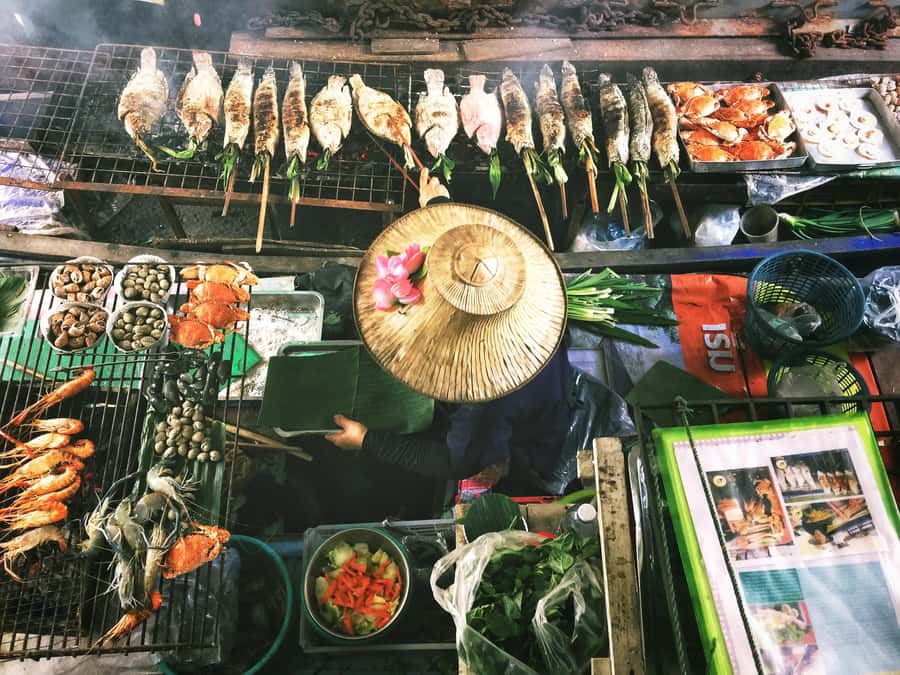
Food is a major part of the experience. Your guide will taste and explain popular Thai street food and discuss the dishes as you pass stalls and eateries.
But food and drinks are listed as not included. So you should plan to pay for what you choose to eat. Think of it like a guided tasting path: you’re not required to eat everything, and you’re choosing based on what sounds good as you walk.
This approach is actually a win for most people. You get ideas and explanations, then you can decide what’s worth repeating later.
The Vox City App Add-On: Keep Exploring After 90 Minutes
The tour includes three self-guided walking tours in the Vox City App. You’ll use the app by downloading it, then scanning a QR code from your voucher to pull up maps in your preferred language.
The key advantage here is flexibility. The guided part gives you a night orientation. The app routes let you return to what you liked at a slower pace.
To use the app well, you need a mobile device and headphones. Headphones aren’t included, so plan for that before you meet your guide—nothing kills a good night like realizing you’re stuck on the sidewalk with no audio.
Guides: English Storytelling That Makes the Neighborhood Stick
The biggest strength of this tour is the guide style. In the guide examples tied to this experience, you’ll see a consistent pattern: clear explanations, cultural context, and a willingness to help with practical moments.
Names you might see include Nam, Fern, Dan, Mam, Por, Pol, Geng, Sammy, Fem, Bass, and Lek. The common thread is that the guide doesn’t just point. They explain, they keep the pace friendly, and they often steer you toward good spots to eat again later.
Some guides also help with things like photos and even transportation app setup for first-time visitors. If you’re landing in Bangkok and want someone to reduce the guesswork, that’s a strong value.
Price and Value: Why $18 Can Work for You
At $18 per person for a 90-minute guided walk plus app-based self-guided routes, this is priced for people who want a smart first-night plan without spending big.
You’re paying mainly for three things:
- an English-speaking local guide
- guided route direction through Chinatown at night
- the Vox City App self-guided follow-up
If you’re the type who tends to wander, miss key storefronts, or feel overwhelmed by menus, the guide portion can save you time. Time in Bangkok is valuable. Your feet will do the work either way, so having a route and explanations matters.
If you already know Chinatown well and mostly want food, you might feel the value is lower since food and drinks aren’t included. In that case, consider using the app after for free roaming. But as an orientation tool, the price is hard to beat.
Who This Tour Fits Best
This is a great fit if:
- you’re visiting Chinatown for the first time and want context fast
- you like learning while you walk, especially about trade and food culture
- you want a plan for your night that doesn’t end at one stop
- you enjoy street food but want guidance on what each dish means
It may not fit as well if:
- you want a full meal included (food is not included)
- you hate walking at night or don’t want a guided pace
- you’re not willing to use a mobile phone and headphones for the app
Should You Book This Bangkok Chinatown Night Walk?
If you want an efficient way to get oriented in Chinatown after dark, I’d book it. The $18 price is reasonable for an English live guide, and the Vox City App add-on helps you keep exploring without starting from zero.
Do it especially if you’re curious about why specific storefront types cluster here—gold trade, specialty bird’s nest themes, and temple-and-commerce contrasts. Just come prepared to choose your own food/snacks along the way and bring headphones so you can use the routes after the walk.
FAQ
How long is the Bangkok Chinatown by Night walking tour?
The tour lasts about 90 minutes.
What’s the starting point?
The meeting point is outside the main exit number 1 of MRT Hua Lamphong.
Is the tour guide available in English?
Yes, the live tour guide speaks English.
How much does the tour cost?
The price is $18 per person.
Are headphones included?
No. Headphones are not included.
Is food and drinks included?
No. Food and drinks are not included.
Can I use the app for additional self-guided walking routes?
Yes. The Chinatown by Night pass includes three self-guided walking tours in the Vox City App.
Do I need to download an app before I go?
Yes. Download the Vox City App, then scan the QR code on your voucher to load the map.
Are attraction entrance fees included?
No. Entry to attractions is not included.
Is there free cancellation?
Yes. You can cancel up to 24 hours in advance for a full refund.
Is there a pay-later option?
Yes. You can reserve now and pay later.