REVIEW · AO NANG
Krabi: Authentic Thai Cooking Class+Thai Herbs Garden Tour
Book on GetYourGuide →Operated by Authentic Thai Cooking School · Bookable on GetYourGuide
Thai herbs and curry paste in Krabi. You start with hotel pickup, then head to an organic kitchen garden where your guide (people like Gretai or New) helps you spot the plants that shape classic Thai flavors, before you cook. You’ll also get hands-on time making curry paste yourself, not just watching.
I love that this is truly hands-on cooking, with prep and woks time for everyone, and I love how flexible it can be with dietary needs. Gluten-free and other adjustments are specifically mentioned by guests, and the kitchen stays clean and organized. A possible drawback: you’ll spend time outdoors (gardens, and sometimes a market), so bring breathable clothes and be ready for heat.
In This Review
- Key Highlights You’ll Feel Fast
- Organic Garden to Your Cutting Board: What This Class Really Is
- Hotel Pickup and the Quick Run to the School
- The Organic Kitchen Garden: Where Flavor Starts
- Sometimes a Market Tour: Real Ingredients, Not Just Souvenirs
- Hands-On Cooking: Making Curry Paste (The Main Event)
- Traditional Family-Style Eating: What You Cook Is What You Taste
- Dietary Needs: Vegan, Vegetarian, Gluten-Free, and Allergy Support
- Meet the Guides: Humor, Clarity, and Real Care
- Price and Value: Why $37 Feels Fair
- What to Bring and How to Prepare for a Smooth Afternoon
- Should You Book This Thai Cooking Class in Krabi?
- FAQ
- What’s included in the class?
- Do they pick you up from your hotel?
- Will I learn how to make curry paste?
- Are vegan, vegetarian, and food allergy needs accommodated?
- Is there a gluten-free option?
- Is alcohol included?
- Do I get recipes after the class?
- What should I bring?
- Can I cancel if my plans change?
Key Highlights You’ll Feel Fast
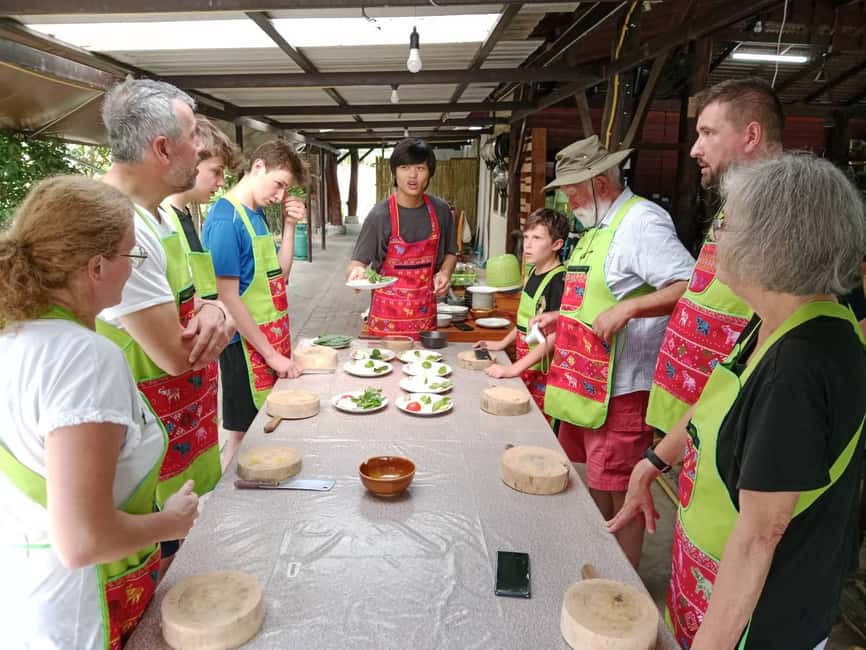
- Pick herbs and greens from an organic kitchen garden to use in your meal
- Make curry paste by yourself, the skill that makes Thai food taste Thai
- Family-style cooking and eating with a traditional, no-fuss flow
- Diet-friendly approach, including gluten-free and vegan/vegetarian options
- Funny, attentive instructors like Gretai, New, and Annie are frequently praised
Organic Garden to Your Cutting Board: What This Class Really Is
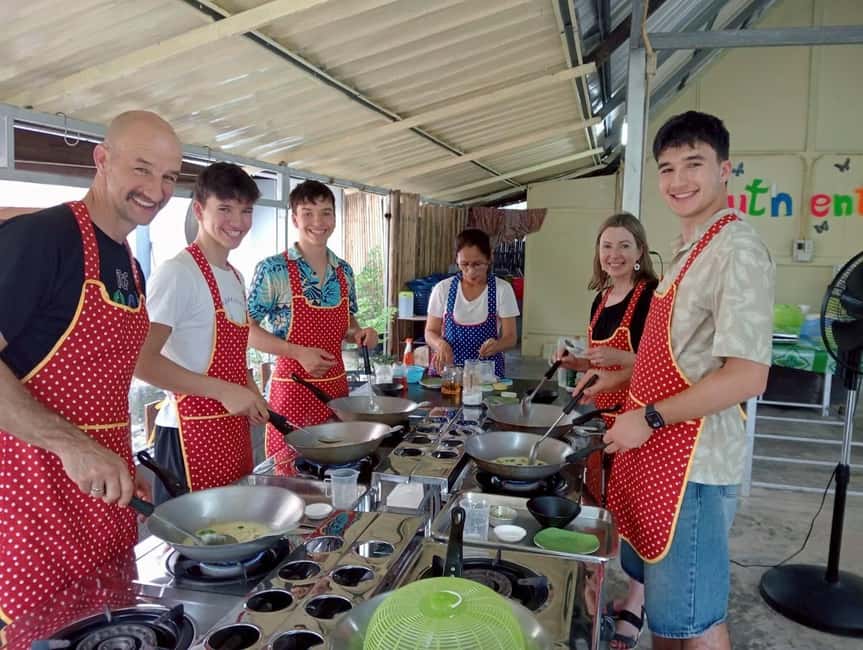
This cooking class is built around one simple idea: Thai flavor comes from ingredients that are fresh, alive, and handled the right way. In practice, that means you do more than cook Thai food. You learn why things smell the way they do, and how herbs and aromatics show up in real dishes.
From the start, it’s structured to keep you active. Hotel pickup brings you to the school, where you’ll see the greens and herbs grown in their organic kitchen garden. Then you’ll bring those ingredients into your meal. The result is a workshop feel, not a performance.
For me, the strongest part is that you leave with a technique, not just a recipe. Curry paste is the big one. Guests repeatedly point out that the class makes it doable even if you’ve never cooked before, and once you’ve tasted your own paste in a curry, the rest clicks.
You can also read our reviews of more tours and experiences in Ao Nang.



Hotel Pickup and the Quick Run to the School
You’re picked up from your hotel and driven to the cooking school. It’s included, along with the drop-off afterward, which matters in Krabi when you don’t want to spend half your afternoon figuring out transport.
Once you arrive, expect a calm, practical setup. You’ll be directed into an instructional rhythm: what you’re cooking, what you’re tasting, and what you should do with your hands. You’ll also have drinking water included, which sounds basic, but it helps when you’re working at a stove in warm weather.
If your class includes a market stop, you’ll likely start with a short tour and sampling of ingredients first. Some groups mention an option that adds a market tour before you get to the cookery school, which can make the afternoon feel fuller and more “local-to-you” right away.
The Organic Kitchen Garden: Where Flavor Starts
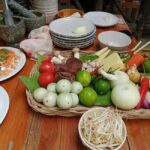
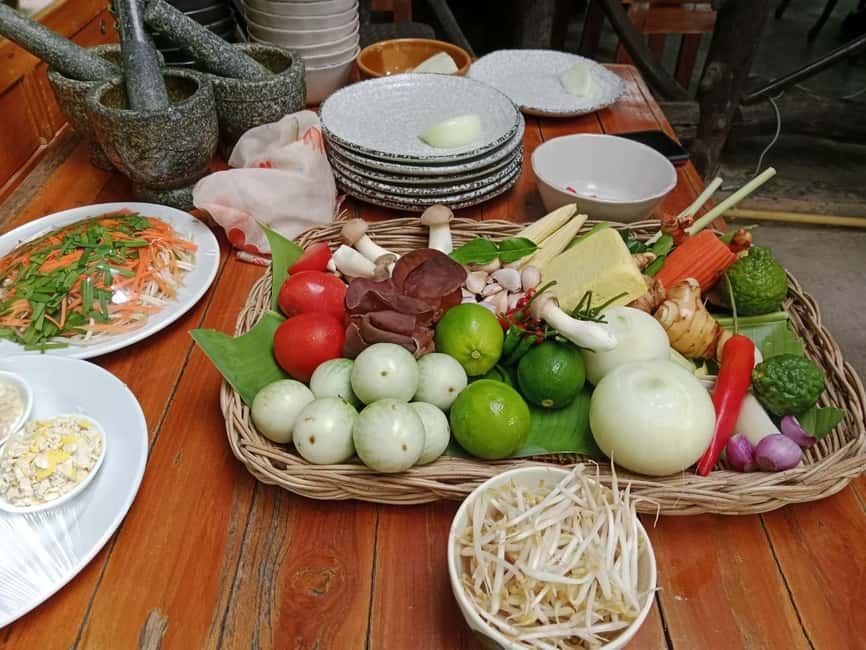
The garden visit is not a decoration stop. You’ll walk through the greens, herbs, and ingredients grown for kitchen use, then pick items to bring into your cooking.
This is a great moment if you like food texture and fragrance. Thai herbs aren’t interchangeable, and seeing them where they grow helps you understand why a dish tastes balanced instead of one-note. You’re also more likely to remember what you used, because you’ll have physically selected it.
Practical note: this part happens outdoors. Even when the class is mostly indoors, plan for sun, humidity, and the reality of standing around while you learn. Comfortable clothes are the only item you’re explicitly told to bring, and I agree. Wear something you can sweat in without worrying about it.
Sometimes a Market Tour: Real Ingredients, Not Just Souvenirs
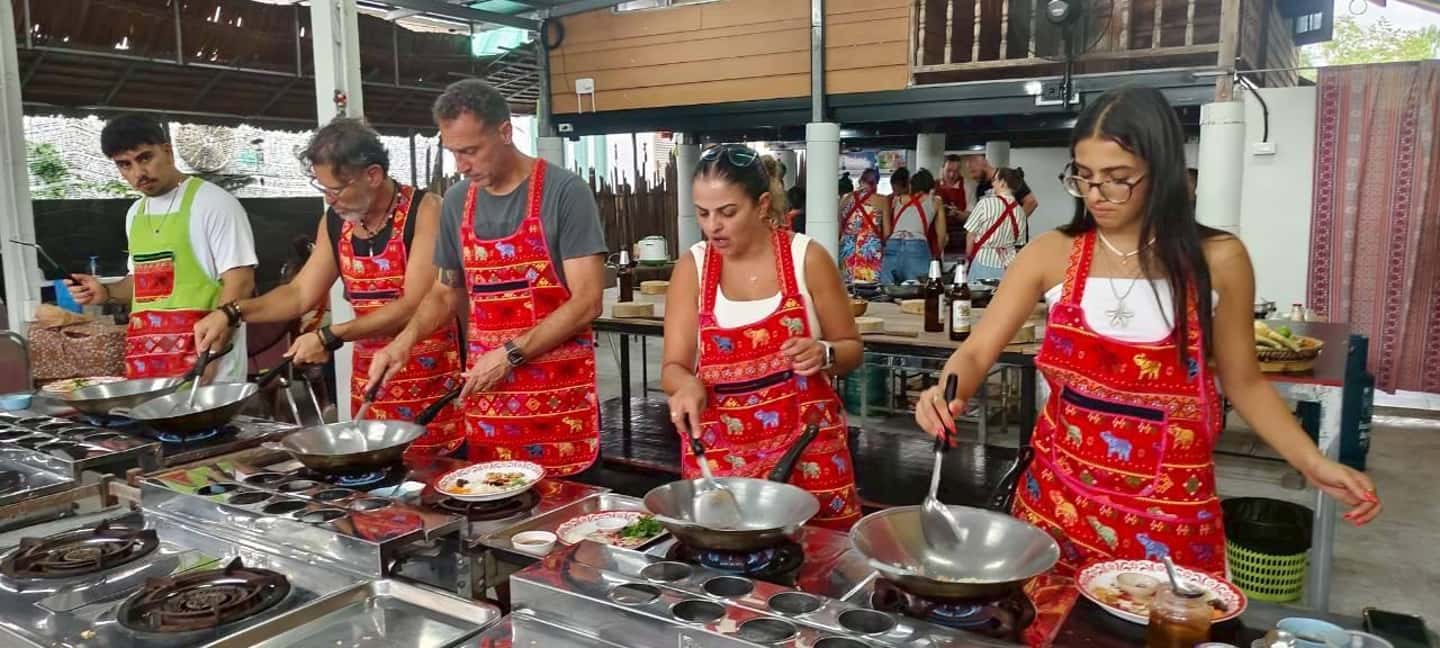
Many cooking classes in Krabi toss in a market visit, and this one is no stranger to it. Guests describe walking a wholesale or local market first, trying unusual fruits and vegetables, and getting help identifying what to buy for the dishes you’ll cook later.
If your schedule includes this market tour, it adds value in two ways:
- You learn what ingredients look like when they’re fresh, not just what they’re called on a menu.
- You get a sense of how Thai cooking thinks: herbs, spices, and aromatics as building blocks, not add-ons.
One guest even praises finding a less touristy market with strong ingredient knowledge from the guide. That’s the kind of detail you remember later when you’re ordering in Thailand and can finally spot what you’re tasting.
Hands-On Cooking: Making Curry Paste (The Main Event)
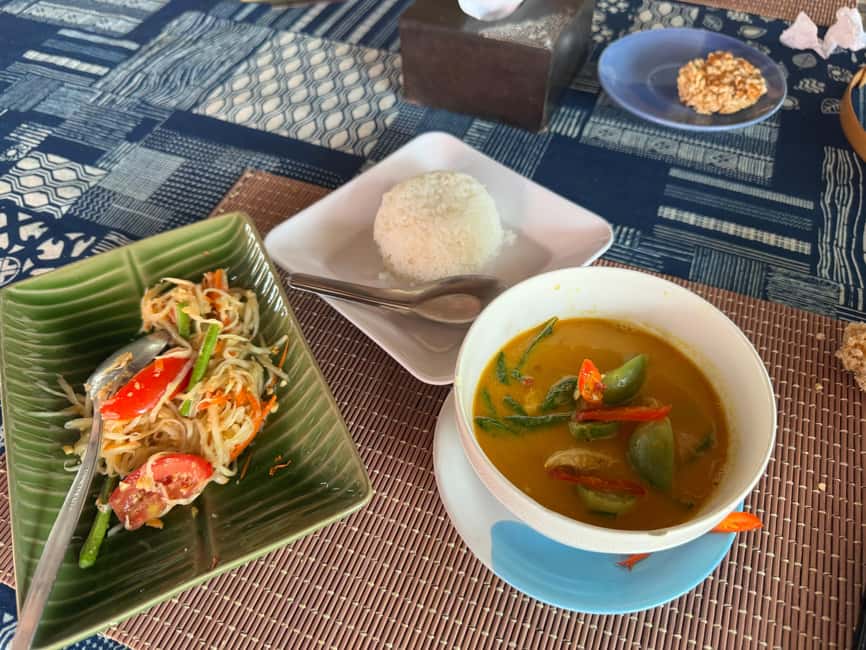
The most praised part is the hands-on cooking, especially making curry paste yourself. This is where the class earns its price.
Curry paste is the flavor engine for Thai curries, and making it changes your relationship to the dish. Instead of relying on a store-bought jar, you learn what gets crushed, what gets mixed, and how the aroma evolves as you work. It’s also easier than it sounds. Guides set the steps in a way that helps even first-timers.
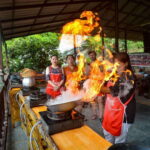
In the class flow, you’ll prep and cook your chosen dishes in woks with clear instruction. Guests describe an individually hands-on method where you get meaningful time doing the cooking yourself. That matters because a cooking class becomes just entertainment if you never touch anything.
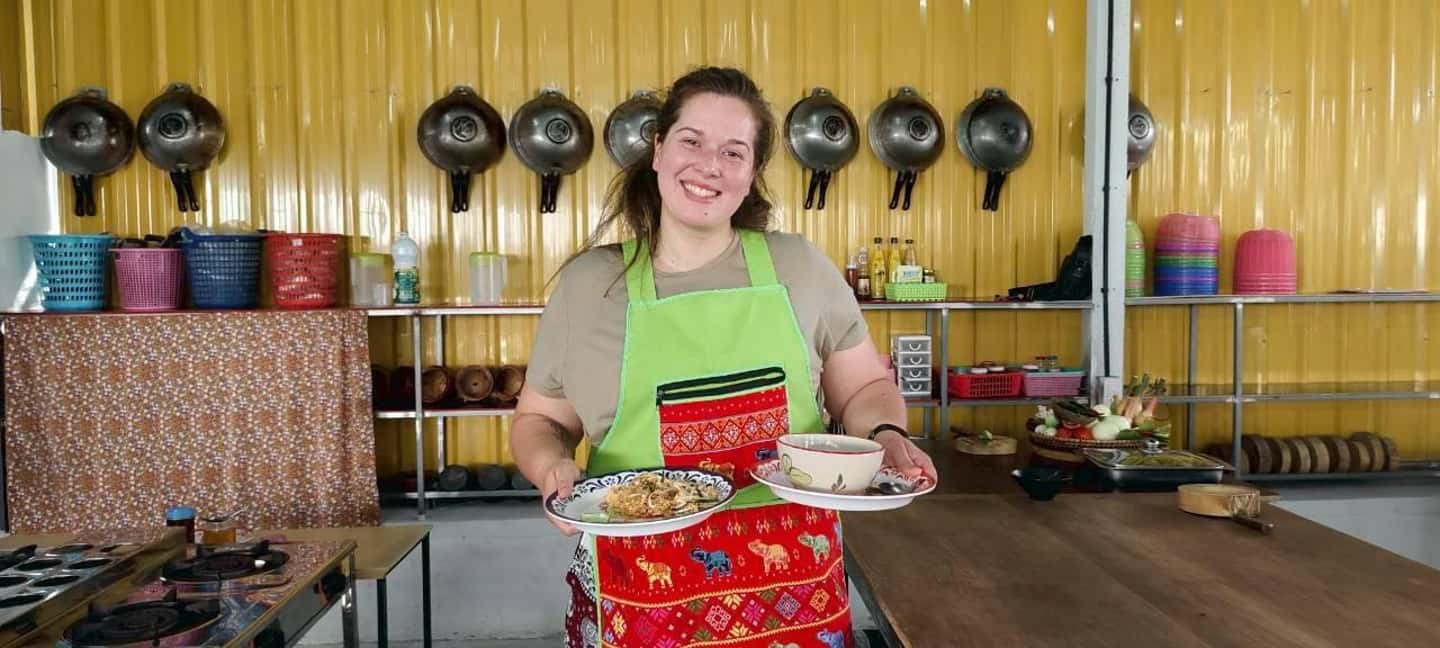
Expect a variety of courses. Many guests mention making multiple dishes across the afternoon and eating them as a group. Common examples in the menus described include:
- Panang curry paste (with curry dishes)
- Tom yum soup
- Fried rice
- Mango sticky rice
Your exact menu can vary, but the structure stays consistent: hands-on prep, then cooking, then eating what you made.






Traditional Family-Style Eating: What You Cook Is What You Taste
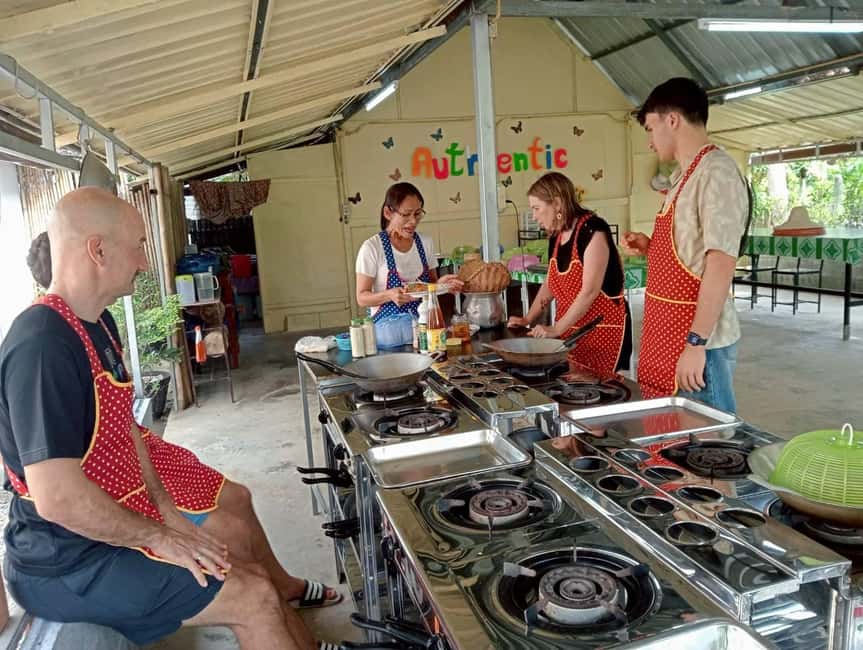
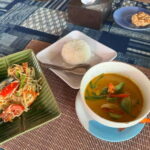
The meal part is traditional family-style, meaning you’re not just served a plate and sent on your way. You cook, you eat together, and the pacing encourages you to taste along the way.
This style is a big deal for learning. You can compare flavors across dishes and notice what happens when something is too sour, too salty, or not aromatic enough. If your guide is doing the usual Thai “taste and adjust” approach, you’ll likely get little pointers about balance.
Also, you’ll be eating a lot. One guest warns to come hungry, and that matches the general pattern of these multi-course classes. If you try to treat it like a quick snack stop, you’ll run out of appetite fast.
If you’re thinking about leftovers, know that taking some food away can be tricky to reheat at your hotel. It’s doable, but don’t plan on the leftovers being as perfect as the meal you eat on-site.
Dietary Needs: Vegan, Vegetarian, Gluten-Free, and Allergy Support
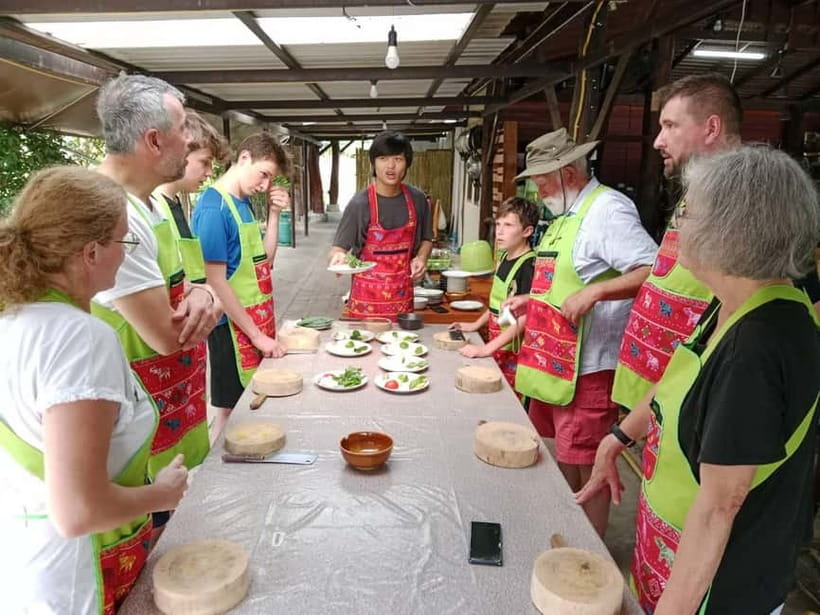
This is one of the most reassuring parts. The class explicitly welcomes vegans, vegetarians, and people with food allergies, and guests mention gluten-free options as well.
In a good cooking class, dietary needs aren’t an afterthought. Here, the kitchen seems set up to handle adjustments while keeping the core Thai techniques intact. That’s especially important for Thai cooking, where flavor is layered through herbs and spice balance, not just one ingredient swap.
If you have a serious allergy, tell the organizers clearly before you go. You’re not just ordering food; you’re cooking it. The better the prep, the safer and more satisfying your meal will be.
Meet the Guides: Humor, Clarity, and Real Care
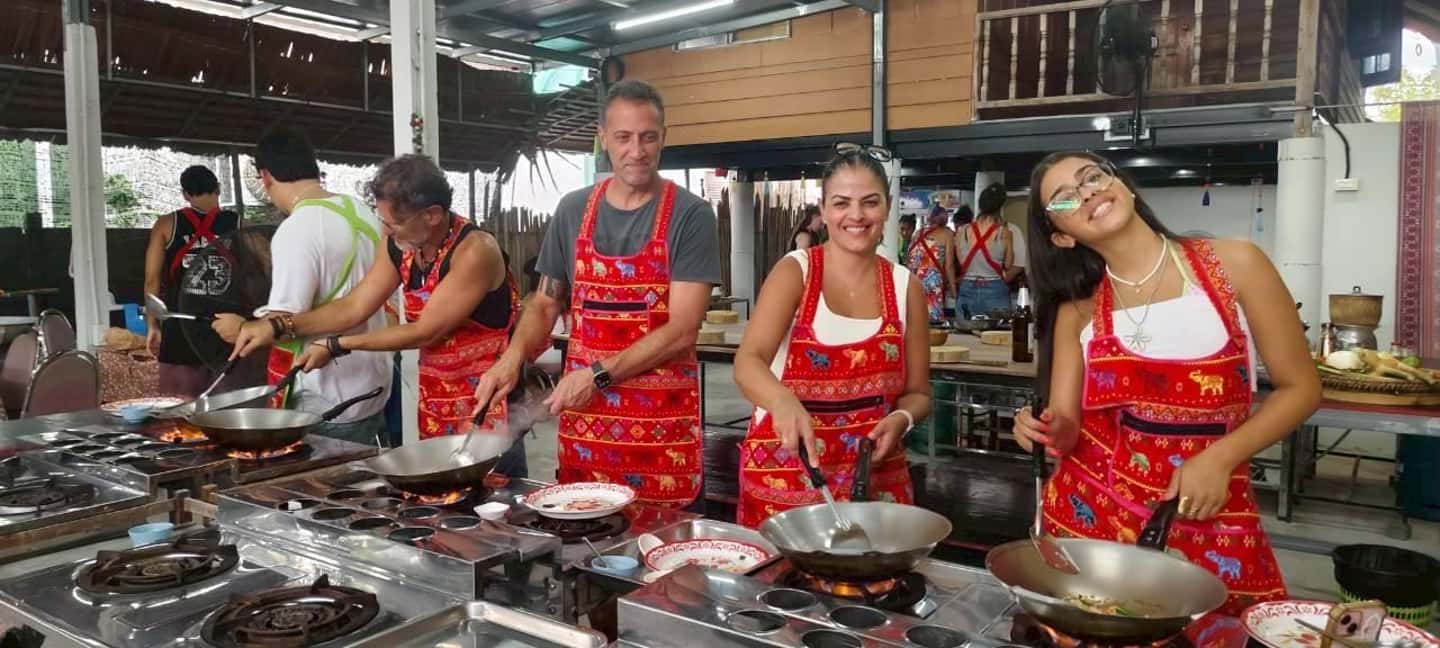
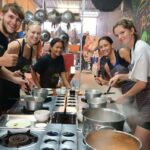
A lot of cooking classes have friendly staff. What you’re seeing here is friendliness with structure. Guests repeatedly mention guides who are funny, attentive, and personable, with English spoken clearly enough for real explanation.
Names that show up in guests’ experiences include Gretai, New, Annie, Nu, and others like Popi, Aleaf, Christi, and Kristy. The pattern across them is consistent: step-by-step instruction, room for questions, and a vibe that helps you stop worrying about doing it wrong.
One guest even describes a guide going out of their way during illness to make sure they were okay and safe. That’s not the normal thing you plan for, but it signals real care and responsibility.
Price and Value: Why $37 Feels Fair
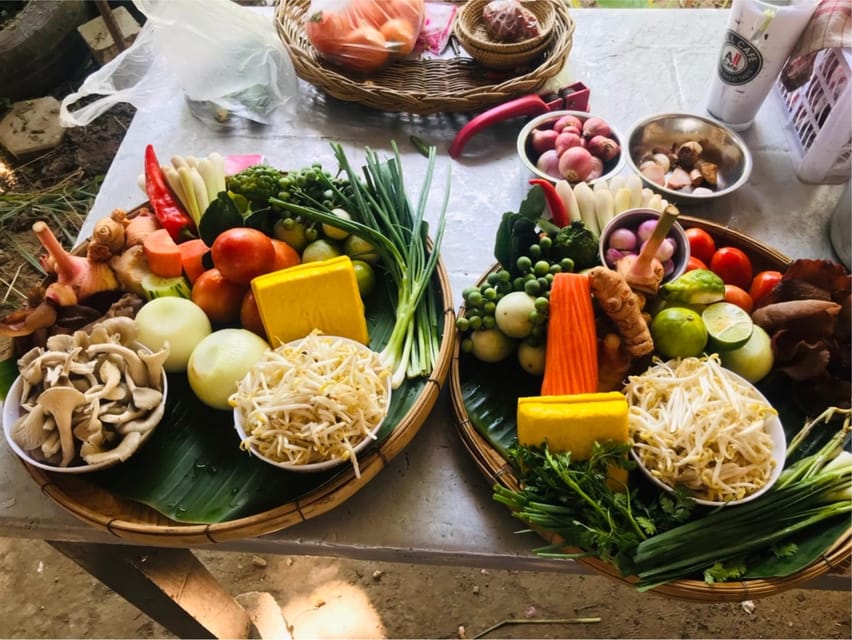
At $37 per person, you’re paying for more than a meal. You’re paying for:
- Hotel pickup and drop-off
- Ingredients for a multi-course Thai cooking session
- Cooking instruction and hands-on guidance
- A PDF recipe book you can use later
In Krabi, that combination is what makes the price feel reasonable. You’re not only eating; you’re learning techniques you can repeat at home. And because you’re cooking and eating multiple dishes, the cost per plate is far better than a normal restaurant meal, especially if you like the idea of learning beyond ordering.
Also, the outdoor garden time and optional market add meaningful context. If your class includes that market tour, you’re basically doing a mini ingredient education before you cook, which is hard to find as a separate experience for the same price.
What to Bring and How to Prepare for a Smooth Afternoon
You only need to bring comfortable clothes, but I’d add a few practical prep ideas based on how these sessions play out.
- Wear breathable clothing you can move in while chopping and cooking.
- Expect warm conditions during outdoor parts like the herb garden and sometimes the market.
- If you get hungry easily, start with a light breakfast or come ready to eat. Many guests say there’s a lot of food.
- If you need gluten-free or allergy-safe cooking, communicate your needs clearly so your dishes can be adjusted properly.
Alcohol isn’t included. Beer and alcohol are available for purchase, but the class itself is set up for cooking and eating, not drinking your way through learning.
Should You Book This Thai Cooking Class in Krabi?
Book it if you want a hands-on Thai food experience with ingredients you can actually name, smell, and pick. If you like practical learning—how curry paste is made, how dishes are built, and what Thai herbs do—you’ll get value quickly.
Skip it only if you strongly dislike outdoor walking in heat or you need a very quiet, low-interaction activity. The class is active by design. You’ll be cooking, tasting, and moving around the garden (and possibly a market), so it’s not built for a laid-back, sit-and-watch day.
Also, if you’re traveling with dietary needs, this is one of the better bets because it explicitly welcomes vegan, vegetarian, and allergy requests, with gluten-free options mentioned by guests. Just be sure to share your needs ahead of time.
FAQ
What’s included in the class?
Hotel pickup and drop-off, drinking water, all ingredients for cooking, a PDF recipe book, and the hands-on cooking class are included.
Do they pick you up from your hotel?
Yes. Hotel pickup and drop-off are included in the experience.
Will I learn how to make curry paste?
Yes. Guests highlight that you make curry paste yourself as part of the hands-on session.
Are vegan, vegetarian, and food allergy needs accommodated?
Yes. Vegans, vegetarians, and people with food allergies are welcome.
Is there a gluten-free option?
Gluten-free needs are mentioned as being accommodated by guests.
Is alcohol included?
No. Beer and alcohol are available for purchase, but they are not included.
Do I get recipes after the class?
Yes. You receive a PDF version recipe book online.
What should I bring?
Wear comfortable clothes.
Can I cancel if my plans change?
You can cancel up to 24 hours in advance for a full refund.