REVIEW · KRABI
Krabi 7 Islands Snorkeling & Plankton Night by Big Longtail Boat
Book on Viator →Operated by Oh-Hoo · Bookable on Viator
Seven islands, one longtail boat, one night miracle. This Krabi day-to-evening trip strings together multiple snorkeling stops, a classic Thai beach BBQ sunset, and then a chance to see bioluminescent plankton light up the dark water.
I really like two things here: first, the included dinner and snacks (fruit, Thai snacks, soft drinks, drinking water), so you’re not scrambling for food between swim breaks. Second, you’re given the snorkeling mask and life jacket, plus an English-speaking guide who helps you get in and out safely.
One thing to think about: this is weather- and condition-dependent, and the boat can be crowded. If seas are rough, you may lose some island time, and even the best plan turns into a shorter day.
In This Review
- Key Things That Make This Tour Different
- Price and What You Actually Get for $52.23
- Getting On the Boat: Transfers, Starting Time, and the Wet-Seat Factor
- Stop 1 to 7: What Each Island Brings (and the Risks to Watch)
- Ko Ya Wa Sam: Your First Snorkeling Test Run
- Chicken Island: The Classic Reef Stop
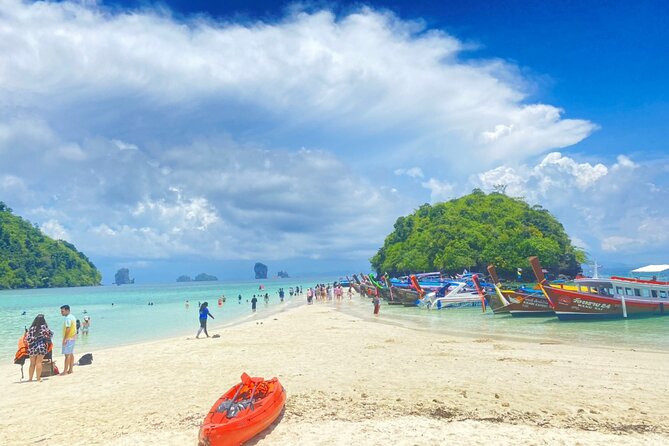
- Tup Island: Sandbank Spectacle at Low Tide
- Ko Mor / The Sand Bar Area: When Islands Feel Like One Place
- Ko Ma Tang Ming: Short Swim, Short Window
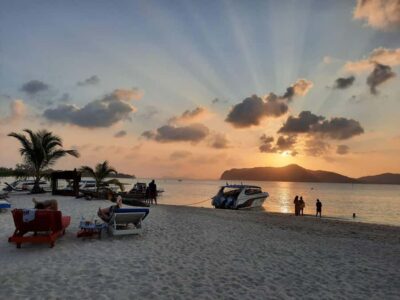
- Poda Island: Relax + Beach BBQ Sunset Time
- Ko Rang Beach: The Night Plankton Session
- Snorkeling Isn’t Always the Same: Currents, Sea Lice, and Reef Safety
- Dinner and Sunset at Poda: Solid Food, Real Timing
- The Plankton Glow: What You’ll See in Real Life
- The Boat Experience: Safety, Comfort, and Why Guides Matter
- Should You Book This Tour?
- FAQ
- FAQ
- What islands are included in the tour route?
- How long does the tour take?
- Where is the meeting point, and when does it start?
- Are round-trip transfers included?
- Is the national park fee included in the price?
- What snorkeling and safety gear do you get?
- Does the tour have an English speaking guide?
- How does the bioluminescent plankton part work?
- What food and drinks are included?
- Is there a vegetarian meal option?
- How many people are in the group?
- How old does a child need to be for a child ticket?
Key Things That Make This Tour Different
- Big longtail boat day + night: island hopping first, then plankton on the water after dark
- Dinner is built into the route: you eat while the group is on Poda Island for sunset
- Snorkel help is part of the deal: gear included, life jackets provided, and guides assist in the water
- Plankton expectations are real-world: think tiny flashes, not the huge blue photos
- Comfort varies by seat: if you sit at the front, you may get soaked from waves
Price and What You Actually Get for $52.23
At around $52.23 per person, this tour feels like a value play because the price covers a lot that usually costs extra. You get round-trip transfers from Krabi Town and Ao Nang, an English-speaking guide, accident insurance, snorkeling equipment, and a full evening meal with drinks/snacks. That matters in Krabi because a day on the water can quietly become expensive once you add boat access, gear rental, and food.
There are still add-ons. You’ll pay a national park fee at the entry point (200 THB per adult, 100 THB per child). If you stay in the Klong Muang or Tub Kaek area, there’s also an extra 100 THB per person transfer charge. Those costs are normal for marine-park travel, but I like knowing them up front so there are no surprises.
You can also read our reviews of more tours and experiences in Krabi.
Getting On the Boat: Transfers, Starting Time, and the Wet-Seat Factor
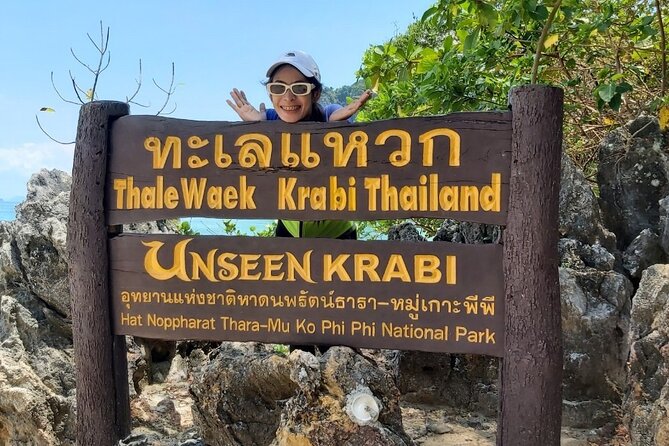
The tour starts at 12:00 pm, meeting at Nopparat Thara Pier in Ao Nang. If you’re in Ao Nang or Krabi Town, pickup is free, and you’ll be shuttled to the pier. If you’re staying at Centara Grand Beach Resort & Villas, you’ll likely use the hotel shuttle boat to get to the pier. If you’re on Railay or Tonsai, you go to Railay West Beach in front of Railay Village Resort.
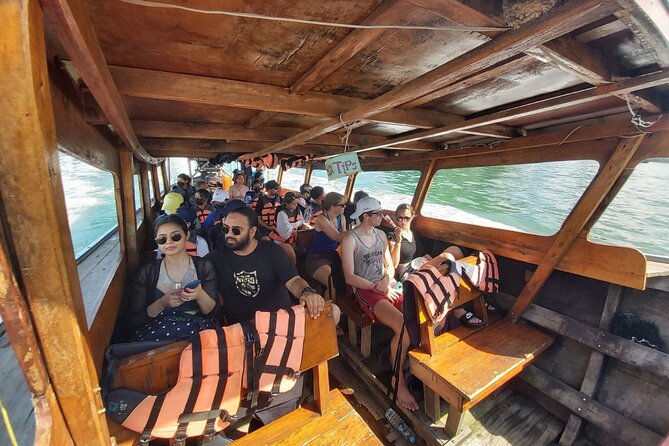
This is a group trip with a maximum of 30 people, but that doesn’t automatically mean it feels spacious. One common theme is that the boat can feel packed (think about 25–30 people). The longtail design is fun and scenic, but don’t expect a modern yacht ride. Also, plan for getting wet at least once: waves splash over the boat, and people sitting closer to the front have reported being soaked early in the day.
The boarding and leaving the boat involve climbing steps. If you’re not steady on your feet, bring extra patience and take your time. In good conditions, guides handle this with care; in rough conditions, it can get stressful fast.
Stop 1 to 7: What Each Island Brings (and the Risks to Watch)
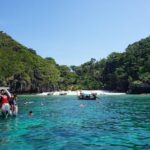
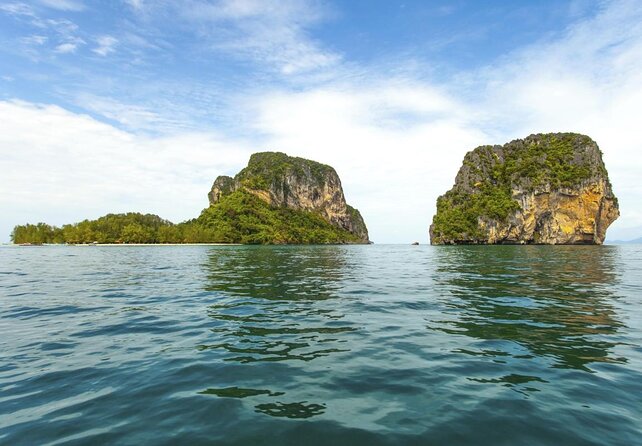
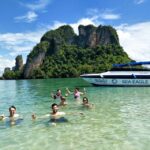
This trip is built around a sequence of seven named islands and sand areas, but nature is the boss. When wind and waves are up, snorkeling time can shrink and some stops may be skipped. Still, when conditions cooperate, here’s what you can expect stop by stop.
Ko Ya Wa Sam: Your First Snorkeling Test Run
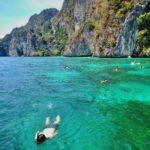
You start with about an hour here. This is your intro session: snorkel over corals and look for colorful marine life. The upside is that it’s a strong start to the day and you’re not waiting until late afternoon for your first swim. The drawback is visibility can be hit-or-miss depending on currents, and some days have conditions that reduce how much you’ll see.
Chicken Island: The Classic Reef Stop
Chicken Island gets lots of hype for a reason. You’re given around an hour to snorkel with an abundance of marine life in the reef area. It’s also a spot where you might find special moments like seeing schools of fish. If jellyfish are present, don’t panic—guides can help you understand which ones you should avoid. A practical tip: keep your eyes on the guide and don’t wander off to investigate on your own.


Tup Island: Sandbank Spectacle at Low Tide
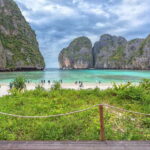
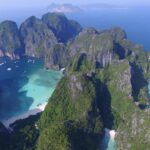
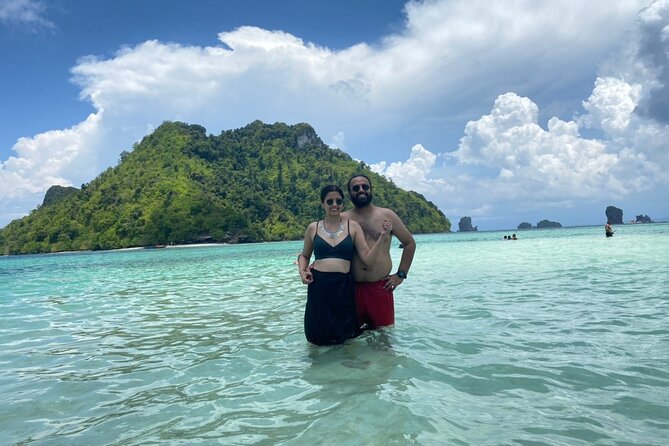
Tup Island is where the tour leans into scenery. At low tide, there are connected islands and a sandbank you can walk across. You get roughly an hour. This stop is great if you like the mix of water + land views. The downside is that tides and currents affect how much time you’ll spend safely in the shallows.
Ko Mor / The Sand Bar Area: When Islands Feel Like One Place
There’s another sandbar-style stop that connects areas around Tup and Mor. This is also where you may get time to walk along the sandbar connecting Chicken Island, Tup, and Mor Islands (often depending on tides). It’s one of the more unique parts of the route because it’s not just snorkeling—it’s “island to island” feeling.
Ko Ma Tang Ming: Short Swim, Short Window
This stop is shorter (around 30 minutes) and focuses on swimming/snorkeling. On paper, it sounds like a quick stop. In real life, that can be a blessing if you don’t want to spend all day changing sites. Just remember: short snorkeling windows mean you’ll want to be ready when it’s time to get in.
Poda Island: Relax + Beach BBQ Sunset Time
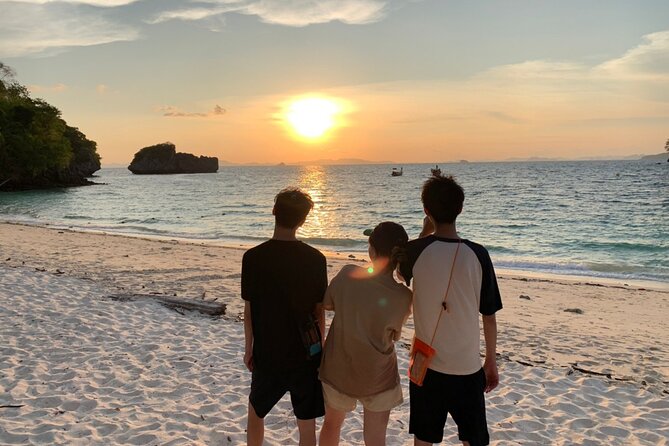
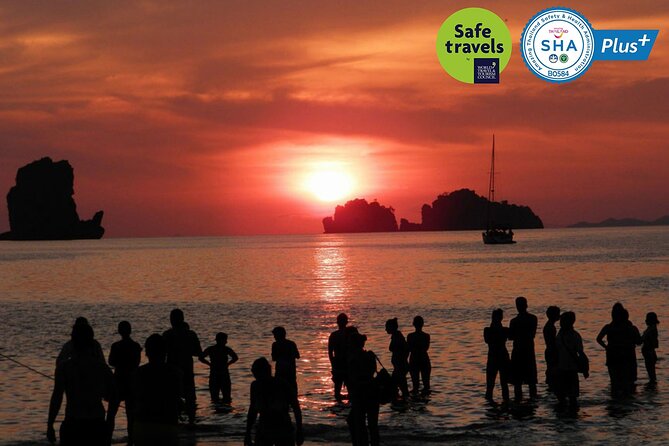
Poda Island is the big comfort break. You’ll typically spend about two hours here, and this is where the buffet dinner happens while the group watches for sunset. Reviews often describe BBQ-style options like chicken and seafood, with sides like rice and vegetables. There’s also mention of a vegetarian option, which is a plus if you don’t eat meat.
The reality check: if sunset clouds roll in, you may not see a clear horizon. Some people have felt the sunset was blocked by terrain or overcast conditions. Still, even on imperfect sunset days, this stop tends to be the most “sit, eat, and enjoy” part of the tour.
Ko Rang Beach: The Night Plankton Session
After dark, you head to the Ko Rang area for night snorkeling and plankton viewing (about 30 minutes). This is the main “wow” moment for many people. Expect to get wet. Also expect that plankton visibility depends on conditions—rain and moonlight can reduce what you see. If there’s heavy moon glare, the glow can be harder to spot.
Snorkeling Isn’t Always the Same: Currents, Sea Lice, and Reef Safety
Krabi snorkeling can be amazing, but it’s not a controlled aquarium. Some days have reduced visibility due to currents. Even when the water looks calm from the boat, underwater conditions may vary at each stop.
A few practical issues to keep in mind:
- You might get sea lice bites during your swim time. It’s usually not dangerous, but it can itch.
- Sea urchins can be a risk in some shallow areas, especially if you try to walk too close to the reef.
- If you’re sensitive to stings or bites, you’ll want to stay close to the guide and follow their lead on what to avoid.
- Reef safety matters. If you’re tempted to touch coral or stand on it, don’t. Not only is it harmful, it can also get you yelled at by the people trying to keep the reef intact.
If you want better results, go with a “slow and steady” mindset: float, breathe, and let the fish come to you. The best snorkeling days feel calm, even when you’re in open water.
Dinner and Sunset at Poda: Solid Food, Real Timing
This part of the tour is designed to keep you fed and happy without needing to plan a separate meal. Dinner is included, and it’s described as a buffet/BBQ-style spread with fruits, drinking water, and soft drinks. Many people mention the food being better than expected for a group boat trip, including seafood and chicken options, plus a vegetarian choice.
Timing is the key. Dinner usually happens while the sunset is happening, so you’re not guaranteed to watch the sky before eating. Some days the “sunset moment” and dinner overlap, which can feel perfect or slightly awkward depending on your priorities. If sunset is your main goal, keep your expectations flexible. Overcast conditions can push the sunset into the background.
Also, a practical note: you may feel hungry before dinner if you’re focused on snorkeling earlier. Bringing a small extra snack from home can help you feel human without changing the tour at all.
The Plankton Glow: What You’ll See in Real Life
This tour sells night snorkeling for plankton, and when it clicks, it’s a special memory. But manage your expectations. The glow is not usually the giant blue effect from viral photos. In real water, it can look like tiny white flashes that show up when you move underwater.
Rain and the lunar cycle can change the experience. Some conditions can dampen plankton activity or make the glow harder to see. Even when plankton is there, it can be subtle until you’re actively swimming and stirring the water.
Also think about motion sickness. You’ll be on the boat for the night portion, and that ride can feel long when you’re waiting for the last stop. If you’re prone to nausea, take it seriously: choose your seating with comfort in mind and consider what usually helps you on boats.
The Boat Experience: Safety, Comfort, and Why Guides Matter
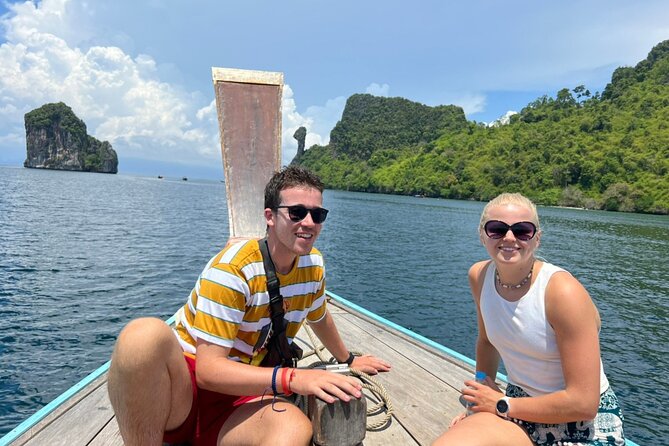
This is the part you feel the most. The longtail boat is open-sided in practice, so it’s exposed to wind and waves. People have reported safety concerns on some days, including awkward ladder access and the boat feeling cramped. On the other hand, there are strong stories of guides being attentive and ready to assist with boarding and snorkeling, especially when older guests are nervous.
Guides can make or break the day. In reviews, guides like Pong and AJ are mentioned for being helpful, keeping things organized, and showing people what fish to look for. That’s not just friendly service—it changes how comfortable you feel in the water. If you’re a first-time snorkeler, lean on the guide’s instructions and don’t try to “free solo” the reef.
Should You Book This Tour?
Book it if:
- You want one ticket that combines daytime islands, a beach BBQ dinner, and a chance at night plankton.
- You’re okay with changing conditions and you like the idea of snorkeling multiple spots rather than just one.
- You don’t mind crowds on a popular longtail boat and you can handle a bit of wet weather.
Skip it or choose a different style if:
- You’re uncomfortable with climbing on and off a boat ladder or you’re worried about balance.
- You care deeply about a guaranteed sunset view. Cloud cover and terrain can block it.
- You get motion sick easily and don’t want a longer boat time at night.
My bottom-line take: this is a good-value Krabi outing when you treat it as “expect the sea to set the pace.” If the weather cooperates, you’ll get variety—sandbanks, reef snorkeling, beach time, and a night glow that’s genuinely memorable.
FAQ
FAQ
What islands are included in the tour route?
The tour lists Ko Ya Wa Sam, Chicken Island, Tup Island, Ko Mor, Ko Ma Tang Ming, Poda Island, and Ko Rang.
How long does the tour take?
The duration is listed as about 7 to 8 hours.
Where is the meeting point, and when does it start?
The meeting point is Nopparat Thara Pier in Ao Nang, and the start time is 12:00 pm.
Are round-trip transfers included?
Yes, free round-trip transfers are offered from Krabi Town and Ao Nang.
Is the national park fee included in the price?
No. The national park fee is 200 THB per adult and 100 THB per child, paid at the point of entry.
What snorkeling and safety gear do you get?
You get snorkeling masks and life jackets, plus snorkeling equipment provided for the stops.
Does the tour have an English speaking guide?
Yes, an English speaking tour guide is included.
How does the bioluminescent plankton part work?
After it gets dark, you swim or snorkel for bioluminescence at the last stop, which is Ko Rang beach, on the way back toward the pier.
What food and drinks are included?
The tour includes buffet dinner plus fruit, snacks, water, and soft drinks.
Is there a vegetarian meal option?
Vegetarian food options are mentioned in the reviews for the BBQ/dinner.
How many people are in the group?
The tour has a maximum of 30 travelers.
How old does a child need to be for a child ticket?
Child ticket age is between 4 and 11 years.