REVIEW · HUA HIN
Hua Hin: Wildlife Friends Foundation Thailand Full-Day Visit
Book on GetYourGuide →Operated by My Holiday Centre Company Limited · Bookable on GetYourGuide
If you want real animal care, start here. This full-day visit to Wildlife Friends Foundation Thailand in Phetchaburi mixes a guided walk with hands-on elephant-feeding, plus a Thai buffet lunch overlooking the animal enclosures. I especially like the way the day is built around ethical animal welfare (no show tricks) and the fact that the animals get space to behave naturally, not tourist performance time. One thing to plan for: it runs with a lot of outdoor walking in Thailand heat, so bring sun protection and take it slow when you need to.
You also get an unusually practical education. Your guide explains why so many animals end up at the center, what conservation issues elephants face, and how exploitation happens in attractions that treat animals as props. The format stays easy to follow: meet your driver, do the guided walk, eat, then feed an elephant, and finish with a final loop to see other residents. A possible drawback is that the group can feel large depending on the day, so if you’re craving quiet one-on-one time, you may want to manage expectations.
The day starts and ends with convenient transfers from Hua Hin, Cha-Am, Pran Buri, or Phetchaburi, and you’ll ride in an air-conditioned vehicle plus a tram around parts of the grounds. Guides I’ve seen associated with this trip include names like Natalie, Will, and Edda, and the theme is consistent: clear explanations, plenty of chances to ask questions, and a focus on the animals’ wellbeing first.
In This Review
- Key things worth knowing before you go
- How the pickup and ride set the tone in Hua Hin and Cha-Am
- The 2-hour walking tour: rescued animals, real stories, and conservation context
- Lunch over the multi-species enclosure: Thai buffet and practical comfort
- Feeding an elephant (under supervision): the highlight with the right ethics
- The tram ride and end-of-day loop: bears, monkeys, and a wider view
- Price and value: what $80 includes, and how that changes the math
- Who this tour suits best (and who should skip it)
- Practical prep: shoes, water, bugs, and small do-not’s
- Should you book this Wildlife Friends Foundation full-day visit?
- FAQ
- What time does the tour end?
- Where are the pickup and drop-off areas?
- How long is the full-day visit?
- Is there walking involved?
- What language is the guide?
- What is included for lunch?
- Can I feed the elephants?
- Is the tour suitable for people with mobility impairments?
- Can I bring pets or alcohol?
- FAQ
- What should I bring?
- Is cancellation available?
Key things worth knowing before you go
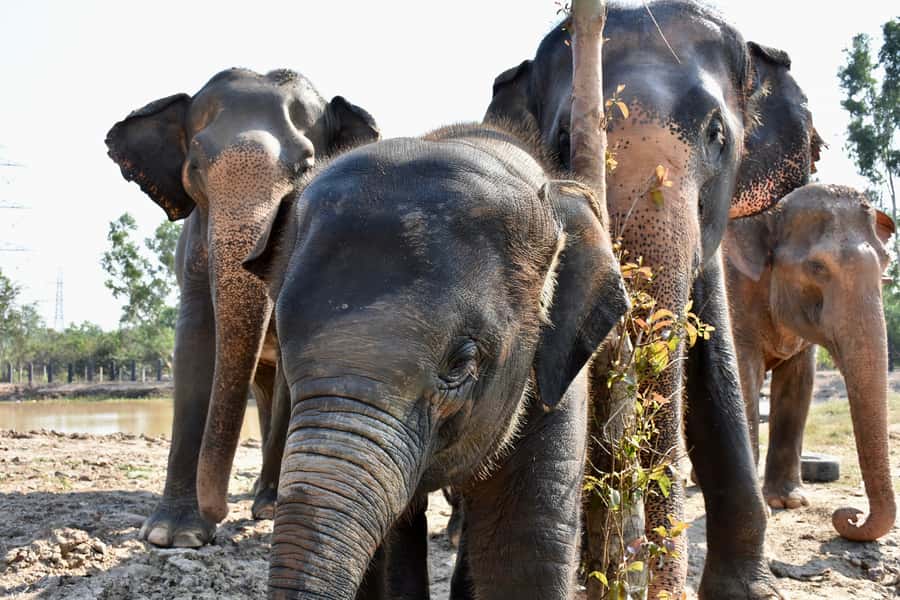
- Ethical elephant interaction only: You feed an elephant under supervision, with none of the riding/washing/trick-tour vibe.
- A real guided walk (about 2 hours): Expect a warm, outdoor stroll with some uneven ground.
- Lunch with a view: A Thai buffet is served overlooking a multi-species enclosure, with vegan, vegetarian, and meat options.
- You learn the why, not just the what: Conservation and rescue context is part of the route, not an afterthought.
- Tram + full-site loop: You’ll cover more ground comfortably, then circle back to see bears and monkeys near feeding times.
- Bring practical supplies: Closed-toe shoes, water, and bug protection matter more than you think.
How the pickup and ride set the tone in Hua Hin and Cha-Am
This is one of those days that starts easy. Your driver picks you up from your hotel area (Hua Hin, Cha-Am, Pran Buri, or Phetchaburi), then you’re in an air-conditioned vehicle heading to the Wildlife Friends Foundation Thailand site in Phetchaburi. The schedule is built around a smooth, guided experience rather than a self-directed scramble.
A small but important detail: if you’re staying in a condo, private house, or Airbnb, you may need to wait for the driver somewhere on the road. That’s common in Thailand and it helps the driver avoid getting stuck in tight lanes. Either way, plan to be outside a few minutes early so you’re not burning energy on the pickup logistics.
Along the drive, you’ll be mentally shifting from vacation mode to education mode. This center’s whole mission is rescue and rehabilitation, so the tone is informative and often emotional—but in a grounded way. You should expect an orientation element early in the day too, so you’re ready for the stories you’ll hear.
You can also read our reviews of more tours and experiences in Hua Hin.

The 2-hour walking tour: rescued animals, real stories, and conservation context
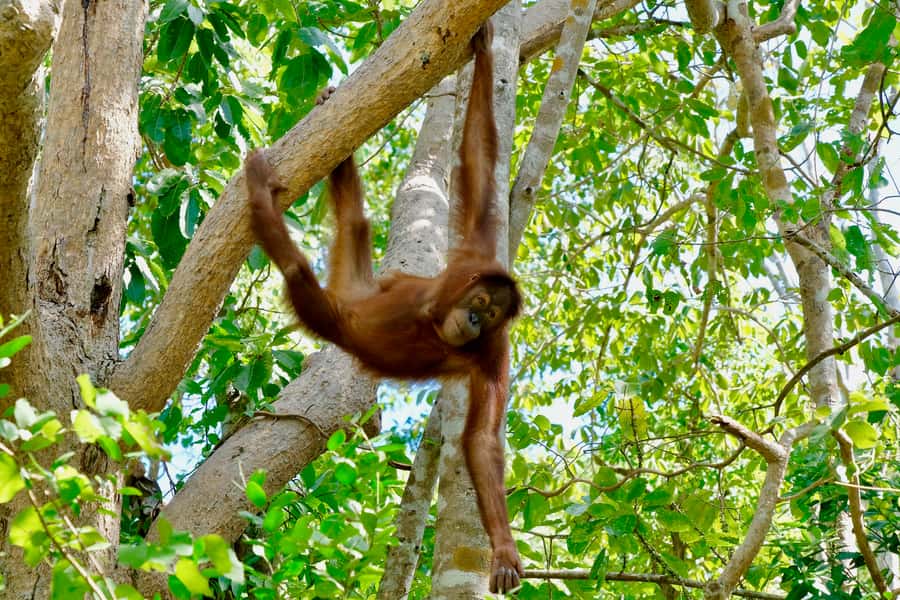
Once you arrive, you meet your English-speaking guide and jump into a walking tour around the center’s main areas. The walking portion is about two hours, and it’s the part that most affects comfort level. Wear comfortable, closed-toe shoes; the ground can be dry and sandy with underbrush in places, so flip-flops are not a great idea.
This is also where the center does something smart: it doesn’t just point at animals. You learn about individual rescued animals and why they’re living at the center now. That means you’ll hear stories and conservation context while you’re moving, which keeps the experience from feeling like a slideshow.
You’ll see animals across different enclosures during this portion, including the types of residents you’ll also notice more clearly later. One of the center’s strengths is that it explains animal welfare in plain language—what “good care” looks like, what happens when animals are exploited, and what rehabilitation requires once an animal is rescued.
There’s also an education theme focused specifically on elephants. Expect discussion of the conservation issues elephants face and how they can be exploited by tourist attractions. The key point for your expectations: at WFFT, the animals’ natural behavior matters more than human entertainment.
Lunch over the multi-species enclosure: Thai buffet and practical comfort
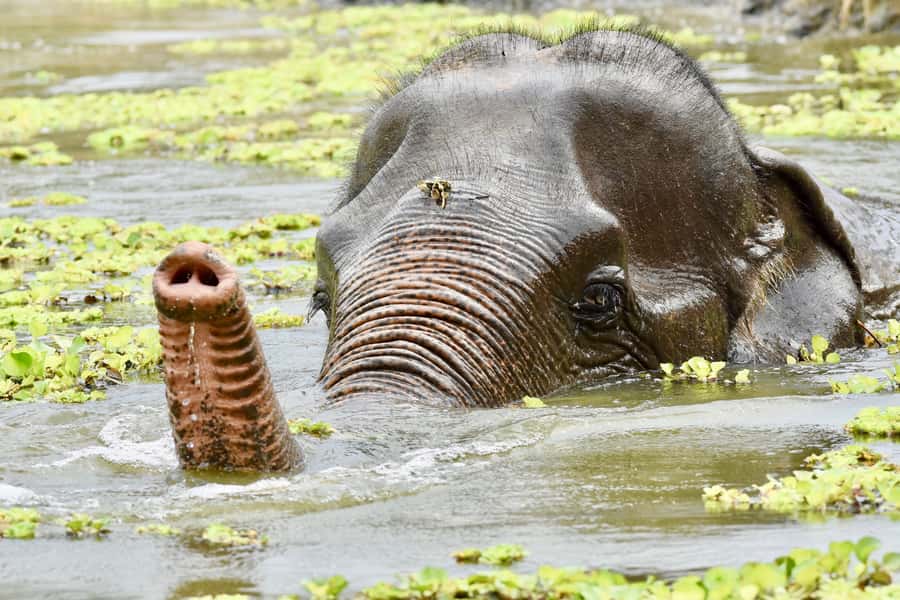
By noon, you sit down for lunch and refreshments, and the view is a big part of why this feels like a full-day outing rather than a quick stop. The Thai buffet is served while looking over a large multi-species enclosure, where elephants, gibbons, and other animals live as part of the center’s ecosystem.
The buffet layout includes vegan, vegetarian, and meat options, so it’s easy to eat what you want without stress. This is one of the better “value” moments in the day because the meal isn’t an afterthought—it’s part of the pacing. You’ll get a break from heat and walking, and then you rejoin the tour with energy.
Two practical tips from real-day experience with this kind of schedule:
- Bring water if you can, because you may find bottled water isn’t included, even if someone tells you it might be. On hot days, that matters.
- Add bug spray and sunscreen to your kit. The earlier outdoor walking can make you feel like you’re in a sun-and-mosquito combo meal.
Feeding an elephant (under supervision): the highlight with the right ethics
After lunch, comes the most memorable activity for most people: you get to feed one of the elephants under supervision. This is where the ethical philosophy becomes real in your hands-on moment. You’re not paying for tricks or forced interactions. You’re participating in a care routine while staff ensure the elephant’s wellbeing comes first.
Expect the day to slow down slightly here. Your guide will explain the elephant’s individual story and personality, and it’s not just a generic “elephants are smart” talk. The center emphasizes that each animal has its own history and needs, and you’ll see how their daily tasks are designed around that.
This is also a moment to recalibrate your own elephant expectations. The guide will contrast ethical care with practices in tourist attractions that exploit animals for entertainment. At WFFT, the aim is not performance—it’s rehabilitation, enrichment, and letting animals live with dignity.
And yes, this is usually the highlight people remember most. If you’re the type who wants to support the cause directly, this is also the point where the day’s purpose feels closest to you.
The tram ride and end-of-day loop: bears, monkeys, and a wider view
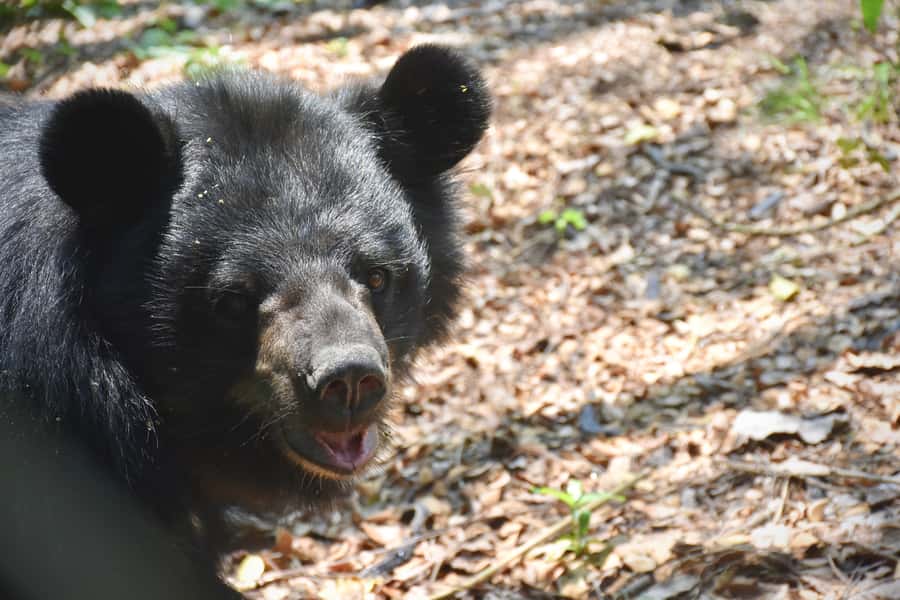
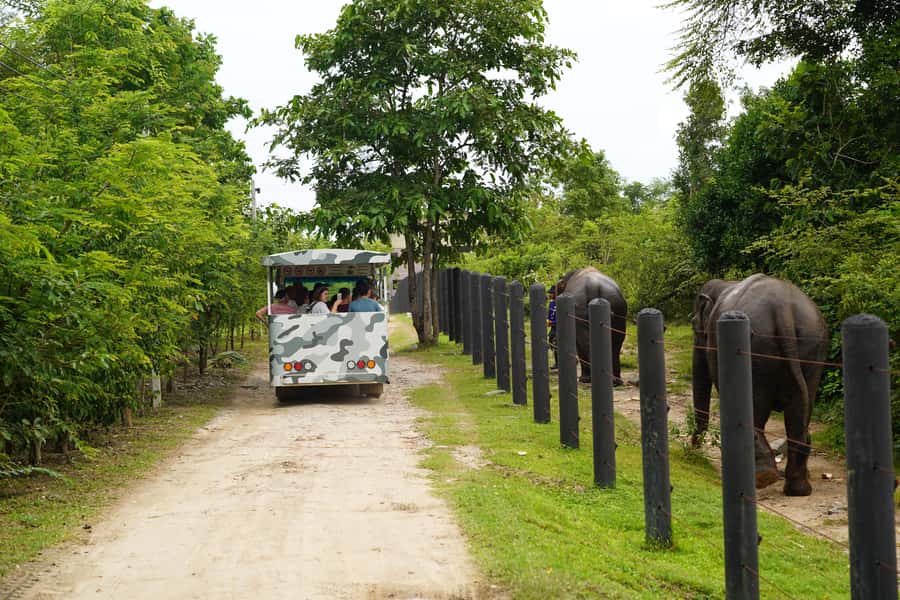
Later in the afternoon, you’ll do a tram ride around parts of the site. This matters because it keeps the day from becoming too much walking in one go, and it helps you cover more enclosures without rushing. It also means you get to see more animals at a relaxed pace.
The final part of the experience includes a broader loop around the whole site. This is when you may see bears and monkeys enjoying their meal before the tour winds down. The timing can be a little sensitive—animals follow their routines—but your guide will manage the flow so you still get good viewing moments.
Most tours end around 3:30 PM, when you’ll transfer back to your accommodation areas. That finish time is a big deal if you want to keep your evening free for the beach, night market, or a simple Thai dinner without rushing back for another tour.


Price and value: what $80 includes, and how that changes the math
At $80 per person for about 6 hours, it’s not a bargain—no sugarcoating. But when you look at what you actually get, the value starts to make sense.
You’re paying for a guided experience that includes:
- Entry/access to the Wildlife Rescue Centre and Elephant Refuge
- Lunch (Thai buffet with vegan, vegetarian, and meat options)
- Air-conditioned round-trip transfers from major Hua Hin / Cha-Am / Pran Buri / Phetchaburi pickup zones
- A tram ride around parts of the site
- Elephant-feeding under supervision
- All fees and taxes
- A live English-speaking guide
For many people, the real value is the education angle. You leave knowing why animals end up in rescue settings and what ethical treatment looks like in practice. If you’re comparing this with the cost of paying for animal photo experiences or attractions that center entertainment over welfare, the math often shifts fast.
One more value factor: organization. This isn’t a DIY wander. The schedule has a rhythm—walk, lunch, elephant interaction, then a final loop—so you can focus on the experience instead of navigating.
Who this tour suits best (and who should skip it)
This is a strong match if you want:
- A guided, ethical animal care visit in Thailand
- A structured day with transport handled for you
- More than just sightseeing—real explanation about rescue and conservation issues
- An elephant feeding moment without forced interaction
It’s less ideal if:
- You have mobility impairments. This tour isn’t suitable for people with mobility issues because it includes a walking segment and outdoor movement.
- You hate heat and long outdoor stretches. Even with a tram, there’s about two hours of walking, and it can feel long in the hot sun. Plan for shade breaks when your guide allows them.
Also, if you’re sensitive to emotional topics, be prepared. You’ll hear sad rescue stories. The tone is focused on what the center does now, but the history is part of the lesson.
Practical prep: shoes, water, bugs, and small do-not’s
Here’s the simple checklist I’d follow for this kind of day:
- Comfortable closed-toe shoes (the ground can be sandy and uneven)
- Water, especially on hot days (bottled water may not be included)
- Bug spray and sunscreen
- Cash (bring it for any needs at the site)
- A basic level of fitness for walking
And don’t bring:
- Pets
- Alcohol and drugs
If you’re going in the warmer months, start your day with the mindset that you’re outdoors for a while. Pace yourself early so the elephant feeding feels like a reward, not a timeout.
Should you book this Wildlife Friends Foundation full-day visit?
If your goal is an ethical animal rescue experience with real education and hands-on elephant feeding, I think this is a top choice from the Hua Hin area. The biggest reasons to book are the mission-focused care approach and the fact that the day is structured: transport, guide, lunch, elephant interaction, and a full-site wrap-up.
I’d skip it only if walking in heat would be an issue for you, or if you strongly prefer small, quiet group time. Otherwise, this is one of those days that makes your animal encounters in Thailand feel more responsible—and a lot more meaningful—than the typical photo-and-pose routine.
If you decide to go, go prepared for a mix of sadness and hope. That emotional balance is part of why the experience lands so well for people: you see rescue stories, then you see the animals living better afterward.
FAQ
What time does the tour end?
The tour ends at approximately 3:30 PM, followed by a transfer back to your accommodation.
Where are the pickup and drop-off areas?
Pickup and drop-off include Hua Hin, Cha-Am, Pran Buri District, and Phetchaburi.
How long is the full-day visit?
It runs for about 6 hours.
Is there walking involved?
Yes. The tour includes an informed guided walking segment of about 2 hours around the center.
What language is the guide?
The live tour guide provides English throughout the day.
What is included for lunch?
Lunch is a Thai buffet with options including vegan, vegetarian, and meat.
Can I feed the elephants?
Yes. After lunch, you can meet and feed one of the elephants under supervision.
Is the tour suitable for people with mobility impairments?
No. It is not suitable for people with mobility impairments due to the walking and site layout.
Can I bring pets or alcohol?
No. Pets are not allowed, and alcohol and drugs are not allowed.
FAQ
What should I bring?
Bring comfortable shoes and cash. Also, it helps to bring water and protection for sunny, outdoor walking.
Is cancellation available?
Yes. You can cancel up to 24 hours in advance for a full refund.