REVIEW · KRABI
Krabi: Love Elephant Sanctuary Tour
Book on GetYourGuide →Operated by Love Elephant Sanctuary Krabi · Bookable on GetYourGuide
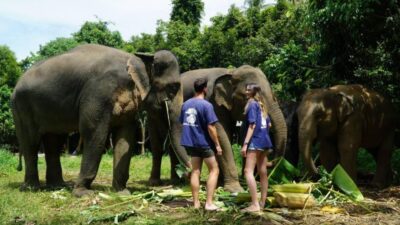
Elephants, mud, and herbal care in Krabi. The Love Elephant Sanctuary Krabi 2-hour tour has you do fruit feeding and help with herbal medicine, then it ends with a muddy spa and a full wash. One thing to plan for: it’s short, and sometimes the group may be working with only a couple elephants at a time.
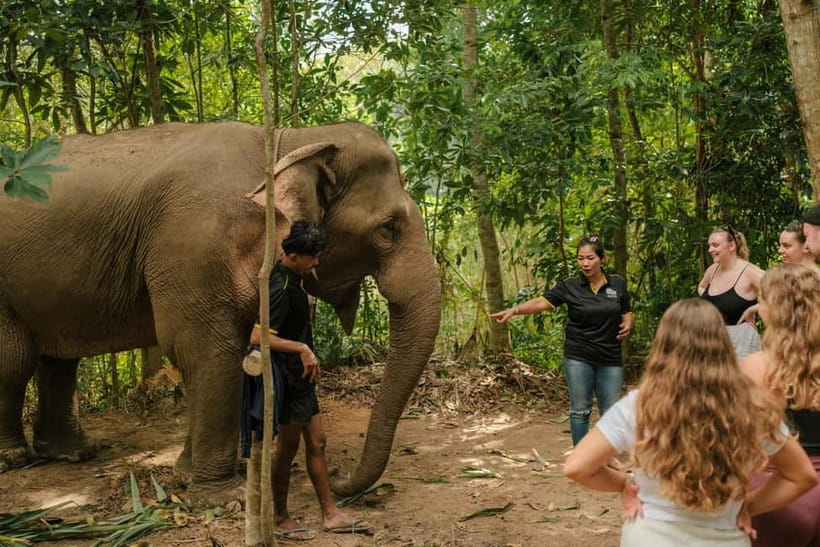
I also like how the team explains elephant personalities and behavior as you go, so it feels like caring for animals, not watching a show. Pickup runs from Ao Nang hotels in a sanctuary van, and the staff wear matching shirts so you can spot them fast; and importantly, riding the elephants isn’t allowed.
In This Review
- Key points before you book
- Why this 2-hour elephant sanctuary visit works in Krabi
- Getting to Love Elephant Sanctuary from Ao Nang: pickup that’s actually easy
- Ancient tools and fruit prep: where the tour starts to feel personal
- Herbal medicine making: the careful part of the day
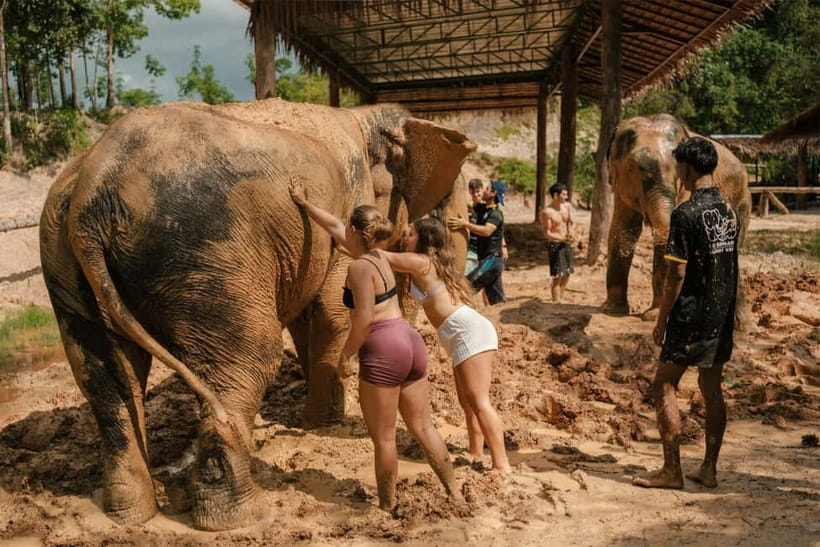
- Muddy spa time: why the mud bath is more than chaos
- Elephant bathing plus snacks: your break is part of the rhythm
- What to bring (and what to wear) so you don’t hate your day later
- Who this is best for, and who should skip it
- Price and value: is $51 fair for what you get?
- The small details that make your day smoother
- Should you book the Love Elephant Sanctuary Tour in Krabi?
- FAQ
- How long is the Love Elephant Sanctuary Tour in Krabi?
- What does the tour include for the $51 price?
- What language is the tour guide?
- Where does pickup happen?
- What should I bring?
- What is not allowed during the tour?
Key points before you book
- Two active roles early on: fruit prep and feeding, then herbal medicine making
- Muddy spa is the star: you get hands-on with the elephants’ mud bath and wash-down
- Short and sweet at 2 hours: enough time to participate without turning into a full day
- Clear welfare focus: no riding, with keepers guiding safely and calmly
- Hotel pickup from Ao Nang: round-trip transport plus lockers included
Why this 2-hour elephant sanctuary visit works in Krabi
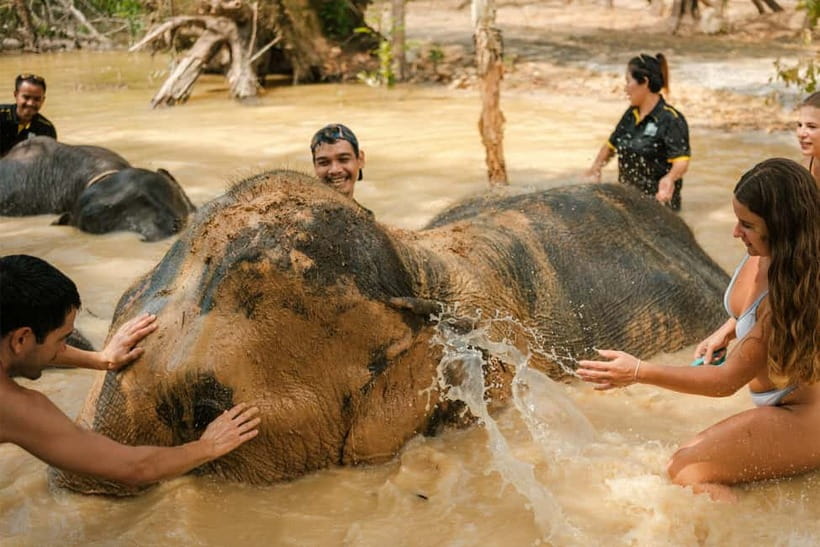
In Krabi, you’ll find lots of elephant tours. This one is different because it’s built around real care tasks, not tricks. In just 2 hours, you’ll move through several “workstations” with the keepers—food prep, feeding, herbal medicine, muddy spa, and bathing—so you’re busy in the best way. You get the feel of the routine, and you also see why elephants need space and calm handling.
At $51 per person, it’s not the cheapest option in the area. But the value comes from what you’re actually included in: hotel transfer from Ao Nang, a guide, snacks and drinks, locker access, and multiple hands-on moments. It’s also not a half-day of travel plus waiting. The time is focused.
The other big value factor: your interaction is “up close,” but it’s structured. You’re not there to climb on anything. You’re there to support the animals’ day in a way that keeps stress low. That’s the difference between doing a quick attraction and choosing an ethical-style sanctuary visit.
You can also read our reviews of more tours and experiences in Krabi.



Getting to Love Elephant Sanctuary from Ao Nang: pickup that’s actually easy
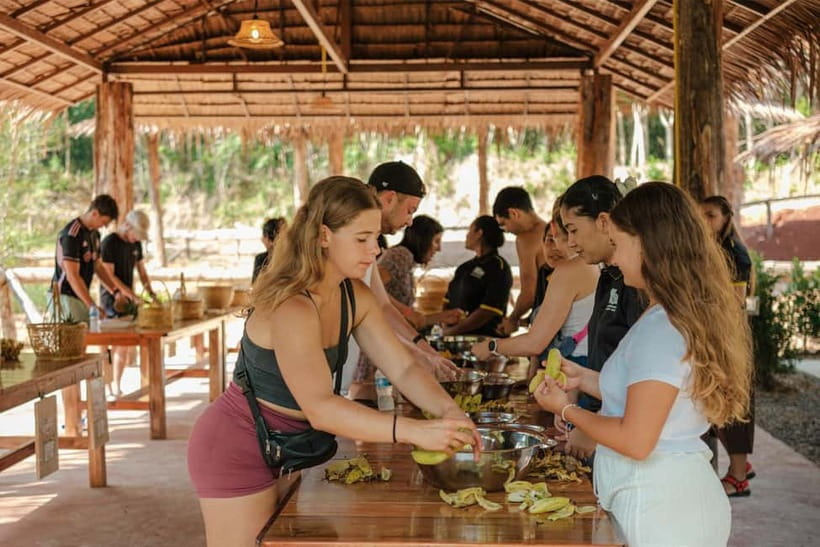
The tour includes round-trip transfer from/to your hotel in Ao Nang. That matters because Krabi can mean traffic, scooters, and “where’s the meeting point” headaches. Here, you meet in the lobby about 10 minutes before pickup and look for the Love Elephant Sanctuary Krabi van. The staff wear a T-shirt with the sanctuary logo, so you’re not guessing.
If you’re staying outside Ao Nang, this is one detail to double-check before you go. The written info specifically says pickup is from any hotel in Ao Nang. The good news is that most major Ao Nang hotels fall into that net.
Once you’re in the van, you’re moving toward a calmer setting where the main event isn’t speed or spectacle—it’s close, respectful contact. And after the tour, you’ll get dropped back the same way. This makes the experience fit nicely between beach time and evening plans.
Ancient tools and fruit prep: where the tour starts to feel personal
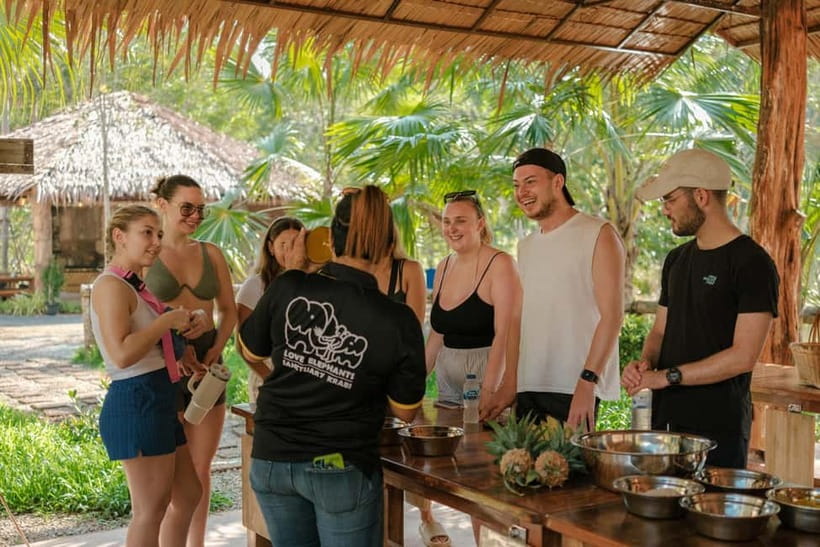
The first “wow” moment isn’t the elephants. It’s the ancient tools demonstration and the food-prep part that follows. You’ll learn how elephants are cared for, and you’ll see tools used for their daily needs. It’s one of those small details that changes your perspective. Instead of only thinking about the animals, you start thinking about the whole care system.
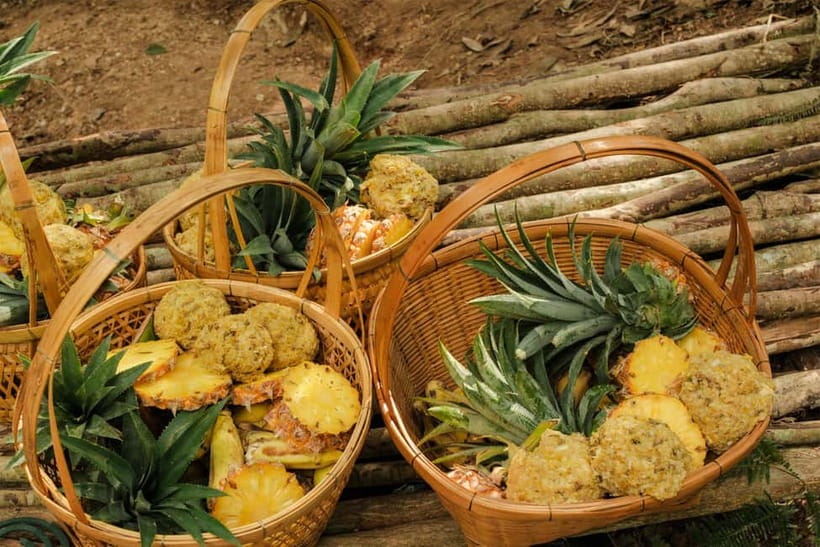
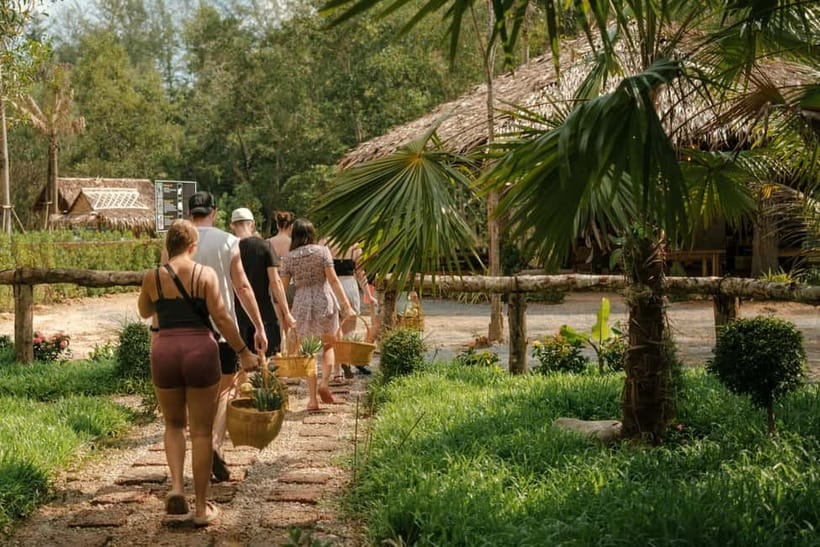
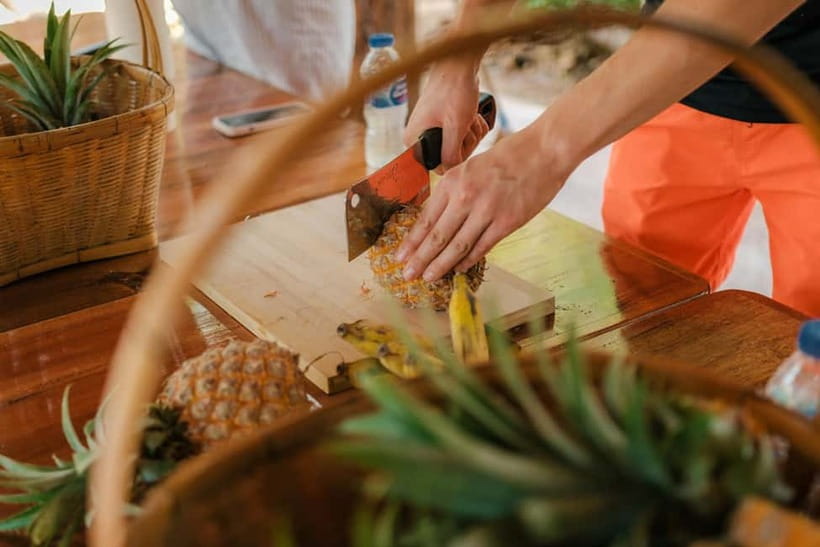
Then you shift into something hands-on: preparing fruits for the elephants and getting ready to feed them. This isn’t just tossing food and walking away. You’re guided on what to do and when, and the keepers help you understand what you’re seeing—how elephants approach, how they decide, and what their behavior can mean.
In the best moments, you’ll notice how calm the elephants are when the keepers handle the process smoothly. That calm matters. It’s what makes the feeding feel safe for you and comfortable for the elephants.
A practical note: fruit prep usually means you’ll be working with natural materials and outdoor surfaces. Bring a mindset that your clothes might get dusty. Comfortable shoes are key.
Herbal medicine making: the careful part of the day
One of the most praised elements of this tour is the chance to make herbal medicine for the elephants. It’s included, and it’s not a random “story stop.” It ties directly into welfare—how the sanctuary supports elephant health with traditional herbal approaches.
You don’t need a biology degree to enjoy this section. The guide covers what you’re doing and why it’s part of care. And because you’re helping, it becomes more memorable than watching a slideshow. You’re creating something with the keepers, following instructions, and learning how caretaking can be both practical and ongoing.
Why I think this matters for your trip: many elephant experiences focus only on feeding or bathing. Herbal medicine making adds context. It reminds you that elephants aren’t “tour props.” They have health routines, diet considerations, and wellness needs that keepers manage daily.
If you like animal-related travel that’s hands-on but still respectful, this is the part that often turns a good visit into a standout one.
Muddy spa time: why the mud bath is more than chaos
Then you get to the section everyone talks about: the muddy spa. It sounds messy, and yes, it is. But the whole point is that mud bathing is normal elephant behavior and helpful for their comfort. It’s also when you’ll really feel you’re participating, not just observing.
This is where wearing the right gear matters. You’ll want swimwear plus clothes you don’t mind getting dirty. Even if you think you’re careful, you’ll still get splashed. That’s part of the deal.
The keepers guide the elephants in a way that stays calm and controlled. You’ll likely see the connection between the elephant’s trust and the staff’s skill. A few reviews mention how the keepers read the elephants well and keep visitors safe. Even if you’re not into “instruction,” you’ll appreciate how much the staff watch body language and reactions.
Also, if you’re worried about safety or discomfort, this is the reassurance point: riding the animals isn’t allowed, and the activities are centered on bathing and enrichment care, not performing.





Elephant bathing plus snacks: your break is part of the rhythm
After muddy play comes the wash. You’ll bathe the elephants as part of the experience. This is typically the most emotional part for a lot of people, because you see how gentle and responsive elephants can be when handled with care.
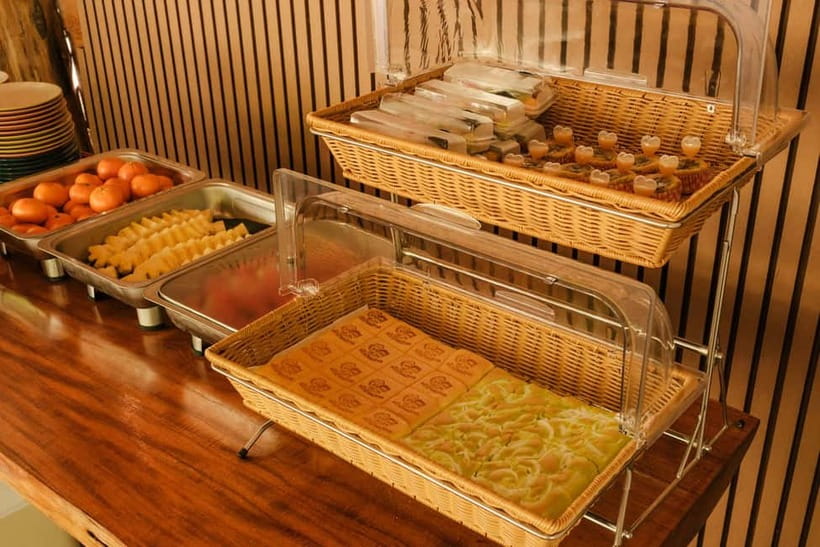
Between bathing moments, you’ll get a break with snacks and drinks, including water and fruit. I like that the tour builds in pauses. It keeps the experience from turning into a sweaty marathon and lets you reset while still being close to the animals.
There’s also a locker included. That’s a small detail that saves you stress. You can stash your personal items without worrying about wet gear everywhere.
One fun practical tip from prior guests: if you’re tempted to carry snacks like bananas, skip them. One review suggests elephants can smell them, and it can complicate the experience. Stick to what’s provided and what the guide recommends.
What to bring (and what to wear) so you don’t hate your day later
This tour is outdoors and hands-on. Your clothes should be ready for mud, water, and sun. The basic kit is simple:
- Comfortable shoes (the kind you can get wet or dirty)
- Swimwear
- Towel
- Comfortable clothes plus shorts
- Outdoor clothing for sun and modesty
- A change of clothes after the activities
Also plan your hair and bags like you’re going to the beach plus a splash zone. Pack your phone and valuables accordingly, and keep that locker in mind.
Not allowed items are straightforward: no smoking and no riding the animals. That second one is a big ethical difference, and it also changes how you should mentally frame the experience. You’re “caring with” the elephants, not “using” them.
Who this is best for, and who should skip it
This isn’t a tour for everyone. It’s listed as not suitable for:
- Children under 3 years
- Pregnant women
- People with back problems
- Wheelchair users
The reason is likely the mix of outdoor walking, water activity, and getting close during hands-on tasks. If any of that puts you at risk or discomfort, don’t force it. Choose a different Krabi activity that’s easier on your body.
Who it fits well:
- Adults who want an ethical-style sanctuary visit focused on welfare
- People who enjoy learning through doing (feeding, mixing, preparing)
- Anyone who wants a short, high-impact animal experience without a full day commitment
If you’re traveling with limited time, the 2-hour format is a strong match. If you’re there for pure animal watching with zero participation, you might find some sections require more hands-on involvement than you expected.
Price and value: is $51 fair for what you get?
Let’s talk value, not just cost.
You’re paying $51 per person for a 2-hour sanctuary experience with a lot included:
- Ancient tools demonstration
- Fruit preparation and feeding
- Herbal medicine making
- Muddy spa
- Elephant bathing
- Snacks and drinks
- Round-trip hotel transfer from Ao Nang
- Locker
- Tour guide
Not included: lunch.
So yes, it’s a bargain compared with “day out” tours that charge more but only add travel time and minimal participation. Here, the inclusions are the core of the experience: you’re not paying for transport to watch from far away. The transfer and locker remove friction. Snacks and drinks keep you going during wet, physical activity. And the guide time is built into the 2 hours instead of being tacked on at the start and end.
The only real cost you’ll feel is what you do for lunch afterward. Plan to eat either before or after your tour. That’s it.
If you’re also comparing against tours that advertise elephant interaction but allow riding, you should factor in ethics and the type of contact you want. This tour’s structure is built around bathing and care tasks, and that’s part of why it feels meaningful.
The small details that make your day smoother
A few practical bits can save you trouble:
- Operational hours are 8:00 AM to 4:00 PM, open every day.
- Booking at least 3 hours in advance is recommended.
- The tour runs with a live guide in English and Thai.
- Wear clothes that can get dirty, and plan for wet conditions.
There’s also a “real-life” tip: if you’re the type who forgets what time you told a taxi driver, set a reminder for your pickup lobby timing. The guide might not stand at your exact spot forever, and you’ll want to wait in the hotel lobby about 10 minutes before pickup.
Oh, and bring the towel even if you think you can manage. Wet activities always turn into damp towel emergencies unless you pack one.
Should you book the Love Elephant Sanctuary Tour in Krabi?
Book it if you want an elephant experience that’s structured around care tasks: fruit feeding, herbal medicine making, muddy spa, and bathing. The 2-hour timing is also ideal if you’re balancing beach time, day tours, and evening plans in Krabi.
I’d skip it if you need a fully seated, low-movement experience, or if your health situation limits water activity and walking. The listed restrictions (pregnancy, back problems, wheelchair users, very young children) are there for a reason.
One more decision tip: if ethics and elephant welfare matter to you, this tour’s non-riding format and welfare focus are exactly the kind of cues that tend to correlate with a better experience. And if you love learning while doing, the ancient tools and medicine-making portions are the kind of details that make your photos less impressive and your memory more.
If that sounds like your style, you’ll likely feel like you got your money’s worth in both learning and hands-on moments.
FAQ
How long is the Love Elephant Sanctuary Tour in Krabi?
The tour duration is 2 hours.
What does the tour include for the $51 price?
It includes ancient tools demonstration, fruit preparation and feeding, herbal medicine making, muddy spa for elephants, elephant bathing, snacks and drinks, round trip transfer from/to hotels in Ao Nang, a locker, and a tour guide. Lunch is not included.
What language is the tour guide?
The live tour guide speaks English and Thai.
Where does pickup happen?
Pickup is included from any hotel in Ao Nang. You should wait in the hotel lobby about 10 minutes before the scheduled pickup time and look for the Love Elephant Sanctuary Krabi van.
What should I bring?
Bring comfortable shoes, swimwear, a towel, comfortable clothes, shorts, outdoor clothing, and a change of clothes for after the activities.
What is not allowed during the tour?
Smoking is not allowed, and you cannot ride the elephants.