REVIEW · KOH SAMUI
Koh Samui: Thai Cooking Class with Samui Local Family
Book on GetYourGuide →Operated by Go Samui Cook · Bookable on GetYourGuide
This market-to-kitchen class feels like family dinner, with Big Buddha Market herbs and a 4-dish menu choice. Run by the Go Samui Cook team, with Geng & O doing the teaching, it’s a hands-on way to understand why Thai food tastes the way it does.
I love the practical lessons, especially fresh coconut milk extraction and curry paste prep you can actually repeat later. I also like the ingredient explanations during the market walk, so you learn what matters, not just what to eat.
One possible drawback to plan for: hotel transfers are included only in the Lamai, Maenam, and Chaweng areas, and pickups outside those zones cost extra.
In This Review
- Key Highlights You’ll Actually Feel
- From Hotel Pickup to Big Buddha Market: How the Morning Rolls
- Big Buddha Market Walk: Learning Herbs Without Feeling Like a Tourist
- Go Samui Cook Kitchen Time: Choose Your 4 Dishes and Get Cooking
- The Skills That Make This Class Worth $77
- Spice Levels, Dietary Needs, and the Real Taste of Control
- What About Families and Kids in the Mix?
- Timing and Logistics: 4 Hours of Real Work (Not an All-Day Tour)
- What You Get at the End: Food, Fruits, and Recipes for Home
- Should You Book Go Samui Cook for Your Koh Samui Trip?
- FAQ
- How long is the Koh Samui Thai cooking class?
- Where does hotel pickup and drop-off work?
- Do I get to choose what dishes I cook?
- What Thai cooking techniques will I learn?
- Is the class suitable for kids?
- Are dietary restrictions accommodated?
- What should I bring and what rules should I follow?
Key Highlights You’ll Actually Feel
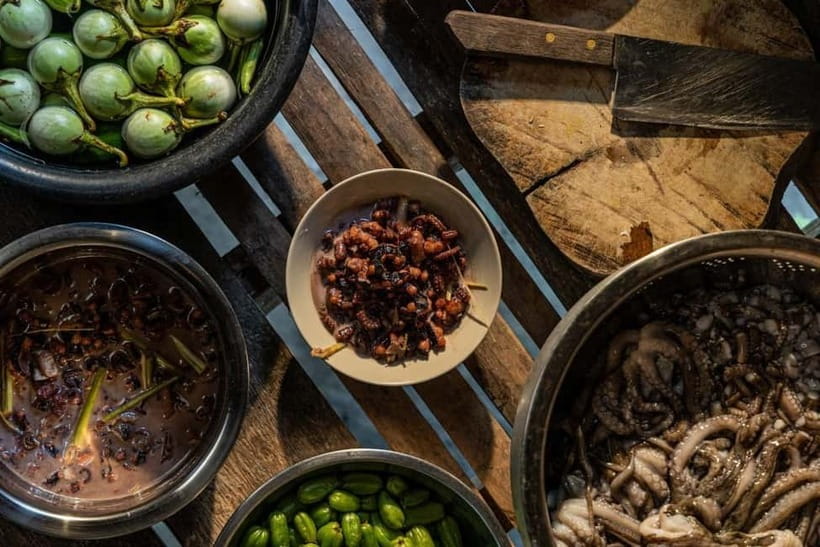
- Big Buddha Market ingredient tour that explains herbs and spices as you shop
- Cook 4 dishes from a weekly-rotating menu, in a small group
- Family-style instruction from Geng & O, with step-by-step help in the open-air kitchen
- Real Thai techniques like coconut milk extraction and curry paste preparation
- Spice control and substitutions available, including vegan, vegetarian, gluten-free, and halal options
From Hotel Pickup to Big Buddha Market: How the Morning Rolls
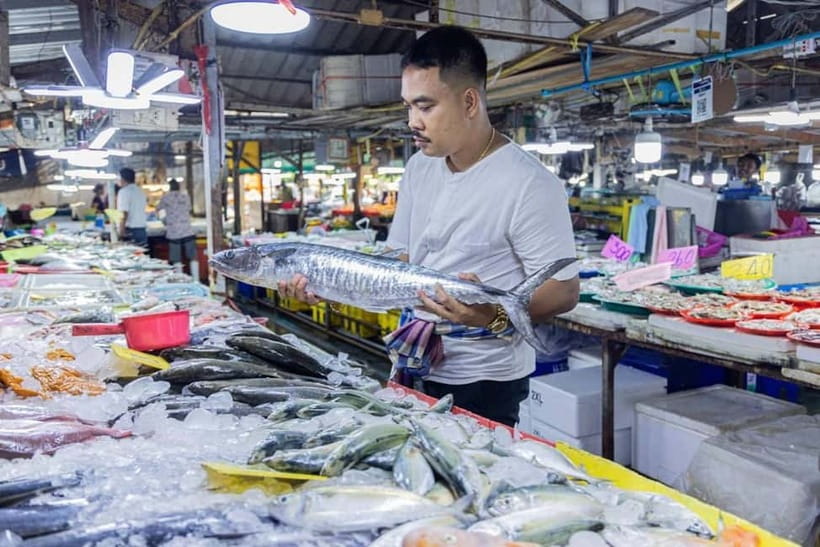
This class starts the way good local days start: with you being collected and gently pulled into a Thai food rhythm. You’ll get round-trip transfers if you’re staying in Lamai, Maenam, or Chaweng. If you’re outside that range, you may need to arrange extra pickup (or take a taxi to meet them), which is worth factoring in before you book.
Once you’re with the team, the day’s flow makes sense: first you learn what to buy and why, then you cook with those choices. That matters, because Thai cooking is less about memorizing one recipe and more about getting the ingredient balance right. Even if you’re not a serious home cook, you’ll come away with a clearer feel for how flavors are built.
You’ll also be dealing with the real-world version of Thai cooking: fresh, seasonal produce, herbs that don’t look like the jarred stuff you buy at home, and spices that you can smell before you ever taste. That’s half the fun.
You can also read our reviews of more tours and experiences in Koh Samui.



Big Buddha Market Walk: Learning Herbs Without Feeling Like a Tourist
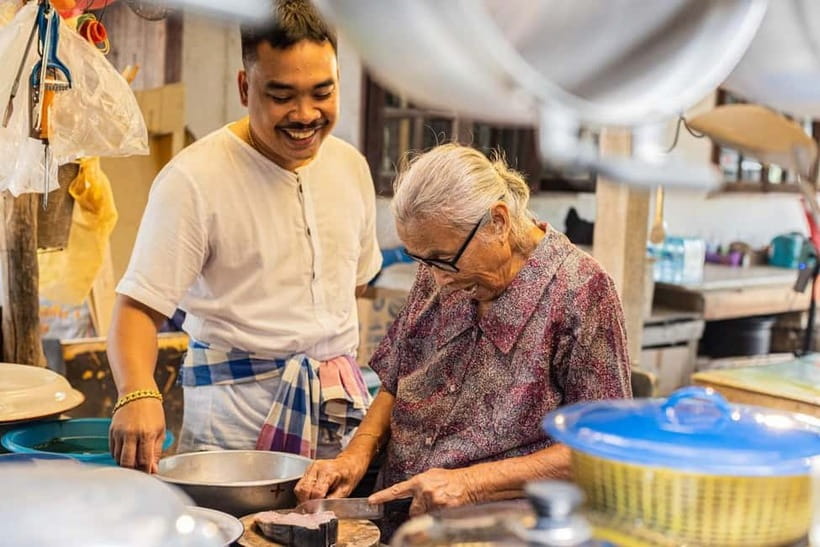
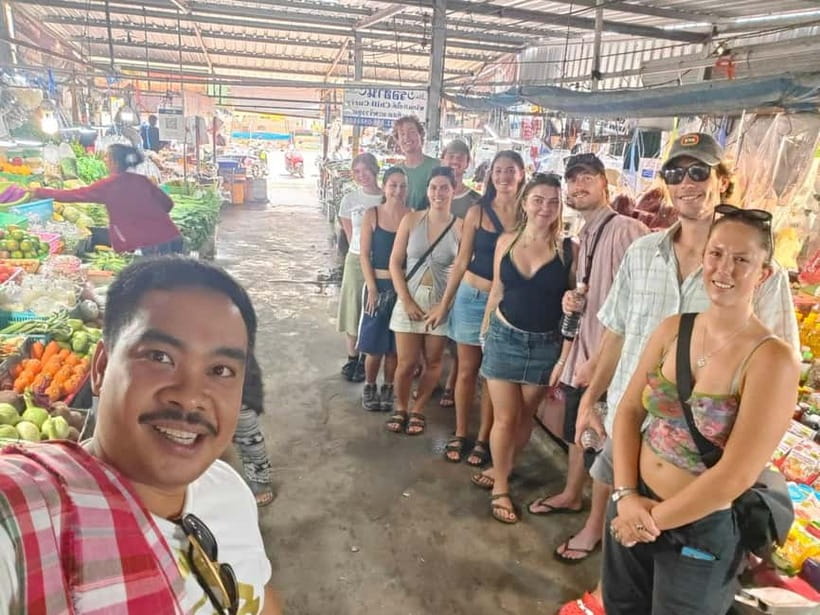
The market stop is where the class earns its keep. You don’t just wander; you get an ingredient explanation as you go. The focus is on Thai herbs and fresh ingredients, which is where many home cooks struggle once they try to recreate dishes later.
Here’s what I’d pay attention to during the walk:
- Aromatics and herb types: learn what the kitchen needs beyond obvious vegetables
- Spice forms: whole versus ground, and what that changes in flavor
- Freshness cues: what looks lively and fragrant, and what tastes dull
This part is also a good reset. You’ll see the ingredients up close, you’ll get questions answered, and you’ll arrive at the kitchen with confidence instead of guessing.
Go Samui Cook Kitchen Time: Choose Your 4 Dishes and Get Cooking
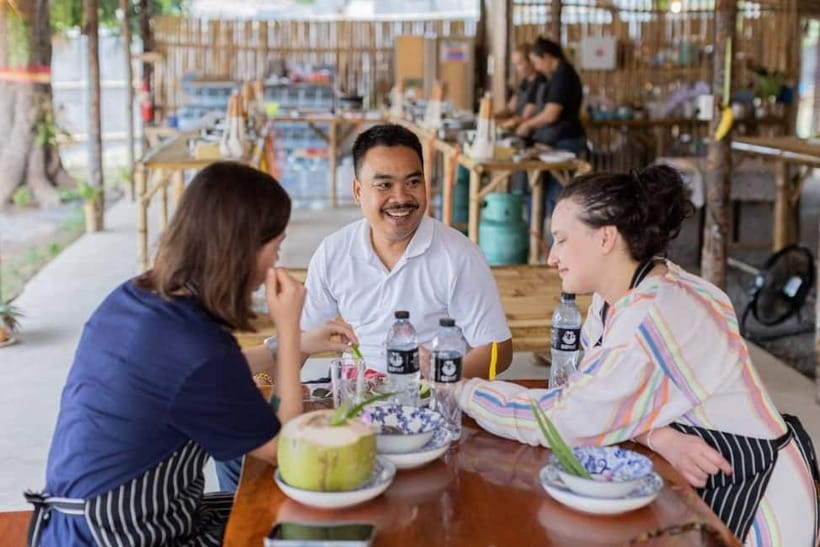
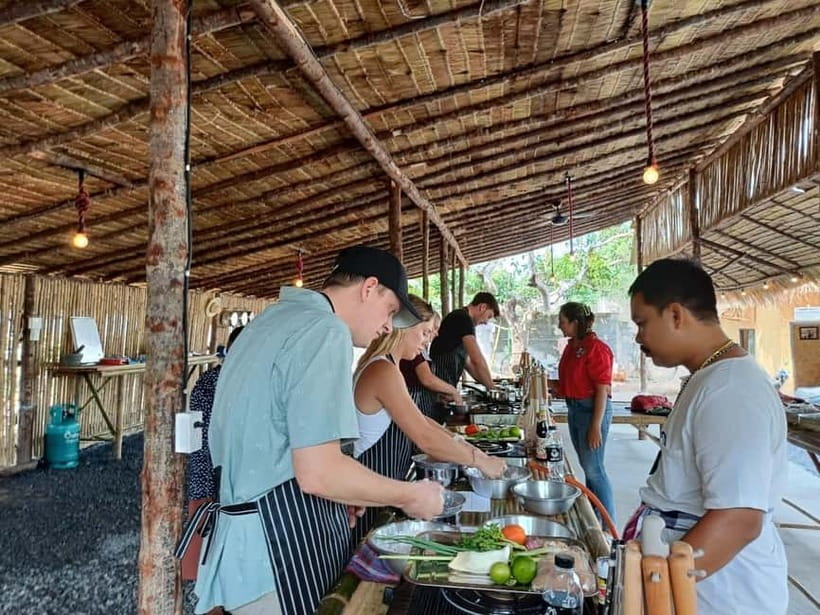
After the market, you move to a welcoming open-air kitchen at Go Samui Cook. This isn’t a sit-and-watch class. You cook. The experience is designed for small groups, so you’re not stuck competing for attention while the chef zooms past your station.
You’ll choose 4 dishes from a weekly-rotating menu. That rotating menu is both a perk and a small planning item. If you have your heart set on certain foods, check the menu in advance and pick your dishes early when you book.
The class structure works well for first-timers because you’re guided through each stage, from prep to cooking. And you’re not just learning one dish at a time—you’re building a repeatable skill set. That’s why the practical techniques stand out.
The Skills That Make This Class Worth $77
Price is always the big question, so here’s how I think about it. At $77 per person, you’re paying for more than a meal. You’re paying for a guided ingredient selection, equipment and ingredients, instruction, and a recipe guide you can use later. You’re also getting hotel pickup within key areas, which saves time and hassle on an island.
The best part is what you actually practice:
- Fresh coconut milk extraction: you learn how the texture and flavor change compared with canned versions
- Traditional curry paste preparation: you get a feel for how ingredients combine, not just the final color
- Proper Thai herb and spice combinations: this is the real secret behind balanced Thai flavor
- Family recipes passed down through generations: you cook with techniques that are treated like tradition, not theory
These are the skills that travel well. A list of recipes is nice. A method you understand is better. Once you’ve watched the herb-spice balance come together and then tasted it in the dish, you start cooking Thai food with better instincts.
Spice Levels, Dietary Needs, and the Real Taste of Control
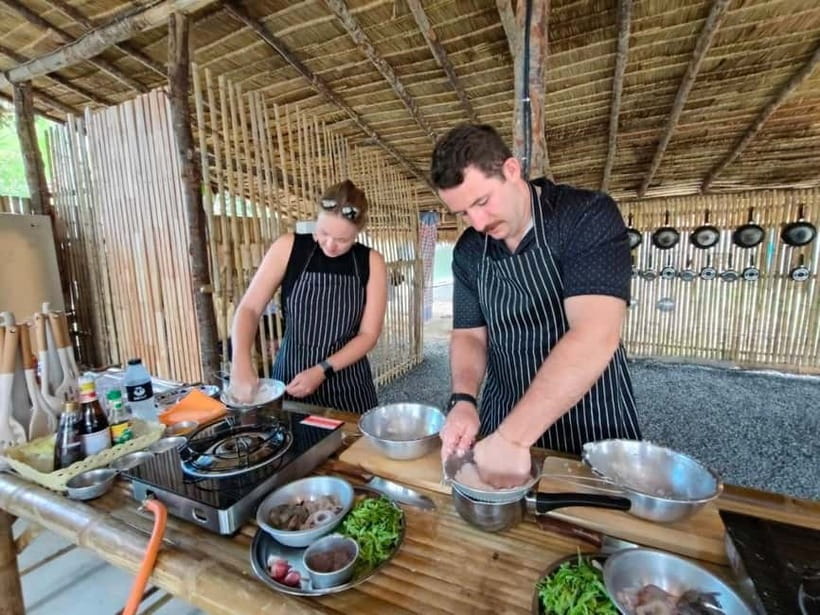
One detail I appreciate: you can customize your meal to your preference, including spicy or non-spicy options. That gives you control, which is helpful because Thai cooking often assumes you’re comfortable with heat.
The class also supports a range of dietary preferences, including vegan, vegetarian, gluten-free, and halal. If you have allergies, you should communicate them ahead of time so they can provide suitable alternatives. One note: the information also lists food allergies under what the experience is not suitable for. So if allergies apply to you, don’t assume you’ll be fine—send a clear message to confirm what they can safely do for your situation.






What About Families and Kids in the Mix?
If you’re traveling with kids, the setup is thoughtful. Children under 9 years are not allowed to participate in the cooking class, but they can stay in a dedicated play area. That means parents get time to cook without feeling like they have to fully manage every second of the experience.
There’s also a broader family-friendly vibe in how the team works. It’s open-air and relaxed, and the atmosphere feels more like a family kitchen than a rigid school. One parent-style benefit: kids aren’t stuck wandering around. They have a place to be looked after while you’re in the thick of cooking.
Timing and Logistics: 4 Hours of Real Work (Not an All-Day Tour)
The culinary journey is about 4 hours, which is a sweet spot on Koh Samui. It’s long enough to learn and cook properly, but short enough that you can still plan dinner elsewhere or fit in a beach stop later.
Transfers matter here because Koh Samui is spread out. Included pickup and drop-off from Lamai, Maenam, and Chaweng makes the class feel effortless. If you’re staying in another area, the extra THB 700 per person pickup fee can add cost quickly, and you’ll want to account for the time of getting to the meeting point.
Also, the cooking is hands-on and practical. The experience isn’t listed as suitable for people with back problems or mobility impairments. If that applies to you, it’s smart to ask about how much standing, kneeling, or walking is involved at the kitchen stations.
What You Get at the End: Food, Fruits, and Recipes for Home
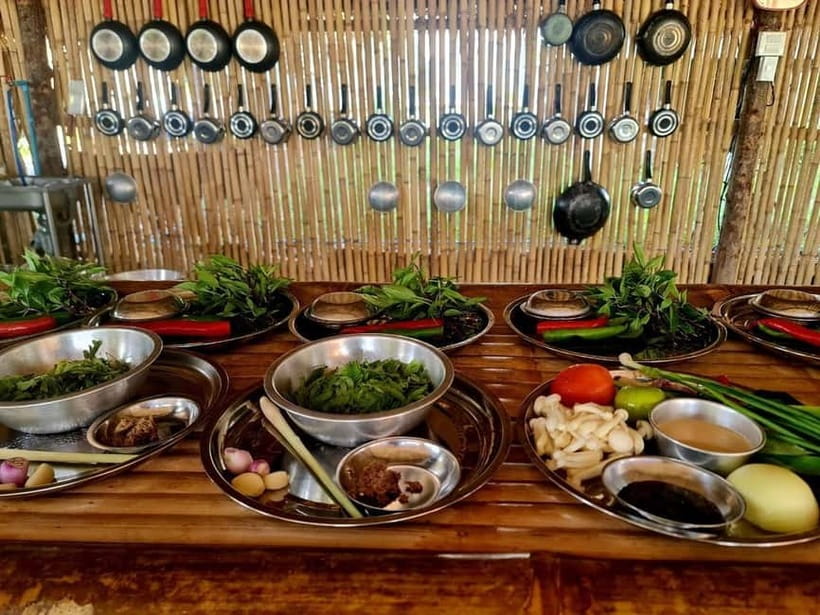
You’ll finish by eating what you cook. The class includes cooking ingredients and equipment, plus a recipe guide so you can recreate the dishes later. That recipe guide is one of the things I value most because it turns your day from a fun outing into a skill you can reuse.
You’ll also get complimentary seasonal fruits and refreshments. It’s a nice touch that keeps the day from feeling like pure work. And the team tends to pack up leftovers for you to take home, so you’re not forced into eating everything on the spot.
The result is that you leave with:
- Four dishes you cooked yourself
- A better sense of Thai flavor building blocks
- Notes and recipes you can follow later
Should You Book Go Samui Cook for Your Koh Samui Trip?
I’d book this class if you want more than a food show. You should choose it if:
- you love Thai food and want to understand why it tastes right
- you want hands-on practice with coconut milk and curry paste techniques
- you’re okay with a weekly menu and want to pick 4 dishes that match your cravings
- you can get to the included pickup zones (Lamai, Maenam, Chaweng) without extra hassle
I’d think twice if:
- you’re outside the pickup zones and the extra transfer cost hurts your budget
- you have mobility or back issues that make standing and kitchen movement difficult
- you have serious food allergy needs and want extra reassurance (message them clearly before paying)
For many people, the class becomes the standout meal of the trip. Even if you don’t become a Thai-cooking whiz overnight, you’ll come back with techniques that make your next curry taste closer to the real thing.
FAQ
How long is the Koh Samui Thai cooking class?
It’s a 4-hour culinary experience, starting with hotel pickup and ending with drop-off.
Where does hotel pickup and drop-off work?
Round-trip transfers are included only for the Lamai, Maenam, and Chaweng areas. Pickups outside those areas may be available for an additional THB 700 per person.
Do I get to choose what dishes I cook?
Yes. You can choose 4 dishes from a weekly-rotating menu. You can also customize your meal to be spicy or non-spicy.
What Thai cooking techniques will I learn?
You’ll practice fresh coconut milk extraction and traditional curry paste preparation, along with learning proper Thai herb and spice combinations.
Is the class suitable for kids?
Children under 9 years are not allowed to participate in the cooking class. They can stay in the dedicated play area during the lesson.
Are dietary restrictions accommodated?
Yes. They mention options for vegan, vegetarian, gluten-free, and halal. If you have allergies, let them know so they can provide suitable alternatives.
What should I bring and what rules should I follow?
Bring comfortable shoes and sunscreen, and wear clothes suitable for cooking. Smoking is not allowed, and alcohol and drugs are not allowed; alcoholic drinks are also not allowed in the vehicle.