REVIEW · PATONG
Phuket: Elephant Sanctuary Guided Tour with Hotel Transfers
Book on GetYourGuide →Operated by My Holiday Centre Company Limited · Bookable on GetYourGuide
Elephants, but no tricks. This ethical Phuket sanctuary visit focuses on rescued elephants, their routines, and how you can interact in a respectful way. You’ll get a guide, a natural setting, and a chance to feed from your hand while learning why sanctuaries matter.
I especially like the hotel transfers built into the experience. The ride makes this easy for most Phuket stays, and the visit itself is short enough that you’re not stuck roasting in the heat all day. One possible drawback: it’s really a 1-hour sanctuary experience, so if you want a long, slow day with lots of elephants, this may feel a bit fast.
In This Review
- Key things to know before you go
- Why this Phuket elephant tour feels different from the usual hype
- Hotel pickup and drop-off: the real value in the $40 price
- The sanctuary hour: feeding, walking, and learning the elephants’ routines
- Stop 1: Your Phuket hotel pickup (choose the right time slot)
- Stop 2: The 1-hour guided sanctuary visit
- Stop 3: Drop-off back to Phuket
- What I’d focus on during the elephant hour (and why)
- Feed carefully, and let the guide set the pace
- Watch the elephants, not just your phone
- Expect a Q&A that’s actually useful
- The ethics in practice: what you’re not doing here
- Photos, touch, and expectations you should set now
- Timing in Phuket: choose morning or afternoon with the drive in mind
- Who this tour is best for
- Should you book this Phuket elephant sanctuary tour?
- FAQ
- How long is the Phuket elephant sanctuary guided tour?
- Does this tour include hotel pickup and drop-off?
- What areas in Phuket are pickup and drop-off available?
- Is there a guide, and what language do they speak?
- What happens during the sanctuary visit?
- Can I take photos and feed the elephants?
- Are alcohol or drugs allowed on this tour?
- Is there a way to choose morning vs. afternoon?
- What’s the cancellation policy?
Key things to know before you go
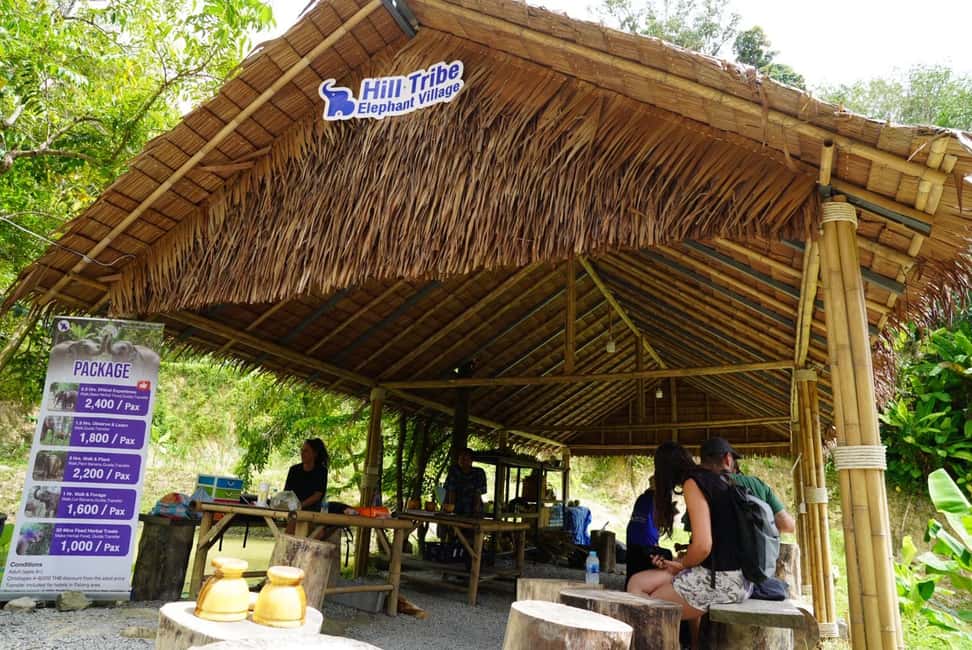
- Hotel pickup and drop-off around Phuket: You’ll travel to the sanctuary and back without having to figure out transport.
- A guided, 1-hour visit: Expect feeding, walking in the jungle area, and learning the elephants’ routines—not a half-day expedition.
- Hand feeding with herbal food: You’ll prepare and feed the elephants from your hand.
- Elephant behavior over stunts: No riding or forced “performance” approach is part of what the tour is designed around.
- Photo time on the elephants’ terms: You may have chances to take photos as you meet the elephants.
- English live guide: Guides lead the visit and field questions.
Why this Phuket elephant tour feels different from the usual hype
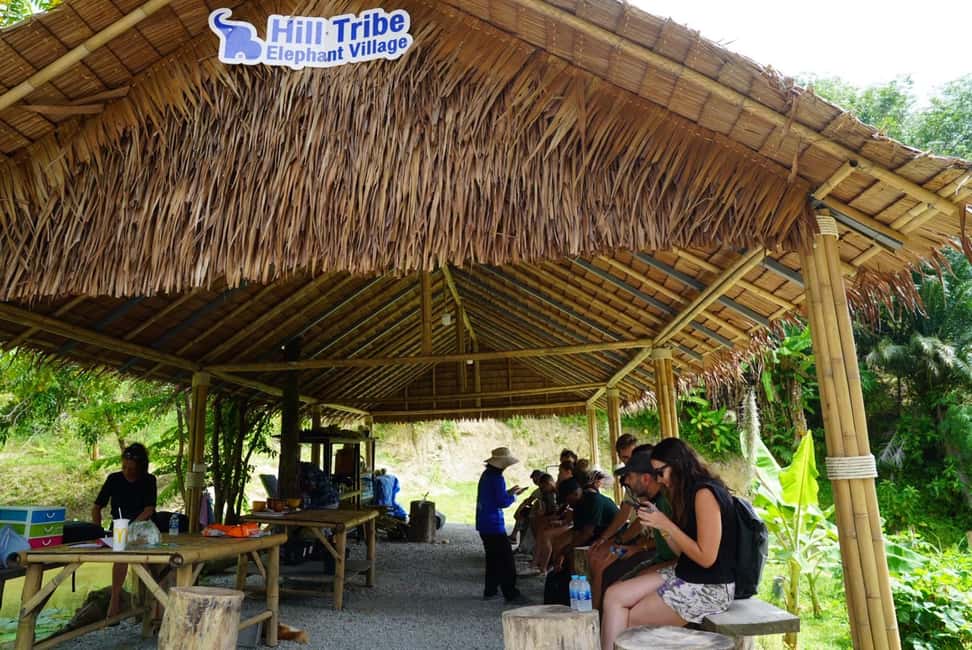
Phuket has a lot of elephant-related activities. Some are loud, flashy, and designed around human entertainment. This tour is built around something more grounded: rescued and retired elephants cared for in a sanctuary setting, with a guide who explains what you’re seeing and how sanctuaries operate.
The vibe is practical. You’re not being sold a fantasy. Instead, you’re learning the everyday side of elephant life—what they do, how they move through the space, and why ethical facilities emphasize welfare over work. It’s also educational without being preachy: you’ll hear conservation and care efforts connected to sanctuaries and endangered species.
You can also read our reviews of more tours and experiences in Patong.


Hotel pickup and drop-off: the real value in the $40 price

At $40 per person for a 1-hour sanctuary visit, the price only makes sense if the transport is genuinely included—and in this case, it is. The tour includes round-trip pickup and drop-off from multiple Phuket areas, which can save you time, hassle, and the cost of trying to coordinate a private car.
The pickup options include places like Patong, Karon, Chalong, Kamala, Choeng Thale, and Phuket Town (plus additional nearby piers/beaches listed under pickup). That broad coverage is a big deal in Phuket, where “closest to the center” can still mean a long drive.
One thing to keep in mind: ride time varies by where you’re staying. In feedback, someone staying near Karon mentioned the sanctuary was about one to one-and-a-half hours away with included transport. So, if you choose a time slot that’s tight with your other plans, build in buffer for the drive.
The sanctuary hour: feeding, walking, and learning the elephants’ routines
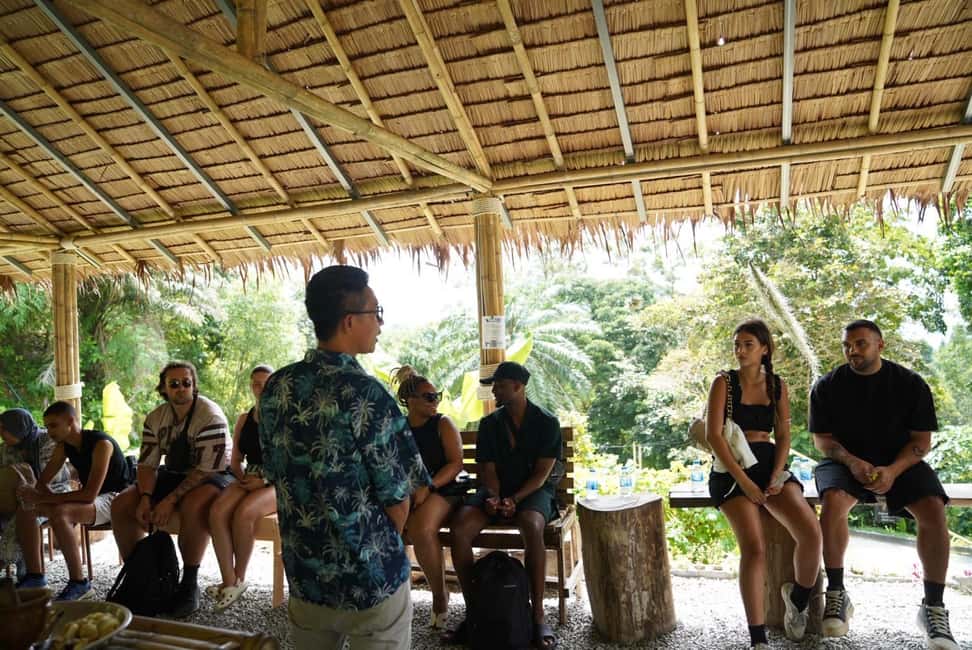
Once you arrive, the visit is structured around gentle interaction and observation. You’ll start with a briefing on how to behave around the elephants, then move into feeding and guided time in the sanctuary area.
Stop 1: Your Phuket hotel pickup (choose the right time slot)
The tour starts with pickup from selected areas in Phuket, moving you to the sanctuary in a group transport setup. You’ll then be ready for the tour briefing when you get there.
The biggest benefit of this first step is mental. You don’t spend vacation hours navigating. You also get to focus on the experience instead of logistics—especially helpful in Phuket traffic.
Stop 2: The 1-hour guided sanctuary visit
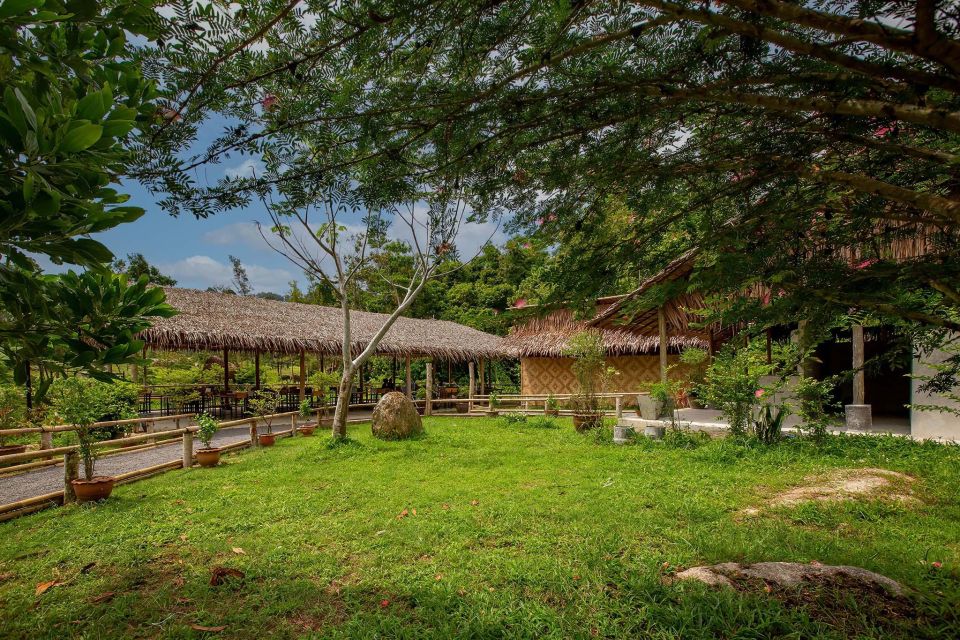
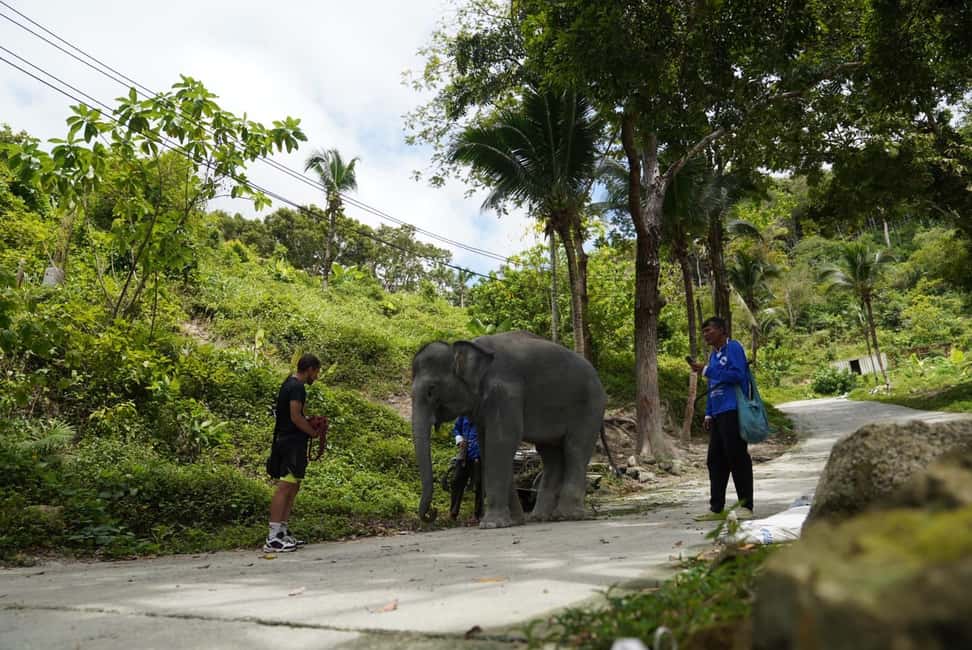
This is the heart of it. Expect a guided experience where you’ll meet rescued and retired elephants, listen to their stories and daily routines, and spend time walking in the jungle-like area of the sanctuary grounds.
Hand feeding is a core part of the experience. You’ll be given herbal elephant food, and you’ll feed from your hand. One review called out bananas as a dessert-style treat, and another mentioned cane. The exact food may vary, but the pattern is consistent: you’re preparing simple food and then feeding the elephants safely and respectfully.
You should also expect photo opportunities. The tour is designed so you can take pictures when the elephants are close and calm. Just keep your expectations realistic: elephants don’t work like photo props. Their comfort comes first, and you’ll follow the guide’s direction.
A couple of reviews mention watching elephants bathe themselves (standing by the bank and observing rather than having staff wash them). So while the tour centers on feeding and walking, you may also get a chance to observe natural behaviors if they happen during your visit.
Stop 3: Drop-off back to Phuket
After the sanctuary time, you head back to Phuket and get dropped off at one of the listed locations, such as Kamala, Karon, Chalong, Pa Tong, Choeng Thale, or Phuket Town. For many people, this is what makes the tour feel “worth it,” because it turns a visit into a simple round-trip day plan.
What I’d focus on during the elephant hour (and why)
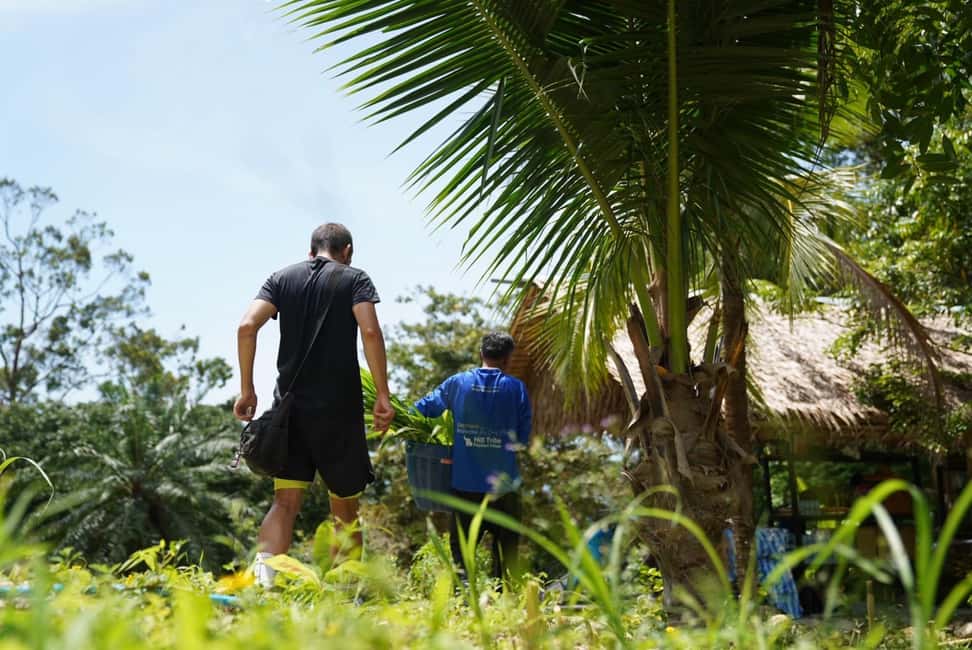
This kind of tour can be short on purpose. The better question is: what should you actually pay attention to while you’re there?
Feed carefully, and let the guide set the pace
Hand feeding is a highlight for a reason. It creates a close, memorable moment. But it also means you need to be calm and slow. Follow the guide’s instructions. Reviews highlight that guides explained the elephants’ behavior and how carers support elephants—especially around how interaction happens only in ways that respect the animals.
A good guide does more than point and translate. One review specifically mentions guide Tinn for being warm, friendly, and attentive, with lots of chance for questions and photos. If your guide is similarly engaged, you’ll get more meaning from the feeding moment than just a quick photo.
Watch the elephants, not just your phone
It’s tempting to treat this like a “capture everything” stop. I’d rather you use photos as a reward for paying attention first. Watch how elephants move, how they choose distance, and how they respond to food. That’s where the education lands.
Some feedback notes the elephants look healthy and happy, and that they can roam freely in their sanctuary setting. Even if you’re not an animal expert, you can still read body language: relaxed movement, comfort around people, and a lack of forced behavior are strong cues.
Expect a Q&A that’s actually useful
The guide is live and in English. Guides in feedback were praised for explaining the elephants’ histories and conservation efforts. In plain terms: you’ll likely leave knowing why sanctuaries matter and what “rescued and retired” really means in daily care.
The ethics in practice: what you’re not doing here
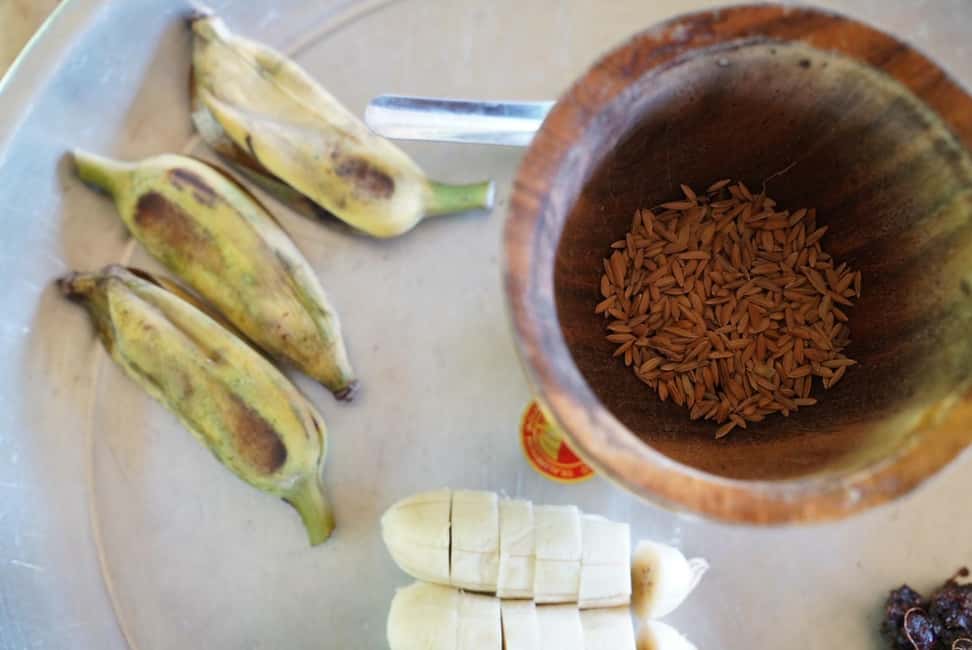
The tour’s most important selling point isn’t a marketing label. It’s what you don’t participate in.
The activity description and feedback repeatedly point to a respectful, non-riding approach. One review specifically notes no bathing by humans and no riding, with interaction happening on the elephants’ terms. Another review highlights that the elephants can roam freely and are paired with keepers who care for them.
You also have rules for your behavior: no intoxication and no alcohol or drugs. That’s not a throwaway detail. With wildlife, clear conduct rules protect the animals and everyone’s safety. If you’re traveling with alcohol plans, this is the kind of tour where you’ll want to keep your day clean.
Photos, touch, and expectations you should set now
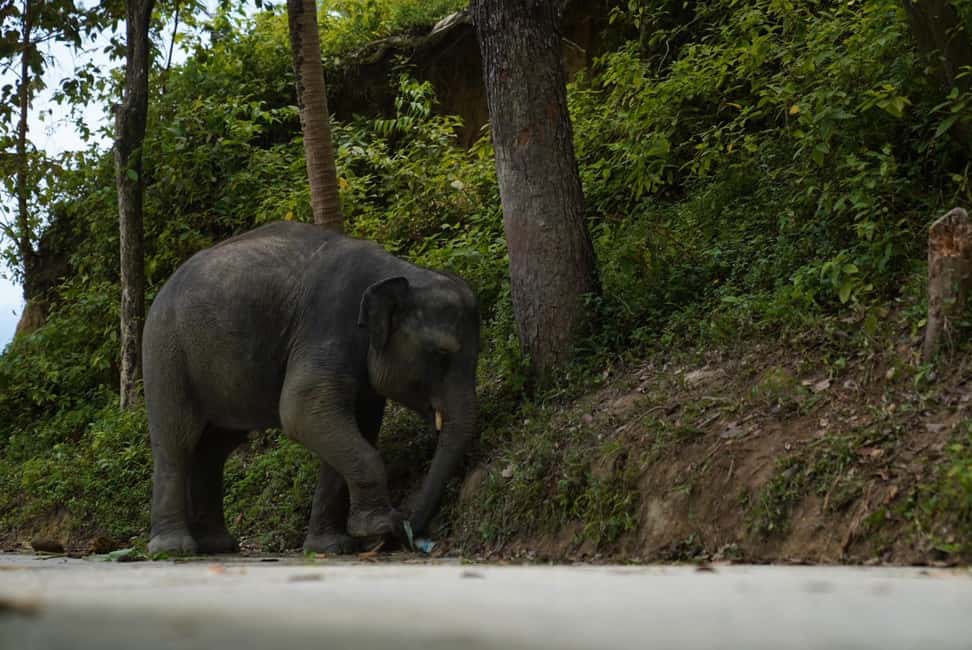
The tour experience includes photos and feeding. Some people also hope for more contact, like petting. In feedback, one person wished for more encouragement or direction to be able to touch elephants.
Here’s how to handle that without disappointment: assume feeding and close viewing come first, and any physical interaction (like touching) will be limited by the elephants’ comfort and the guide’s safety protocol. That’s not a “small catch.” It’s the ethical structure of the experience.
So go in aiming for:
- great feeding photos when the elephant approaches
- natural moments when the elephant decides to move near you
- calm, respectful behavior rather than chasing contact
Timing in Phuket: choose morning or afternoon with the drive in mind
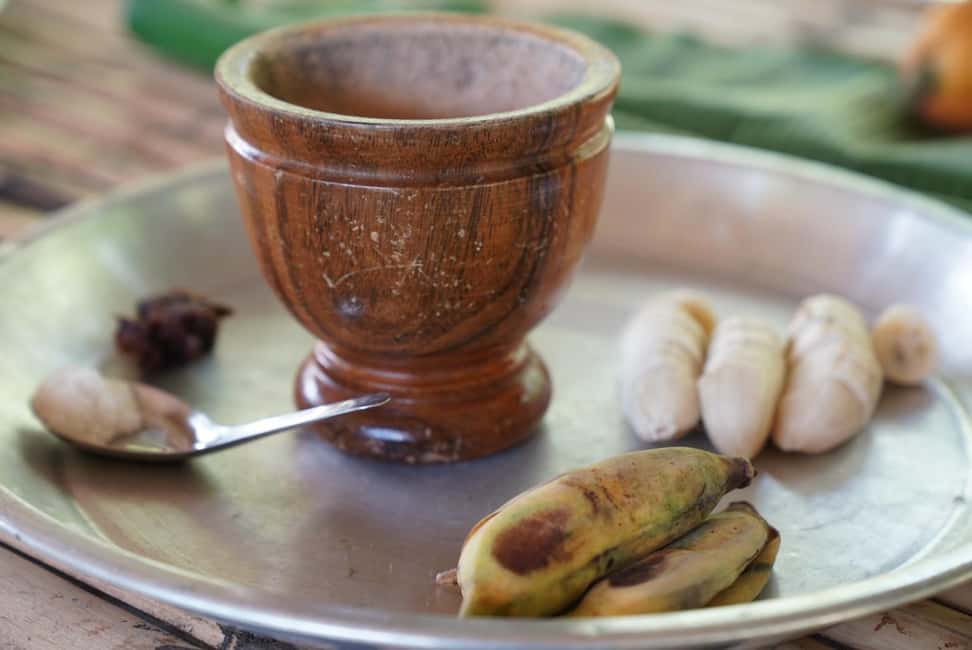
The tour offers either a morning or afternoon experience. That choice matters in Phuket more than most places because heat and sun can turn a short outing into a sweaty slog.
Even though your sanctuary time is about 1 hour, you’ll likely spend additional time on the road. If you’re the type who wants the day to feel smooth, pick a slot that doesn’t force you to rush between activities afterward. If you’re near one of the farther pickup areas (again, feedback mentioned Karon as a longer drive), give yourself extra buffer.
Who this tour is best for
This is a strong fit if you:
- want an ethical elephant sanctuary experience without committing a full day
- like guided storytelling and want to understand what you’re seeing
- prefer simple logistics with hotel pickup and drop-off around Phuket
- enjoy animal observation (feeding, walking nearby, watching behaviors)
It may not be the best fit if you:
- want a long program or a big variety of activities
- expect to meet every elephant housed at the sanctuary in one stop (one review said they had 9 elephants living there but only met 3 during their visit, which is a reminder that your encounter count can vary)
Should you book this Phuket elephant sanctuary tour?
I’d book it if your priority is ethical interaction, guided learning, and an easy round-trip plan. At around $40 for a 1-hour sanctuary visit with hotel transfers, it’s good value if you’re saving yourself the hassle of arranging transport and you’re okay with a focused, not-too-long visit.
Skip it if you want a marathon wildlife day, or if you’re primarily chasing lots of physical interaction regardless of the elephants’ comfort. This tour is designed to be controlled, safe, and respectful. That’s the point.
If you do book, arrive ready to be calm and attentive. Bring your phone, but don’t let it run the show. The best moments tend to happen when you watch what the elephants do between the photos.
FAQ
How long is the Phuket elephant sanctuary guided tour?
The duration is listed as 1 hour. Exact starting times depend on availability.
Does this tour include hotel pickup and drop-off?
Yes. Hotel pickup and drop-off are included.
What areas in Phuket are pickup and drop-off available?
Pickup and drop-off are offered in multiple Phuket locations, including Kamala, Chalong, Pa Tong, Karon, Phuket Town, and Choeng Thale (and other nearby piers/beaches listed under pickup).
Is there a guide, and what language do they speak?
A live tour guide is included, and the language is English.
What happens during the sanctuary visit?
You’ll meet and feed rescued and retired elephants, take photos, and learn about the elephants’ routines and the sanctuary’s conservation efforts. You’ll also have time to relax and enjoy the natural setting.
Can I take photos and feed the elephants?
Yes. Photos are part of the experience as you meet the elephants, and you’ll feed them their favorite food using provided herbal elephant food.
Are alcohol or drugs allowed on this tour?
No. Intoxication and alcohol or drugs are not allowed.
Is there a way to choose morning vs. afternoon?
Yes. The experience can be booked for either a morning or afternoon time slot to fit your schedule.
What’s the cancellation policy?
Free cancellation is available up to 24 hours in advance for a full refund.